REVIEW · OSAKA
Discover Himeji, Kobe and Nara from Osaka
Book on Viator →Operated by Amigo Tours Japan · Bookable on Viator
If you want one day that actually moves, this Osaka-to-Himeji-Kobe-Nara tour delivers. I like the way it bundles major sights with hassle-free transfers, and I especially appreciate that Himeji Castle entry is included, so you don’t spend your time hunting tickets or lines. You’ll also get time at Nara Park to snap photos with the famous deer—one of those moments that’s hard to skip.
One possible drawback to keep in mind: the experience can feel more like organized transport plus sightseeing time than a deep, talk-every-step history lecture. If you crave constant storytelling, plan to do a little pre-reading or bring your own questions.
The format is simple: you ride out early, follow a clear order of cities, and let the guide handle getting you where you need to be. With a group capped at 25 people and bilingual support in English and Spanish, it’s built for comfort and flow—especially helpful if you’d rather not figure out rail connections while also dealing with crowds.
In This Review
- Key highlights at a glance
- Price and logistics: what you’re really paying for
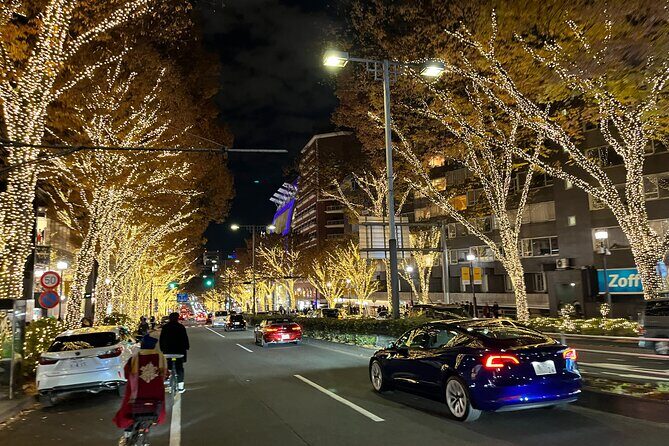
- Starting point at Osaka Mode Gakuen (Umeda): easy meet, early start
- Stop 1: Himeji Castle in your first two hours
- Stop 2: the castle ticket you don’t have to buy
- Stop 3: Kobe Chinatown Nankin-machi and lunch time
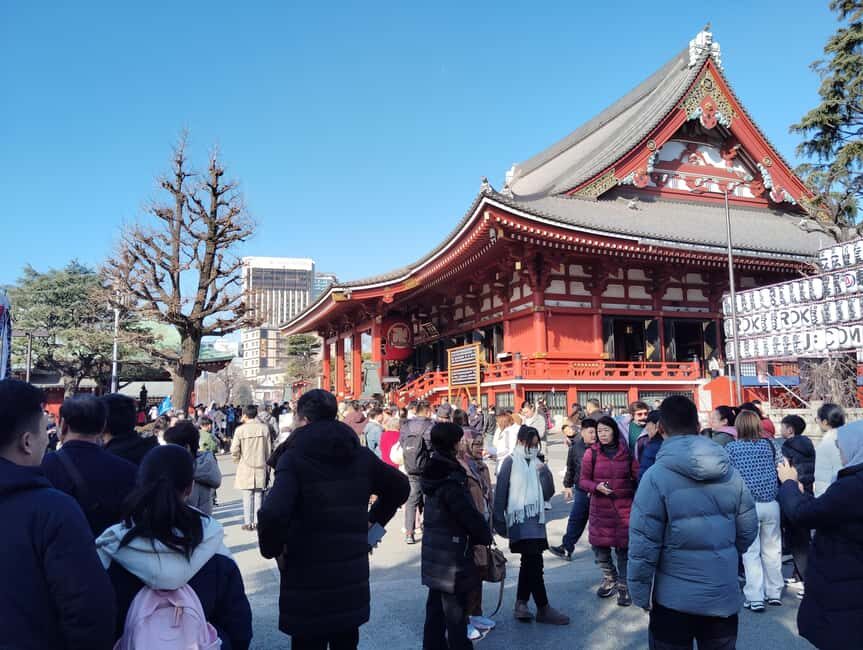
- Stop 4: Nara Park deer time plus Todai-ji area access
- If you plan to add Todai-ji
- If you skip Todai-ji
- The bus ride between cities: why it’s part of the value
- Group size and the guide style: helpful, but not a constant lecture
- What I like most about this route (and why it works)
- The main drawback to plan around
- Practical tips to make the day feel smooth
- Who should book this Osaka day trip
- Should you book this tour?
- FAQ
- What time does the tour start?
- How long is the tour?
- Where do I meet the group?
- What is included in the ticket price?
- Is lunch included?
- Do I need to buy a ticket for Todaiji Temple?
- Is there a mobile ticket?
- Can I cancel and get a refund?
Key highlights at a glance

- Himeji Castle (included): One of Japan’s best-preserved castles, recognized as a UNESCO World Heritage Site
- Nara Park deer time: You get dedicated free time to visit and take photos at your pace
- Kobe Chinatown Nankin-machi: Structured time for lunch and wandering one of Japan’s most notable Chinatowns
- Bilingual guide (English/Spanish): Support that helps you navigate without stress
- Mobile ticket: Less fuss day-of, since you won’t be juggling paper tickets
- Max 25 travelers: Small enough to feel group-led, not chaotic
Price and logistics: what you’re really paying for
At $91 per person, you’re paying for a lot more than just entry. The big value is transportation and routing across three cities in one ~11-hour day, starting at 8:00 am and returning to the same meeting point at Osaka Mode Gakuen.
This matters because Osaka to Himeji, then onward to Kobe and Nara, is doable on your own—but it’s also the kind of plan that can turn into a long day of trains, transfers, and timetable anxiety. When the tour handles the moves and keeps the schedule coherent, you’re really buying time and peace of mind.
What you still need to budget separately is straightforward: lunch isn’t included, and Todai-ji’s ticket is not included (listed as $5). In other words, you’re getting the key castle covered and the rest of the day built around your choices.
Also, this is a guided day with moderate physical fitness expected. You’ll be on your feet during sightseeing blocks, plus walking around castle grounds and the temple area.
You can also read our reviews of more tours and experiences in Osaka.
Starting point at Osaka Mode Gakuen (Umeda): easy meet, early start
You’ll meet at Osaka Mode Gakuen, 3-chōme-3-2 Umeda, Kita Ward, near public transportation. The start time is 8:00 am, which is an underrated part of the value: leaving early helps you avoid the worst crowd crush and gives you more usable daylight in each city.
The tour ends back at the meeting point, so you don’t have to worry about figuring out how to get home from a different station or area. That sounds small, but it’s the kind of detail that prevents day-trip stress.
Bring what you normally bring for a long day: comfortable shoes, water, and a light layer. Since the day spans morning through evening, conditions can change, and you’ll want to be ready without fuss.
Stop 1: Himeji Castle in your first two hours
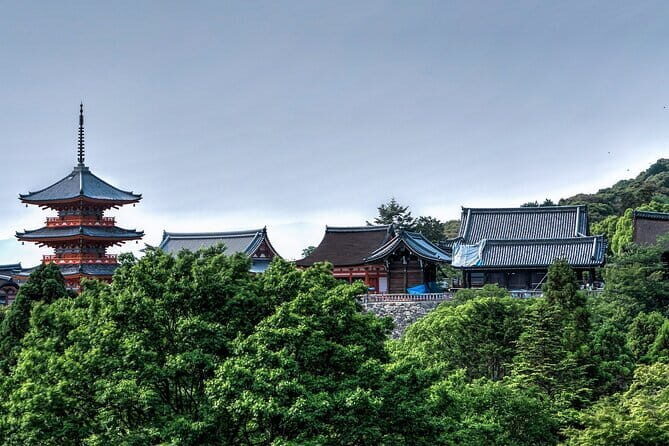
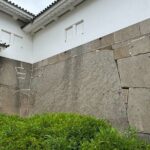
You kick off the sightseeing with Himeji and Himeji Castle, with about two hours on site. The castle is famous for being one of Japan’s most iconic and best-preserved castles, and it’s recognized as a UNESCO World Heritage Site—so this isn’t just a quick photo stop. The included ticket is a real time-saver and an easy win for value.
What you’ll likely enjoy most in the castle time block is the layout: it’s designed for walking through layered gates and courtyards, so you get to see how the defenses and buildings relate to each other. Even if you only have a short window, this is the kind of place where good planning helps you see a lot without rushing every corner.
The practical reality: two hours is enough to get the essentials, but it’s still a sprint if you stop for every view and photo. If you care about details, you’ll want to move with purpose: pick a route, decide what you want your main photos to be, and save your deeper attention for the moments that matter to you.
Who this suits: people who want the headline sight of Himeji without turning the day into a complicated logistical project.
Stop 2: the castle ticket you don’t have to buy
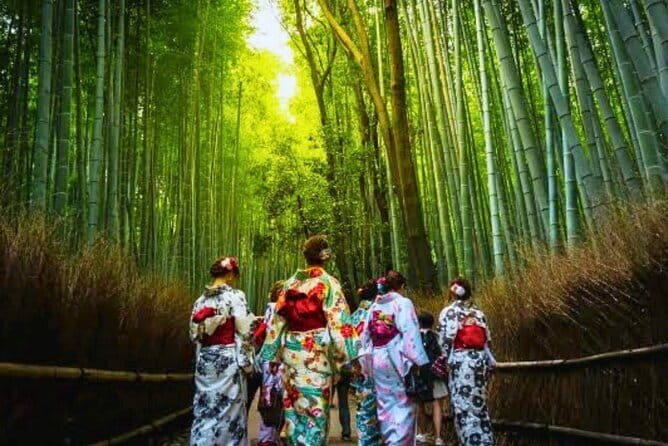
This tour includes your admission ticket to Himeji Castle, which is worth calling out. On your own, ticketing and timing can add friction, especially when you’re hopping between cities with limited daylight. Here, you get one of the most important entries covered up front.
I like that it reduces decision fatigue. Instead of spending mental energy on whether you chose the right ticket type or line, you can focus on actually being at the castle.
One note for expectations: while there is guidance, don’t assume you’ll get nonstop lecturing. The experience balances guide context with time for you to explore. If you want more history than what’s provided on the spot, a quick read beforehand will make the castle feel even richer once you’re there.
Stop 3: Kobe Chinatown Nankin-machi and lunch time

From Himeji, the day moves to Kobe’s Chinatown (Nankin-machi). You get about three hours here, including roughly one hour for lunch and time to explore the area afterward.
This stop is less about one monument and more about atmosphere. Chinatown districts can be a great reset after castle walking—different streets, different smells, and a chance to snack your way through the day. If you like casual eating, browsing menus, and short walks between small shops, you’ll probably have an easy time filling the hours.
The tour being organized doesn’t mean you can’t be flexible. You’ll still choose what to eat and how fast you want to wander. Just keep an eye on the schedule so you don’t lose your place before boarding.
A practical tip: since lunch time is limited, decide early whether you want a sit-down meal or quick bites. With only about an hour for lunch within the overall three-hour stop, you’ll waste less time if you commit to a plan.



Stop 4: Nara Park deer time plus Todai-ji area access
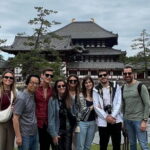
Next comes Nara Park, with about three hours to spend. This is where the day turns memorable fast, because Nara Park is known for its deer, and you’ll have time to take photos and enjoy the area around the park.
You’ll also have the option to visit Todaiji Temple, where the Great Buddha of Nara is housed. The ticket for Tōdai-ji is not included, listed at $5, so you’ll either pay on your own or decide to skip if you prefer just the park and deer time.
This stop is also a good example of why structured tours can still feel free. The park is wide and your interests may vary—some people want the deer first, others want the temple focus. With a three-hour block, you can do both, but you’ll want to pace yourself.
If you plan to add Todai-ji
Since Tōdai-ji’s ticket isn’t included, factor that into your budget. Also, consider the small time pressure: if you prioritize deer photos, your temple visit might be shorter. If Todai-ji is your main goal, head there earlier within the stop.
If you skip Todai-ji
You’re still going to have a great Nara experience if your highlight is the park and the deer. In that case, think of it as a scenic break from the day’s castle and city walking, not a checklist moment.
The bus ride between cities: why it’s part of the value
One of the quiet perks of this kind of tour is what you don’t do: you’re not decoding train routes across multiple cities while dragging a tired body along. You’re also not stuck asking strangers for directions every time your plan changes.
The itinerary is built around guided transit, so the route from Osaka to Himeji, then Kobe, then Nara, runs in a clear order. That means you can relax during the ride and focus on the stops instead of the route.
Given the start time and total duration, you should treat the day like a marathon, not a stroll. Rest when you can, and use your stop times intentionally. If you try to do everything in every city, you’ll feel rushed by the end.
Group size and the guide style: helpful, but not a constant lecture
Your guide is listed as bilingual in English and Spanish, and the group is capped at 25 travelers. That combination usually means two things: fewer people crowding around the guide, and more room for questions.
That said, based on how the tour balances free exploration and commentary, don’t expect the day to be pure “guided narration” nonstop. Some people prefer deeper history at every stop, while others want more time to wander. This tour leans toward giving you both, but it may not satisfy those who want a long, detailed lecture.
If you want to get the most out of it, use the guide smartly: ask one or two focused questions when you have a moment. For example, ask what to prioritize inside the castle or what’s most important at the temple area. Short questions get you better value than waiting for a long explanation.
What I like most about this route (and why it works)
I like that you get three distinct “faces” of Kansai without needing a spreadsheet of train times.
- Himeji gives you the architectural wow factor with UNESCO-level recognition and an included castle ticket.
- Kobe adds food-and-street energy through Chinatown, with time built in for lunch.
- Nara brings the classic deer photo moment plus optional temple depth.
The order also feels sensible. Starting with a major landmark in the morning keeps energy high, and finishing with Nara means you end the day with a big sensory memory—deer, walking, and temple-area sights—before you return to Osaka.
This is also a good option if you want to do a lot, but you don’t want the day to become a logistics project.
The main drawback to plan around
The main consideration is how the guidance is paced. If what you really want is constant, detailed history at every stop, you may find the experience more practical than academic.
You can fix that with two simple moves:
1) Do a quick scan of what Himeji Castle, Todai-ji, and Nankin-machi are known for before you go.
2) Ask your guide one question when you’re there, not after you’ve already moved on.
This way, you still get the convenience of transport and timing, and you also capture the context that makes the places click.
Practical tips to make the day feel smooth
A few things will help this long day go better:
- Wear shoes you can walk in for hours. Castle grounds and temple areas can add up.
- Plan for a paid extra at Nara: Todai-ji ticket is not included.
- Don’t count on lunch to be fully planned for you; it’s on your schedule during the Kobe block.
- Bring a small snack if you get hungry between stops, since lunch time is limited within the Kobe stop.
- Use the free time wisely. The tour gives you blocks; treat them like mini-itineraries rather than open-ended wandering.
And if you’re bringing a camera, charge it fully the night before. You’ll have multiple photo-heavy windows, especially at Nara Park and at Himeji Castle.
Who should book this Osaka day trip
This tour is a strong fit if you:
- Want Himeji, Kobe, and Nara in one day from Osaka without route headaches
- Like having enough free time to explore, but still want structure to keep you on track
- Appreciate guided support in English and Spanish
- Are okay with an extra ticket purchase at Todai-ji and paying for lunch yourself
It’s likely not the best match if you:
- Want a deep history tour with constant narration and minimal free roaming
- Prefer a slower pace with fewer stops, since this is a full day at multiple locations
Should you book this tour?
I’d book it if your priority is smart convenience and you want to see three headline Kansai cities without building the plan yourself. The included Himeji Castle admission, bilingual guide, and organized transportation are the core value points, and they add up when you’re saving time and stress.
I’d hesitate only if your ideal tour is mostly a detailed history lesson with little free time. If that sounds like you, do a bit of homework before you go, and you’ll get much more out of the time on the ground.
If you’re trying to maximize your Osaka base visit with one high-impact day, this is a solid pick.
FAQ
What time does the tour start?
The tour starts at 8:00 am from Osaka Mode Gakuen in Umeda.
How long is the tour?
It runs for approximately 11 hours.
Where do I meet the group?
Meet at Osaka Mode Gakuen, 3-chōme-3-2 Umeda, Kita Ward, Osaka (530-0001).
What is included in the ticket price?
The tour includes a bilingual guide in English and Spanish, transportation from the meeting point, and admission to Himeji Castle.
Is lunch included?
No. Lunch is not included.
Do I need to buy a ticket for Todaiji Temple?
Yes. The ticket to Tōdai-ji temple is listed as $5 and is not included.
Is there a mobile ticket?
Yes. The tour uses a mobile ticket.
Can I cancel and get a refund?
Yes. You can cancel for a full refund up to 24 hours before the experience’s start time. If you cancel less than 24 hours before, the paid amount is not refunded.