REVIEW · NAGOYA
From Nagoya: Gujo, Hida Takayama, and Shirakawa-go Day Tour
Book on GetYourGuide →Operated by Air Choice, Inc. · Bookable on GetYourGuide
A one-day loop through old Japan’s heart. This trip strings together Edo-period townscapes and a UNESCO village stop without making you plan trains, transfers, or tickets. I like how it pairs walkable historic streets with enough free time to snack, shop, and wander at your own pace.
The main thing to keep in mind is that it’s a packed schedule by bus. Some stops run on a tight clock, so you’ll need to choose what you want most—especially if you’re aiming for specific views or food.
In This Review
- Key Highlights You’ll Actually Feel
- From Nagoya’s Taiko Exit to the First Countryside Hour
- Gujo Hachiman: Edo-Style Charm with Only One Hour to Roam
- Hida Takayama: Old Streets, Food Stops, and Craft Browsing
- UNESCO Gassho-Zukuri at Shirakawa-go and Gokayama: The Steep Roof Moment
- The 11-Hour Reality: What One Long Bus Day Does to You
- Price Value: Why $61 Can Be a Smart Deal Here
- Who Should Book This Tour (and Who Should Skip It)
- Should You Book This Nagoya Day Tour?
- FAQ
- Where do I meet the tour in Nagoya?
- How long is the tour?
- What’s included in the price?
- How much free time do you get at each stop?
- Which UNESCO site does the tour visit?
- What language does the guide speak?
- Can I cancel for a refund?
- Is there a reserve now, pay later option?
Key Highlights You’ll Actually Feel
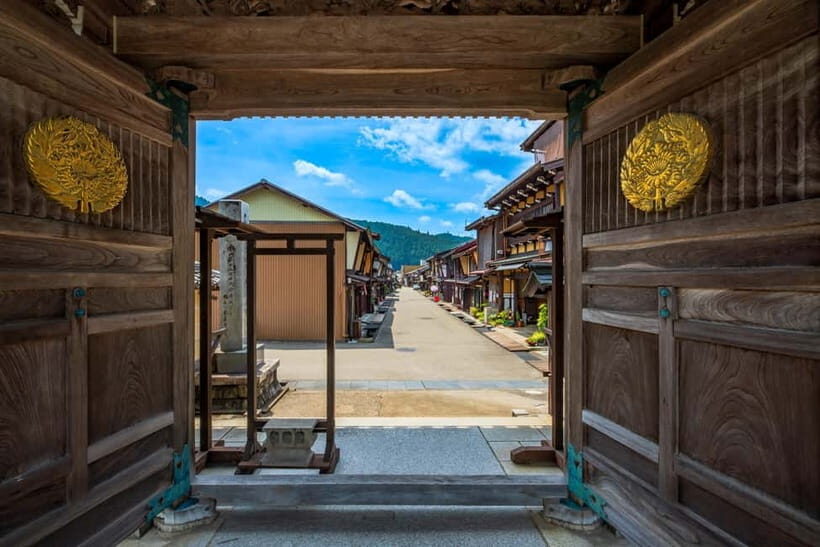
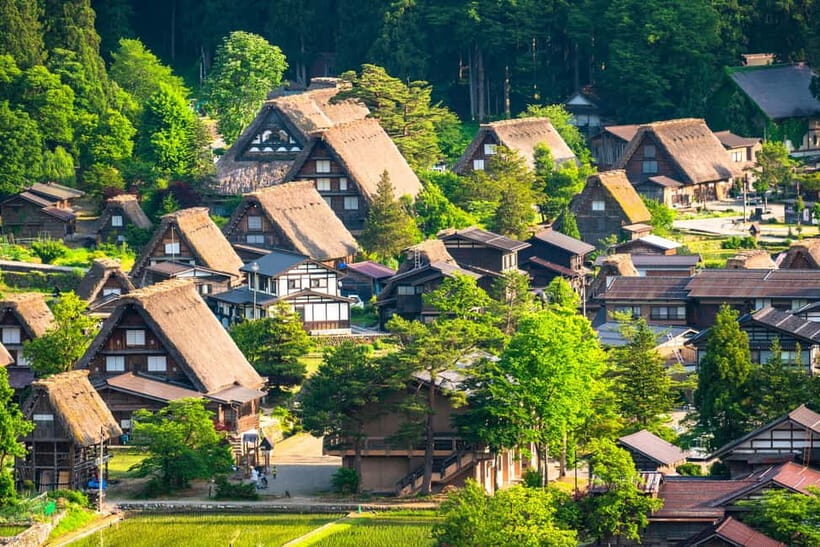
- Three heritage towns in one day, with Edo atmosphere in Gujo and Takayama plus UNESCO architecture at Shirakawa-go
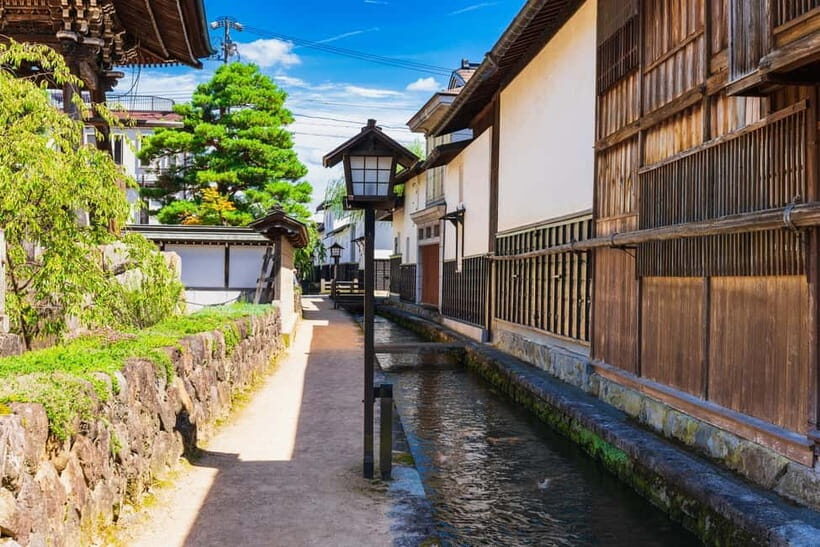
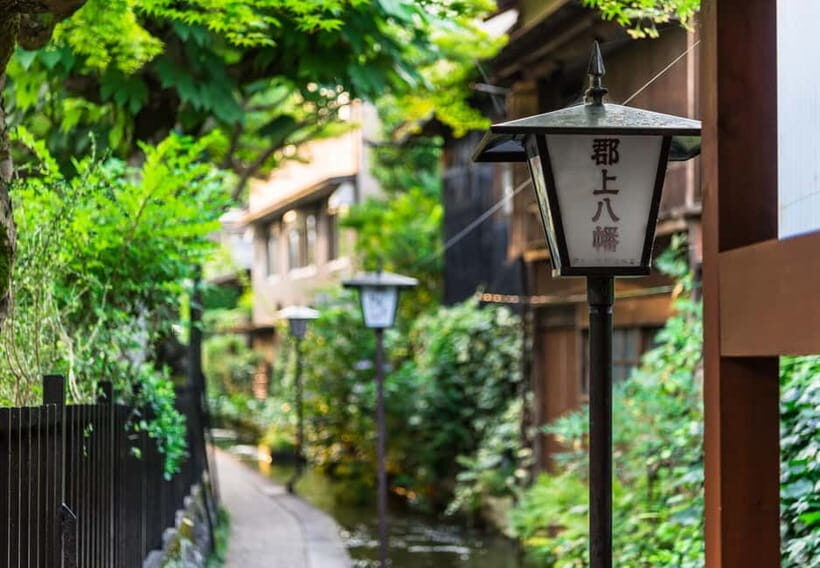
- Riverside streets in Gujo Hachiman, where traditional buildings line a waterway running past the eaves
- Hida Takayama’s old-town alleys, timed for strolling, local snacks, and browsing craft and candy shops
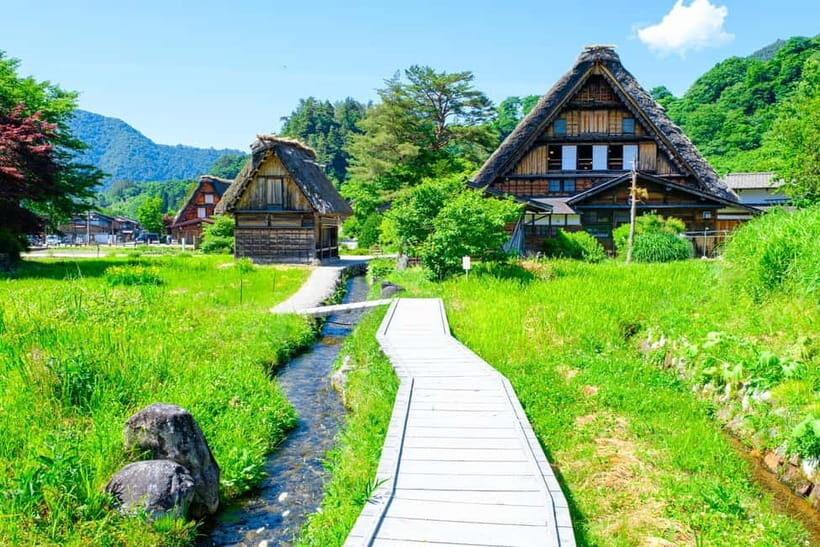
- Gassho-zukuri villages at Shirakawa-go and Gokayama, built for heavy snow with steep thatched roofs
- English/Japanese guided structure, with guides praised for clear directions and helpful recommendations
- Winter realities like short meal hours in the UNESCO area, so plan your hot-food priorities early
From Nagoya’s Taiko Exit to the First Countryside Hour
The day starts early, but it starts clearly: you meet at 8:20 in front of the Nishi Koban police box at the Taiko Exit of Nagoya Station. The company guide is holding a blue flag, which helps when station construction around Nagoya makes signage feel a little chaotic. (One guest noted that the meeting-point description may feel confusing if you’re arriving during construction, so give yourself a few extra minutes to orient.)
Once you board, you’re not just getting from A to B—you’re buying time you’d otherwise spend managing transport. The first bus ride is about 1.5 hours, which is a long stretch, but it also sets the tone: this isn’t a hopping-around day trip with constant transfers. It’s one bus, three stops, and a return ride that’s about 2.5 hours.
If you’re the type who likes structure, you’ll appreciate that the guide’s job is essentially to keep everyone moving on schedule while offering background as you go. In a few reported departures, guides like Wang, Wong, Moe, and Cici were singled out for being kind, organized, and generous with practical tips for each stop’s free time.
You can also read our reviews of more tours and experiences in Nagoya.


Gujo Hachiman: Edo-Style Charm with Only One Hour to Roam
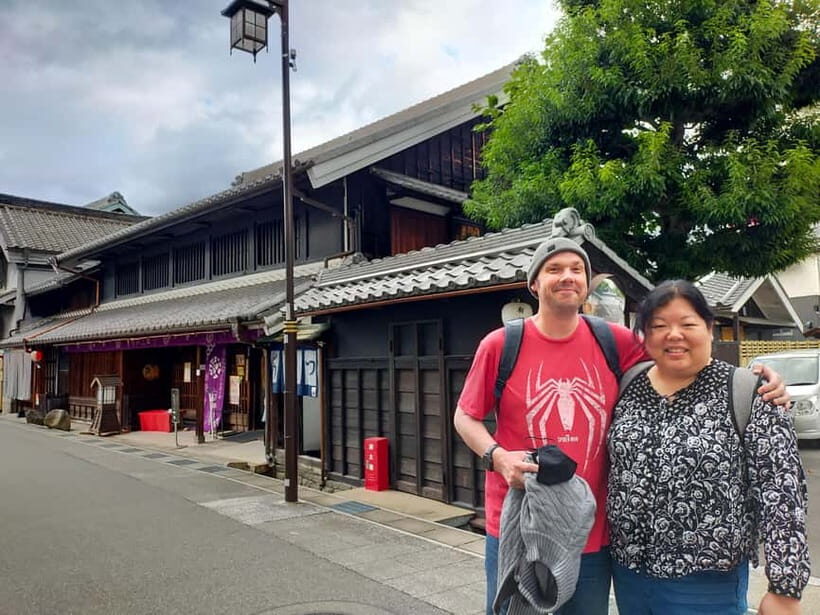
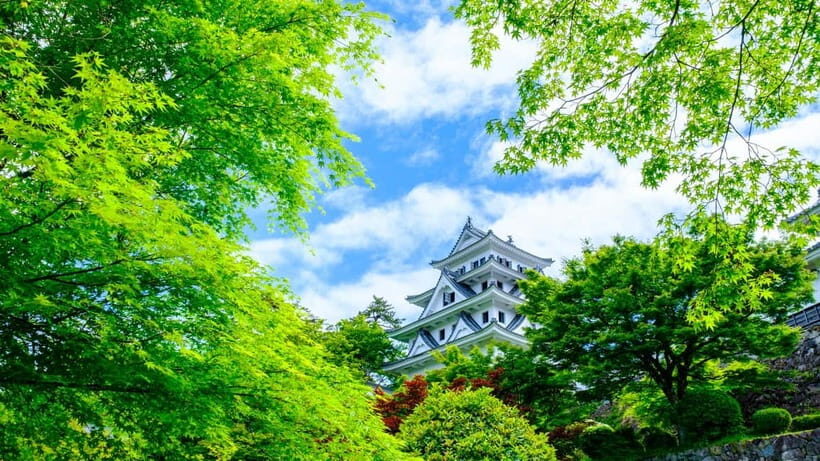
Your first stop is Gujo Hachiman in Gifu Prefecture, reached after another ~1.5 hour bus ride. This is the town where old streets still feel like the Edo era, and the big visual hook is the waterway that runs past the eaves of the old houses. It’s the kind of detail that makes photos look lived-in, not staged.
You get about 1 hour of free time here. That hour can be wonderful if you come with a simple plan: walk the main lanes, soak in the riverside view, then pick one or two areas to focus on. One guest pointed out that Gujo can feel rushed in winter, and that you often have to choose between seeing the castle area versus spending more time in the town itself. If Gujo is your priority, you’ll want to decide quickly once you’re there—because you can’t do everything in 60 minutes.
What I like about Gujo Hachiman on this kind of tour is that it gives you a taste of a slower Japan without demanding a full overnight stay. Even if you leave without covering every side street, you still get a strong sense of why this place earns its reputation for traditional atmosphere.
Practical tip: wear shoes you can trust on slopes and uneven pavement. Gujo’s charm is in the walking, and you’ll want your ankles to be happy.
Hida Takayama: Old Streets, Food Stops, and Craft Browsing
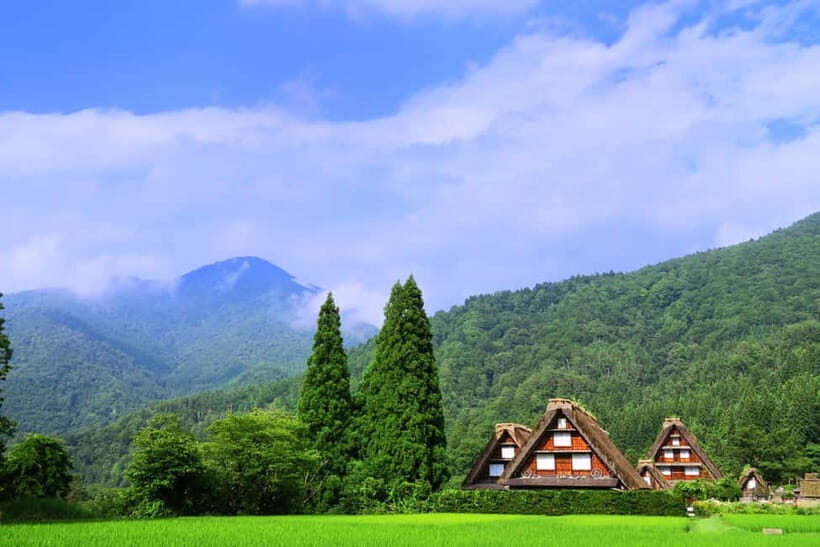
Next comes Hida Takayama, a classic castle-town setting that also leans heavily on Edo-period heritage. The bus ride to Takayama is about 1 hour, and once you arrive you get about 2 hours to explore.
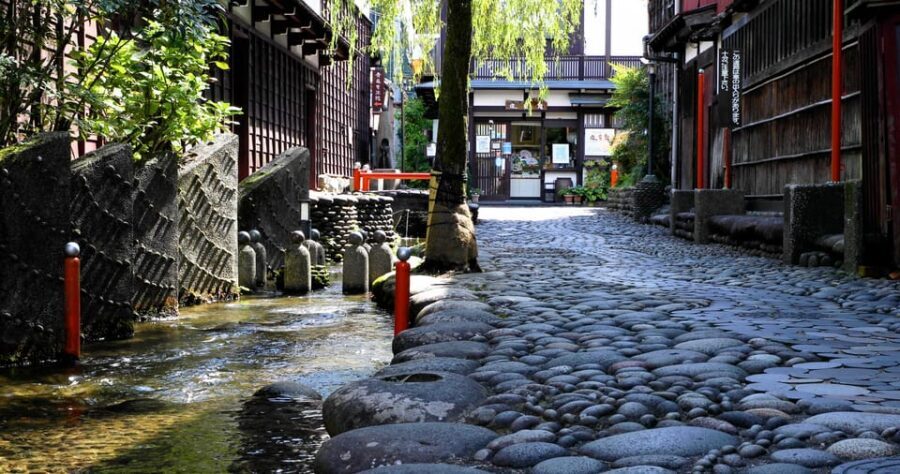
This is usually the stop where the day starts to feel fun in a more personal way. You’re walking through old streets with wooden homes, and the alleys are made for browsing. You can also treat it as your chance to handle lunch and shopping while the day is still manageable.
In reported experiences, guides such as Cici were praised for making specific recommendations for where to spend free time, while Wang was noted for being especially strong at explaining options and giving guidance on what to see and where to eat. Another important pattern from those comments: guides often keep the structure simple—walk with the group for key points, then let you choose your own path for snacks and shopping.
If you’re into hands-on culture, this is where Takayama tends to deliver. Think local craft shops, smaller boutiques, and candy shops—easy to enjoy even if your Japanese is basic. And if you’re traveling with someone who likes food as much as scenery, Takayama is the most comfortable compromise stop on a compressed day.
One small reality check: if your group is large, you’ll likely stick to meeting points and return times. That doesn’t ruin the experience. It just means you should treat Takayama as a guided-optional walk, not a free-roam city day.
UNESCO Gassho-Zukuri at Shirakawa-go and Gokayama: The Steep Roof Moment
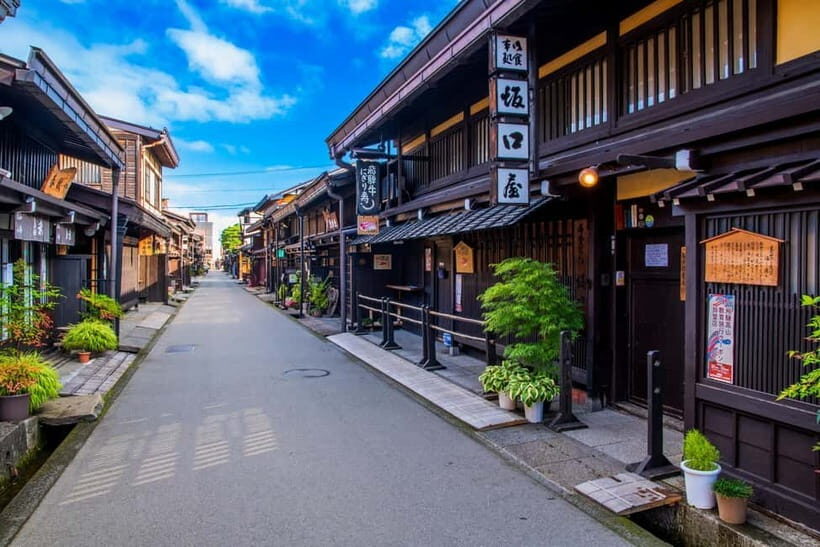
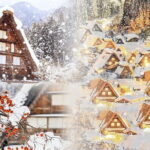
Then the highlight card hits: Shirakawa-go and Gokayama Gassho-zukuri, a UNESCO World Heritage area known for steep thatched-roof farmhouses. You’ll get about 1.5 hours at this final stop.
This is the architectural payoff of the whole day. When the mountains frame the village and the roofs dominate the skyline, the place doesn’t just look historic—it looks engineered for survival in heavy snow. The gassho-zukuri design is the point, and you’ll see why people remember this stop even years later.
That said, this is also where timing matters most. Winter can mean cooler temperatures, and one report explicitly flagged that it can get down to around 3°C. Pack for cold even if Nagoya feels mild that day.
Two more practical considerations that came up in guest comments:
- House entry often costs extra. One guest said it was about 300–400 yen per house.
- Meal options can close early. Another guest noted that last-chance hot food hours may land around 3:30–4:00 pm in colder seasons, depending on the day.
So if hot food matters to you, aim for it sooner rather than later once you arrive. And if your priority is the best gassho-zukuri views, don’t waste your first minutes searching for the perfect souvenir shop. Start walking toward the viewpoint lanes, then circle back for photos and treats.
Guide quality can make a big difference here. Several guests praised guides for giving clear directions and keeping people together on time. In one case, a guide named Wong was credited with being fluent across languages, which can help if you’re trying to catch the why behind what you’re seeing.
Also, one note to keep expectations realistic: in some reported departures, the tour used a microphone on the bus and the sound was described as echoing. If you’re sensitive to audio clarity, you may miss small details. The good news is that the village itself does most of the work visually.
The 11-Hour Reality: What One Long Bus Day Does to You
At 11 hours total, this is absolutely a day trip, not a laid-back outing. It feels longer because the schedule is structured. You’ll likely do:
- a morning departure from Nagoya,
- about three core sightseeing blocks,
- then a longer return.
Bus time adds up fast, even when the ride is comfortable. One guest even mentioned there was a USB-A charger on board, which is a nice small win for keeping your phone alive for photos.
From the reported experience pattern, the best way to enjoy this day is to think in priorities:
- Choose your must-see in each town.
- Use free time for the things that matter most to you.
- Don’t plan to see everything.
Some departures were described as tightly run, and you’ll be expected to return to the bus on time. If you’re the kind of person who likes wandering “just a little longer,” set a timer mentally for when you should start heading back.
One more thing: some guests pointed out there are no headphone devices, so you may not always hear the guide clearly during walking portions. That’s not a dealbreaker, but it’s a reminder to stay close if you want the explanations.




Price Value: Why $61 Can Be a Smart Deal Here
This tour costs $61 per person, and at first glance that looks almost too good for three historic stops. The value comes from what you don’t have to manage:
- transport across multiple towns,
- guide support (English and Japanese),
- and the coordination that normally takes extra time to arrange yourself.
If you tried to piece it together on your own, you’d likely pay for separate rides and deal with changing timetables—especially for the UNESCO portion, which can be harder to reach efficiently from Nagoya.
The best part is that the trip doesn’t feel like a checkbox tour. It’s more like a guided sampling: Gujo gives you the Edo-riverside mood, Takayama gives you food and old-town alley strolling, and Shirakawa-go/Gokayama gives you the architectural moment you came for.
Is it perfect value for everyone? Not if you want long stays. One guest wished there was more time in Gujo or Shirakawa-go and suggested Takayama deserved extra room. If you’re a slow walker or you hate deadlines, a day tour will always feel slightly rushed.
Who Should Book This Tour (and Who Should Skip It)
This is a great match if you:
- want a cost-effective way to see multiple heritage towns from Nagoya,
- like guided structure but still want some free time to wander,
- are comfortable moving at a steady pace for about 11 hours,
- and want the UNESCO gassho-zukuri experience without planning separate transport.
You might skip it if you:
- want deep, unhurried exploration in just one place,
- need lots of downtime between stops,
- or plan to focus on a very specific activity that requires extra time (like castle areas in Gujo, or house-entry exploring at Shirakawa-go).
Should You Book This Nagoya Day Tour?
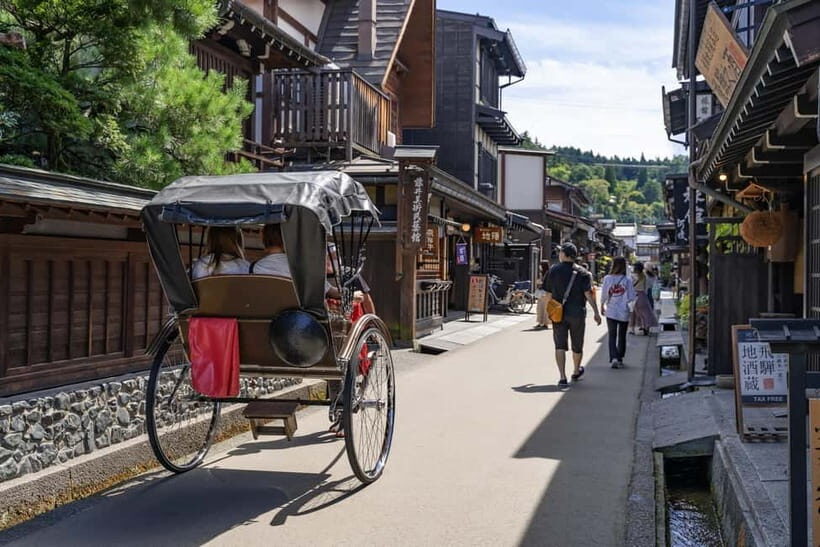
I’d book it if your goal is efficient cultural contrast: riverside Edo streets in Gujo, old-town alley life in Takayama, then steep-roof UNESCO architecture that looks straight out of a snow-season postcard.
If you do book, go in with two mindset tweaks:
- Treat free time as wander time, not everything time.
- Plan for cold and early food closing in the UNESCO area, and decide quickly whether you’ll pay for any house entry.
One final tip: when you’re meeting at 8:20 by the Nishi Koban police box with the blue flag, give yourself padding. Station construction and crowds can slow you down, and arriving calm makes the whole day smoother.
If you want a structured, affordable way to see three major heritage stops in one shot, this tour earns a solid yes.
FAQ
Where do I meet the tour in Nagoya?
Meet at 8:20 in front of the Nishi Koban police box at the Taiko Exit of Nagoya Station. The guide is holding a blue flag.
How long is the tour?
The total duration is 11 hours.
What’s included in the price?
It includes transportation by bus and an English and Japanese-speaking guide.
How much free time do you get at each stop?
You’ll have about 1 hour in Gujo, 2 hours in Hida Takayama, and 1.5 hours at Shirakawa-go / Gokayama Gassho-zukuri.
Which UNESCO site does the tour visit?
You visit Shirakawa-go and Gokayama Gassho-zukuri, a UNESCO World Heritage area known for gassho-zukuri steep thatched-roof farmhouses.
What language does the guide speak?
The tour includes a guide who speaks English and Japanese (and a driver who is listed as English/Japanese).
Can I cancel for a refund?
Yes. You can cancel up to 24 hours in advance for a full refund.
Is there a reserve now, pay later option?
Yes. You can reserve now & pay later, keeping travel plans flexible.