REVIEW · NAGOYA
Full-Day Kisoji Nakasendo Trail Tour from Nagoya
Book on Viator →Operated by Tourism Designers Co., Ltd. · Bookable on Viator
Nakasendo still feels like a time machine. This full-day Kisoji route takes you through the preserved post towns of Tsumago and Magome, then strings it together with story-led context from an English-speaking, government-licensed guide. You also get a practical transit plan built around getting you from Nagoya and back without messing with connections all day.
I love how this tour turns wandering into understanding. Magome is paced for sightseeing, and you also stop at the Nagisomachi Museum, a former inn tied to how feudal lords and high society lived and traveled.
One thing to plan for: the walking adds up. Expect a trail day with gradients, and a full-route walk can be around 7 km, so bring sturdy shoes and don’t assume this is an easy stroll.
In This Review
- Key highlights worth caring about
- Nakasendo from Nagoya: what makes this day trip work
- Getting started at Nagoya Station (8:40 am) and reaching the trail fast
- Magome-juku: stone streets, 600 meters of old-town charm, and museum context
- Odaki-Medaki Waterfalls on the Nakasendo: scenic walking with a clear payoff
- Tsumago-juku: the post town that feels preserved in time
- Back to Nagoya: keep the day calm instead of chaotic
- Why the guide quality is the real selling point
- Price and value: does $230.61 make sense for a full day?
- Who should book this tour (and who should choose differently)
- When to go and what to bring
- Should you book the Kisoji Nakasendo Trail Tour from Nagoya?
- FAQ
- FAQ
- How long is the Kisoji Nakasendo Trail tour from Nagoya?
- Where does the tour start and what time?
- How many people are in the group?
- Is the guide English-speaking?
- Does the tour include food?
- What transportation is included during the tour?
- Are there admission tickets included?
- How much walking is involved?
- What happens if weather is bad?
- Can I cancel and get my money back?
Key highlights worth caring about
- Government-licensed English guide who explains what you’re seeing at each stop
- Post-town feel in two places: Magome and Tsumago, with stone streets and old-style inns
- Nagisomachi Museum in a former inn that helps you picture who stayed there
- Odaki-Medaki Waterfalls segment with a scenic 3.3 km trail walk
- Small group size (max 7) for a calmer pace and easier Q&A
- All the big moves handled for you via train and bus, plus a return to Nagoya
Nakasendo from Nagoya: what makes this day trip work
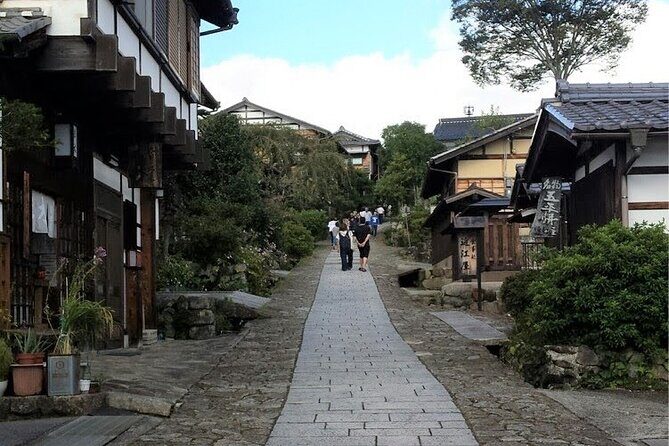
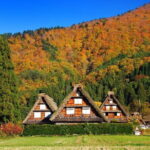
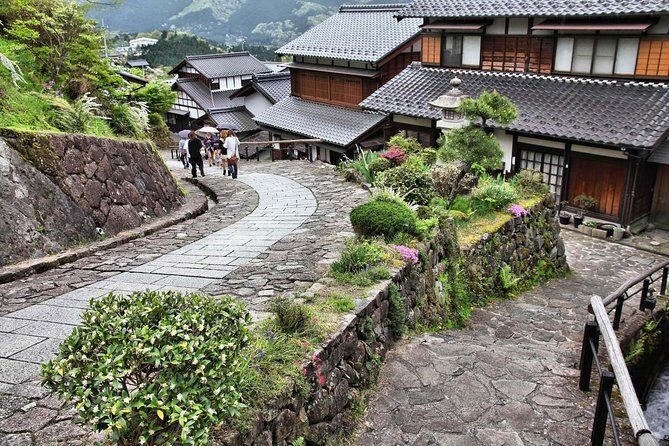
If you want that classic Nakasendo feeling, this is one of the cleanest ways to do it from Nagoya: you spend the bulk of the day between Magome-juku and Tsumago-juku, then let the guide stitch it together so it feels like more than just photos. The route is built around post towns that kept a lot of their old-road vibe—cobblestone-style paving, merchant facades, and traditional inn streets.
The real value is not speed. It’s pacing plus context. You’re not left wandering with a map and guesswork. Your guide helps you understand why these towns mattered along the historic Kisoji route, and what to notice as you walk.
The group stays small (up to 7), which matters on a trail day. You can ask questions without being shouted over, and the guide can keep people together when the route gets a little uneven.
A few more Nagoya tours and experiences worth a look



Getting started at Nagoya Station (8:40 am) and reaching the trail fast
The day begins at the Nagoya Station Tourist Information Center at 8:40 am. You’ll look for your interpreter guide holding a name board. That small detail helps more than you’d think—especially on a busy station morning.
From there, you take a train for about an hour to Nakatsugawa. The timing gives you enough transit buffer that you’re not sprinting to the platform. The schedule then shifts to a short bus ride to Magome (about 30 minutes). In practice, this keeps the early part of the day from feeling like pure commuting.
A note on logistics: transportation expenses to the meeting point aren’t included, so plan how you’ll get to Nagoya Station on your own. Once you’re at the meeting point, the tour handles the moving pieces.
Magome-juku: stone streets, 600 meters of old-town charm, and museum context
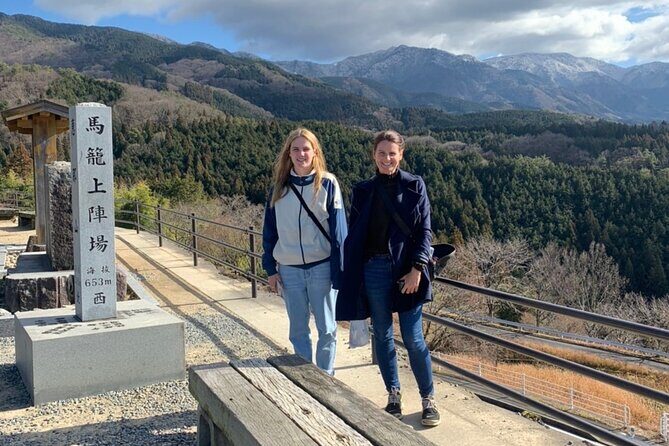
Magome is the first post town you fully experience. You’ll arrive at the Magome Tourist Information Center and then have around two hours to explore.
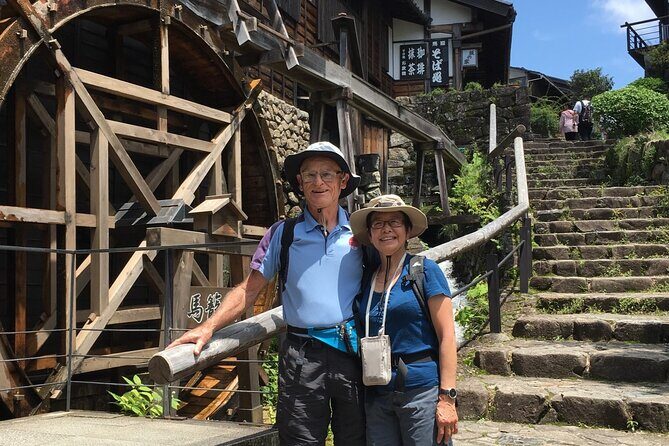
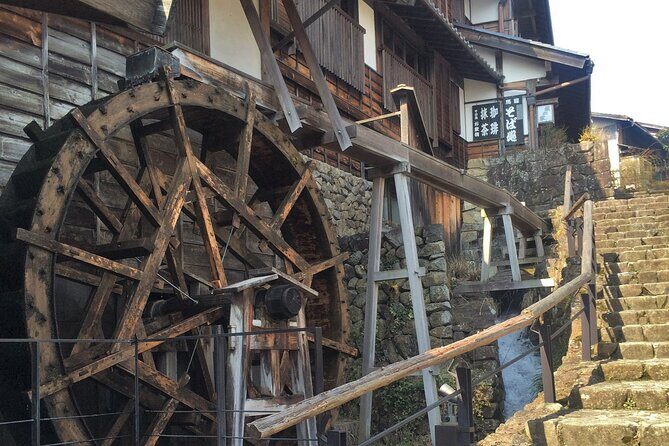
This town sits on a slope, stretching roughly 600 meters along the old road. The paving is stone, and the houses line the street in a way that makes it easy to imagine the daily rhythm of travel and trade.
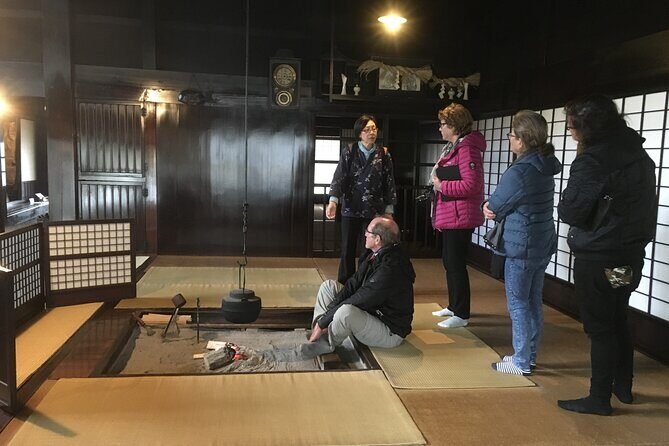
Here’s what I like about this part of the tour: Magome isn’t just a pretty walk. You’re given historical framing so the streets and building shapes make sense. You also get the Nagisomachi Museum, which is in a former inn building tied to how feudal lords and high society once stayed. That turns the museum stop into more than indoor time. It helps you connect what you see outside—inn architecture, travel culture, and the social side of lodging—to a real place.
Practical tip: wear shoes you can trust on uneven paving and slopes. Even if you’re comfortable walking, the old streets can be a little slippery or tiring if your soles are worn out.
Odaki-Medaki Waterfalls on the Nakasendo: scenic walking with a clear payoff
After Magome, the day shifts to the trail segment toward the waterfall area. You’ll walk approximately 3.3 km along the Nakasendo Trail. This portion is where the route feels most like the classic idea of Nakasendo—valley views, rural stretches, and a sense of movement between towns rather than a single location sightseeing day.
The best way to think about this segment is: plan for it to feel like hiking, not museum time. Even if the distance sounds manageable, the trail comes with real ground underfoot and changing elevation along the old route corridor.
One big advantage of having a guide here is decision-making. When you’re in a forested or valley setting, it’s easy to miss the historical reasons certain paths were chosen. Your guide helps you notice what matters, and you don’t have to stop every few minutes to interpret signs.
Weather matters for this section. If it’s slippery or wet, the trail can become slower. The tour is designed for good conditions, so aim for a day when you can walk comfortably and safely.
Tsumago-juku: the post town that feels preserved in time
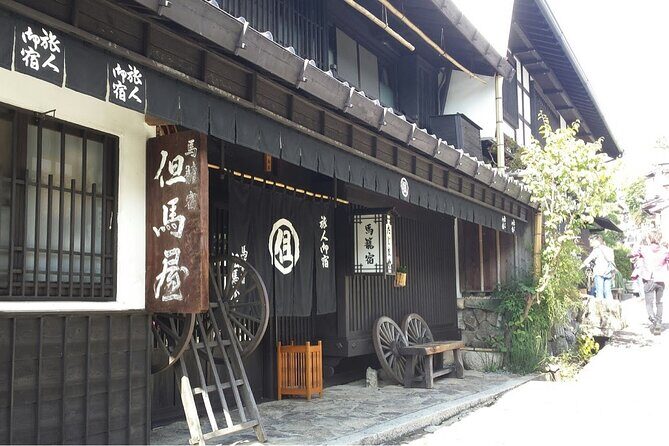
Next comes Nakasendo Tsumagojuku, where you’ll get about one hour to experience Tsumago. This is the part of the route that many people remember most: Tsumago is described as Japan’s first post town to preserve its district, with an atmosphere that can feel like you’ve stepped back roughly 400 years.
Even in one hour, there’s enough to notice: the street rhythm, traditional inn-town layout, and the way merchant spaces and old residential lines create a continuous “old road” feel. This is also where you’ll get that satisfying contrast with Magome. Both towns are preserved, but they don’t feel identical, and that difference helps you understand how each place shaped its travel identity.
Quick strategy: don’t treat Tsumago like a checklist. Walk slowly enough to look at details—doorways, signage style, and how the town’s slope affects the street. With a small group, you can do this without feeling rushed.




Back to Nagoya: keep the day calm instead of chaotic
After Tsumago, the tour returns you to Nagoya Station. The transfer is about 1 hour 30 minutes by train from Nagiso Station. That return time is a useful feature: you’re not stuck guessing how to get back or coordinating multiple transfers after a long walking day.
The tour ends back at the meeting point, so you don’t have to think about logistics when your energy is lower. That’s a big deal on a full-day itinerary.
Why the guide quality is the real selling point
This is the part I’d pay attention to before booking any Nakasendo tour: the guide changes the outcome. This trip is led by an English-speaking, government-licensed guide, and you can feel the difference when someone explains what you’re walking through instead of just announcing the next stop.
In particular, several guide names show up with consistently strong performance: Maki, Yama San, Yasuhiro, Makoto-san, and Takako Tsujimoto. The common thread is clear communication and a patient, structured approach to the story at each location.
That matters on a trail day because you’ll see a lot quickly unless the guide slows you down with context. Here, the guide helps you frame what you’re looking at in Magome’s old-town layout, then carries that understanding onto the trail and into Tsumago.
Price and value: does $230.61 make sense for a full day?
At $230.61 per person for a trip lasting about 8 hours 20 minutes, you’re paying for more than a scenic walk. You’re buying a packaged solution: English guide time, on-the-ground coordination, and the transport components that link Nagoya with the Kiso route towns.
The tour includes transportation expenses during the day and covers admissions linked to specific segments. Food and drink are not included, so you’ll want to plan where you’ll eat or how you’ll handle snacks.
To judge value, I look at how much mental energy the tour saves you. This one saves you the hassle of figuring out how to move between Nagoya, Nakatsugawa, Magome, and the return rail timing. It also saves you the “What am I supposed to notice here?” problem by giving interpretive guidance throughout.
Group size is also part of the value equation. With a maximum of 7 travelers, you’re less likely to feel like you’re being herded.
Who should book this tour (and who should choose differently)
This tour suits you best if you want:
- a day that feels like classic Japan without spending hours sorting trains and local transfers
- guided context along the route, especially around old post-town life
- a manageable group pace (small group size)
It’s less ideal if:
- you hate walking on uneven surfaces or you’re sensitive to slopes
- you want a long, slow countryside day with lots of stops that aren’t structured
The moderate fitness note matters. The full route is not a chair-and-camera experience. Even with transfers and timed stops, you should plan for a solid amount of walking.
When to go and what to bring
This experience requires good weather. If weather turns poor, the tour is designed to offer an alternative date or a full refund. So the best move is to choose a day when conditions look stable.
For what to bring, think practical:
- sturdy walking shoes for stone paving and trail ground
- layers for cool or warm mountain weather, since valley routes can feel different from the city
- water and small snacks, since food and drink aren’t included
If you tend to get cold easily near valleys, pack something that can handle a breeze on the trail segment.
Should you book the Kisoji Nakasendo Trail Tour from Nagoya?
Book it if you want a well-managed, English-led day that connects the story of the Nakasendo route to the actual streets of Magome and the preserved atmosphere of Tsumago. The best reason is the combination of small-group pace and a guide who can explain why this route matters.
Skip it or adjust expectations if you’re hoping for a low-walking sightseeing day. This is a proper trail-and-post-town day with slopes and a real walking component.
Also, I’d book early for the dates you care about. This tour is often reserved about 76 days in advance, so popular slots can fill up.
If you’re choosing between a self-guided plan and a guided one, this is one of those situations where a guide tends to pay off fast—because the difference between seeing old streets and understanding old streets is exactly what this tour is built to deliver.
FAQ
FAQ
How long is the Kisoji Nakasendo Trail tour from Nagoya?
The tour runs about 8 hours 20 minutes.
Where does the tour start and what time?
It starts at the Nagoya Station Tourist Information Center at 8:40 am.
How many people are in the group?
The tour has a maximum of 7 travelers.
Is the guide English-speaking?
Yes. You’ll have an English-speaking interpreter/guide, and the guide is government licensed.
Does the tour include food?
No. Food and drink are not included.
What transportation is included during the tour?
The tour includes transportation expenses during the experience, including transfers between the main route points (train and bus segments).
Are there admission tickets included?
Some segments include admission tickets, while others are free. For example, the tour includes admission for certain early stops, while later stops like Magome sightseeing and key village areas are listed as free.
How much walking is involved?
You’ll walk along the Nakasendo Trail for about 3.3 km, and the full walk can be around 7 km depending on how you handle the route.
What happens if weather is bad?
The tour requires good weather. If it’s canceled due to poor weather, you’ll be offered a different date or a full refund.
Can I cancel and get my money back?
No. The experience is non-refundable and cannot be changed for any reason.