REVIEW · NAGOYA
Nagoya: Full-day Kisoji Nakaendo Trail Tour
Book on GetYourGuide →Operated by Tourism Designers Co., Ltd. · Bookable on GetYourGuide
A train, a bus, and then a quiet footpath that feels like another time. This full-day Nakasendo hike lets you follow the Nakasendo Trail on the edge of Japan’s classic post-town world, with the comfort of a guide so navigation stays easy. You’ll cover about 3.3 kilometers while moving between Magome-juku and Tsumago-juku, both famous for traditional-town atmosphere.
I like that the plan is built around practical flow: train to Nakatsugawa, bus to Magome, a guided walking segment, then sightseeing on both sides of the trail. I also like that you get an English-speaking guide (and many reviews mention standout guides like Hiro, Yuki, or Hito). One more thing I really appreciate: you’ll be led by roads and timing that keep you from having to figure out every connection yourself.
The one drawback to keep in mind is physical: this isn’t a casual stroll. It includes an about 3.3-kilometer walk (about 1 hour) and it’s not listed as suitable for low fitness, wheelchair users, or people who are dealing with a cold.
In This Review
- Key highlights worth planning for
- Nagoya to Nakatsugawa: the comfortable start of a long day
- Magome-juku: your first taste of traditional post-town life
- The bus to Odarudaki: how the tour sets you up for the trail
- Nakasendo Trail walk: samurai-era roads without the navigation stress
- Tsumago-juku: second post town, second chance to slow down
- Getting back to Nagoya: the part that keeps the day from dragging
- Price and what you’re really paying for (at $225 per person)
- Who this tour suits (and who should skip it)
- Practical tips to make the day smoother
- FAQ
- FAQ
- Where is the meeting point in Nagoya?
- What train do you take from Nagoya?
- How long is the Nakasendo Trail walk?
- Is lunch included in the tour fee?
- Are transportation costs during the tour included?
- How do you get from Magome-juku to the start of the trail?
- What is the tour duration?
- Is the tour wheelchair-friendly?
- Should you book the Nagoya: Full-day Kisoji Nakaendo Trail Tour?
Key highlights worth planning for
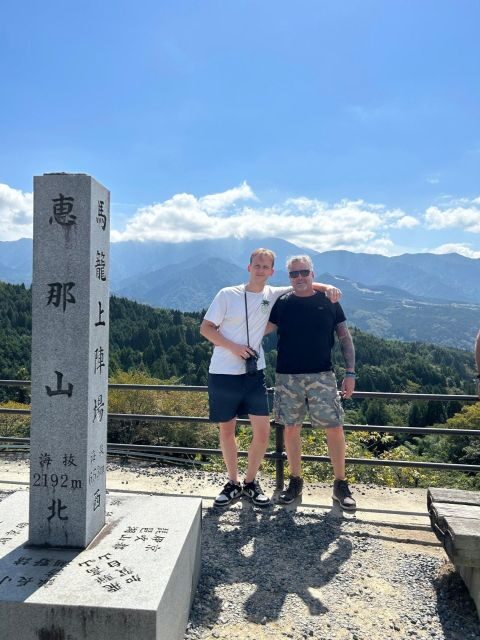
- Magome-juku to Tsumago-juku: two well-known post towns, with guided sightseeing and time to wander
- About 3.3 km of Nakasendo: walk a classic section without worrying about getting lost
- Samurai-era roads: you’ll follow routes once used for travel and communications centuries ago
- Smooth transport support: limited express train plus route buses handled as part of the day plan
- Traditional-building preservation area vibes: you’ll see why these towns draw repeat visitors year after year
- Guides praised for friendliness and care: reviews name guides like Hiro, Yuki, and Hito for making the day feel special
Nagoya to Nakatsugawa: the comfortable start of a long day
You meet at the Nagoya Station Tourist Information Center, in the main hallway that connects the station’s big exits. The guide waits in front holding a welcome board with your name, which makes the first 2 minutes stress-free even if Nagoya feels like a maze when you’re tired.
The ride begins with the limited express Wide View Shinano to Nakatsugawa. It’s a solid move because it gets you out of Nagoya efficiently, while you can still sit back and re-center before the walking day starts. The schedule gives you a 50-minute train segment, then a public-transport transfer before you’re in position for the next leg.
One small but important point: the tour covers transportation expenses during the day, but not your travel to the meeting point. So factor in how you’ll get to Nagoya Station Tourist Information Center before 8:40.
A few more Nagoya tours and experiences worth a look



Magome-juku: your first taste of traditional post-town life
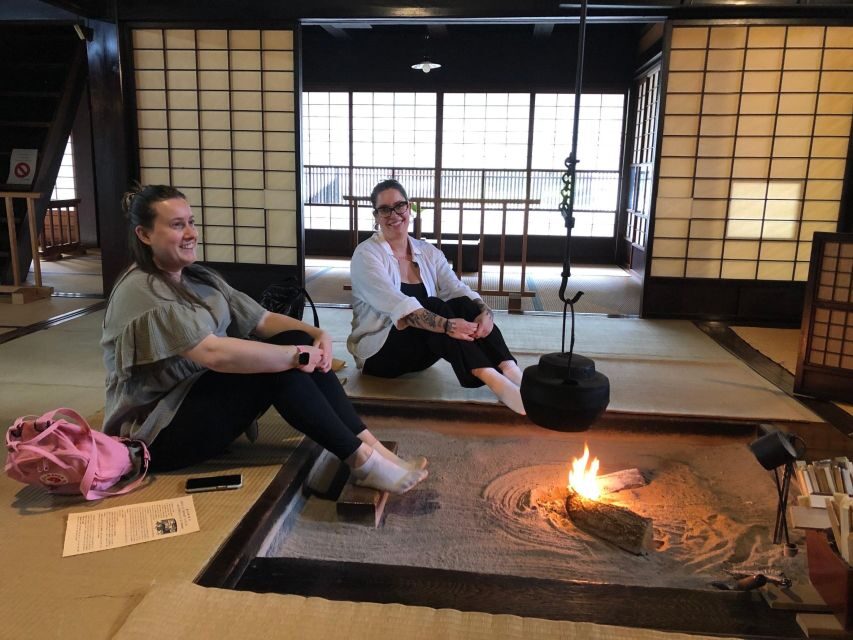
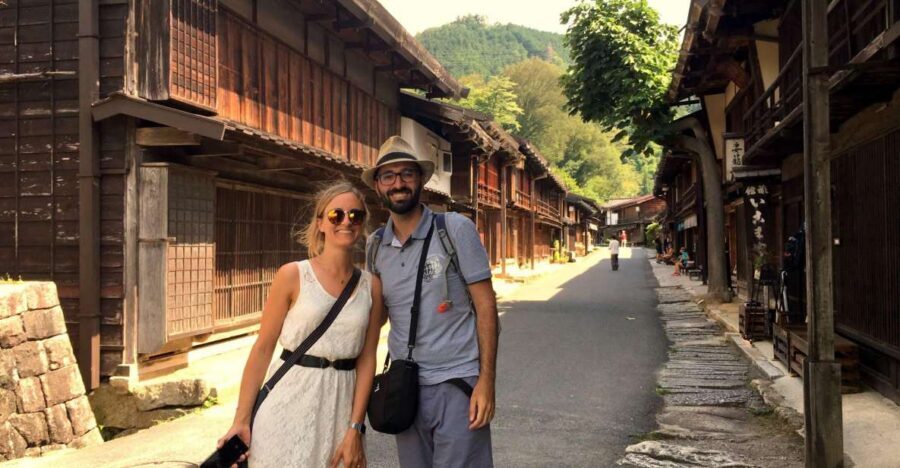
After arriving at Nakatsugawa, you take a route bus (non-reserved) to Magome-juku. This is where the tour starts to feel like more than just a hike. Magome isn’t presented as a museum stop; you’re given time for sightseeing and lunch, plus the guide adds the historical context that helps the place make sense.
You’ll get roughly 1.5 hours in Magome-juku for sightseeing and lunch. Lunch is not included, so this is your chance to try local food at your own pace. The good news: the tour keeps you on a timetable, so you’re not stuck hunting for a place to eat at the last minute.
A big value here is that Magome is described as being within one of Japan’s first Preservation Districts for Groups of Traditional Buildings—the kind of designation that usually means more original streetscape than you’d find in a generic tourist area. Even if you’re not a serious architecture nerd, you’ll feel it in the way the town looks and moves: narrow streets, traditional storefront rhythms, and a calmer pace than big-city sightseeing.
Practical consideration: bring cash, because meals and small purchases in these towns often run easier with yen in hand.
The bus to Odarudaki: how the tour sets you up for the trail
Once your Magome time is done, the plan shifts to the walking setup. You take a route bus to the Odarudaki bus stop, which is the jump-off point for the Nakasendo walk segment.
This part matters more than it sounds. Instead of having you guess which transfer gets you closest to the trail, the tour handles the key connection. That’s the difference between spending your energy enjoying the hike and spending your energy solving transit.
Then comes the main act: the trail walk begins in the early afternoon window. Timing is built so you arrive at Tsumago-juku before the day runs away from you. If you’re tempted to skip the itinerary “just to go at your own pace,” keep in mind that the bus and train connections are part of the value you’re paying for.
Nakasendo Trail walk: samurai-era roads without the navigation stress
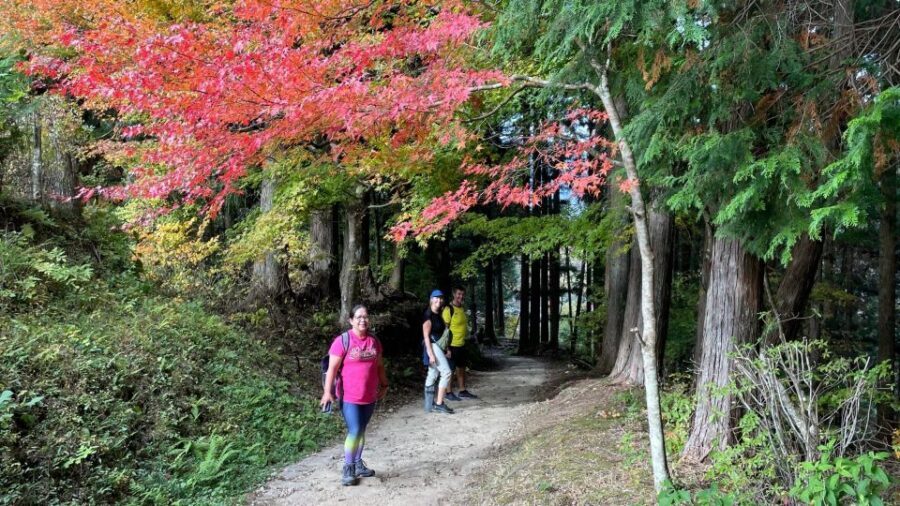
Now you get the hike itself: about 3.3 kilometers, roughly 1 hour on the Nakasendo Trail. The tour frames this as following routes once used by travelers, including samurai-era movement patterns from centuries ago. Even though you’re not reenacting history, the route selection is the point: you’re walking on a segment designed to feel like you’ve stepped onto an older travel corridor.
The guide-led approach is the biggest quality-of-life win. You don’t have to download maps, worry about missing a turn, or second-guess whether the “next path” is the right one. The tour leads you along roads once tread by samurai, so the day stays calm and focused on the walk.
What does “relaxing” mean here in real life? It means the pacing is built for strolling, not training. You’ll likely spend more time looking around and soaking in the rural atmosphere than checking your watch. Still, the walk distance is not long, but it’s not zero either. Comfortable shoes matter, especially if the ground is uneven.
Also, there’s an intentional “phone down” vibe suggested by the tour framing: put your mobile phone away for a bit. I like this idea because it turns the walk into an experience instead of a photo session. You can still take pictures during stops, but the best part of the trail is often the quiet rhythm of being present.
Tsumago-juku: second post town, second chance to slow down
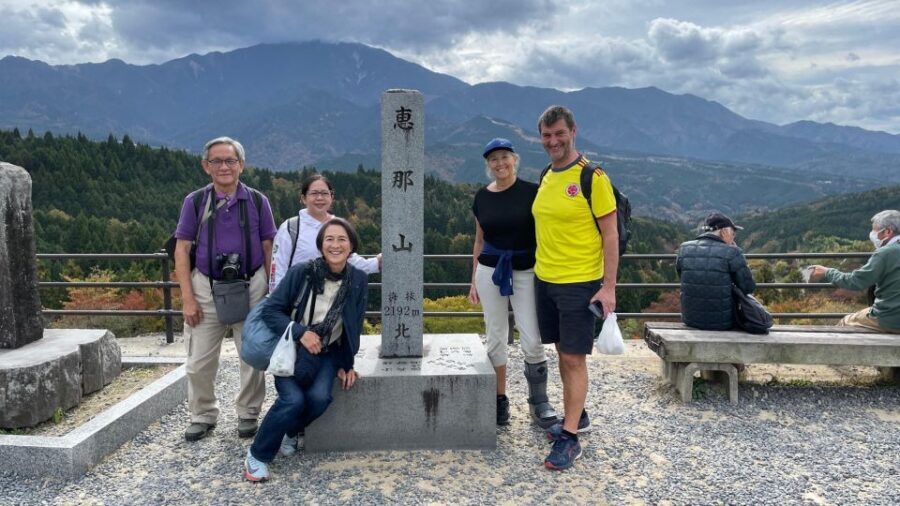
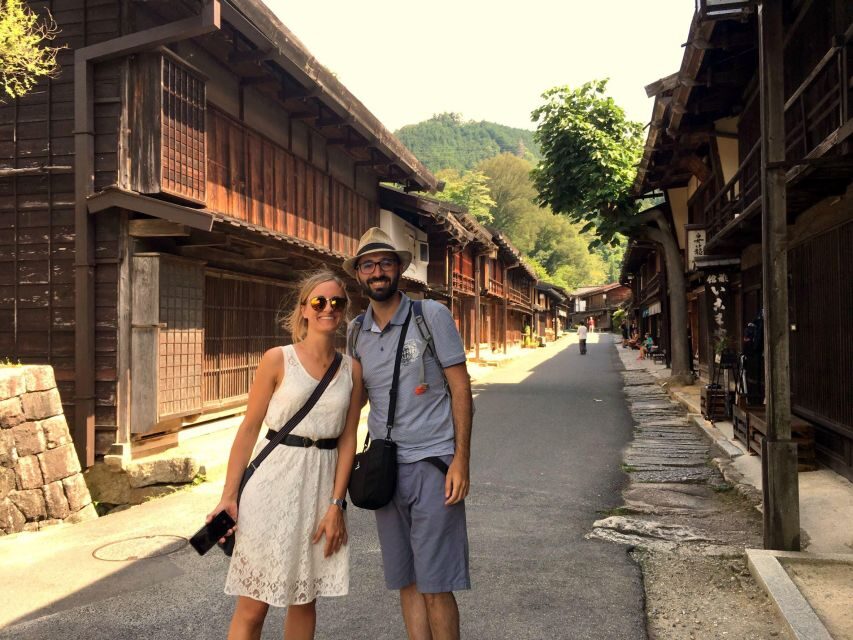
At the end of the walk, you arrive at Tsumago-juku. You get about 1.5 hours for sightseeing, with the guide helping you connect what you’re seeing to the broader post-town story.
This stop is valuable for a simple reason: seeing one post town is nice, but seeing two gives the day balance. You can compare how the streets feel, how buildings line up, and how the atmosphere shifts town to town—even though both are part of the same historic corridor.
Like Magome, Tsumago is a place where the traditional setting is the draw. You’re not only passing through; you’re given time to wander. The guide context also helps you interpret details you might otherwise miss, such as why these towns are preserved and how the travel route shaped everyday life.
One small drawback: because you arrive after the walk, you’ll have some afternoon energy management to do. If you tend to get hungry or restless after walking, plan to take breaks when you can. The guided structure keeps things moving, but it’s still your job to hydrate and wear the right socks and shoes.




Getting back to Nagoya: the part that keeps the day from dragging
After sightseeing in Tsumago, you head to Nagiso station. The tour uses either a route bus or a taxi, depending on the connection, and then you take the limited express Wide View Shinano back to Nagoya.
You’re back at Nagoya Station by around 17:10, which is a big deal if your schedule is tight or you still want dinner plans later. A full-day itinerary can feel exhausting, but the return logistics are handled in a way that doesn’t dump you into the city transit chaos alone.
I also like that the tour ends near the same major landmark area you started from: the Nagoya Station Tourist Information Center zone. It makes it easier to regroup, pick up your stuff, and plan your next step without another “Where do I go now?” scramble.
Price and what you’re really paying for (at $225 per person)
The price is $225 per person for an 8-hour day. That number can look steep if you’re thinking only about the walking distance. But the value is tied to what’s included and what’s not.
What’s included:
- Transportation during the tour (the train and buses while you’re on the plan)
- An English-speaking guide
What’s not included:
- Your transport to the meeting point
- Food & drink (lunch in Magome is on your own)
So you’re paying for convenience, pacing, and someone managing the practical steps so you spend your day walking instead of troubleshooting. For many people, the biggest hidden cost of doing this independently is time: figuring out connections between Nagoya, Nakatsugawa, Magome, the trail start, and then the return. This tour compresses all of that into one smoother schedule.
Also, you’re getting guidance where it counts: history and interpretation during sightseeing and the trail segment. Reviews specifically highlight how guides like Hiro and Yuki made the day feel special and helped people learn more than they expected, and how Hito was helpful with organization around the hike. That kind of “someone keeps the day running and explains what matters” isn’t free, even in Japan.
Who this tour suits (and who should skip it)
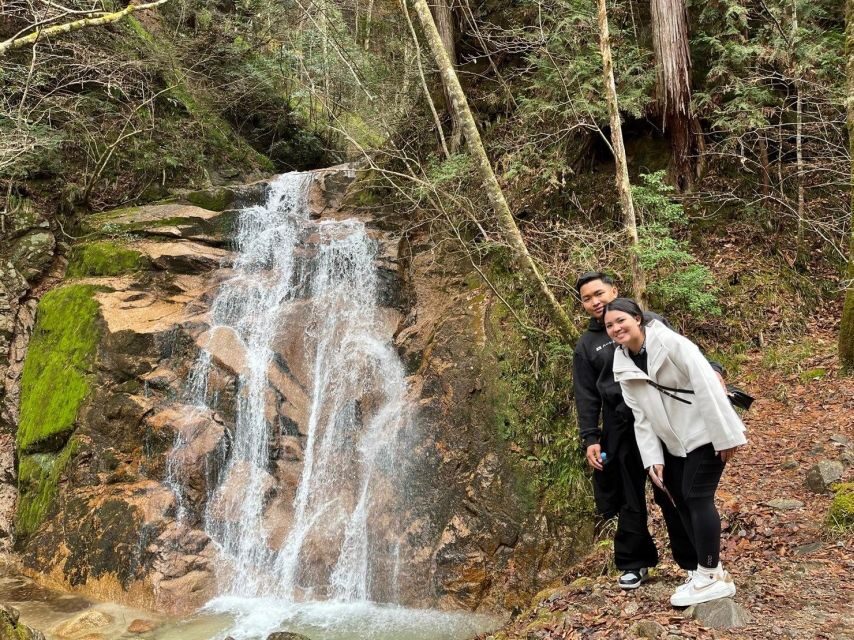
This is best for you if you want a guided day hike with real context, but without a self-planned transit puzzle. It’s a good fit if you like traditional rural atmosphere, enjoy the feel of old post towns, and want your trail time to be straightforward and guided.
It’s not for you if:
- You’re wheelchair-dependent (explicitly not suitable)
- You’re pregnant
- You have low fitness or don’t feel comfortable with an hour of walking
- You’re currently dealing with a cold (the tour notes this directly)
If you’re on the fence because of stamina, focus on the practical reality: you’ll spend part of the day seated on trains/buses, but you’ll also walk about 3.3 km. If you’re someone who can handle a steady walk and you wear the right shoes, you’ll likely find it doable. If you’re unsure, err on the side of caution.
Practical tips to make the day smoother
Here’s how to pack smart for this exact format.
Wear comfortable shoes. You’re walking on a trail segment, and even if it’s only about an hour, you’ll want comfort from the start. Don’t plan to break in brand-new sneakers.
Bring comfortable clothes for walking and changing temperatures. The tour is an 8-hour day, so you’ll want layers you can adjust.
Bring cash. Lunch in Magome isn’t included, and small expenses are usually easier with yen on hand.
One more advice I’d give: treat your phone like a tool, not a companion. The tour itself encourages you to put your mobile away for a bit. If you do that, you’ll remember the trail more clearly than you do from quick photo scrolls.
FAQ
FAQ
Where is the meeting point in Nagoya?
You meet at the Nagoya Station Tourist Information Center, inside a large hallway with shops that connects the two main exits. The guide waits in front holding a welcome board with your name.
What train do you take from Nagoya?
You take the limited express Wide View Shinano from Nagoya to Nakatsugawa, and then back again from Nagiso station to Nagoya.
How long is the Nakasendo Trail walk?
The trail walk is about 3.3 kilometers and takes about 1 hour.
Is lunch included in the tour fee?
No. Lunch at Magome-juku is sightseeing time, but lunch is not included in the tour price.
Are transportation costs during the tour included?
Yes. The tour includes transportation expenses during the day (the train and route bus/taxi connections as part of the plan).
How do you get from Magome-juku to the start of the trail?
You take a route bus to Odarudaki bus stop, which is used as the trail walk start.
What is the tour duration?
The full tour runs for about 8 hours.
Is the tour wheelchair-friendly?
No. The activity is not suitable for wheelchair users.
Should you book the Nagoya: Full-day Kisoji Nakaendo Trail Tour?
If you want an easy-to-follow, guided day that puts you on the Nakasendo Trail without the stress of planning every transfer, I think this is a smart buy. The best part is the structure: train and buses are handled, you get time in Magome-juku and Tsumago-juku, and the walk is guided so you can focus on the rural atmosphere.
I’d only skip it if you know you can’t comfortably handle an hour of walking, or if you’re dealing with illness or mobility limits noted by the tour. Otherwise, $225 makes more sense when you factor in guide support plus the transport plan that keeps the day flowing from Nagoya to the trail and back by late afternoon.