REVIEW · NAGOYA
Guided Half-day Tour(AM) to Nagoya Castle & Toyota Commemorative Museum
Book on Viator →Operated by Tourism Designers Co., Ltd. · Bookable on Viator
Samurai stories meet real craft in Nagoya. I like the tight half-day flow (about 4 hours) that still gives you time to actually look, and I really like that you get a guide’s context, including samurai-era storytelling with Yama-san showing how everything connects. The one thing to keep in mind is that there’s a fair amount of walking, so comfortable shoes matter.
This tour pairs two places that could feel totally different—an Edo-period castle and an industrial heritage museum—but your guide keeps the thread. You’ll spend about an hour and a half at each stop, with admission included, then return back to the start at Nagoya Station. If you hate schedules or you’re short on mobility, the pacing might feel a bit quick.
In This Review
- Key things that make this tour worth it
- Why Nagoya Castle and the Toyota Museum fit together
- The morning plan: start near Nagoya Station, back again
- Nagoya Castle: Edo-era power, plus the atmosphere of Hommaru Palace
- The fun factor: ninja and samurai show timing (when available)
- Toyota Commemorative Museum: Monozukuri through an old factory building
- The guide makes the morning feel personal (and why Yama-san is a big deal)
- Price and value: is $117.06 a good deal for 4 hours?
- Who this tour is best for (and who should think twice)
- A few smart tips to get the most from your morning
- Should you book this Nagoya Castle and Toyota Museum tour?
- FAQ
- How long is the Nagoya Castle and Toyota Museum guided half-day tour?
- What’s included in the tour price?
- Where does the tour start and end?
- How big is the group?
- Do I need to print tickets?
- What if plans change and I need to cancel?
Key things that make this tour worth it
- Small group (max 8) means questions are easy and the pace stays human
- Two admissions included (castle and Toyota museum) saves you time and stress
- Samurai + Monozukuri theme connects history and “how things get made”
- Professional guide (Yama-san in past tours) adds story, not just facts
- Transportation to and from attractions makes a morning plan simpler
- Mobile ticket helps you move faster once you’re on site
Why Nagoya Castle and the Toyota Museum fit together
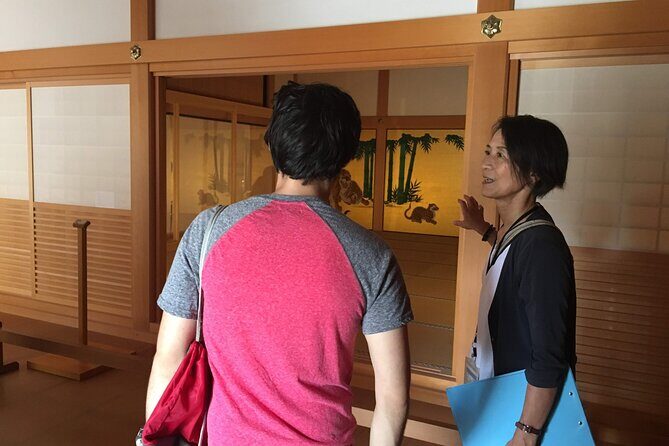
I love tours that don’t feel like separate checklists. This one works because it treats Nagoya like a single story: power, survival, and identity—then craftsmanship and technology.
At Nagoya Castle, you’re looking at a symbol of rule and the kind of discipline that held a society together. At the Toyota Commemorative Museum, you see the other side of identity: how people built, improved, and produced through changing eras. That pairing makes the morning feel satisfying, not random.
Also, the small-group size helps. With up to 8 people, you’re not stuck listening from the back while your guide talks to the floor.
You can also read our reviews of more guided tours in Nagoya

The morning plan: start near Nagoya Station, back again
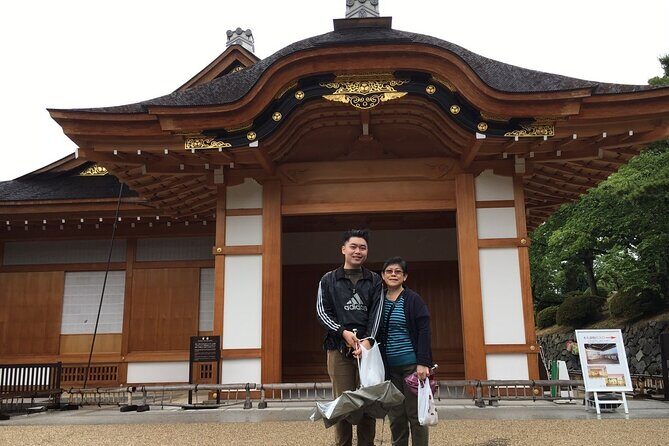
Your tour starts at 9:00 am at the Nagoya Station Tourist Information Center (1-chōme-1-4 Meieki, Nakamura Ward). It ends back at the meeting point, so you don’t have to re-plan transportation after the tour. For a half-day experience, that “back where you started” setup is genuinely convenient.
The tour includes transportation to and from the attractions. That matters more than you might think in Nagoya, because it keeps your time focused on the two main sites instead of transit logistics.
One more practical note: the tour can involve fair amount of walking. Even though each stop is only about 90 minutes, you’ll still move between key areas and viewpoints.
Nagoya Castle: Edo-era power, plus the atmosphere of Hommaru Palace
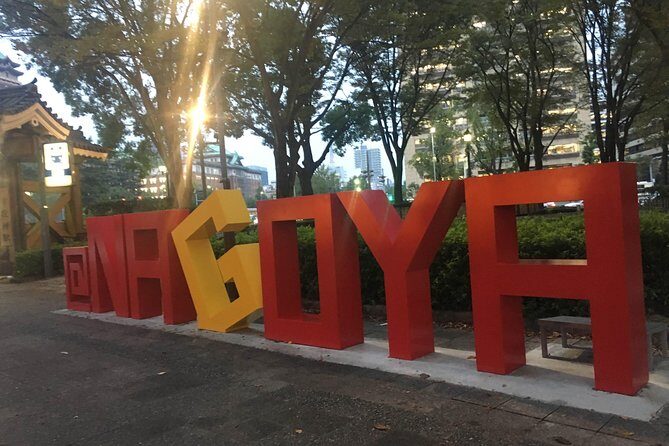
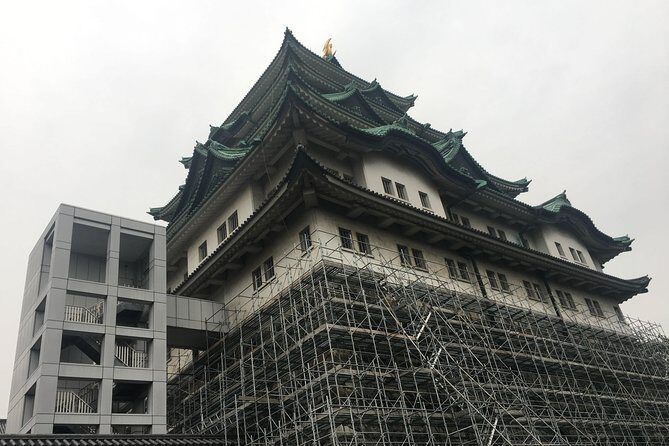
Nagoya Castle is the first big stop, and it’s timed for a real visit: about 1 hour 30 minutes with your admission included.
The basics matter here. The castle was built in 1610 by Tokugawa Ieyasu. He’s not just a background name—he’s the samurai who completed the unification of the country and became the first shogun of the Edo government, which lasted 260 years. Your guide’s job is to help you see why that long stability mattered, not just to recite dates.
What you’ll likely notice when you’re on the grounds is how the castle functions as a stage. It’s designed for sightlines and presence. And because your itinerary includes the Hommaru Palace area from the Edo period, you’re not only looking at exterior views—you’re getting a sense of how the space was meant to project authority.
A smart way to handle this stop: don’t sprint through. Give yourself time to look outward from the castle areas and then re-center on what you’re standing near. The best part of a guided castle visit is how the story turns stone and layout into something understandable.
Possible drawback: if you’re expecting a hands-on experience, this is mostly visual and interpretive. You’ll get the context from your guide, but it’s not a workshop-style museum.
The fun factor: ninja and samurai show timing (when available)
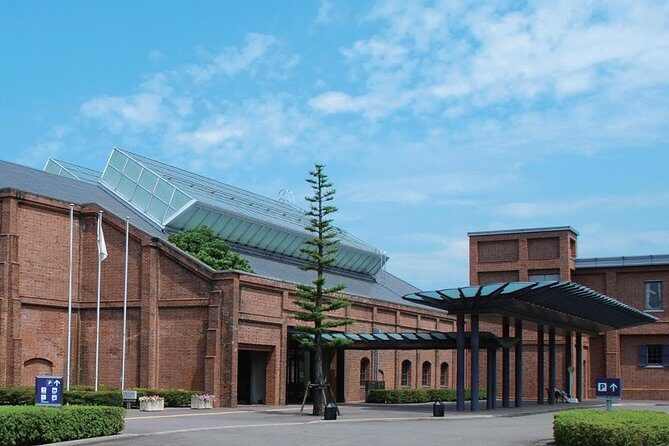
One of the nicest surprises from past participants is that the outing can include a Ninja and Samurai show. The schedule isn’t stated as guaranteed, so I’d treat it as a “if it’s on” bonus rather than a promise.
Still, it’s a good reminder of what makes a guided morning plan valuable: your guide can keep you on track and point you to the moments that add energy to a site that might otherwise feel purely historical.
If you want maximum fun, arrive ready to be flexible. For example, if a demonstration is running, you’ll get more from adjusting your viewpoint and timing than trying to stick to your own route.
Toyota Commemorative Museum: Monozukuri through an old factory building
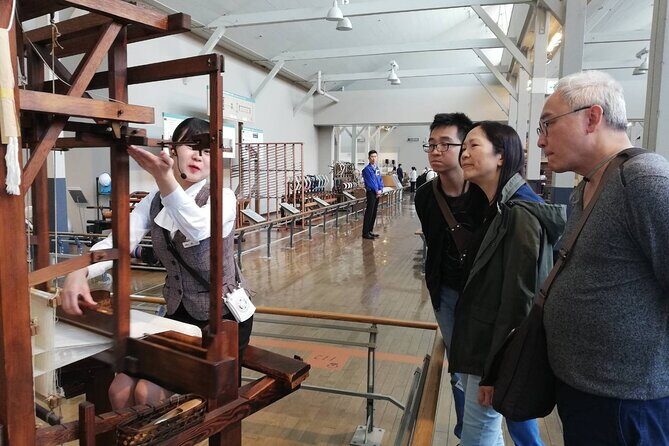
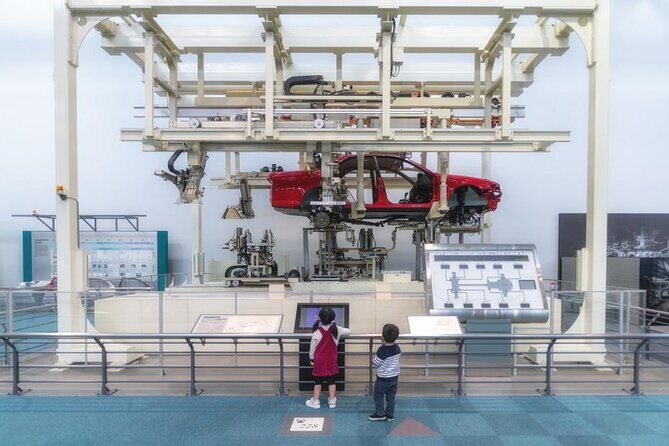
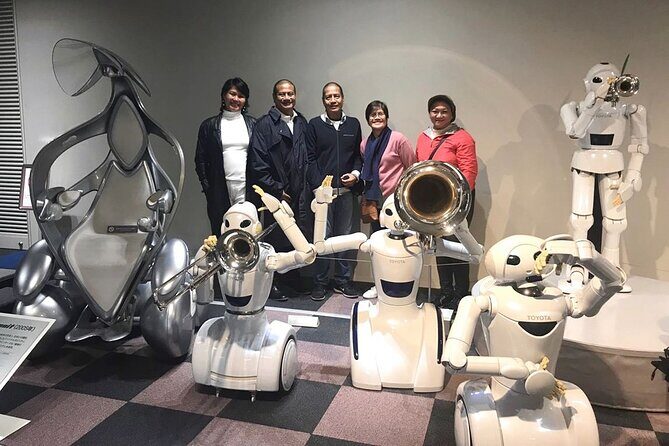
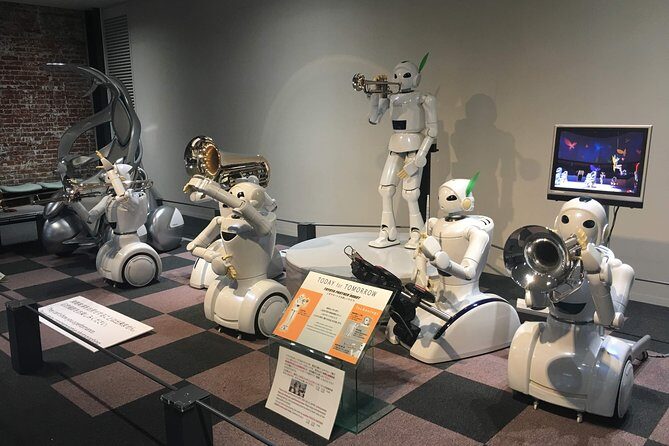
The second stop is the Toyota Commemorative Museum of Industry and Technology, also with about 1 hour 30 minutes and admission included.
This museum is built around industrial heritage, not just product display. It was established by the Toyota group, and it preserves and uses a factory building from the Taisho era (1912–1926). That building remains part of the birthplace story of the Toyota group.
What I like about this stop is that it reframes “history” as process. You’re looking at the idea of Monozukuri, which you’ll hear explained as craftsmanship and making things the right way. It’s a theme that connects to the earlier castle story more than you’d expect. A society that lasts needs skills, production, and continuous improvement.
You’ll likely walk away thinking about manufacturing differently. Instead of seeing cars or tech as finished objects, you start viewing them as outcomes of training, iteration, and culture.
Possible drawback: if your main interest is strictly samurai history, you may have to lean into the craft angle. The museum isn’t trying to be a sword museum. It’s about engineering heritage and how working life shaped the city’s identity.
You can also read our reviews of more museum experiences in Nagoya


The guide makes the morning feel personal (and why Yama-san is a big deal)
This is the kind of tour where the guide’s voice changes your experience. The structure is simple—two locations, timeboxed into a half day—but the stories are what turn it into something memorable.
In past tours, Yama-san has stood out for being not only informative but also warm and helpful. People specifically noted how he knows a lot and how kind he is, including help with photos. That last part matters: when you’re trying to capture a castle viewpoint or frame the right angle inside a museum setting, having someone who’s ready to assist saves you awkward time.
You’ll also benefit from a guide’s “why this matters” explanations. Instead of you guessing why a palace layout or a factory-era building is important, you get a guided interpretation that ties it back to the samurai legacy and Monozukuri tradition.
And because the group is capped at 8 travelers, the guide can pace things around the group. It’s not one of those tours where you’re corralled through and told to look at the same wall as everyone else.
Price and value: is $117.06 a good deal for 4 hours?
At $117.06 per person for about 4 hours, this isn’t the cheapest way to see Nagoya. But when I look at value, I focus on what you get without extra hassle.
Here’s the value math that matters for you:
- Two admissions are included, one at the castle and one at the Toyota museum.
- A professional guide handles context, timing, and movement between sites.
- Transportation to and from attractions is included.
- The group size is small, which usually means fewer headaches and better attention.
You’re essentially buying a guided “morning plan” that removes the guesswork. If you’d otherwise spend time figuring out routes, ticketing, and what to focus on at each stop, the guided package starts to make sense quickly.
One more value signal: it’s typically booked about 113 days in advance on average, so popular times can fill. If you want a spot, planning ahead is smart rather than waiting until the last minute.
Who this tour is best for (and who should think twice)
This tour is a strong match if you want:
- A guided introduction to Nagoya that connects samurai legacy with Monozukuri
- A small-group experience where you can ask questions
- A compact morning plan that still includes two major sights and their context
You might think twice if:
- You hate walking and you’re not comfortable with a “fair amount” of foot time
- You only care about one theme (like samurai swords only), because the museum portion is a real part of the experience
- You prefer unguided, slow wandering where you can stay wherever you feel like it
That said, even if you’re new to Japanese history, the pacing and storytelling are built for accessibility. The tour notes say most people can participate, which usually means the overall physical demands are manageable for typical visitors—just don’t wear sneakers with zero support and call it a day.
A few smart tips to get the most from your morning
These are the small choices that make a guided tour smoother.
- Wear comfortable shoes. You’ll be walking a fair amount across the day’s two sites.
- Bring a camera mindset. If your guide helps with photos (as Yama-san has for past groups), take advantage of that while you’re there instead of trying to solve angles alone.
- Be ready to switch pace. If timing lines up for a show or demonstration, don’t treat your day like a rigid timeline.
Also, if you’re sensitive to changes: some national holidays can affect attraction closures, and substitutions may be made. That’s not a deal-breaker, but it’s good to know you might see an adjusted set of stops.
Should you book this Nagoya Castle and Toyota Museum tour?
I think you should book it if you want a morning in Nagoya that feels curated without being overly packaged. The biggest win is the theme connection: samurai-era identity at Nagoya Castle, then the craftsmanship mindset at the Toyota Commemorative Museum. With a small group and a guide like Yama-san, it’s the kind of tour where you leave with clearer context, not just photos.
You might skip it if you prefer total self-direction, or if you strongly dislike walking and structured time slots. But if you like practical guidance and you want to understand why these two places belong together, this half-day plan is a solid way to spend your time.
FAQ
How long is the Nagoya Castle and Toyota Museum guided half-day tour?
It runs for about 4 hours total.
What’s included in the tour price?
A professional guide and transportation to and from the attractions are included, and admission tickets are included for both Nagoya Castle and the Toyota Commemorative Museum.
Where does the tour start and end?
You meet at the Nagoya Station Tourist Information Center (1-chōme-1-4 Meieki, Nakamura Ward) at 9:00 am, and the tour ends back at that same meeting point.
How big is the group?
The tour has a maximum group size of 8 travelers.
Do I need to print tickets?
No. You’ll receive a mobile ticket.
What if plans change and I need to cancel?
You can cancel up to 6 days before the experience for a full refund. Canceling 2–6 days before gives a 50% refund, and canceling less than 2 days before is not refundable.