REVIEW · TOKYO
Unique Afternoon Live Sumo training tour in Tokyo
Book on Viator →Operated by NexSpark Co., Ltd. · Bookable on Viator
Sumo practice is loud and real. This small-group visit to Nakamura-beya Sumo Stable lets you see pro wrestlers in sumo keiko training up close, not in a polished, scripted way. I especially loved the intensity when the warm-ups turn into full-power drills right in front of me, and I also liked that you go home with a photo souvenir with the wrestlers.
One thing to consider: the first part can feel slow. Those opening 20–30 minutes are mostly warm-up and preparation, before the action gets sharp and exciting.
In This Review
- Key highlights worth your attention
- Entering Nakamura-beya Sumo Stable: What Makes This Keiko Session Different
- Price and What $137.71 Buys You in Real Value
- Ryogoku Meeting Point: Getting There Without a Hassle
- The 1.5-Hour Plan: Warm-Ups First, Then Real Intensity
- Understanding What You’re Watching: Audio Guide, Pamphlet, and Language Support
- The Photo Souvenir and Why It Feels Like More Than a Photo Op
- Free Wi-Fi and Charging: Small Comforts That Help Your Whole Day
- Seating, Timing, and Comfort: What to Expect Inside
- Who This Tour Fits Best (and Who Might Want Another Option)
- Should You Book This Nakamura-beya Sumo Keiko Training Tour?
- FAQ
- Is the admission ticket included?
- How long is the sumo training experience?
- Where do I meet for the tour?
- Is pick-up or drop-off included?
- Are mobile tickets used?
- What languages are available?
- What’s the seating like?
- When does the training happen, afternoon or morning?
Key highlights worth your attention
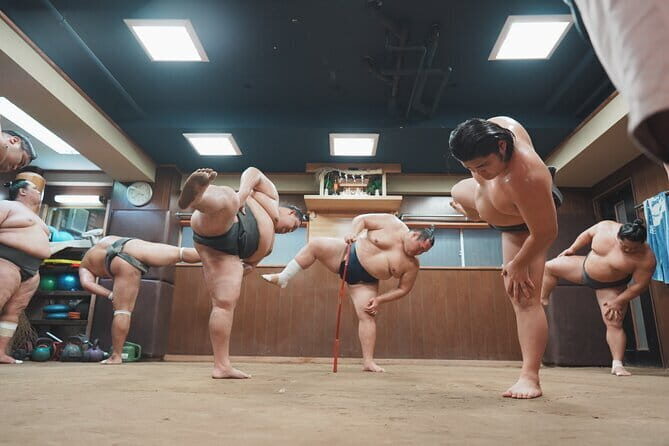
- Nakamura-beya Sumo Stable in Ryogoku: training at a real stable, not a staged performance
- Small group limits to 10 people: easier sightlines and a calmer feel
- Sumo keiko in action: stomps, clashes, and disciplined routines up close
- Photo with the wrestlers included: a memorable, personal souvenir
- Free Wi-Fi and charging: handy while you’re waiting or orienting yourself
- 11 language options plus audio guide: you can follow what’s happening without guessing
Entering Nakamura-beya Sumo Stable: What Makes This Keiko Session Different
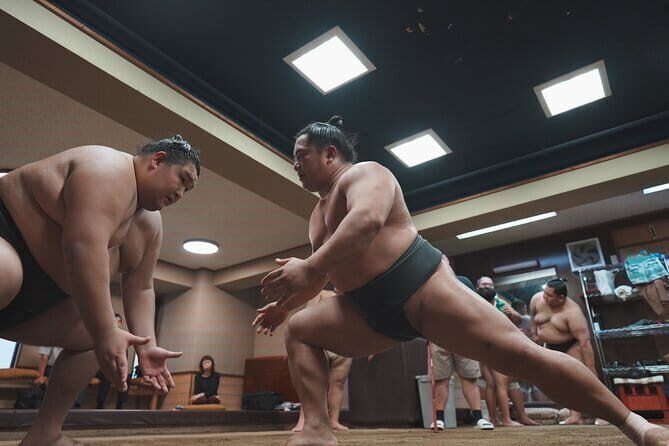
Tokyo has plenty of places to see sumo, but this one hits differently because you’re watching training, not a match. The vibe is quieter than what people expect, then suddenly turns physical. You’ll see the ground shake when wrestlers stomp, and you’ll feel how much effort is packed into every movement.
What I like most is that keiko has a rhythm. It’s not chaos. It’s work. Wrestlers repeat drills, fine-tune balance, and stay focused on technique and timing. That’s the part tourists often miss when they only catch the big public bouts.
And because it’s Nakamura-beya, you get the atmosphere of a working stable in Ryogoku. This area is where sumo culture has long been rooted, so the experience feels more like you walked into the sport’s daily life.
You can also read our reviews of more tours and experiences in Tokyo.



Price and What $137.71 Buys You in Real Value
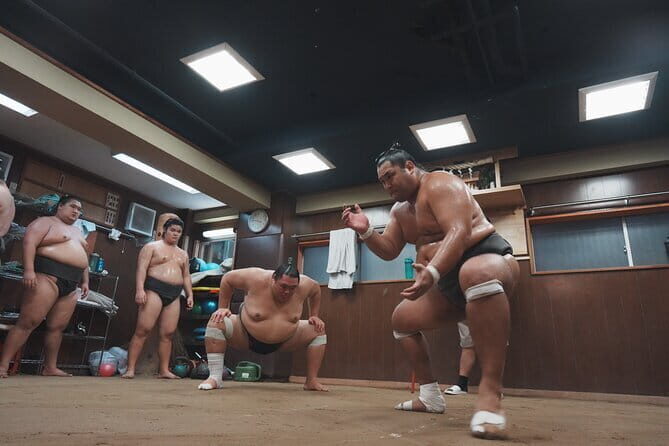
At $137.71 per person, this is not a cheap impulse buy. You’re paying for a few things that matter: access to a specific stable, a timed visit, and a session that’s small enough to feel personal.
Here’s what improves the value in practical terms:
- You get an included admission ticket and the training visit lasts about 1 hour 30 minutes.
- You don’t just watch. You also get help understanding what you’re seeing via an audio guide and an explanation pamphlet.
- You leave with a photo with the sumo wrestlers, which is often the most memorable take-home item from this type of experience.
You’re also not stuck wondering about power or signal. The tour offers free Wi-Fi and phone charging, which is a small detail, but it makes waiting and checking info much easier during a Tokyo day.
If you’re a first-time visitor, I’d say the price is easier to justify because you’re getting an authentic cultural window. If you visit Tokyo often, it’s a nice change from the usual sightseeing loop.
Ryogoku Meeting Point: Getting There Without a Hassle
You meet at Nakamura-beya Sumo Stable, 1-chōme-18-7 Ryōgoku, Sumida City, Tokyo 130-0026. It’s listed as near public transportation, which is a big deal in Tokyo because it keeps your day from turning into a stress test.
The tour includes no pick-up or drop-off. That’s normal for smaller experiences, but it means you should plan to arrive on your own and be ready to leave right after the session.
Also, timing is worth a quick check. The training is basically in the afternoon, but sometimes it can be scheduled in the morning. When you book, confirm the time so you don’t show up expecting an afternoon session and find the day has shifted.
The 1.5-Hour Plan: Warm-Ups First, Then Real Intensity
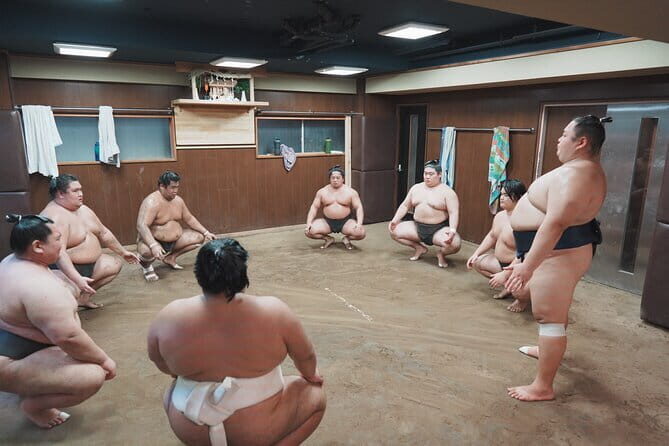
This visit is designed around what happens inside keiko training. Even though the total time is about 90 minutes, the feeling changes as the session goes on.
The opening phase can seem uneventful at first. The first 20–30 minutes are often warm-up and preparation. That can be frustrating if you only came for action. But it’s also part of how you learn to read the sport. When you understand that wrestlers are getting their bodies ready, it stops feeling like a waiting game and starts feeling like you’re watching the start of a real working day.
Then the energy shifts. Once the training moves into harder bouts and drills, it becomes intense and exciting. In close quarters, you see the push-and-pull of technique, the timing, and the physical commitment. You’ll likely notice how much the sport depends on discipline and repetition, not just strength.
Even if you’ve seen sumo on TV, being that close changes your sense of scale. Those stomps and clashes are not just dramatic. They’re part of the training process—rhythm, impact, and readiness all rolled into one.
Understanding What You’re Watching: Audio Guide, Pamphlet, and Language Support

Language is usually the biggest worry with Japanese sports experiences. Here, you have more than one layer of support.
- You get an audio guide with 10 languages.
- You can choose from 11 language options.
- The guide can speak English, Japanese, and Korean.
- You also receive a sumo keiko explanation pamphlet.
In practice, this means you can follow along even if you don’t know sumo terms. You’ll have something to listen to while you watch, and the pamphlet gives you extra context so you’re not just translating in your head.
One good habit: don’t rush through the audio. Let it run while you watch the movements the explanation is referring to. That’s when it clicks.





The Photo Souvenir and Why It Feels Like More Than a Photo Op

Yes, you get a photo. But what matters is the setting. This isn’t a themed backdrop. It’s with sumo wrestlers after you’ve spent your time watching real keiko.
The included photo gives you a tangible memory that’s hard to replace later with just a few street shots. And because you’ve already watched them train, the photo feels connected to something you actually saw, not a detached souvenir moment.
You also leave with the explanation materials, which helps you remember what those drills were about once the day’s blur fades.
Free Wi-Fi and Charging: Small Comforts That Help Your Whole Day

This tour includes free Wi-Fi and a charging service. That may not sound like the headline feature, but it’s genuinely useful.
In Tokyo, you constantly check maps, save transit times, and translate street signs. If you’re meeting in an area like Ryogoku and your phone battery is low, a charging option can save you from scrambling. Same with Wi-Fi, especially if you’re trying to get your bearings on arrival.
It’s a low-effort comfort that makes the experience easier from start to finish.
Seating, Timing, and Comfort: What to Expect Inside
Inside the stable, seating is not stadium-style. There are chair-type seats for 8 to 10 people, and the rest can sit on the floor. That’s important to plan for, especially if you have any discomfort with sitting low.
Timing also comes into play. Because the session is scheduled in the afternoon and sometimes morning, you’ll want to fit it into the right part of your day. If you’re doing a packed Tokyo itinerary, I’d pick a plan that doesn’t require sprinting between far-apart neighborhoods immediately before or after.
Comfort tips that are reasonable for this kind of setting, without overpromising: wear something you can sit in for about an hour, and bring a layer if your day has strong temperature swings.
Who This Tour Fits Best (and Who Might Want Another Option)
This is a great match for both first-timers and people who already know Tokyo. If you come to Japan specifically for culture and not just big sights, keiko training is a strong use of time. You’ll get a view into a tradition that runs on routine and technique.
It also works well for families, especially if you have teens or kids who enjoy sports mechanics and watching skilled athletes up close. One of the best parts of the session is how quickly it becomes intense once the warm-up ends. That shift is a big deal for shorter attention spans.
That said, if you’re only looking for constant high action from minute one, you may find the early portion a bit slow. The upside is that the slow start is still meaningful training, and the payoff tends to come once the session ramps up.
Should You Book This Nakamura-beya Sumo Keiko Training Tour?
I think you should book if you want something real and structured, with the chance to see how sumo works day to day. The mix of small-group access, included language support, and a photo souvenir makes the experience feel worth planning around.
You should skip it (or look for another style of sumo activity) if you hate waiting at the start of a sports event. That first 20–30 minutes is preparation, and it’s part of the deal.
If you’re deciding, here’s the simplest way to choose: if you like sports training, discipline, and technique, you’ll enjoy this. If you only want nonstop spectacle, adjust your expectations for the warm-up phase.
FAQ
Is the admission ticket included?
Yes. Your visit includes the admission ticket as part of the tour.
How long is the sumo training experience?
It runs about 1 hour 30 minutes.
Where do I meet for the tour?
You meet at Nakamura-beya Sumo Stable at 1-chōme-18-7 Ryōgoku, Sumida City, Tokyo 130-0026.
Is pick-up or drop-off included?
No pick-up or drop-off is included. The tour ends back at the meeting point.
Are mobile tickets used?
Yes. The tour uses a mobile ticket.
What languages are available?
You can choose from 11 language options. The audio guide supports 10 languages, and the guide can speak English, Japanese, and Korean.
What’s the seating like?
There are chair-type seats for 8 to 10 people, and the rest can sit on the floor.
When does the training happen, afternoon or morning?
It’s basically in the afternoon, but sometimes it is done in the morning. Check the confirmed time after booking.