REVIEW · KYOTO
Kyoto Run & Walk Tour with Locals
Book on Viator →Operated by Soyo · Bookable on Viator
Morning miles in Kyoto beat any sightseeing bus. This Kyoto run and walk tour is built for an early start, so you get quieter streets and temple-area views before the day fully wakes up. It’s guided in English by Soyo, a local who has lived in Kyoto for 30+ years, and the route leans into everyday neighborhoods instead of only the biggest-photo stops.
What I like most is the easy-running style. The jogging pace runs about 7–9 minutes per kilometer, with walking breaks and stops for explanations, so you can stay comfortable even if you’re not a regular runner. I also like the small-group feel: it caps at just four people, which makes it easier to ask questions and keep the pace smooth.
One thing to consider: you still need a moderate fitness level, and this isn’t just a casual stroll. Also, if it’s light rain the tour keeps going as a walking tour, so bring your own rain gear, and note there’s no locker provided.
In This Review
- Key highlights you’ll feel fast
- Why an early Kyoto run makes practical sense
- Meet Soyo and how the tour actually moves
- The jogging pace: “easy” is built into the plan
- Your route: Higashi Hongan-ji, Takasegawa, Kamogawa, Heian Shrine, Yasaka Shrine, Hanamikoji
- Stop 1: Higashi Hongan-ji Temple
- Stop 2: Takasegawa
- Stop 3: Kamogawa River
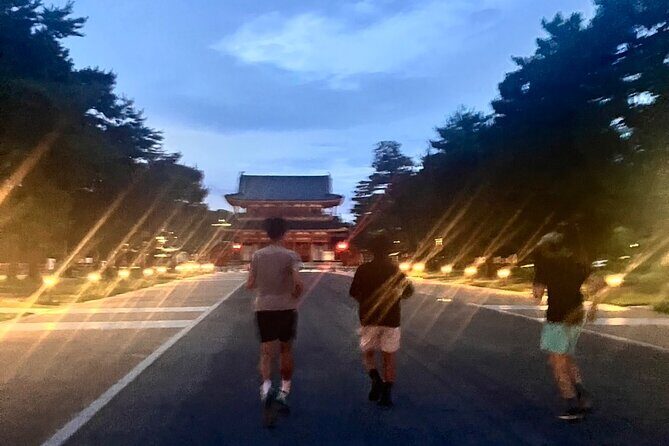
- Stop 4: Heian Shrine
- Stop 5: Yasaka Shrine
- Stop 6: Hanamikoji Street
- Value check: what you’re really paying for at $19.51
- Weather plan and what to pack for a smooth morning
- Who should book this Kyoto run-and-walk tour
- Should you book this tour?
- FAQ
- How long is the Kyoto Run & Walk Tour?
- What pace should I expect?
- Where do I meet and where does the tour end?
- What is included in the price?
- What happens if it rains?
- How many people are in the group?
Key highlights you’ll feel fast
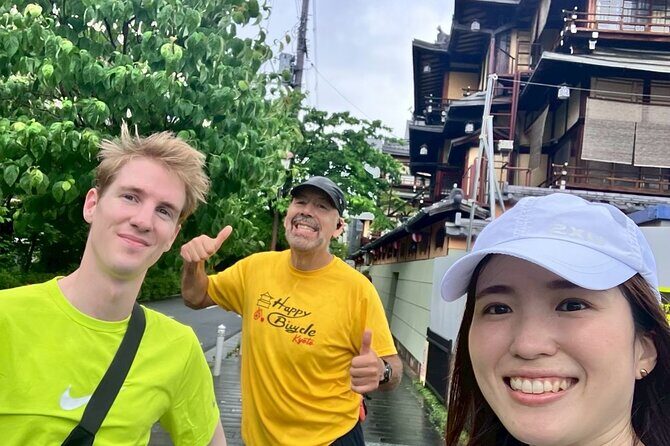
- Early morning start to dodge crowds and enjoy calm Kyoto air
- Small group of max 4 for a more personal, question-friendly walk/run
- Relaxed 7–9 min/km pace with breaks for explanations along the way
- Local guide Soyo who brings everyday-city context in English
- Temple, river, shrine, and historic street sequence on one efficient loop
Why an early Kyoto run makes practical sense
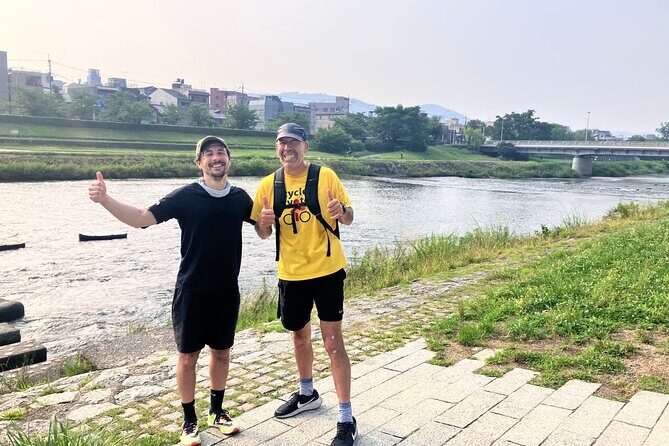
Kyoto is crowded in waves, and most days you fight the flow. An early start changes everything: streets feel more breathable, and landmarks don’t feel like a traffic jam. You’ll be moving at a comfortable jog-and-walk rhythm rather than standing in lines, which is a big deal if you want your morning to count.
This tour is designed around that idea of time advantage. You cover a lot of ground in about 2 to 2.5 hours, including the stops where Soyo explains what you’re seeing and why it matters in real life. That timing also helps if your Kyoto schedule is packed, because you still get exercise plus sightseeing without stealing an entire day.
You can also read our reviews of more walking tours in Kyoto



Meet Soyo and how the tour actually moves
The guide here is Soyo, and the big advantage is continuity of local knowledge. She’s been in Kyoto for more than 30 years and guides in English, so you’re not stuck piecing together meaning from signs. In a small group of up to 4 travelers, the pacing stays calmer than most multi-person tours, and you get more chances to talk.
You’ll meet at Starbucks Coffee – Kyoto Tower Sando, which is a clear, public starting point. The tour ends back at the meeting point, so you’re not juggling transit plans afterward. You’ll also get bottled water included, which is a simple but useful touch during a morning workout.
The tour uses a mobile ticket, so bring your phone with enough battery for check-in. Also plan your meetup with buffer time; early starts feel short when you’re also trying to find the exact entrance area.
The jogging pace: “easy” is built into the plan
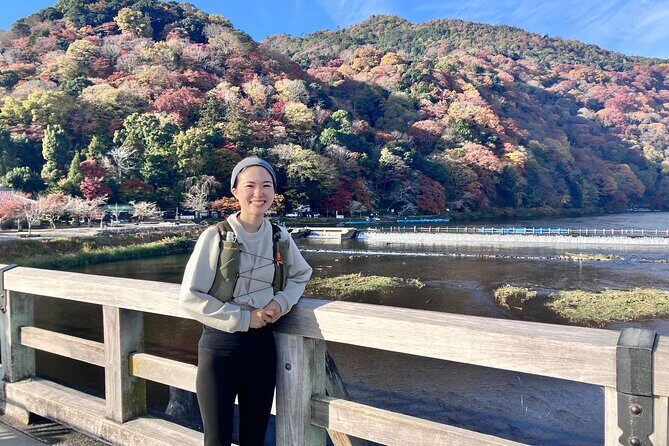
This isn’t a training run. The route is paced at a slow jog around 8–9 minutes per kilometer (the description also notes a range down to about 7–8 min/km), and the tour balances running and walking so beginners can keep up.
The best part is that you don’t have to guess how hard it will feel. Because the plan includes explanation stops, you get built-in recovery time. You’re also likely to spend less energy on constant speed changes, since the group moves together and Soyo sets the rhythm.
If you’re deciding whether you can handle it, use this practical filter: you should feel comfortable walking and sustaining a light jog for short stretches. The tour also expects a moderate fitness level, so if running at all is new, bring a confident walking mindset. You’ll still see plenty.
Your route: Higashi Hongan-ji, Takasegawa, Kamogawa, Heian Shrine, Yasaka Shrine, Hanamikoji
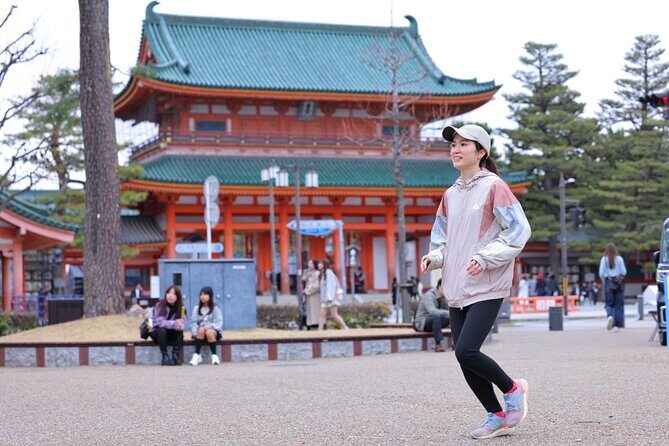
This is the kind of route that helps you understand Kyoto’s geography, not just its famous faces. You start with a major temple area, then shift to water and riverside atmosphere, and finish with shrine energy and a classic historic street feel.
Stop 1: Higashi Hongan-ji Temple
You begin at Higashi Hongan-ji Temple, which sets the tone for the morning. A large temple area early in the day feels spacious and calm, and Soyo’s explanations help you notice details you’d normally rush past. The upside of starting here is that you’re grounded in context right away, before you move into smaller-feeling streets.
A possible drawback: if you prefer only outdoors scenes, the temple start can feel a bit more structured than you expect. But it’s a smart anchor point, and it helps the rest of the route make more sense.



Stop 2: Takasegawa
From the temple area, the tour transitions toward Takasegawa. This shift matters because it breaks up the “all landmarks, all the time” feeling. Water-adjacent areas tend to cool you down and make the walk feel less repetitive, especially in the morning.
If you’re sensitive to wet ground or uneven paths, note that river-adjacent areas can be a little variable underfoot. The tour handles it with stops and a shared pace, but you should wear shoes you’re comfortable moving in.
Stop 3: Kamogawa River
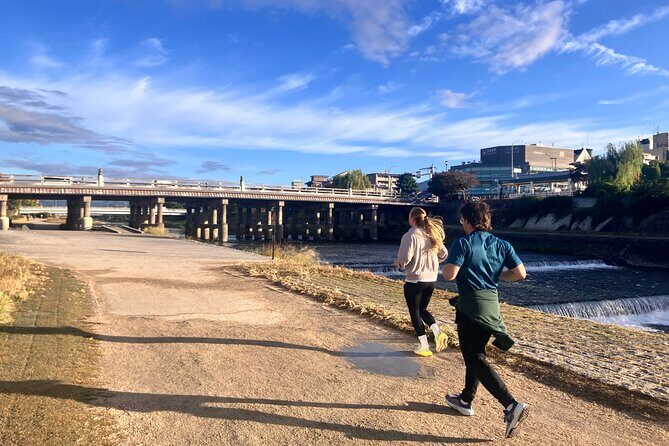
Next up is Kamogawa River, one of the classic Kyoto running-and-walking corridors. Even if you’re not there for a long photo session, moving alongside water helps the route feel natural and less cramped. The morning timing also means you get a better sense of flow—locals moving through their day, not only crowds posing for pictures.
This is a strong moment to settle into the tour’s rhythm. It’s also a good chance to reset your breathing before the shrine portion.
Stop 4: Heian Shrine
Then you reach Heian Shrine, and the route pivots from river vibe back to shrine atmosphere. Shrines tend to feel different in the morning—more open, less chaotic, and easier to observe without constant jostling. Soyo’s commentary at stops helps you slow down and actually process what you’re seeing.
If you like your sightseeing in short bursts, this works well. The tour doesn’t force long standstills; it builds in explanation pauses while keeping you moving.
Stop 5: Yasaka Shrine
After Heian Shrine, you head to Yasaka Shrine, which is a key Kyoto stop for people who want the city’s spiritual energy. This is where the route starts to feel more “Kyoto center” than out-on-the-edges. In an early morning window, that energy is more manageable, and you can experience it without the worst crowd crunch.
One consideration: shrine areas can be slightly more stop-and-go than river paths, because there’s more to observe and Soyo may pause longer at points of interest.
Stop 6: Hanamikoji Street
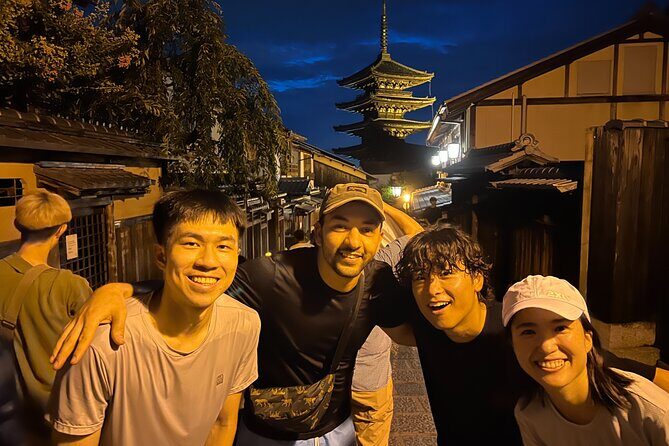
Finally, you land on Hanamikoji Street, a classic atmospheric finish. The point of ending here is that it gives you a “street sense” of Kyoto—an ending that feels like a stroll you could keep going on your own. If you’ve been thinking you’ll only see famous districts from the edge, this helps you feel like you’ve actually walked through them.
This final stretch can be especially good for photos, but the smart move is to keep your time flexible afterward. Since the tour ends back at the start point, you might want to plan a separate wander plan if you want to linger.
Value check: what you’re really paying for at $19.51
At $19.51 per person, this is priced like a budget-friendly activity, and it can be great value if you want a guide-led morning without the expensive private-tour markup. The key is what’s included: bottled water, an English-speaking local guide (Soyo), and a structured route that saves you from figuring out timing and transitions on your own.
You’re also buying time-efficiency. Two hours (roughly) is a manageable slot for an early workout, and you’re not sacrificing sightseeing to do it. In many cities, a similar guided experience costs far more, especially when the guide can speak English and you get a small group cap.
What’s not included matters too. You’ll need to bring running wear and shoes, and there’s no locker included. That doesn’t make the tour bad—it just changes how you should plan your day. If you’ll be traveling light, consider how you’ll carry or change into running-friendly gear.
Weather plan and what to pack for a smooth morning
Kyoto weather loves surprises, so it’s smart that this tour has a clear approach. If it’s light rain, the tour still runs, but it becomes a walking tour, so the workout component may feel different. In that case, plan around bringing your own rain gear, because comfort is on you.
If weather gets severe (heavy rain, wind, snow, extreme heat, typhoon, and similar conditions), cancellation can happen. The decision is made by noon the day before, and you’ll be notified if the tour is canceled. If it’s canceled due to poor weather, you should expect either another date or a refund.
Packing-wise, don’t overthink it. Bring shoes you can move in for the run-and-walk rhythm, plus a water-ready mindset since bottled water is included. For rain, bring gear that lets you keep moving without constant adjusting.
Who should book this Kyoto run-and-walk tour
Book this if you want Kyoto to feel lived-in and active, not just photographed. The blend of temples, river scenery, shrines, and a historic street makes it a good fit for people who like variety in one morning.
It’s also a strong choice if you’re:
- comfortable with a light jog or at least willing to jog in short sections
- looking for a small-group experience with an English-speaking guide
- excited by the idea of seeing Kyoto before it turns into a crowd scene
- the kind of person who likes explanations, not just walking from point A to B
Skip it if you’re expecting a purely leisurely stroll, since the tour is built around a run-and-walk structure and expects moderate physical fitness. Also, if you can’t handle rain with your own gear, plan flexibility—light rain means the tour continues as walking.
Should you book this tour?
I think this is a solid booking for the right traveler. The combination of early start, small group, and an English guide named Soyo is exactly what turns a city morning into something you can feel in your body and remember in your head. At $19.51, the value is strongest when you want guided context but don’t want to spend big on a private outing.
If your goal is to do one morning that blends exercise with Kyoto’s quieter side, this is the kind of experience that earns its place. Just be honest about your comfort with running at a relaxed pace, and pack for rain so the day stays easy.
FAQ
How long is the Kyoto Run & Walk Tour?
The tour runs for about 2 hours (approx.), and the overall course is described as around 2.5 hours, including stops for explanations.
What pace should I expect?
The jogging pace is slow, about 7–8 minutes per kilometer or 8–9 minutes per kilometer, with walking breaks so all running levels can participate.
Where do I meet and where does the tour end?
You meet at Starbucks Coffee – Kyoto Tower Sando, and the tour ends back at the same meeting point.
What is included in the price?
Bottled water is included. Running wear and shoes are not included.
What happens if it rains?
If there is light rain, the tour is held as a walking tour. You should bring your own rain gear. If weather is too severe, the decision is made by noon the day before.
How many people are in the group?
The maximum group size is 4 travelers.