REVIEW · KYOTO
Kyoto: Small-Group Authentic Sushi Making Workshop
Book on GetYourGuide →Operated by atelier SUSHI · Bookable on GetYourGuide
Sushi making in a Kyoto townhouse. This 90-minute workshop feels calm, not rushed, with English instruction from hosts like Kana (and often her husband, Karim). You’ll learn by doing, with a small group capped at 8.
I especially like the focus on technique, starting with perfectly seasoned rice and moving into making nigiri and maki step-by-step. The setting is a restored Kyoto-style home, so the whole experience feels like you’re visiting the right people, not lining up for a show.
One consideration: this class isn’t suitable for vegetarians, since the experience is built around fresh fish and Japanese ingredients.
In This Review
- Key Things That Make This Workshop Worth Your Time
- Why This Kyoto Sushi Class Feels Like the Real Thing
- Finding the Kyoto Wand Workshop Near Kiyomizu-Gojō
- The 90-Minute Flow: Rice First, Then Nigiri and Maki
- Step 1: Seasoning and handling sushi rice
- Step 2: Nigiri shaping
- Step 3: Maki rolls (and what “good rolling” really means)
- The Fish and Ingredients: Fresh Matters More Than Fancy
- The Townhouse Setting: Calm, Clean, and Built for Attention
- Q&A With Kana (and Team): Japanese Culture Through Food
- What’s Included (So You’re Not Paying for Extra Stuff)
- Price and Value: What $60 Buys You in Kyoto Terms
- Who This Workshop Fits Best (And Who Might Want Another Option)
- Practical Tips to Get Great Results
- Should You Book This Kyoto Sushi Making Workshop?
- FAQ
- How long is the Kyoto sushi making workshop?
- What is the price per person?
- What size is the group?
- Is the workshop taught in English?
- What will I make during the class?
- What’s included in the price?
- What should I do if I have dietary restrictions?
- Is the class suitable for vegetarians?
- Where is the meeting point?
- Is hotel pickup or drop-off included?
- Should You Book This Workshop?
Key Things That Make This Workshop Worth Your Time
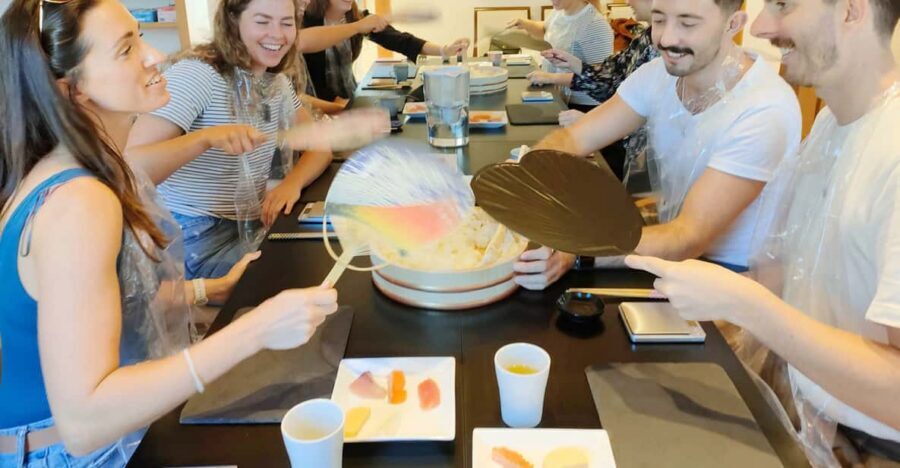
- Max 8 people, so you get real attention while you shape sushi
- Kana leads the class in English, with plenty of time for questions
- Fresh local fish and high-quality ingredients for the sushi you eat
- A serene, restored townhouse setting that slows your whole day down
- You take home a gift bag with tools and a recipe card, not just photos
Why This Kyoto Sushi Class Feels Like the Real Thing
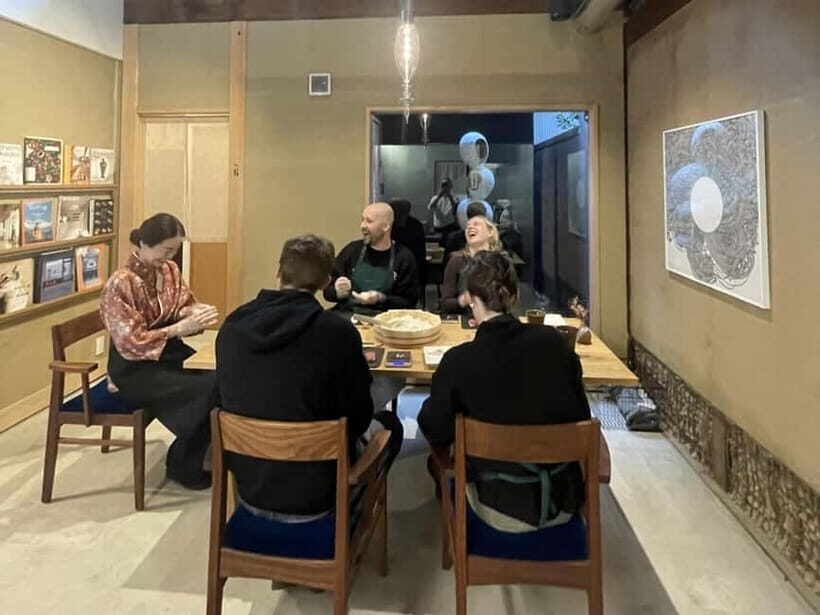
Kyoto is full of eating experiences. What makes this one different is that you’re not just watching sushi get assembled. You’re making it—starting with rice seasoning, then shaping nigiri and rolling maki with guidance right at your station.
The tone is also a big deal. In the best classes, the teacher moves at your pace, not theirs. Here, the workshop is small (up to 8 people), and that creates room for questions. I like that it doesn’t feel transactional. If you’re curious about food culture, Japanese habits, or how sushi fits into everyday life, you’ll have chances to talk.
If you want one “Kyoto moment” that’s both practical and memorable, this hits the sweet spot. You’ll leave with sushi skills you can repeat at home, plus the habit of thinking about details—rice texture, knife control (even if you’re not doing every cut yourself), and the way toppings sit on rice.
A few more Kyoto tours and experiences worth a look


Finding the Kyoto Wand Workshop Near Kiyomizu-Gojō
The location is easy to build into a sightseeing day. Your workshop happens in the Kyoto Wand building, a few minutes on foot from Kiyomizu-Gojō Station on the Keihan Main Line. That’s convenient if you’re bouncing between classic Kyoto areas like Kiyomizu-dera and Gion.
It’s also described as centrally located within walking distance of popular districts. That matters because sushi classes tend to be time-specific. You don’t want to waste your best energy on getting lost.
Practical note: you’ll likely appreciate arriving a touch early, so you can settle in before you start handling rice and toppings. The pace is relaxed, but you’re still working hands-on from the start.
The 90-Minute Flow: Rice First, Then Nigiri and Maki
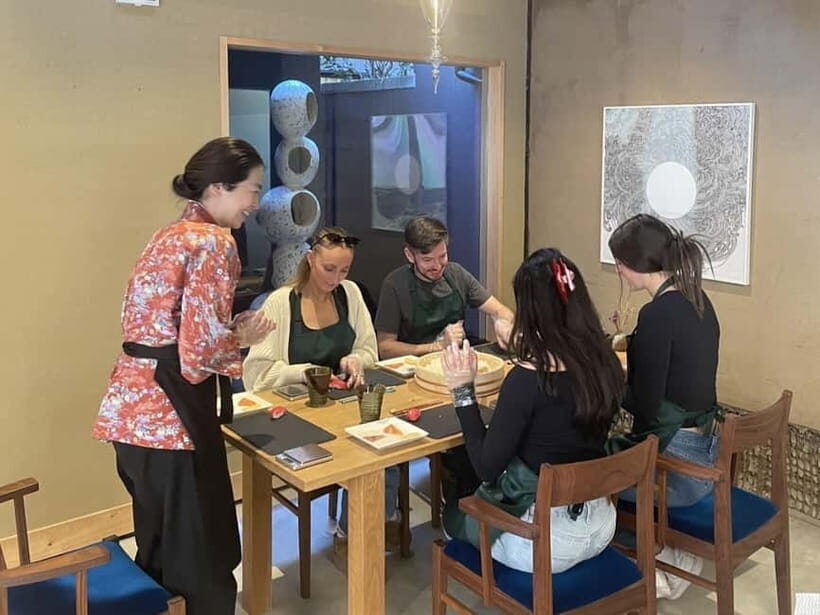
This is a true workshop, not a lecture. The structure is built around a sequence you can actually replicate later: rice preparation, then sushi assembly, then eating what you made.
Step 1: Seasoning and handling sushi rice
Sushi starts with rice. The instructors guide you through seasoning it properly and working with it so it behaves the way sushi rice should. You’ll learn how to handle it during assembly, which is where a lot of beginners get stuck at home.
In multiple class accounts, Kana is praised for showing the process in detail and correcting technique patiently. That’s important: sushi rice texture is subtle, and one small fix can make your final rolls look (and taste) right.
Step 2: Nigiri shaping
Next comes nigiri. You’ll create the pieces with expert guidance, focusing on how the rice and topping combine. The goal isn’t to rush to the “perfect look.” It’s to learn the feel and structure so the sushi stays intact when you lift it.





Step 3: Maki rolls (and what “good rolling” really means)
Then you move into maki. You’re guided through rolling and shaping into clean, satisfying pieces—again with hands-on instruction, not vague tips.
From what you might see in classes, the variety can include items beyond the basic nigiri and maki framing, such as gunkan-style sushi. Even if the exact set differs by session, you should expect multiple types, not just one roll.
The Fish and Ingredients: Fresh Matters More Than Fancy
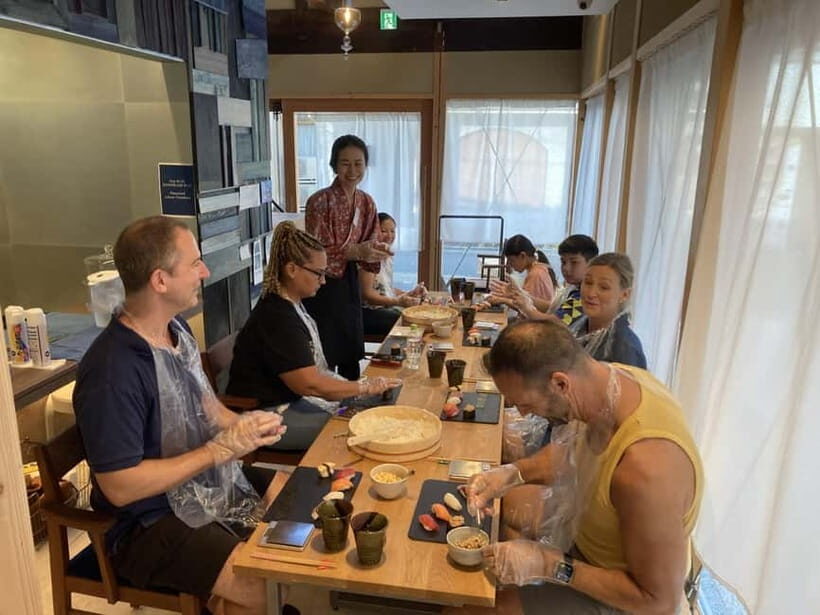
Sushi doesn’t need theatrics. It needs the right inputs and correct handling. That’s why the ingredient story matters so much here.
The fish is fresh and locally sourced, and the workshop emphasizes high-quality ingredients. In real class experiences shared by past participants, people mention excellent quality fish and even specific sourcing points like Kyoto’s Nishiki Market. Some also mention that rice can come from the instructor’s family-grown rice. I wouldn’t treat that as guaranteed every day, but it gives you a sense of the care behind what’s used.
What you’ll learn from this class isn’t just how to make one tasty plate. It’s how the ingredients work together. Rice seasoning sets the flavor baseline. The topping choice affects balance. Even your technique—how you press, shape, and portion—changes the final bite.
Also, you’ll have miso soup as part of the meal. It’s a classic pairing that makes the lunch feel complete without being heavy.
The Townhouse Setting: Calm, Clean, and Built for Attention
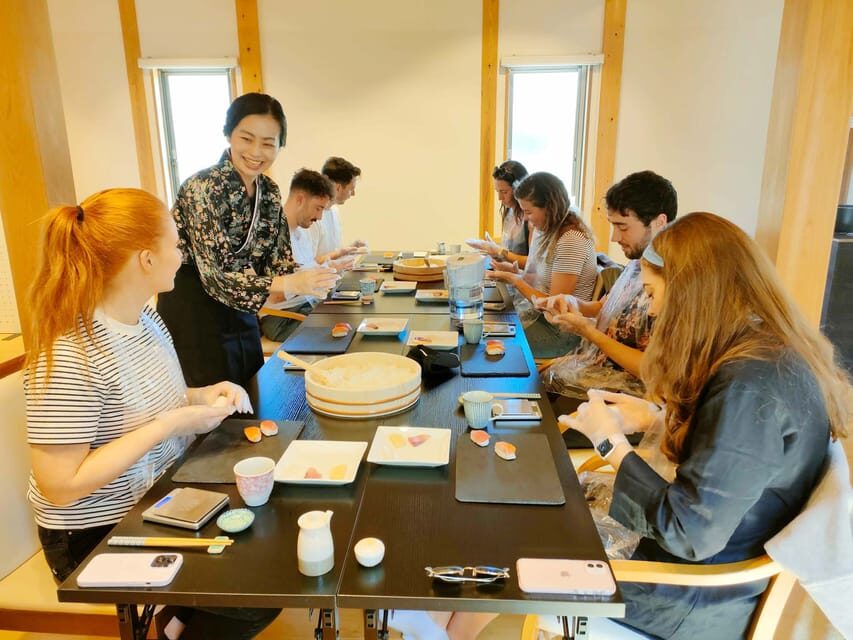
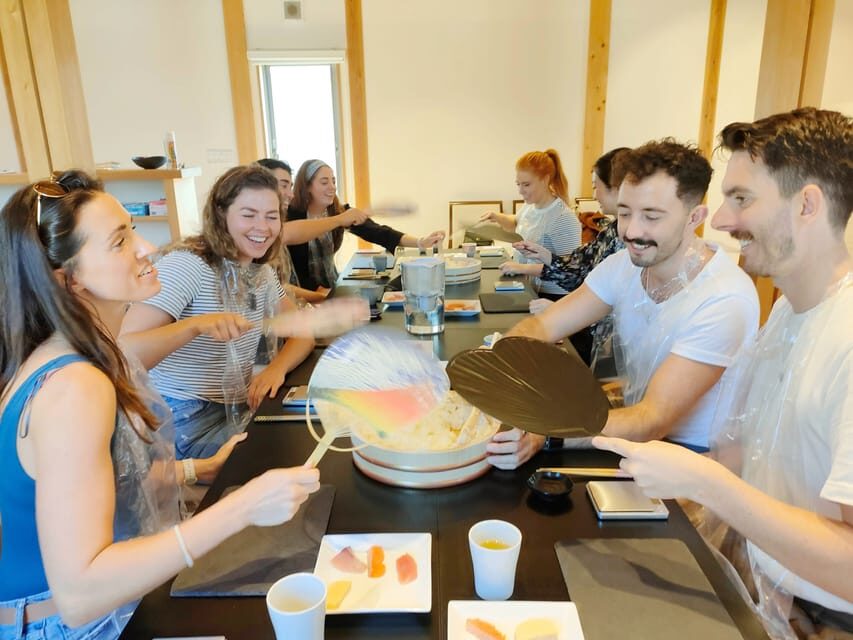
The workshop happens in a beautifully restored Kyoto townhouse. That sounds like marketing until you realize what it practically does: it lowers your stress level.
When you’re learning with your hands, you need space, comfort, and a steady pace. A quiet, traditional setting helps you focus on what the instructor is saying about technique. And with a small group, you can actually look at what others are doing and notice patterns—like consistent rice portions or better roll tightness.
Many class accounts describe the environment as cozy and orderly, with instructors taking time to explain steps clearly. If you’re coming off a day of temple hopping and long walks, this kind of slowdown can be a relief.
Q&A With Kana (and Team): Japanese Culture Through Food
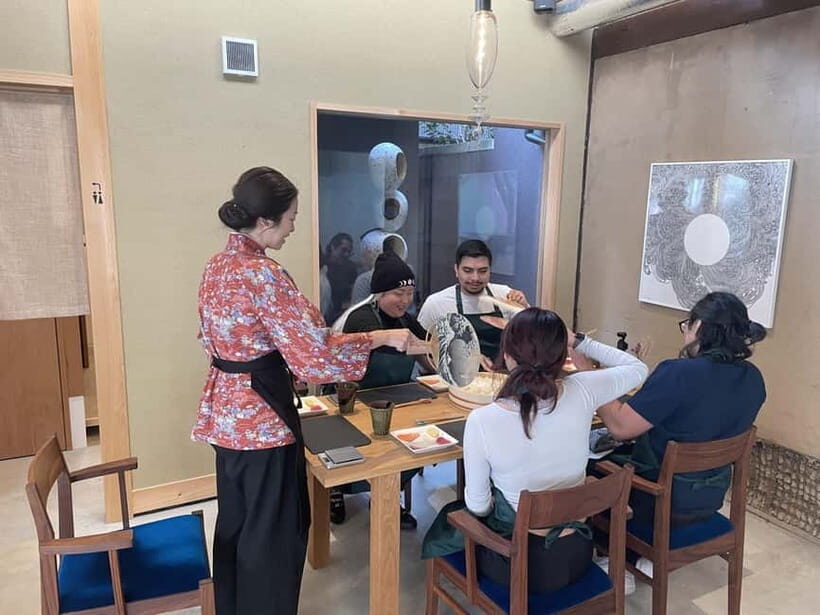
One of the most repeated strengths is how much conversation you get. Kana, and sometimes other hosts or assistants, are described as warm and happy to answer questions—everything from sushi technique to Japanese culture in general.
In some sessions, Karim assists, and additional team members like Aya or Ayumi may be involved. Some people also mention the presence of additional family members during special dates, which gives the experience a personal, home-like feel.
Even if you don’t ask much, you benefit. A good teacher doesn’t just correct your hands; they help you understand why something works. Over time, your sushi-making becomes less guesswork and more technique.
If you’re cautious about raw seafood, ask questions directly. The class focus is fresh fish and guidance, and instructors are there to help you feel comfortable with the process and the ingredients.
What’s Included (So You’re Not Paying for Extra Stuff)
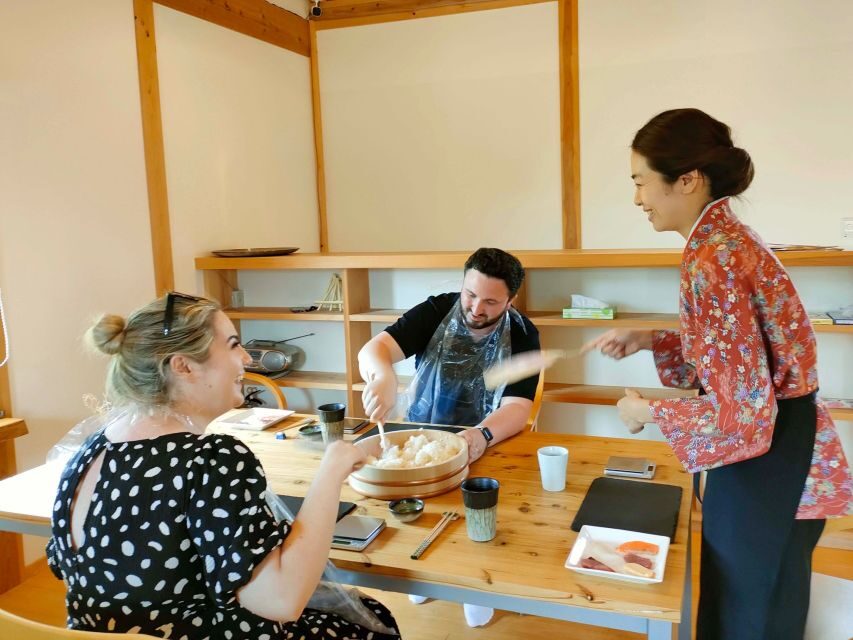
You get more than the class seat. Included is:
- Sushi making workshop with an English-speaking host
- The sushi you make for lunch
- Miso soup
- A gift bag with sushi rolling mat, chopsticks, and a recipe card
- Disposable gloves and an apron
That gift bag is genuinely useful. If you’ve ever bought a “cooking experience” and then realized you can’t recreate it at home, you’ll appreciate the included tools and recipe card. It’s a direct bridge between “I watched it” and “I can do it again.”
Only thing to plan for: hotel pickup and drop-off aren’t included. The good news is the meeting location is walk-friendly from central areas, and you can anchor your day around Kiyomizu-Gojō.
Price and Value: What $60 Buys You in Kyoto Terms
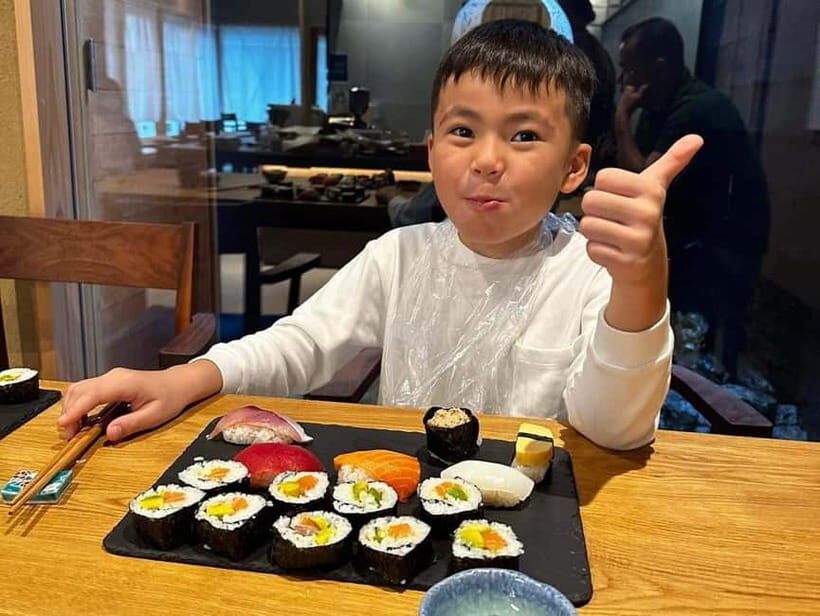
At $60 per person for 90 minutes, you’re paying for instruction, ingredients, and the tools that come home with you. That’s the part people often miss when they see a single number.
Here’s how the value adds up:
- Small group size (max 8) means more time per person with the instructor.
- You’re not paying for ingredients only; you’re paying for technique, correction, and guidance.
- You eat a full lunch made by you, plus miso soup.
- The take-home kit (rolling mat, chopsticks, recipe card) reduces the “now I need to buy gear” problem.
In other words, you’re not just buying sushi. You’re buying a reusable skill set and a practice plan you can bring home. That’s why the class tends to get strong satisfaction ratings: people leave with both food and capability.
Who This Workshop Fits Best (And Who Might Want Another Option)
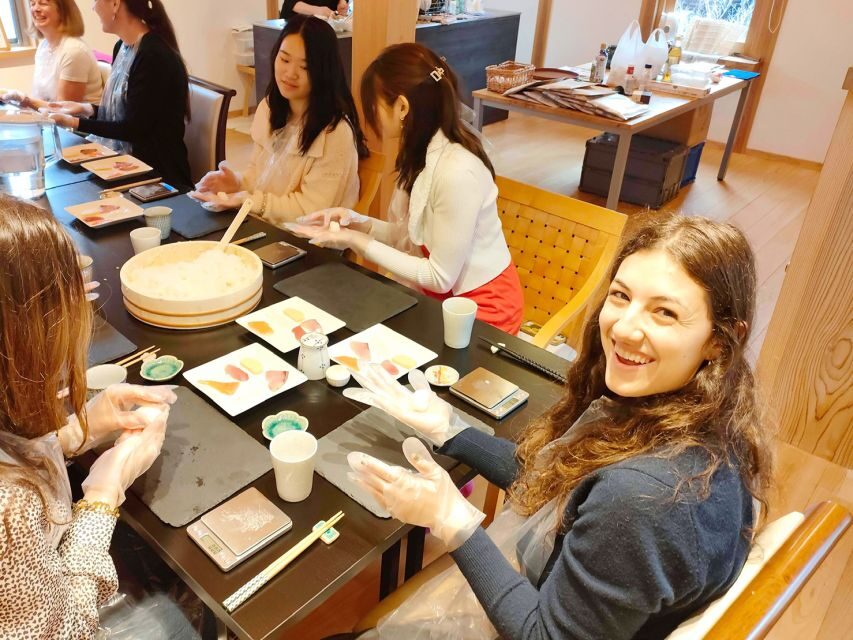
This class is a strong match if you:
- Want a hands-on Kyoto food experience with English instruction
- Prefer small-group attention over big-bus cooking shows
- Are a beginner and want step-by-step guidance
- Like talking with hosts about Japanese culture while you work
It may not fit if you:
- Need wheelchair accessibility (not suitable for wheelchair users)
- Are vegetarian (not suitable for vegetarians)
If you have dietary restrictions, you’ll want to advise them when booking. That’s explicitly part of the setup.
Also, go in with a realistic mindset: you’re learning technique under time limits. The goal is good sushi and real understanding, not perfect Japanese-showroom presentation.
Practical Tips to Get Great Results
A few things that’ll make your class smoother:
- Come hungry. The sushi portion you make is meant for lunch, and people frequently note you leave feeling full.
- Watch the instructor’s hand positions and timing. Sushi technique is mostly repetition and small corrections.
- Ask questions early, not after you’ve already rolled your first set. If you’re unsure about rice texture or roll tightness, get help right away.
- If you’re nervous about fish, say so. The class is structured around fresh ingredients and guided handling, and the hosts are described as friendly and patient.
And wear something comfortable. You’ll have gloves and an apron, but you’ll still be standing and working with your hands.
Should You Book This Kyoto Sushi Making Workshop?
Book it if you want a Kyoto activity that’s practical, calm, and genuinely teachable. The combination of small-group size, English instruction from Kana, hands-on rice and sushi work, and the take-home tool kit makes it feel like more than a single meal.
Skip it if you need wheelchair accessibility or you’re vegetarian. Also skip if you want a quick photo-op only. This workshop works best when you’re ready to roll up your sleeves and learn.
If you’re sitting in Kyoto thinking about what to do between temples and night strolls, this is one of the few options where you leave with both a full lunch and a skill you can actually repeat.
FAQ
How long is the Kyoto sushi making workshop?
The workshop runs for 90 minutes.
What is the price per person?
The price is $60 per person.
What size is the group?
The class is limited to a small group of up to 8 participants.
Is the workshop taught in English?
Yes. The instructor and host work in English.
What will I make during the class?
You’ll make sushi including nigiri and maki rolls, using fresh high-quality fish and selected local ingredients. You may also see additional styles depending on the session.
What’s included in the price?
Included are the sushi making workshop, the sushi you make for lunch, miso soup, a gift bag (sushi rolling mat, chopsticks, and a recipe card), plus disposable gloves and an apron.
What should I do if I have dietary restrictions?
You should advise of any dietary restrictions when booking.
Is the class suitable for vegetarians?
No. It is not suitable for vegetarians.
Where is the meeting point?
The workshop is in the Kyoto Wand building near Kiyomizu-Gojō Station on the Keihan Main Line, and it’s described as centrally located within walking distance of sites like Kiyomizu-dera Temple and Gion.
Is hotel pickup or drop-off included?
No. Hotel pickup and drop-off are not included.
Should You Book This Workshop?
Yes, if you want hands-on sushi skills in a small group with English guidance in a calm Kyoto townhouse setting. It’s especially worth it if you like learning the steps you can repeat later, since you also take home a rolling mat, chopsticks, and a recipe card.