REVIEW · KYOTO
Kyoto: Zen Garden, Zen Mind (Private)
Book on Viator →Operated by An Design · Bookable on Viator
Zen gardens make Kyoto click fast. This private tour is a focused way to understand Zen garden design through real temple spaces, with a guide who explains what you’re seeing and why it matters. I especially like the small-group feel and the way your visit connects garden form to Buddhist ideas you can actually spot in the rockwork and paths. One thing to plan for: temple entrance fees (¥1,600 per person) are not included in the tour price.
You’ll spend about 3 hours 30 minutes on foot, moving between Konchi-in, Tenjuan Temple, and Nanzen-ji, ending in front of Nanzen-ji. It’s timed for people who want a quieter, more personal experience rather than rushing through Kyoto with a crowded checklist.
In This Review
- Key things you’ll love about this private Zen garden tour
- Kyoto’s Zen gardens make more sense when you have a guide
- Andrew and the Zen Mind approach: garden design meets belief
- Start at Konchi-in: the calm entry point to Nanzen-ji
- Tenjuan Temple: learning the language of rocks and space
- Nanzen-ji Temple: the head temple connection
- 3.5 hours on foot: how the timing works for a calm visit
- Price and value: $380 for up to 4 plus entrance fees
- Who should book this Zen garden private tour?
- Quick practicalities: meeting point, mobile ticket, and weather
- Should you book this tour?
- FAQ
- What does the tour cost?
- Is this a private tour?
- How long is the tour?
- Which temples are included?
- Where do we meet, and where does the tour end?
- What if the weather is bad?
Key things you’ll love about this private Zen garden tour
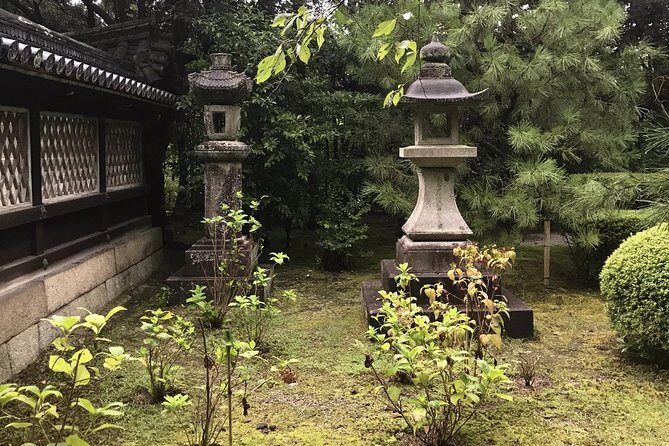
- Andrew’s Zen garden design explanations link rock placement, layout, and symbolism in plain language
- Three Nanzen-ji stops in one walk: Konchi-in, Tenjuan, and the head temple at Nanzen-ji
- Private group format up to 4 means you can ask questions and set your own pace
- On-foot routing helps you reach temple areas that aren’t as practical by bus or car
- A calm, less hurried visit that makes the gardens easier to read and enjoy
Kyoto’s Zen gardens make more sense when you have a guide
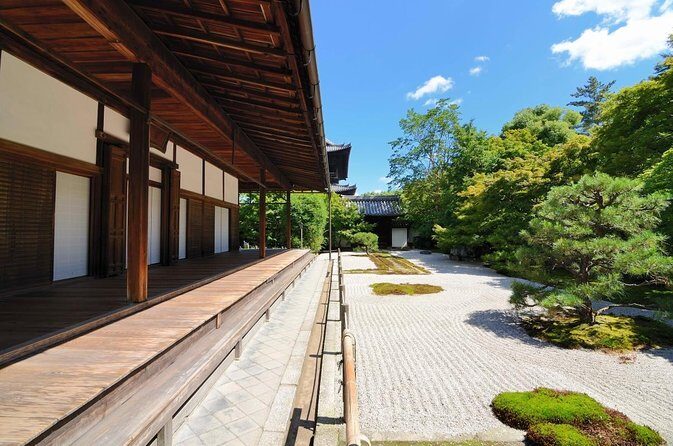
Kyoto can feel like a blur of temples and photo stops. This tour slows that down on purpose. Instead of treating Zen gardens as backdrops, you learn to “read” them—how stone, water, bridges, and emptiness work together to create meaning.
What makes this experience practical is that it’s not just talk about philosophy. You’re standing inside the spaces where the ideas show up. As you walk, you start noticing patterns: where your eye goes, how views are framed, and how the layout guides attention without needing signs.
You can also read our reviews of more private tours in Kyoto


Andrew and the Zen Mind approach: garden design meets belief
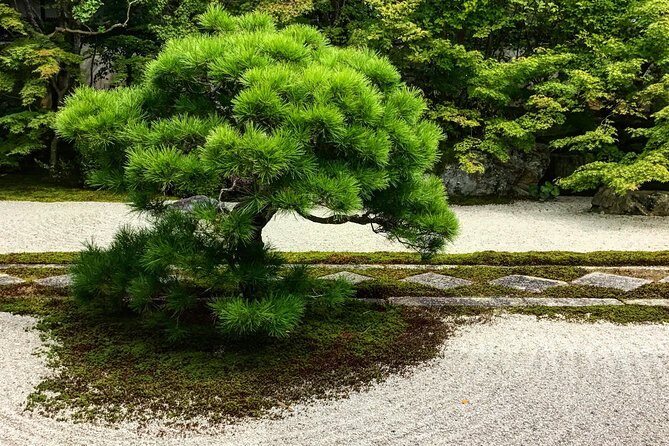
A standout here is the guide: Andrew (An Design). In the conversations you’ll have, he brings both design training and spiritual context into the same conversation. That combination matters. If you only hear history, gardens can seem decorative. If you only hear design terms, the gardens can feel abstract. Andrew works to connect the two.
From the comments people make about his approach, you’ll likely get explanations tied to basics of Zen practice and also context around Shinto and Buddhist traditions. That helps when you’re in Kyoto, where religious layers overlap and the same visual language can carry different meanings depending on the setting.
You also get an added benefit with a private format: questions don’t have to be rushed to fit a group schedule. If you’re the type who wonders why a garden looks the way it does—or why certain choices feel “intentional” rather than random—this tour format is built for that.
Start at Konchi-in: the calm entry point to Nanzen-ji
You begin at the Nanzen-ji area at Keage Station (Higashikomonozacho, Higashiyama Ward), then work your way through sub-temple spaces before reaching the head temple. The first stop, Konchi-in, is a strong entry point because it sets the tone. Sub-temples like this often feel less imposing than the main complex, and that makes it easier to focus on details.
At Konchi-in, the value is in learning how to observe. You’re not just looking for the biggest rock or the prettiest angle. You’re learning how the design choices create a mood—often a feeling of stillness, even when you’re moving around the grounds.
A helpful way to think about this stage: Konchi-in is where you start building your “garden vocabulary.” By the time you reach the later stops, you’ll have an easier time interpreting what you see.
Tenjuan Temple: learning the language of rocks and space

Next comes Tenjuan Temple, also a sub-temple of Nanzen-ji. This is where the tour often becomes more rewarding for people who care about how things are made. The descriptions of Andrew’s explanations point to the design principles behind rock gardens—how arrangement affects both visual balance and the emotional effect of the scene.
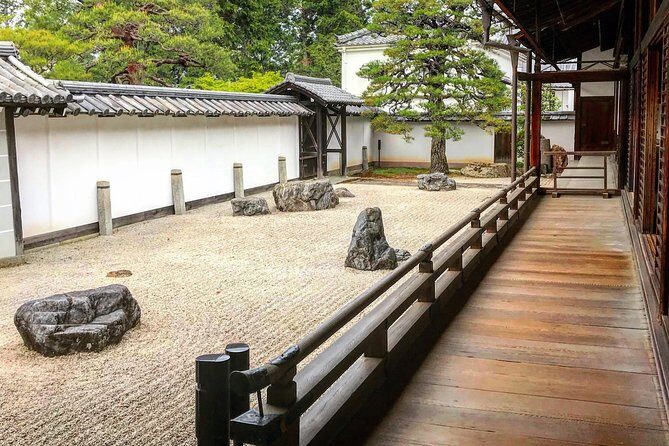
In practice, you’ll likely find that you start noticing the choreography of the view. Zen gardens are often designed so that the scene changes subtly as you move. That’s part of the point. It’s not a single “perfect photo.” It’s more like a calm argument between elements: stone versus emptiness, structure versus natural texture.
If you’ve ever visited a garden and thought, I don’t know what I’m supposed to be looking at, this stop is where that frustration usually starts to disappear. You’ll have a framework for making sense of what you’re seeing.
Nanzen-ji Temple: the head temple connection
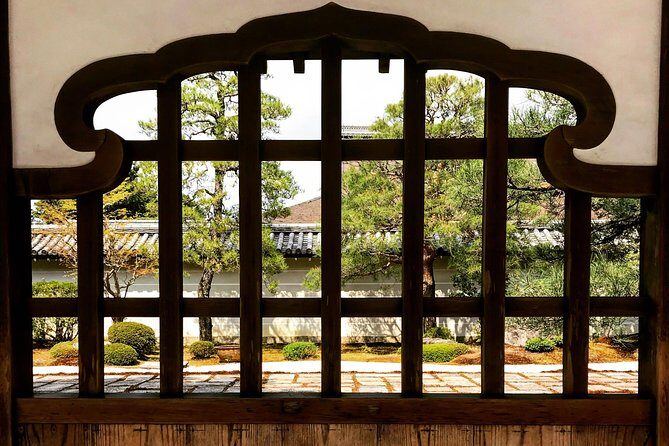
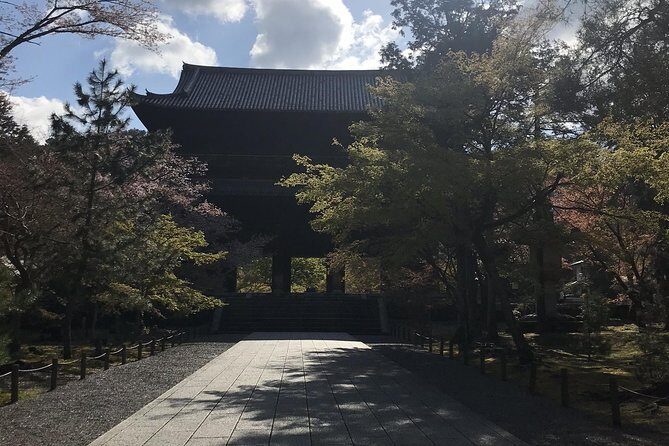
The centerpiece is Nanzen-ji, the head temple of the Nanzen-ji Zen Monastery. This stop matters because it turns the earlier garden lessons into a broader setting. When you’re at the head temple, you can better understand how these spaces fit into a wider religious and cultural landscape.
Nanzen-ji also helps you connect garden design to temple life. You’re not looking at a garden in isolation—you’re viewing it as part of a place built for specific spiritual rhythms. That’s when the earlier explanations start to feel less like a lecture and more like a set of lenses.
And since the tour ends in front of Nanzen-ji (Nanzenji Fukuchicho, Sakyo Ward), you don’t have to rebuild your day’s plan from scratch afterward. You’re already in the right area to continue exploring on your own if you want.






3.5 hours on foot: how the timing works for a calm visit
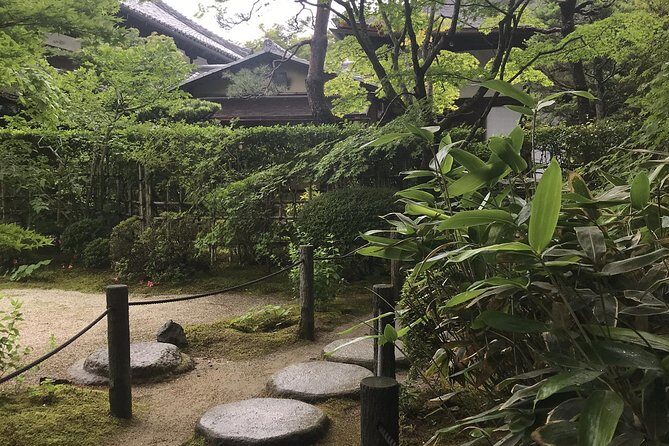
The tour runs for about 3 hours 30 minutes, and it’s designed as a walking experience. That duration is long enough to slow down and learn, but short enough that you won’t feel trapped inside a half-day of sightseeing.
Because it’s private and only your group goes, you can match the pace to your comfort level. If your group is the type that likes to ask lots of questions, you won’t be pushed along just to keep a larger crowd moving.
One practical tip: wear comfortable shoes. These temple grounds involve walking, uneven surfaces, and time spent standing to look. Even if the route isn’t described as strenuous, temple visits always demand a bit more footing attention than city streets.
Price and value: $380 for up to 4 plus entrance fees
At $380 per group (up to 4), this isn’t the cheapest option in Kyoto. But value depends on how you’ll use it.
For a group of 1–2, you might feel the cost more strongly. For a group of 3–4, the math improves quickly because you’re paying for the guide’s time and planning, not per-person guide access. In other words, you’re not just buying entry tickets—you’re buying interpretation and context for the sites.
Do budget for the extra cost: temple entrance fees total ¥1,600 per person. That’s the main additional expense you should plan for before you go. Once you account for that, this tour tends to make sense if your priority is understanding, not just collecting photos.
The bigger value play is that you’re seeing multiple Nanzen-ji temple spaces in one organized walk, guided by someone who can explain both design and meaning. If you tried to self-tour all of this, you’d likely spend time figuring out what matters instead of spending time learning it.
Who should book this Zen garden private tour?
This is a great fit for:
- People who love Japanese spirituality and want a clearer connection between beliefs and the look of gardens
- Anyone interested in how rock gardens are constructed and what design choices communicate
- First-timers to Kyoto who want a focused route around one major temple complex (Nanzen-ji)
- Small groups who prefer a quiet, question-friendly experience rather than a fast group scramble
It’s also a good choice if you’re the kind of visitor who likes to stop and take notes, ask follow-up questions, or linger when something catches your attention.
Quick practicalities: meeting point, mobile ticket, and weather
You’ll start near Keage Station (Higashikomonozacho, Higashiyama Ward), and you’ll finish at Nanzenji Fukuchicho, Sakyo Ward, right in front of Nanzen-ji. The meeting spot is listed as near public transportation, so you’re not forced into complicated transit planning.
You’ll also get a mobile ticket, which is usually convenient if you’re already juggling trains and maps on your phone.
Weather matters. This experience requires good weather, and if it’s canceled because of poor conditions, you should expect a different date offer or a full refund.
Should you book this tour?
If your Kyoto goal is to understand Zen gardens beyond surface beauty, I think you’ll appreciate what this tour offers. The combination of Andrew’s garden design perspective and the way he connects it to Zen and related traditions gives you a new way to look at the stones, not just a new place to stand.
Skip it only if your travel style is strictly “see everything fast” or if your group can’t accommodate a walking tour across temple grounds. Otherwise, this is the kind of focused experience that changes how you see Kyoto for the rest of your trip.
FAQ
What does the tour cost?
The tour is $380 per group, up to 4 people. Temple entrance fees are ¥1,600 per person and are not included.
Is this a private tour?
Yes. It’s a private tour/activity, so only your group participates.
How long is the tour?
The tour lasts about 3 hours 30 minutes.
Which temples are included?
You visit Konchi-in, Tenjuan Temple, and Nanzen-ji.
Where do we meet, and where does the tour end?
You meet near Keage Station (Higashikomonozacho, Higashiyama Ward, Kyoto). The tour ends in front of Nanzen-ji (Nanzenji Fukuchicho, Sakyo Ward, Kyoto).
What if the weather is bad?
The experience requires good weather. If it’s canceled due to poor weather, you’ll be offered a different date or a full refund.