Kyoto’s Gion looks different after dark. This 2-hour walking tour blends Shirakawa Canal scenery with visits to shrine stops and quiet backstreets, then finishes on Hanamikoji-dori where you may spot a geisha heading to an evening engagement. I love how the guide connects what you see with how the culture works, from geisha training to the craft behind kimonos and hairstyles. I also love that you get real “where to stand and what to notice” moments in places that feel calmer than the main flow of daytime crowds. The one drawback: you’ll be on foot for the full walk, so it’s not a great match if you need wheelchair-friendly access.
I’d call this a smart first taste of Gion—short, focused, and designed to help you read the neighborhood instead of just taking photos.
In This Review
- Key things I’d bet on
- Meeting at Macdonald Shijo Ohashi: start easy, stay calm
- Shirakawa Canal: where Gion starts to feel quiet
- Tatsumi-jinja and Yasaka Shrine: the 1,000-year stop isn’t just a name
- Edo-period townhouses: how old Kyoto stays readable
- Ninenzaka and Hōkan-ji Temple: steep lanes and a no-flash reality check
- Yasui Kompira-Gu Shrine: a quieter stop that still adds context
- Hanamikoji-dori finale: your best chance at a geisha sighting
- Price and value: what $23 buys in 2 hours
- What to bring (and what can ruin your evening)
- Who should book this Gion walk
- Should you book? My take
- FAQ
- Where do I meet the guide?
- What’s the duration of the Kyoto Gion Hidden Gems & Geisha Culture Tour?
- Is flash photography allowed?
- What should I bring?
- Does the tour run in bad weather?
- Is it suitable for wheelchair users or people with mobility impairments?
Key things I’d bet on
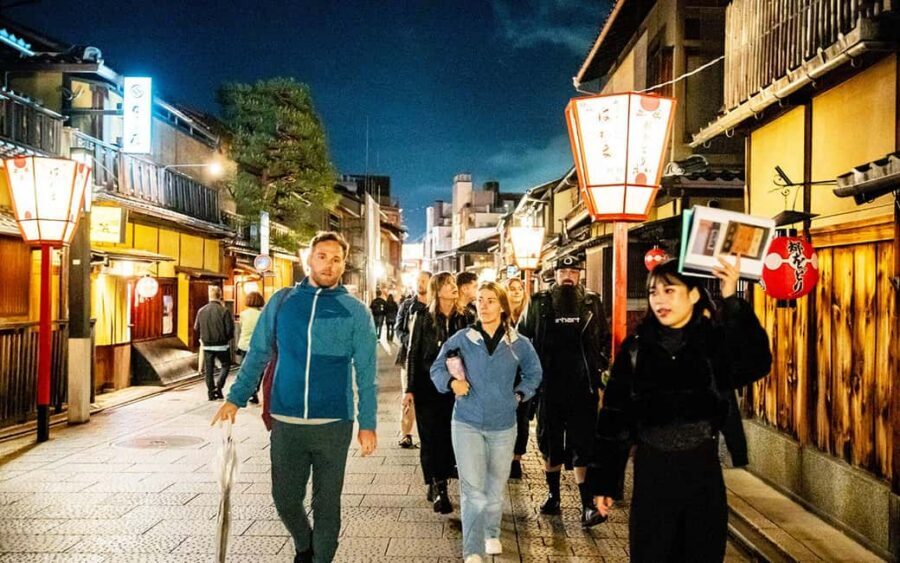
- Shirakawa Canal first: willow-lined, stone-paved lanes that set the mood fast
- A shrine stop with a thousand-year vibe: one of the tour’s signature religious sights
- Edo-period townhouses: wooden streetscapes that explain why old Kyoto still feels lived-in
- Quiet backstreets over big boulevards: more atmosphere, fewer interruptions
- Hanamikoji-dori finale: the best shot at a geisha sighting as evenings begin
- Restaurant and local tips: guides often share where to eat next
Meeting at Macdonald Shijo Ohashi: start easy, stay calm
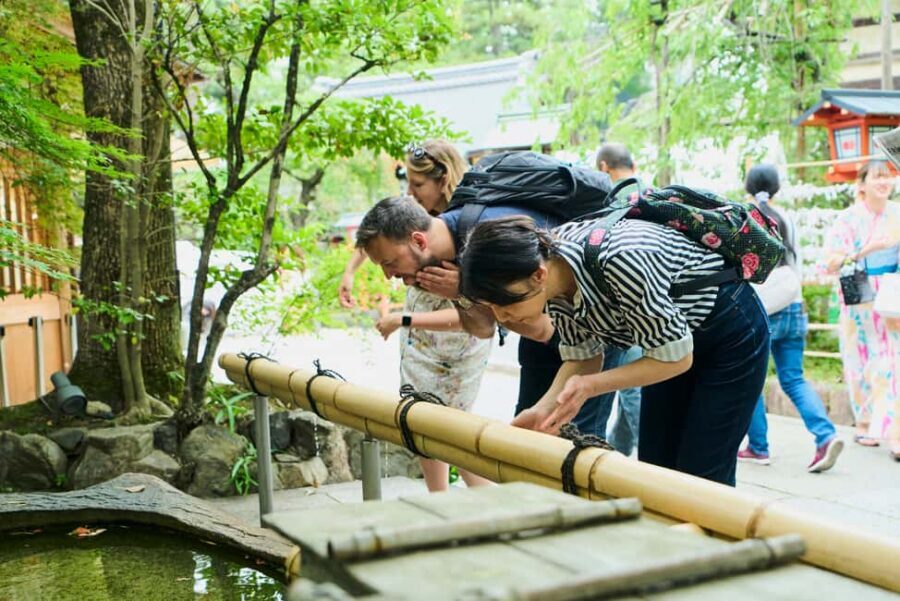
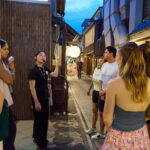
This tour’s meeting point is straightforward but busy: Macdonald 四条大橋店 near Shijo-Ohashi. The guide is holding a sign that says Local Guide Stars and will be waiting at the side of the restaurant, since the front gets very crowded. That’s actually a nice detail—if you arrive a few minutes early and walk to the side, you avoid the frantic scanning.
You’ll want to think like a local for this first minute. Wear shoes you can walk in for a couple of hours, because the route moves steadily from riverside to shrine areas and back toward Gion’s center. If you’re planning your evening meal afterward, this start location is convenient for building a path from the tour to dinner.
You can also read our reviews of more tours and experiences in Kyoto.


Shirakawa Canal: where Gion starts to feel quiet
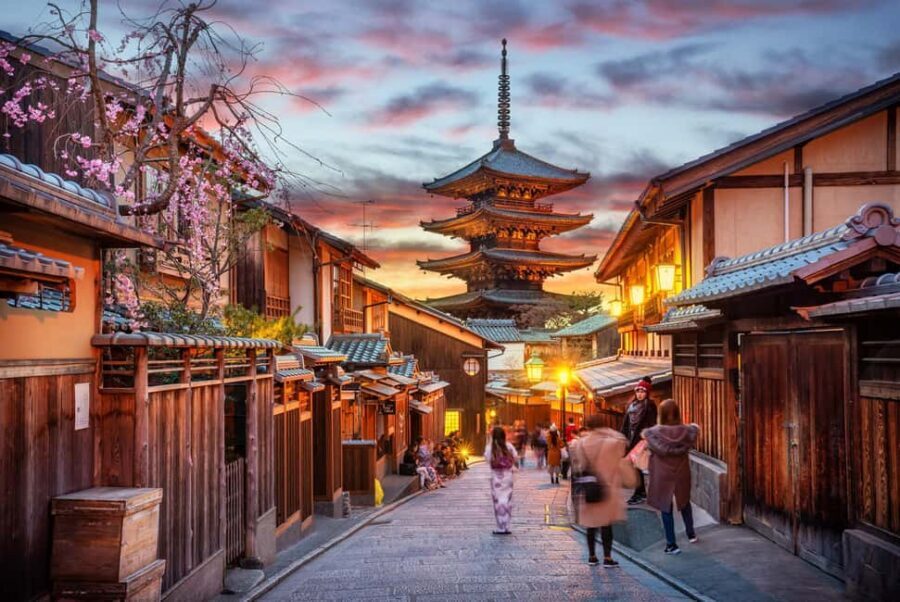
You begin at Gion Shirakawa, a riverside stretch lined with willow trees and traditional tea houses. The stone-paved paths and the calm rhythm of the canal make it an easy place to “reset” your eyes—Kyoto’s old textures stand out more when the light softens.
This is also where the guide’s role matters. You’re not just sightseeing; you’re learning how to see the neighborhood: what the lanes are like, why this area looks the way it does, and how it ties into Gion’s culture. The tour includes photo stops here, so expect a few short pauses to capture the canal and the streets running alongside it.
Practical note: because this is an evening-style walk, you’ll likely appreciate that the route later aims for quieter lanes, instead of forcing you to fight through dense crowds.
Tatsumi-jinja and Yasaka Shrine: the 1,000-year stop isn’t just a name
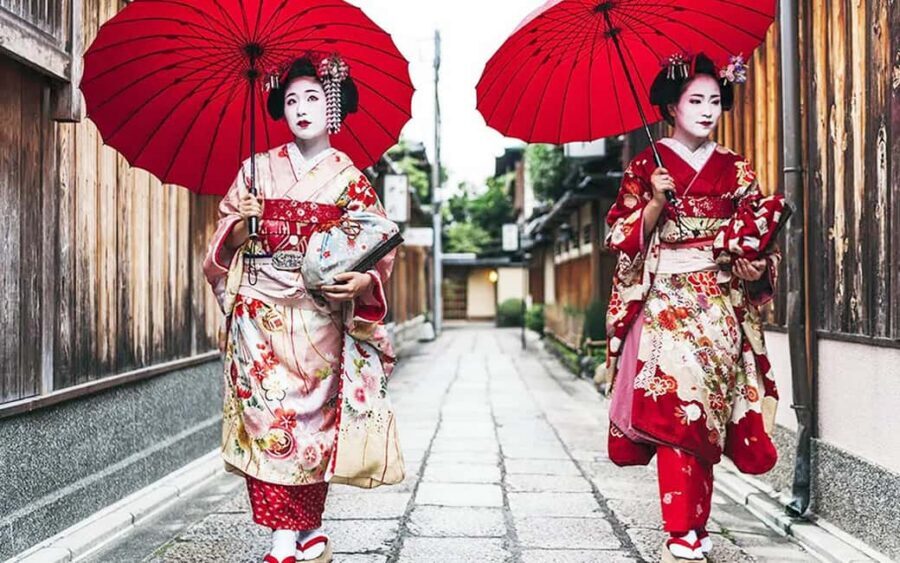
Next up are shrine visits, including Tatsumi-jinja Shrine and Yasaka Shrine. The tour highlights a 1,000-year-old shrine experience, and you should arrive ready to slow down a bit. Shrines are where Kyoto’s spirituality becomes visible in daily life—stone steps, carved details, and the sense that this place is more than scenery.
Expect guided walking and short stops for photos. The timing matters here: the tour is only 2 hours, so the guide keeps it moving while still giving you enough context to understand what you’re looking at. If you’re the type who likes knowing the meaning behind what you’re seeing, this is one of the best sections.
One important rule you’ll encounter along the way: flash photography isn’t allowed inside temples. Even if you’re focused on geisha culture, keep this in mind so you don’t get stuck later wondering why your flash won’t work.
Edo-period townhouses: how old Kyoto stays readable
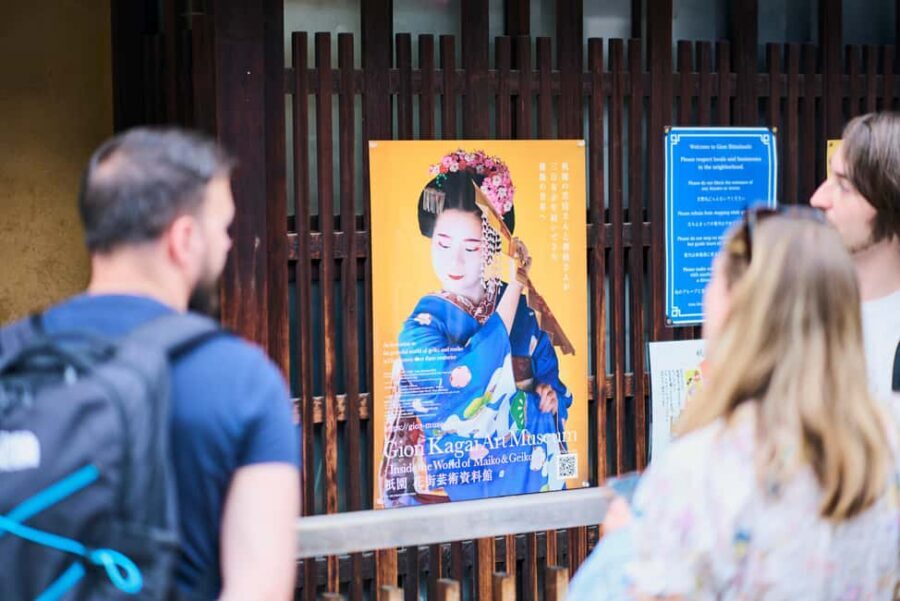
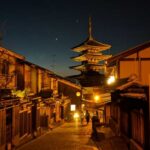
As you move through the route, you’ll pass Edo-period wooden townhouses, which is where Gion stops being “a district” and starts becoming a story you can walk through. These wooden facades and street layouts help explain why Kyoto’s old neighborhoods feel distinct from newer parts of the city.
What I like about this part of the tour is that it’s visually satisfying without requiring museum-style attention. You can look up, notice street proportions, and spot how the backstreets connect. The tour’s structure—scenic pauses, then quick transitions—keeps you from zoning out.
A useful takeaway for you: after this section, you’ll probably start noticing the street grid and lane character on your own. That’s the real value of a short guided walk: you learn enough to keep exploring independently after the tour ends.
Ninenzaka and Hōkan-ji Temple: steep lanes and a no-flash reality check
From shrine areas, the tour moves toward Ninenzaka, a lane you’ll reach with guided walking and photo stops. This is the kind of street where Kyoto photography usually works best—old-style streetscapes, classic viewpoints, and enough foot traffic to feel lively, but the tour pacing helps you catch quieter moments.
Then there’s Hōkan-ji Temple, another guided stop with photo opportunities and walking time. This is where the no-flash rule is especially relevant. The tour info is clear: photography is allowed, but flash photography is not permitted inside temples. So if you rely on flash for night shots, plan differently—think ambient light and steadier phone/camera settings.
If you care about comfort, Ninenzaka is one of the spots where your footwear matters. Bring shoes that don’t make you think twice. Short-steep lanes are part of Kyoto’s charm, and you’ll enjoy them more when your feet feel good.

Yasui Kompira-Gu Shrine: a quieter stop that still adds context
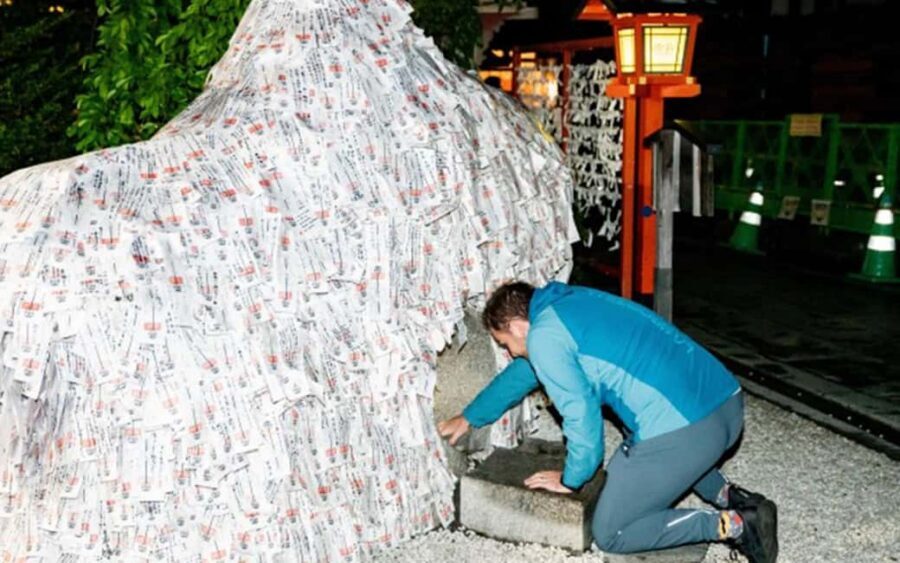
After the temple area, you visit Yasui Kompira-Gu Shrine. This stop is shorter than the big-name shrines, but it supports the tour’s main theme: Gion isn’t just fashion and tradition—it’s also a lived-in cultural map.
You’ll get another photo stop plus guided explanation, and you’ll keep moving through the lanes. Even if you don’t catch a lot of action here, I like this type of stop because it rounds out your understanding of the area. It’s not only about the geisha district’s most famous street; it also shows how religion, community space, and tourism overlap.
Hanamikoji-dori finale: your best chance at a geisha sighting
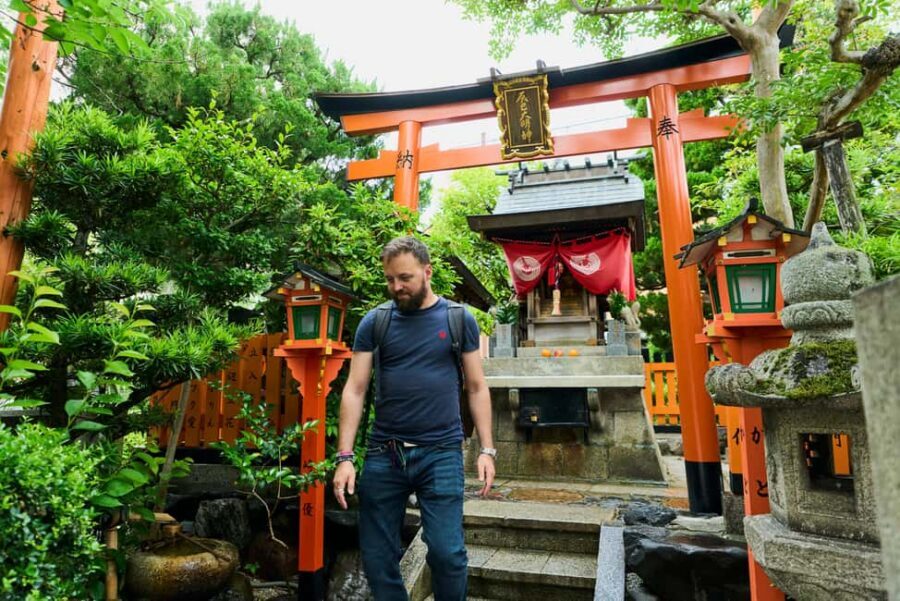
The tour ends on Hanamikoji-dori, which is the heart of Gion’s geisha district. This finale is built for timing. You may catch a glimpse of a geisha as she heads to an evening engagement, and the route gives you multiple chances to look carefully without feeling like you’re hunting in the dark.
Just as important, the guide shares what makes geisha culture tick—strict training, the graceful dances, and the craftsmanship behind kimonos and hairstyles. That background changes your viewing. Instead of seeing costuming as “just costumes,” you start recognizing the discipline behind it.
From the groups I’ve learned from, guides like Mai, Dan, Takumi, Uta, Wajid, Oliver, Noa, Isako, and Amane have led this style of experience. You can’t guarantee which guide you’ll get, but it’s clear the operator is committed to English-speaking locals who explain the culture in an engaging way, often with an entertaining sense of timing and pacing.
One thing to keep expectations realistic: geisha sightings depend on evening schedules. The tour’s value doesn’t vanish if you don’t see one in motion; you’ll still leave with a better sense of Gion’s layout and why the neighborhood feels the way it does.
Price and value: what $23 buys in 2 hours
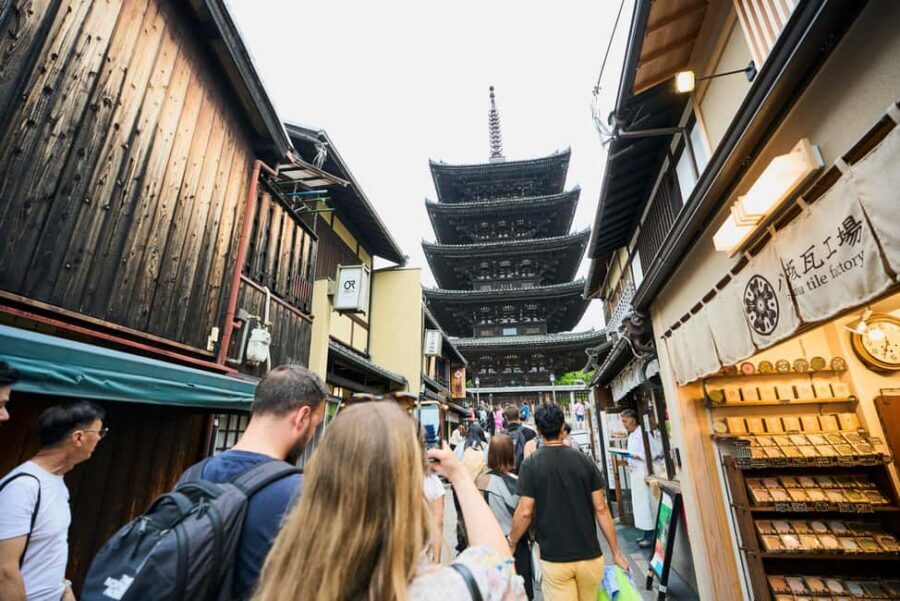
At $23 per person for a 2-hour guided walk, this is priced like a “use your time well” activity. You’re paying for two things that are hard to DIY without local context:
1) Direction and pacing. You get walked routes with built-in photo pauses and shrine stops that would be easy to miss or misunderstand on your own.
2) Cultural explanation. The guide’s talk about geisha training, dances, and the craftsmanship behind kimonos and hairstyles gives your photos meaning.
One extra value bonus: many guides also share local tips and recommendations, including where to eat afterward. That’s practical in Kyoto, where you’ll hit decision fatigue fast. If you’re only in town for a short time, having a curated starting point is worth something.
If you enjoy history but hate long lectures, this tour’s format is a win. It stays short enough to keep your energy, but structured enough to make your evening feel purposeful.
What to bring (and what can ruin your evening)
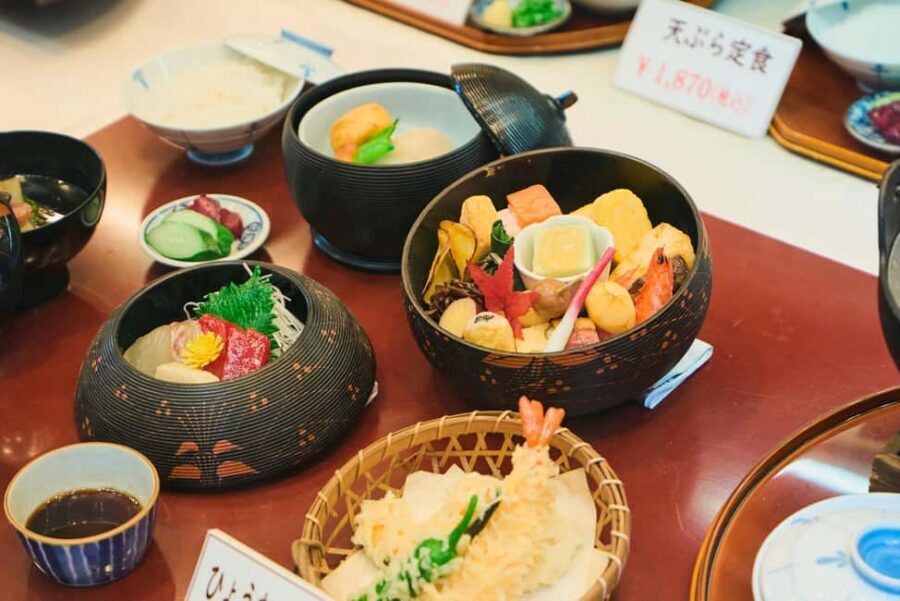
This tour asks for simple prep, and I’m grateful it does. Bring:
- Comfortable shoes
- Sunscreen
- Water
And because the tour runs even in weather shifts, pack for reality: it takes place even in rain, so bring an umbrella or raincoat.
Also remember:
- Flash photography is not allowed inside temples.
If you’re using your phone camera heavily, test your settings before you reach the temple stop so you’re not scrambling while others are waiting to move.
Who should book this Gion walk
This is a great fit if you want a focused introduction to Gion without overcommitting time. You’ll probably enjoy it most if you:
- Want to see Shirakawa Canal and Hanamikoji-dori in one compact plan
- Like short guided explanations that make streets feel legible
- Are visiting Kyoto for the first time and want a smart evening start
- Prefer to walk through quieter lanes and backstreets instead of only major streets
It’s not suitable if you have mobility impairments or use a wheelchair, since it’s a walking tour through areas that aren’t described as wheelchair-friendly.
Should you book? My take
Yes, I’d book this if you want the quick-hit version of Gion that still feels thoughtful. Two hours is long enough to cover the canal, major shrine area, classic lanes, and end where geisha sightings are most plausible—yet short enough to keep your evening flexible.
If you’re coming to Kyoto for the first time and want your bearings fast, this tour does that job. And even if the geisha moment doesn’t happen, you’ll still get a better read on old Kyoto’s street life, architecture, and cultural signals.
FAQ
Where do I meet the guide?
Meet at マクドナルド 四条大橋店. A guide holding a sign that says Local Guide Stars will wait at the side of the restaurant.
What’s the duration of the Kyoto Gion Hidden Gems & Geisha Culture Tour?
The tour lasts 2 hours.
Is flash photography allowed?
Photography is allowed, but flash photography is not permitted inside temples.
What should I bring?
Wear comfortable shoes and bring water and sunscreen. If rain is possible, bring an umbrella or raincoat.
Does the tour run in bad weather?
Yes. The tour takes place even in the rain.
Is it suitable for wheelchair users or people with mobility impairments?
No. It is listed as not suitable for people with mobility impairments or wheelchair users.