REVIEW · TOKYO
Tokyo: Asakusa and Tokyo’s Oldest Temple Senso-ji Tour
Book on GetYourGuide →Operated by Traveling Tokyo · Bookable on GetYourGuide
Tokyo’s old soul starts at Senso-ji. I like how this 2-hour walk lines up the big icons (Kaminarimon, Senso-ji) with the in-between lanes that make Asakusa feel real, not staged. I also like the small-group feel, since guides such as Shino and Embla (both often praised for fluent English and clear explanations) keep the pace manageable through crowded temple approaches. One consideration: the area around the gates and shopping street can get packed, so wear comfy shoes and stay close to your guide.
You’ll get a guided read on what you’re seeing, from how the temple’s traditions work to why certain charms and rituals matter. That’s the difference between snapping photos and actually understanding what’s going on. If you only have a short time in Tokyo and want a fast, meaningful intro, this tour has a lot going for it—at a price that’s hard to argue with.
In This Review
- Key things to know before you go
- Why Senso-ji and Asakusa feel like Tokyo’s real roots
- Meeting at Asakusa Station Starbucks: how to start without stress
- Kaminarimon Gate: the best quick orientation photo
- Nakamise Street: shopping lanes with stories behind the sweets
- Senso-ji Temple walk: turning rituals into something you can follow
- Asakusa Shrine: a calmer stop that adds meaning beyond the main temple
- The guide factor: why fluent English and local context change everything
- Price and value: what $14 buys in a 2-hour Tokyo intro
- Pace, crowds, and comfort: the one thing to plan for
- Who should book this Asakusa Senso-ji tour
- Should you book? My call
- FAQ
- Where is the meeting point for the tour?
- What time duration should I plan for?
- Is the tour offered in English?
- How big is the group?
- What main places will we visit?
- Is admission included?
- What does the price include?
- Is there free cancellation?
- Do I need to use WhatsApp before the tour?
Key things to know before you go
- Small group (up to 10): easier to hear the guide and keep your place in crowds.
- English live guide: stories and explanations are part of the package, not an afterthought.
- Photo-friendly temple landmarks: Kaminarimon, Nakamise Street, and Senso-ji get proper attention.
- Ritual and custom context: you learn how people approach and experience the temple space.
- Stops that go beyond the obvious: Asakusa Shrine helps you see more than just the main complex.
- Short and focused (2 hours): great if you’re juggling multiple Tokyo plans.
Why Senso-ji and Asakusa feel like Tokyo’s real roots
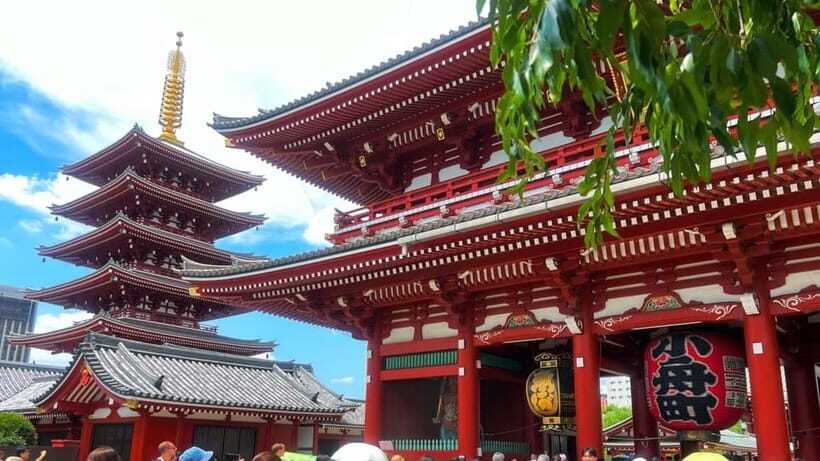
Asakusa is one of those places where Tokyo’s modern shine turns down a notch. You’re surrounded by reminders of older rhythms—temple gates, lanterns, traditional shop fronts, and the kind of foot traffic that makes you slow down without being told.
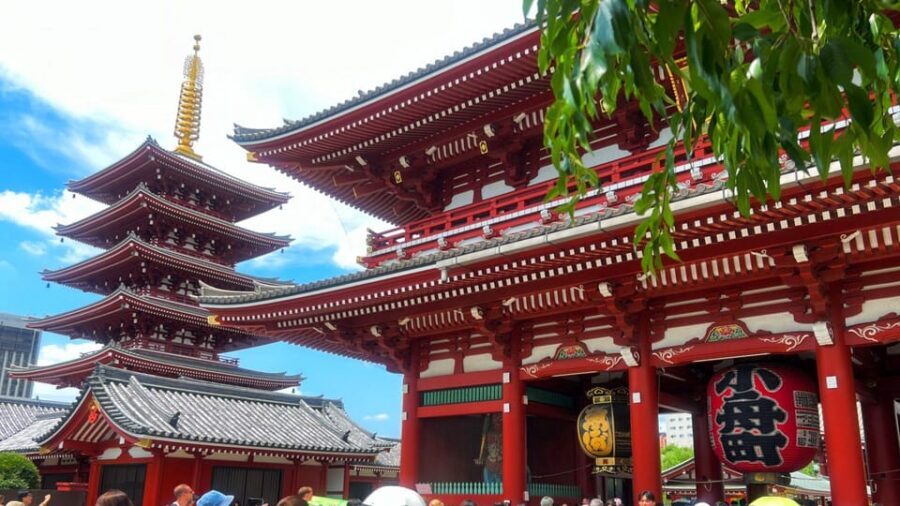
Senso-ji is the anchor. It’s one of Tokyo’s oldest Buddhist temples, founded in the 7th century, so it carries serious historical weight in a very walkable area. What I like about doing it with a guide is that you’re not just looking at buildings. You’re learning the why behind the layouts, the symbols, and the behavior you see on-site.
You can also read our reviews of more tours and experiences in Tokyo.



Meeting at Asakusa Station Starbucks: how to start without stress
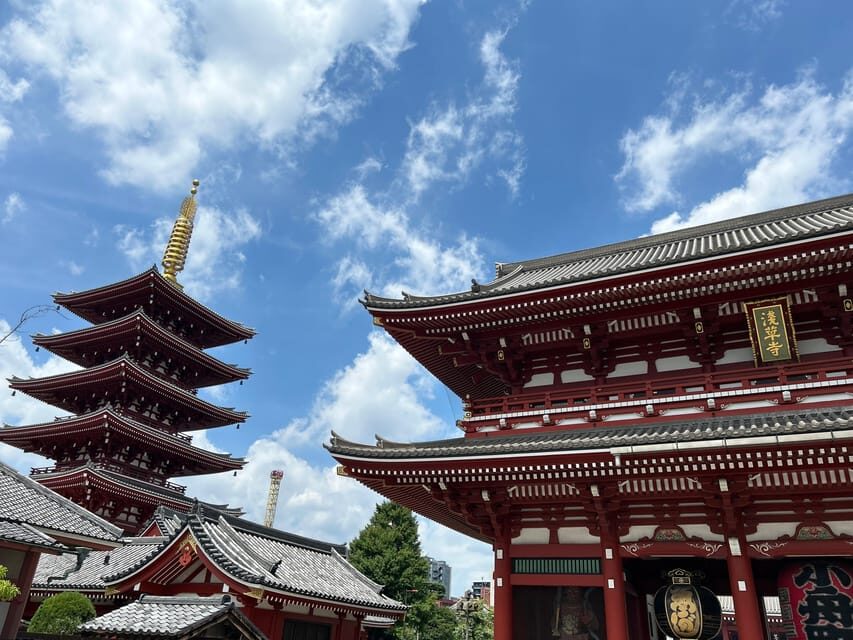
The tour meets in front of Starbucks closest to Asakusa Station (coordinates: 35.7119461, 139.7979446). The good news is that Starbucks makes a reliable landmark when you’re trying to navigate Japan’s transit stations.
One practical tip: download WhatsApp before meeting. The tour info specifically asks for it so you can match up smoothly with the group. In the real world, that small step can save you 10 minutes of wandering—and 10 minutes in Asakusa can feel like an hour once crowds pick up.
Kaminarimon Gate: the best quick orientation photo
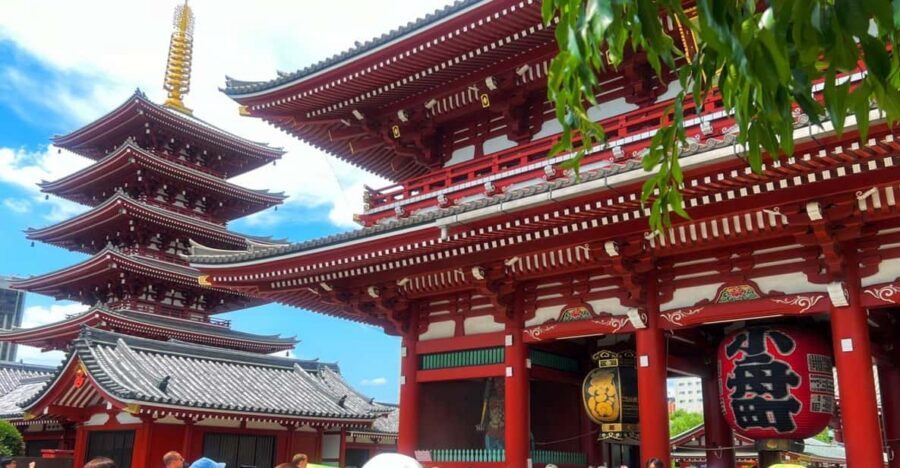
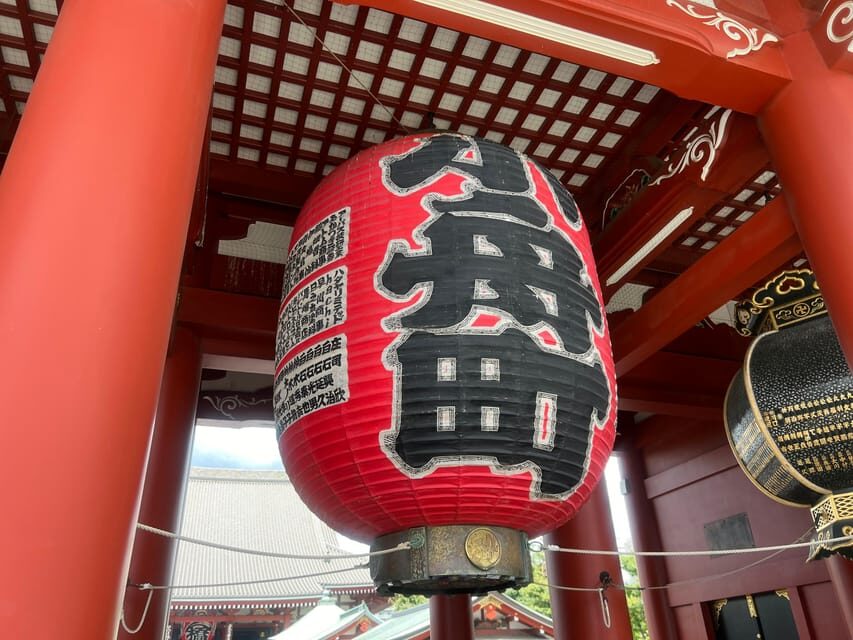
Your first big stop is Kaminarimon, the famous Thunder Gate. This is a “look, learn, and shoot” moment: you’ll do a photo stop, visit the area, and get guided context for what you’re seeing.
Why this matters: Kaminarimon is more than a postcard. It sets the tone for the whole temple approach. With a guide, you’ll understand the symbolism and the meaning people attach to entering the temple grounds, which helps your brain switch from sightseeing mode to “I get it” mode.
One drawback to expect: the gate area can be busy. In past tours, guides have been praised for making sure everyone stays together in dense crowds, so choose to keep your pace aligned rather than cutting away for extra photos.
Nakamise Street: shopping lanes with stories behind the sweets
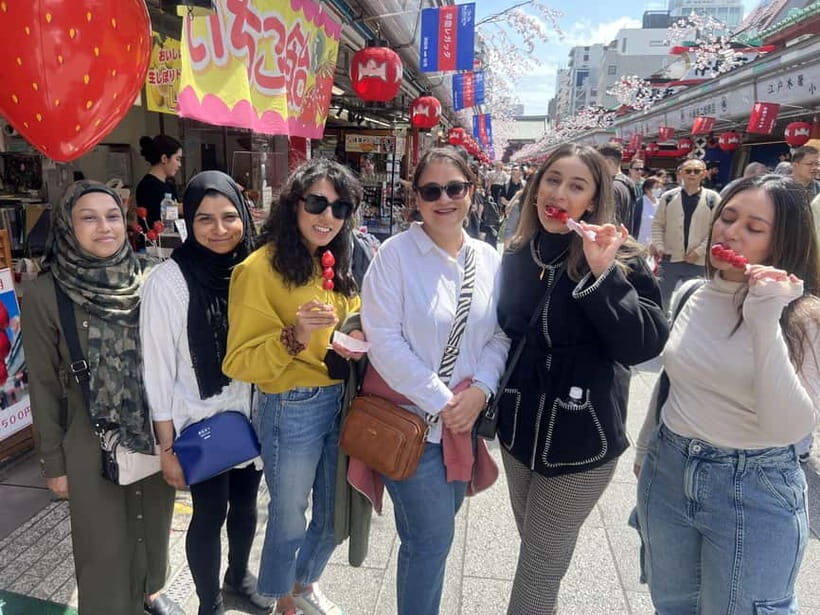
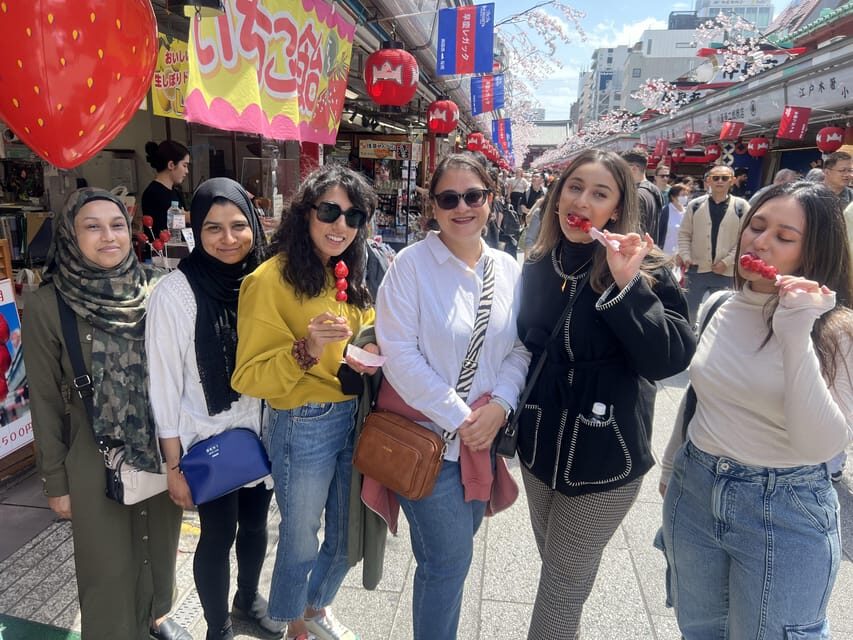
Next comes Nakamise Shopping Street, a long, traditional street leading toward the temple. You’ll get a guided walk here (about 20 minutes), so it doesn’t feel like you’re rushing through a food-and-souvenir blur.
This is where Asakusa starts to smell like childhood memories—even if you’ve never been before. Traditional snacks and classic souvenir items line the street, and the guide’s role is to help you make sense of what you see: what’s genuinely local, what people buy as gifts, and which items have more meaning than just packaging.
A note from the vibe of guide recommendations: some guides have shared food suggestions and snack ideas, including things like ningen-yaki (a red-bean treat). You should treat these as recommendations you may choose to try, not as an automatic “included tasting.” The real value is learning what to look for so your money goes to the things that feel connected to the neighborhood.
Senso-ji Temple walk: turning rituals into something you can follow
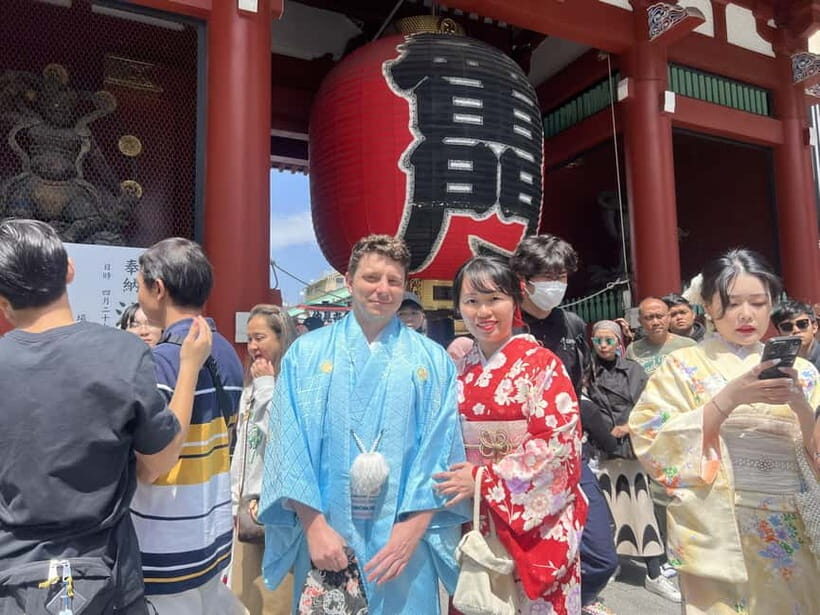
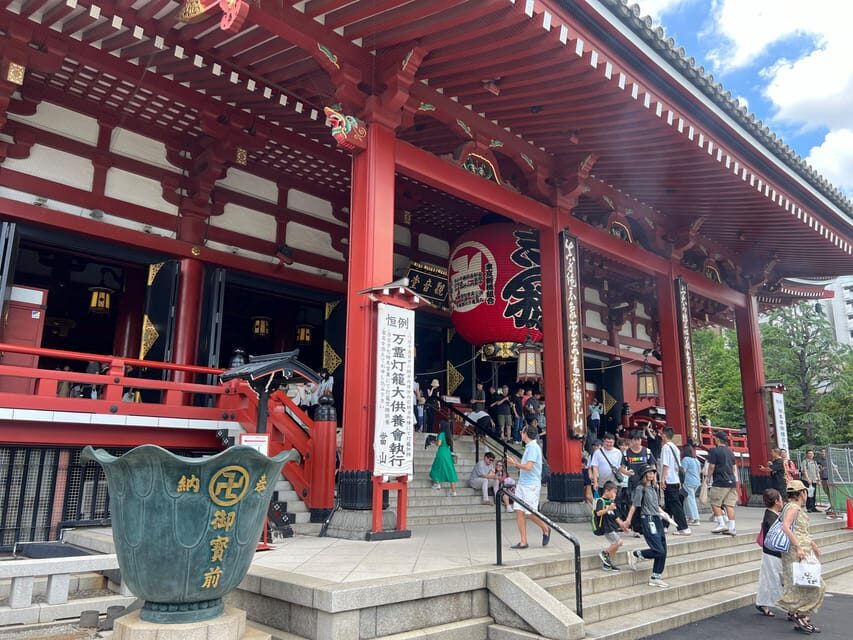
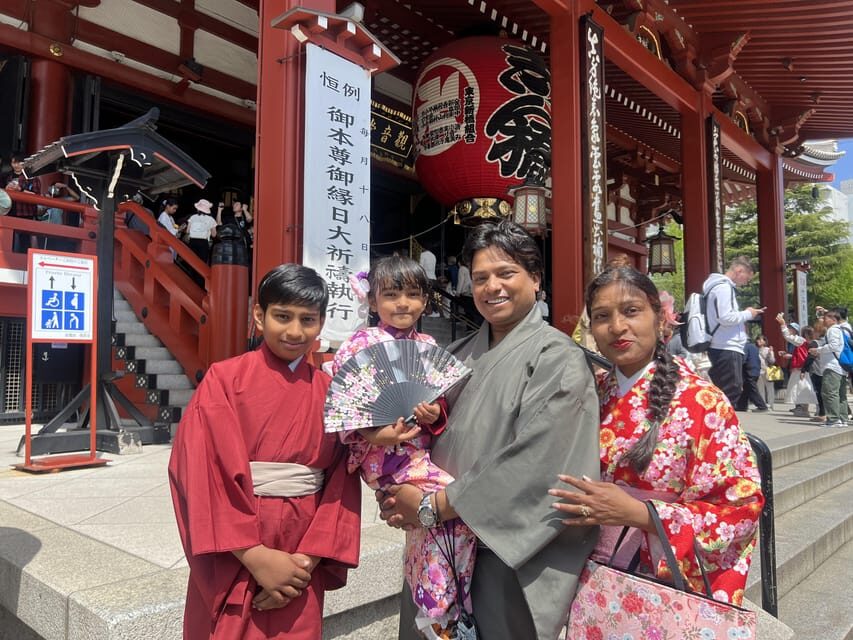
The tour’s centerpiece is Senso-ji Temple itself. You’ll have a guided visit and a walk segment (around 30 minutes), plus another photo stop. This is where the tour stops being “a sightseeing circuit” and becomes “a guided understanding of place.”
What makes this section work is the way the guides explain temple etiquette and cultural context. Guides have been praised for teaching how to approach the temple and understand Buddhist practice in plain English. If you’ve ever stood there thinking, I don’t know what I’m supposed to do, this is the fix.
You may also get insight into commonly practiced activities such as fortune-related traditions (some tour experiences specifically mentioned doing fortunes during a visit). Even if you skip anything personal, you’ll still walk away with a clearer picture of why people do what they do inside the temple space.
Practical consideration: Senso-ji is a popular stop, so the flow of people can slow your movement. The upside is that you don’t have to “fight” for timing; your guide keeps the group moving at a steady pace so you can enjoy the stops rather than just endure them.





Asakusa Shrine: a calmer stop that adds meaning beyond the main temple
After Senso-ji, you’ll visit Asakusa Shrine for a photo stop and guided time (about 30 minutes). This is a smart addition because it broadens your view of Asakusa from one iconic site to a wider spiritual and cultural map.
It also helps you see how the neighborhood balances major attractions with smaller, more personal spaces. Reviews often mention guides taking time to explain religious and cultural significance, and Asakusa Shrine is a strong place to get that kind of explanation without the same peak pressure as the main temple entrance.
If you like learning about traditions—not just architecture—this stop is one of the reasons the tour feels more satisfying than a quick temple-and-back routine.
The guide factor: why fluent English and local context change everything
This is one of those tours where the guide isn’t decoration. It’s the whole point.
Many guides tied to this experience have stood out for fluent English and strong storytelling. Names that come up often include Shino (praised for being born and raised in Tokyo and sharing less-obvious spots), Embla (praised for being organized and sending helpful details ahead of time), Nicolas (praised for engaging explanations and pacing), and Joe/Yota/Ryota/Ryota-style guides (praised for energy, patience, and taking extra time where it counted).
You’ll feel the difference in two ways:
- You’ll know what to ask. When a guide explains symbols and customs, your questions become better, and your photos get more meaningful.
- You’ll avoid awkward moments. People aren’t trying to be mysterious at temples, but etiquette can be confusing. Having someone guide you makes the experience smoother and more respectful.
Price and value: what $14 buys in a 2-hour Tokyo intro
At $14 per person for a 2-hour small-group walking tour, you’re paying for two things most DIY plans miss: real-time interpretation and included entries.
Your tour includes a guide, the walking tour format, and admission elements tied to the sights (including Senso-ji and Asakusa, plus the Nakamise experience as part of the guided route). Even if you’ve never done a guided tour before, this pricing structure is what makes it good value: you’re not funding a huge day-long itinerary. You’re buying a compact, guided orientation you can build on later.
The small-group limit (up to 10 participants) is also part of the value. You can actually hear explanations and keep up, instead of getting swept along like you’re part of a silent crowd.
Pace, crowds, and comfort: the one thing to plan for
This route covers several high-interest points in a short time. That’s great for first-timers, but it also means you’ll want to be physically ready for walking and standing.
Wear shoes you can handle for a few blocks of temple approach and shopping street traffic. Keep your phone charged for photos, but remember: the best moments aren’t always the loudest ones. Some of the most useful insights happen when the group slows down and the guide points out details you’d otherwise miss.
And if your schedule is tight, this tour is a smart opener. It gives you a mental map of Asakusa so your later wandering feels intentional instead of random.
Who should book this Asakusa Senso-ji tour
This tour is a great fit if you:
- Want a short, high-impact intro to Asakusa
- Care about meaning and etiquette, not just photos
- Prefer small groups (up to 10) so you can ask questions
- Are in Tokyo for the first time and want a guided “why this matters” route
- Like the idea of learning from locals; guides like Shino often focus on recommendations and context
If you’re the kind of traveler who prefers total self-direction with no structure at all, you might find a guided pace restrictive. But if your goal is cultural understanding, this format is designed for you.
Should you book? My call
Yes, if you want a 2-hour, guided Asakusa circuit that explains Senso-ji and adds depth with Kaminarimon, Nakamise Street, and Asakusa Shrine. The price-to-time ratio is strong, and the guide-led focus on customs and history is exactly what turns this area from scenery into understanding.
Book it especially if you’re trying to hit several Tokyo neighborhoods and need a reliable, meaningful start in the city’s old heart. If you show up ready to walk, ask questions, and stay close during crowded moments, you’ll leave with more than pictures—you’ll leave with context you can carry into your next stop.
FAQ
Where is the meeting point for the tour?
You meet in front of the Starbucks closest to Asakusa Station. The provided coordinates are 35.71194609999999, 139.7979446.
What time duration should I plan for?
The tour lasts about 2 hours.
Is the tour offered in English?
Yes, the live tour guide offers English.
How big is the group?
It’s a small group, limited to 10 participants.
What main places will we visit?
You’ll cover Kaminarimon, Nakamise Shopping Street, Senso-ji Temple, and Asakusa Shrine.
Is admission included?
Admission is included for Senso-ji Temple and Asakusa, and the tour includes entry to the Nakamise Shopping Street experience as part of the tour.
What does the price include?
The price includes a guide and the walking tour, plus the included admissions tied to the stops.
Is there free cancellation?
Yes. You can cancel up to 24 hours in advance for a full refund.
Do I need to use WhatsApp before the tour?
Yes. The meeting instructions ask you to download WhatsApp so you can meet up smoothly.