REVIEW · TOKYO
Discover Tokyo 3 Hour Customizable Private Walking Tour
Book on Viator →Operated by bunga · Bookable on Viator
Tokyo has a lot of faces.
This is a 3-hour private walking tour that helps you see several sides fast, without feeling rushed. You pick the start time that fits your day, and you can shape the route around what you care about most. I especially like the customization, because you’re not stuck with a one-size-fits-all checklist. I also like that you move through practical neighborhood areas where local customs show up naturally—shopping streets, alleyways, parks, and viewpoints.
One thing to consider: this is mostly walking and it’s at a moderate pace, so plan on comfortable shoes and a little stamina. The tour also does not include snacks or private transportation, so you’ll want to bring a game plan for breaks and getting between stops.
In This Review
- Quick hit highlights
- A 3-hour Tokyo walk you can actually steer
- Choosing your start time and meeting point
- Shibuya: back alleys, shops, and quick shrine moments
- Shinjuku: parks, drinking alleys, promenades, and city views
- Ueno Park and the path toward Ameyoko and Akihabara
- Odaiba, Shiodome, and Shinbashi: modern Tokyo plus the monorail
- The guide factor: how tips make the rest of your trip easier
- Price and value: what $91.04 buys you in real life
- What to expect day-of: walking pace and how to prep
- Who this tour suits best (and who might want something else)
- Should you book this Tokyo private walking tour?
- FAQ
- How long is the Tokyo private walking tour?
- Is this tour private or shared?
- Can I choose the start time?
- Where does the tour go?
- Are there admission tickets included?
- What’s included in the price?
- What’s not included?
- Is service animal access allowed?
- Is free cancellation available?
Quick hit highlights
- Private, only your group: no blending into a crowd, so questions actually get answered
- Start-time flexibility: you choose when to begin based on your schedule
- Tokyo highlights in 4 focused areas: Shibuya, Shinjuku, Ueno/Ame-Yoko/Akihabara area, and Odaiba/Shiodome/Shinbashi
- Free-entry style stops: the itinerary focuses on places marked with free admission
- Guide tips that pay off all trip: how to order basic items in Japanese and how to navigate public transport
- Guide time + mobile ticket: you get a real local walkthrough, not just a route on your phone
A 3-hour Tokyo walk you can actually steer
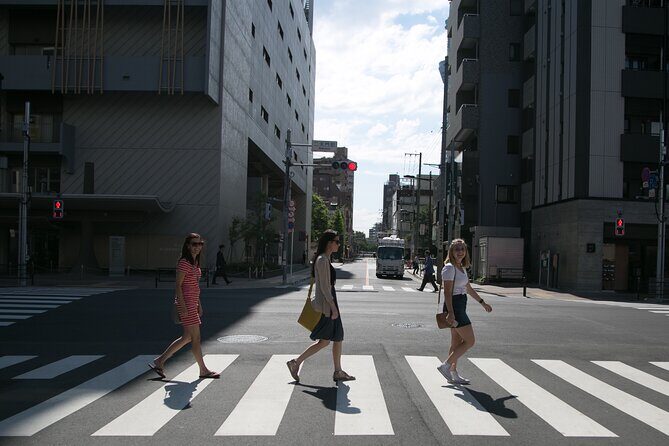
Tokyo can feel like a maze, even when the streets are clean and the signs are everywhere. What makes this tour work is that it’s short enough to stay fun, but structured enough that you won’t waste time guessing. In about three hours, you get an overview of several major districts, each with its own personality.
The real win is that it’s private and customizable. That means you can lean the experience toward what you want—culture, easy “first trip” orientation, or areas that feel more local than tour bus stops. Your guide can also answer practical questions while you walk, so you’re not just collecting photos. You’re learning how to move through the city.
This tour also keeps things flexible with multiple central starting points. If one meeting area is more convenient for your hotel, you’re not forced into a long commute just to start the walk.
You can also read our reviews of more walking tours in Tokyo


Choosing your start time and meeting point
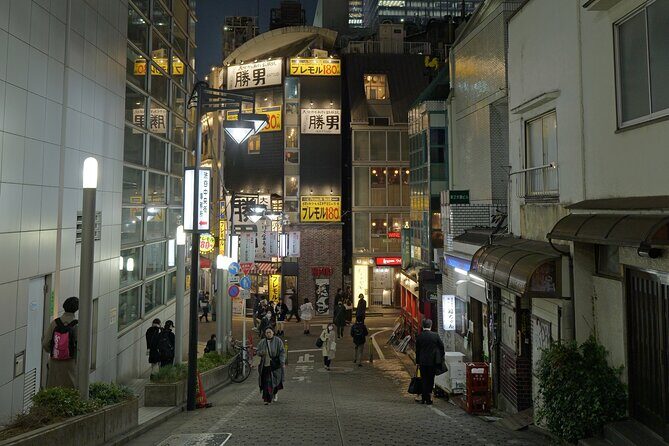
Since you can pick the start time that works for your schedule, you can match the tour to your energy and the lighting outside. Some places in Tokyo change mood hard between day and night, and Shinjuku in particular depends on when you go. If you want views and calmer streets, daytime tends to feel easier. If you’re chasing neon and late-night energy, you’ll want a start that lands you in that rhythm.
Meeting point options matter too. A central Tokyo start reduces friction. The tour is designed as a walking loop through major neighborhoods, so when your meeting spot is convenient, you spend more time outside exploring and less time transferring through stations just to get going.
Shibuya: back alleys, shops, and quick shrine moments
The tour’s first stop sets a tone: Tokyo street life, but with context. Around Shibuya, you’ll explore the area from the west side toward the east side, with time for back alleys and shops plus some small shrine scenery. That mix is important. Shibuya can look purely commercial at a glance, but the shrine pauses are a reminder that Tokyo’s modern edge and older customs share the same neighborhoods.
What I like about this stop is the pacing. You get about 45 minutes, which is enough to walk past recognizable energy spots and still slow down when something grabs your attention. Back alleys also do a good job of showing how neighborhoods feel at human scale—smaller signs, narrow storefronts, and lots of “oh, this is how people actually shop.”
A practical consideration: Shibuya is busy. Your guide can help you cross at the right time and keep the walk moving without turning it into a frustrating stop-and-go exercise.
Shinjuku: parks, drinking alleys, promenades, and city views
Next comes Shinjuku, and the best part is that it’s not treated like one single “thing.” It’s approached as a large area with multiple vibes—parks, drinking alleys, long promenades, and sweeping city views. How much you lean into each vibe depends on whether you’re doing the tour in the daytime or at night.
I like Shinjuku for the contrast. One minute you’re near greenery or open space; the next you’re in streets that feel built for social energy. Even if you’re not planning to bar-hop, drinking alleys are still useful to see because they explain a lot about how Tokyo social life is laid out: small entrances, clustered eateries, and the way people naturally form lines.
You also get the chance to chase views without needing to research which viewpoint is worth your time. The tour keeps this practical, focusing on what you can see and do in the time you have.
Main drawback to keep in mind: Shinjuku streets can be crowded around peak hours. If you’re sensitive to crowds, consider starting at a time that feels calmer to you.
Ueno Park and the path toward Ameyoko and Akihabara
If you want Tokyo that feels like layers—shrines, everyday shopping, and the pull of tech and gadgets—this is the stretch. The route moves through Ueno Park down toward the Akihabara area.
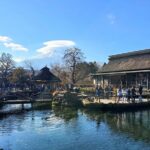
In Ueno, you’ll spend about 45 minutes with shrine sights like torii gates, plus time around a large pond. This section gives you a breather from the major retail zones while still staying in the middle of the city’s motion.
Then the tour heads through Ameyoko Street, a place known for street-food atmosphere and bargain shopping. The itinerary notes “ethnic street foods” and “bargain shopping,” which is a helpful clue: expect a more casual shopping environment than polished malls. It’s the kind of area where food stalls and small shops share space, so your guide’s guidance matters. You’ll be able to ask what’s worth trying and what to skip, especially if you’re not fluent in Japanese.
How this fits a first trip: Ueno/Ame-Yoko/Akihabara is a fast way to see three different Tokyo “moods” on one walk. It can also be a great place to pick up small souvenirs without turning your day into a shopping marathon.
One thing to plan: street-food and bargain shopping can turn into “one more stop” quickly. If you’re on a tight schedule, ask your guide to keep you moving, or set a limit for how long you want to browse.
You can also read our reviews of more private tours in Tokyo



Odaiba, Shiodome, and Shinbashi: modern Tokyo plus the monorail
The last major block shifts from old-meets-new to modern and designed. The route starts around Shinbashi, then takes the monorail out to Odaiba, a man-made island packed with sights.
In Odaiba, the highlights listed for the walk include a man-made beach, Rainbow Bridge, and a Statue of Liberty sight. This portion is excellent if you want skyline energy and “Tokyo feels like a movie set” views without needing a full day trip.
Also, the monorail segment is a practical bonus. It breaks up walking time and gives you an overhead perspective that you just won’t get on foot. Even if you’ve visited Tokyo before, Odaiba has a different layout and feel than the core neighborhoods, so it’s a smart contrast.
Why this section works in only three hours: Odaiba can easily eat time if you go off on your own. With a guide, you can hit the recognizable highlights and still end the tour with momentum instead of exhaustion.
The guide factor: how tips make the rest of your trip easier
This tour lives or dies on your guide’s ability to make Tokyo readable. The reviews attached to this experience highlight that the guides are friendly, patient, and attentive, and that the tour is well organized with real explanations.
What you can take away for the rest of your trip is not just where to go—it’s how to navigate. The tour description specifically points to guide tips like how to order basic menu items in Japanese and how to use public transportation. Those two things are the difference between feeling lost and feeling confident.
The names that stand out from prior participants are Bunga and Ron. One review noted that Ron customized the tour based on the couple’s interests and wove together neighborhoods in a way that kept logistics sensible. Another review praised Bunga for doing homework on what the group wanted and tailoring the itinerary so it fit together smoothly while also explaining culture and history in an easy-to-follow way.
Even without memorizing every detail, those skills matter. When you learn how to approach a menu or understand transit basics, you stop treating Tokyo like a puzzle you’re failing. You start treating it like a system you can figure out.
Price and value: what $91.04 buys you in real life
At $91.04 per person for about 3 hours, the value comes from what’s included: the guide. This isn’t “just a map.” You’re paying for human navigation, neighborhood context, and the ability to steer the route while you’re walking.
There’s also a practical angle: major Tokyo districts can take longer than you expect when you’re doing it alone. A three-hour private guide time can prevent wasted time circling around the wrong exits or second-guessing directions. When you factor that in, the cost can start to look less like a luxury and more like time-saving insurance.
A few important notes about what’s not included:
- Snacks are not included
- Private transportation is not included
- Stops are marked as free admission, so you’re not adding entry fees on top
The tour also includes a mobile ticket, which usually means less paper fuss once you’re in the city. And since group discounts are mentioned, if you’re traveling with friends or family who want the same pacing, it can be a smarter split.
What to expect day-of: walking pace and how to prep
Since the tour is described as having a moderate physical fitness level and being near public transportation, I’d prep like this is a focused walking session, not a sightseeing bus tour. Wear shoes you’d actually trust for several blocks. Bring a small water plan. If you have dietary needs, you may want to grab any snack items on your own, since snacks aren’t included.
Also, because it’s a private tour with only your group, you can ask for pauses without feeling like you’re holding up strangers. That’s a big deal in Tokyo, where bathroom breaks and quick stop-ins can make or break your comfort.
Finally, if you’re the type who likes to photograph a lot, this kind of tour helps because your guide can keep time moving. You won’t end up speed-walking through the best moments because you didn’t know where to stand.
Who this tour suits best (and who might want something else)
This experience is ideal if:
- It’s your first trip to Tokyo and you want quick orientation
- You like learning through neighborhoods, not just landmark checklists
- You want a plan that can adjust to your interests—culture, local customs, or off-the-crowd streets
- You value a guide who can explain practical things like basic menu ordering and transit navigation
It may be less ideal if:
- You want a very long, slow day with lots of sit-down time (this is about 3 hours)
- You hate crowd pockets (Shibuya and Shinjuku can get busy depending on timing)
- You’re looking for a food tour where snacks are a core part of the ticket (snacks aren’t included)
If you’re traveling as a couple, a pair of friends, or a small group who wants a smoother first day, it’s a solid fit.
Should you book this Tokyo private walking tour?
Yes—if you want a short, structured intro that still feels personal. The biggest strength is the combination of private customization and practical guide guidance you can use immediately: how to order simple things in Japanese and how to read public transport with less stress. Add four distinct districts—Shibuya, Shinjuku, Ueno toward Akihabara area, and Odaiba via monorail—and you get a lot of Tokyo in a tight window.
I’d book it especially when you’re trying to make your first day efficient. If you’re the kind of traveler who likes to understand how cities work while you walk through them, this tour is a smart way to start.
FAQ
How long is the Tokyo private walking tour?
It runs for about 3 hours.
Is this tour private or shared?
It’s a private tour/activity, and only your group will participate.
Can I choose the start time?
Yes. You can choose the start time that works for your schedule.
Where does the tour go?
It covers central Tokyo areas including Shibuya, Shinjuku, Ueno Park (down toward the Akihabara area), and Odaiba/Shiodome/Shinbashi.
Are there admission tickets included?
The itinerary notes free admission for the listed stops.
What’s included in the price?
A guide is included, and it uses a mobile ticket.
What’s not included?
Snacks and private transportation are not included.
Is service animal access allowed?
Yes. Service animals are allowed.
Is free cancellation available?
Yes. You can cancel for a full refund up to 24 hours in advance of the experience’s start time.