REVIEW · TOKYO
Tokyo Small-Group Ramen, Gyoza & Matcha Class with a Pro Chef
Book on Viator →Operated by UMAMI ONE · Bookable on Viator
Ramen is easier when someone shows you the steps. This small-group class in Ikebukuro pairs pro dashi guidance with hands-on miso ramen and gyoza prep at a pace that’s friendly for questions. The one thing to plan around: it can’t accommodate halal, vegetarian, vegan, or gluten-free diets.
I especially like that you’re not just watching. You make your own matcha, drink it right away, and eat Japanese sweets with what you’ve cooked, which turns the whole night into a practical food lesson. The location in Zōshigaya is also convenient from Shibuya and Shinjuku, and you finish back where you start.
In This Review
- Key Highlights You Should Know
- First Bite: What’s Actually Included in This 2-Hour Class
- Where You Meet and How Easy It Is to Get There
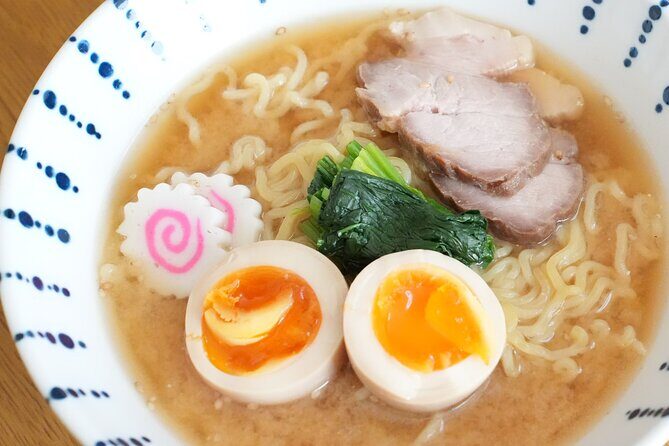
- Building Flavor: Dashi and Miso Ramen the Practical Way
- Gyoza at the Stove: Wrapping and Pan Results
- Matcha Green Tea and Japanese Sweets: A Real Tea Moment
- Cooking With a Pro and a Small Group: What the Pacing Feels Like
- Optional Alcohol and What You Should Know
- Turning Ikebukuro Into Bonus Time After Class
- Price and Value: Is $104.51 a Smart Trade in Tokyo?
- Who This Class Suits Best (And Who Should Rethink It)
- Should You Book This Tokyo Ramen, Gyoza, and Matcha Class?
- FAQ
- How long is the ramen, gyoza, and matcha class?
- Is this a small-group class?
- What’s included in the price?
- Are dietary restrictions like halal, vegetarian, vegan, or gluten-free accommodated?
- Is alcohol available?
- Where do I meet, and does the activity end there too?
- What if my plans change?
Key Highlights You Should Know
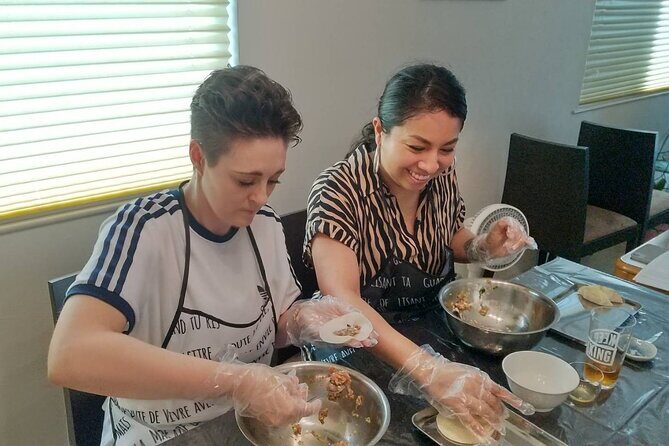
- Small group size (max 4) for more direct coaching and fewer waits at the stove
- Dashi to ramen workflow so you understand what’s happening, not just the final bowl
- Gyoza technique practice focused on getting the wraps and pan results right
- Matcha you prepare yourself, served with seasonal Japanese sweets
- Take-home recipes and photos so you can repeat the dishes later (and remember them clearly)
First Bite: What’s Actually Included in This 2-Hour Class
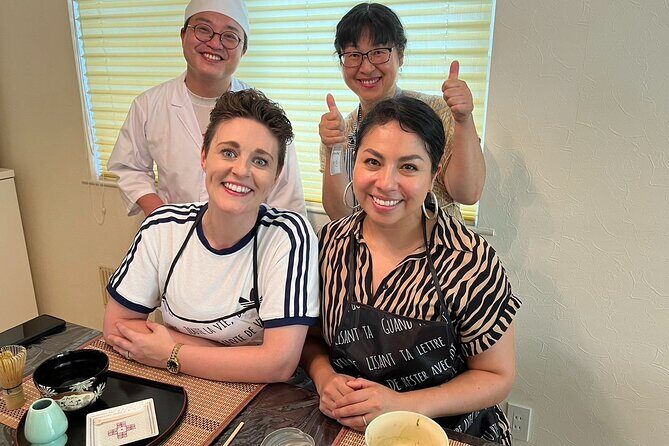
This is a 2-hour cooking class built around a full dinner: miso ramen plus gyoza. You’re also served matcha tea and Japanese sweets as part of the lesson, so you’re not leaving hungry after class ends.
You get easy-to-follow recipes to take home, an apron for the cooking time, and photos as a thank-you. I like that mix of learning + eating + follow-up materials. In Tokyo, that combination usually means you’re paying for a real outcome, not just a demo.
A few more Tokyo tours and experiences worth a look

Where You Meet and How Easy It Is to Get There
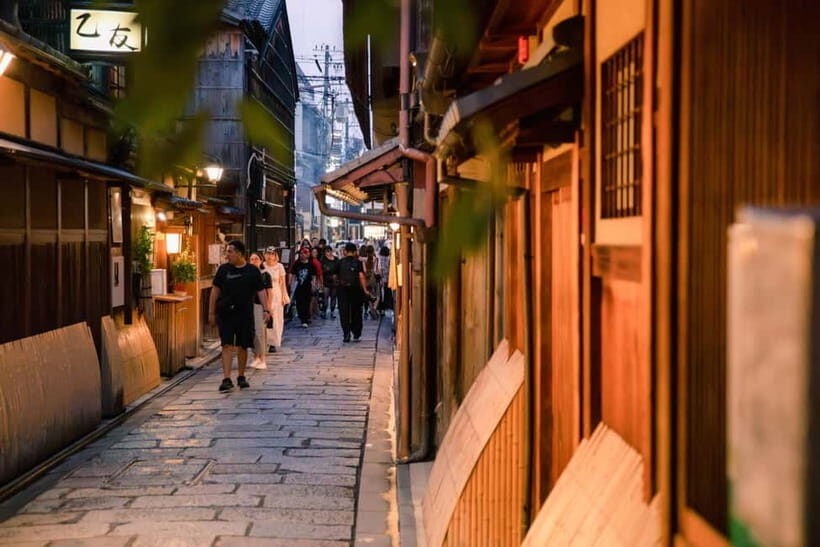
The meeting point is at 3-chōme-1-7 Zōshigaya, Toshima City. The class is in Zōshigaya, and it’s described as just one train ride from Shibuya on the Fukutoshin Line, passing by Meiji Shrine and Shinjuku along the way.
The nearest station area is Ikebukuro, which helps because you can usually stitch this into your day with common routes. After class, it ends back at the meeting point, so it’s simple to continue exploring without a tricky relocation.
A nice bonus nearby is Kishimo Shrine, with red torii gates. If you arrive a little early or have a short gap after class, that’s a calm spot to reset before you start cooking or to unwind after you eat.
Building Flavor: Dashi and Miso Ramen the Practical Way
If you’ve ever tried making ramen at home and ended up with something that tastes fine but not quite right, the problem is usually the base. This class focuses on the fundamentals, especially dashi.
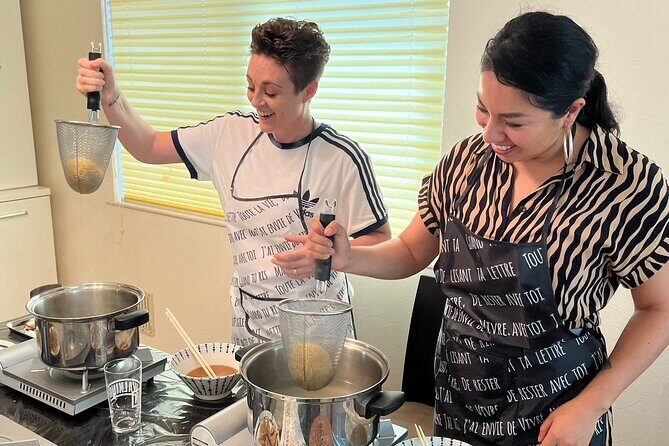
You’ll learn techniques from making dashi to crafting rich miso ramen. Even if you’re not an experienced cook, the value here is the teaching style: a chef guides you at your own pace, and the English-speaking guide explains ingredients and techniques so you know what to do and why.
Here’s the part I’d pay attention to: ramen isn’t only noodles and seasoning. When you learn the base and the build steps in sequence, you can recreate the flavor at home later without guessing. That also helps if you want to adjust saltiness, richness, or aroma in your own kitchen.
Also, since the class is limited to a maximum of 4 travelers, you’re less likely to feel rushed while you’re working on small tasks like measuring, mixing, or timing parts of the ramen. You get room to ask questions and correct mistakes on the spot, which is exactly what you want when you’re learning something new.
Gyoza at the Stove: Wrapping and Pan Results
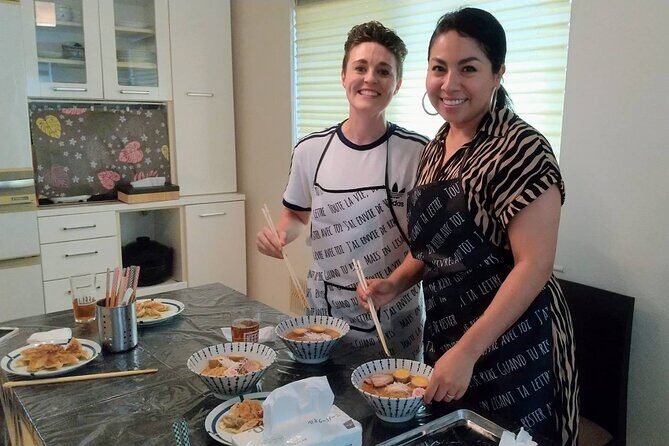
Gyoza is one of those foods that looks simple until you’re the one responsible for the fold. In this class, you’ll make gyoza alongside your ramen dinner.
The chef teaches you at your own pace, which matters because gyoza has a few stages: preparing, shaping, and then cooking so you get the texture contrast people expect. You’ll also have easy-to-follow recipes to help you repeat the process later.
I like the way this lesson supports learning through action. You’re not just collecting tips; you’re doing the work. That makes it much easier to remember steps like how the wrappers should feel when you handle them, or when to adjust heat so the pan cooking doesn’t go sideways.
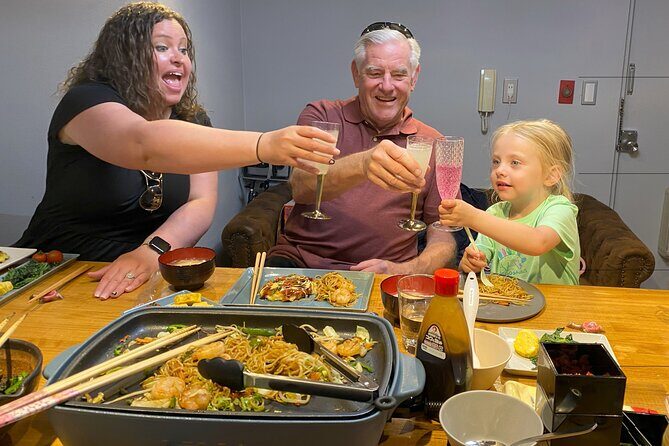
And yes, you’ll actually eat the results. Dinner miso ramen and gyoza are included, so you’re testing the final bowl and plate right after you cook them. That turns the class into a feedback loop instead of a one-and-done activity.
Matcha Green Tea and Japanese Sweets: A Real Tea Moment
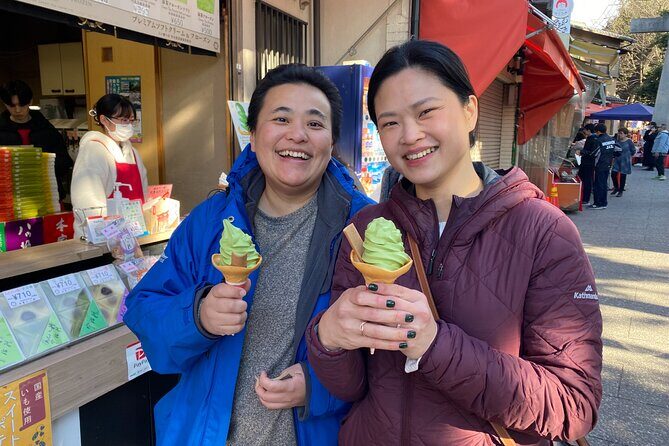
This class doesn’t treat matcha like a side quest. You prepare your own matcha green tea and then savor it with seasonal Japanese sweets.
If you’ve had matcha that tasted more bitter than you expected, the lesson value is simple: you learn how to make it in the context of a Japanese tea experience. The guide explains what you’re doing, and you get to taste it as part of the class instead of taking home an instruction sheet and guessing.
The sweets matter too. Pairing matcha with the right type of sweet is how tea culture becomes more than just a drink. It’s part of the flavor balance—bitterness from the tea and sweetness from the dessert, working together instead of competing.
If you enjoy food education, this matcha portion is a nice contrast to the ramen and gyoza cooking. One part is heat and timing at the stove; the other is technique and attention to taste.




Cooking With a Pro and a Small Group: What the Pacing Feels Like
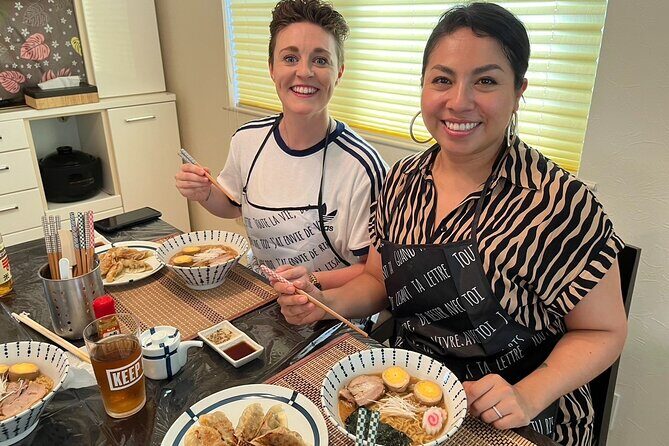
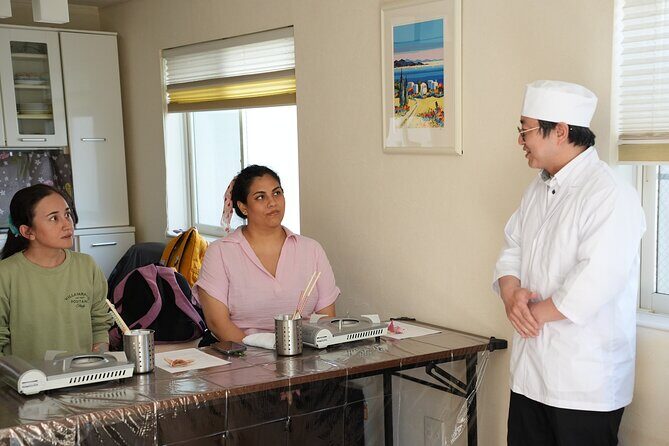
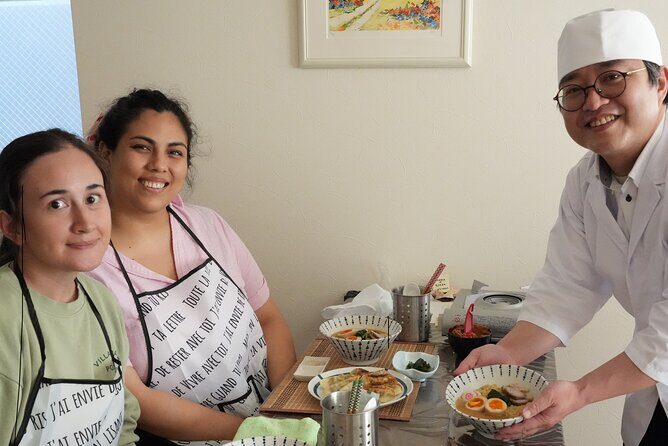
A big reason this class earns top marks is the structure. It’s a small-group lesson with a maximum of 4 participants, and the chef adjusts to each person’s pace.
That’s a practical advantage. In bigger classes, you often spend more time waiting for the instructor to notice you. Here, you can get clear answers while you’re mid-step. Even if you’re slow at chopping or still learning how to shape gyoza, you’re not punished for it.
The other win: time stays on track. In the feedback I saw, time was respected and questions were answered, which is exactly what you want from a 2-hour experience. You don’t want a class that turns into a long, confusing kitchen marathon.
Optional Alcohol and What You Should Know
Alcohol isn’t included, but you can add it for an extra 500 yen each, paid in cash on the day. The listed options are Hakkaisan sake (180ml) and Kirin Ichiban Shibori beer (350ml).
This matters mostly for planning. If you want sake or beer, bring cash so you’re not scrambling at the last minute. If you don’t drink alcohol, no worries; your included dinner and matcha are still the core experience.
Turning Ikebukuro Into Bonus Time After Class
Once you’re done, you’re free to explore the Ikebukuro area. The information points out shopping and sightseeing spots like Animate, the Pokémon Center, and electronics stores, plus the general convenience of being near major transit.
I’d treat this as your flexible window. If you like pop culture shopping, go straight there. If you prefer calmer time, use the nearby shrine area mentioned earlier for a short stroll before you head into the stores.
Since the class ends back at the meeting point, you’re not stuck trying to navigate a new location while you’re hungry or tired. That makes it easier to keep the day feeling light and enjoyable.
Price and Value: Is $104.51 a Smart Trade in Tokyo?
At $104.51 per person for about 2 hours, this class isn’t the cheapest thing you can do in Tokyo. But it is good value if you want a hands-on dinner plus skills you can repeat.
Here’s why the price feels fair based on what you get:
- Included dinner: miso ramen and gyoza, not just snacks
- Included beverages: matcha tea and Japanese sweets
- Learning materials: take-home recipes
- Small-group attention: max 4 participants
- Extras: aprons and photos
In other words, you’re paying for an experience that feeds you and teaches you. If you’ve ever spent money on a food tour where you mostly eat and do little learning, this is the opposite. You leave with techniques you can use again, not only memories.
Who This Class Suits Best (And Who Should Rethink It)
This is a strong fit if you:
- Want a true cooking lesson in English, not a silent kitchen pass
- Prefer small-group instruction with lots of room for questions
- Enjoy ramen and gyoza and want to understand the base and process
- Like tea culture and want to make matcha yourself
It may be less suitable if you have dietary needs like halal, vegetarian, vegan, or gluten-free. The class can’t accommodate those restrictions, so if that’s you, look for a different experience.
Also, if you don’t enjoy cooking at all and just want to eat, you might find a class-style format more effort than you want. The payoff here is learning through doing, so bring the right mindset.
Should You Book This Tokyo Ramen, Gyoza, and Matcha Class?
I’d book it if you want a practical Tokyo food evening with real take-home value. The small group size, chef coaching, included dinner, and matcha preparation all point to an experience that’s designed to leave you satisfied and capable, not just entertained.
Hold off if your dietary needs don’t match the class limits. And if you’re the type who hates kitchens, consider that you will actively cook and learn, not only watch.
If you’re heading to Tokyo soon and want a doable, not-too-long class that centers on ramen fundamentals and gyoza technique, this is the kind of plan that works well on a busy itinerary. You’ll eat well, learn clearly, and have recipes for round two at home.
FAQ
How long is the ramen, gyoza, and matcha class?
It runs for about 2 hours.
Is this a small-group class?
Yes. The class has a maximum of 4 travelers.
What’s included in the price?
Dinner includes miso ramen and gyoza, plus matcha tea and Japanese sweets. You also receive take-home recipes, aprons, and photos.
Are dietary restrictions like halal, vegetarian, vegan, or gluten-free accommodated?
No. The class cannot accommodate halal, vegetarian, vegan, or gluten-free.
Is alcohol available?
Alcoholic beverages are not included, but you can buy sake or beer on the day for an additional 500 yen each, paid in cash.
Where do I meet, and does the activity end there too?
You meet at 3-chōme-1-7 Zōshigaya, Toshima City. The activity ends back at the meeting point.
What if my plans change?
You can cancel for a full refund up to 24 hours before the experience starts.