REVIEW · KOBE
Kyoto 9hr Private Tour (Kobe Dep. ) with Licensed Guide
Book on Viator →Operated by Japan Guide Agency · Bookable on Viator
Kyoto in one day feels doable. This private licensed English guided tour is built for people staying in Kobe who want to see classic Kyoto highlights—temples, shrines, and old neighborhoods—without getting lost in the maze. What makes it especially interesting is the format: you meet in Kobe, ride public transportation to Kyoto, then spend the bulk of the day walking with a guide who can tailor the stop list to your group.
Two things I like a lot: you get government-licensed guidance (not just a casual sightseeing walk), and the tour is designed around choosing 3-4 sites from a long menu, so you’re not forced to sprint through everything. One drawback to plan for: entrance fees and most transportation costs are not included, so your final day budget depends on what you pick and how you travel to Kyoto.
In This Review
- Key points to know before you go
- Kyoto from Kobe: why this private day can be a win
- Price value: what $221.52 buys you
- The guide factor: licensed English help that saves time and confusion
- A small-but-real caution: train costs aren’t included
- Picking your 3-4 sites: how to design a Kyoto day without sprinting
- Fushimi Inari-taisha: the shrine walk that frames Kyoto’s vibe
- What to consider
- Kiyomizu-dera: the big temple with the big views
- Drawback to plan for
- Nijo Castle: history you can walk through
- Ticket note
- Gion and Hanamikoji area: geisha district without the stress
- Pairing idea
- Nishiki Market: Kyoto’s kitchen for quick sampling
- What to expect
- Kyoto Imperial Palace: formal history in a calm setting
- Pontocho: dining alley atmosphere by the river
- Higashiyama walking: the historic lanes that feel old Kyoto
- Ginkakuji (Silver Pavilion) and Nanzenji Suirokaku: Zen gardens in motion
- Practical note
- Tofuku-ji and Toji: big Zen temples outside the most obvious crowd
- Kinkakuji (Golden Pavilion): the gold-leaf icon
- Ninna-ji and Shugakuin Imperial Villa: more calm, more garden logic
- Kibune and Kurama: northern valley calm (if you want less central chaos)
- Ryoan-ji’s rock garden: famous minimalism on purpose
- Byodoin Temple in Uji: add travel time and expect a commitment
- Arashiyama: Togetsukyo Bridge, bamboo groves, and villa gardens
- What to consider
- Daitoku-ji, Myoshinji, Eikando: Zen complexes for people who enjoy quiet structure
- Sanjusangendo: 1001 Kannon statues and a wall of attention
- Kennin-ji and the market streets: old temple near modern bustle
- Shugakuin, Katsura Rikyu, and other villa-garden ideas for architecture lovers
- When is this tour best for you?
- My honest take: book it, but choose stops and confirm costs
- FAQ
- How long is the tour?
- Is this a private tour?
- Where do we meet the guide?
- How do we get from Kobe to Kyoto?
- Is the guide English speaking?
- Are entrance tickets included?
- Do I need to buy transportation separately?
- Can I customize which sites we visit?
- Is lunch included?
- Is there free cancellation?
- Are service animals allowed?
Key points to know before you go
- Licensed English guide, private format: only your group, with a guide who can explain what you’re actually looking at.
- Meet in Kobe and ride public transportation: plan on about 90 minutes one way to reach Kyoto.
- Pick 3-4 stops from a big highlight list: the long itinerary is more like an options menu than a single fixed route.
- Some major sights require separate tickets: you’ll want to check entrance fees for the exact stops you choose.
- Public transport experience can be smooth: one guide-led trip is described as using tram/train/subway/bus with quick connections.
- Confirm train choices up front: Shinkansen costs have been a sore spot when rail costs weren’t clearly handled.
Kyoto from Kobe: why this private day can be a win
If you’re based in Kobe and thinking, Kyoto sounds great but I don’t want the stress—that’s exactly where this tour fits. You’re not trying to “day-trip” on your own with ticket machines, transfers, and the problem of choosing which temples are worth your energy.
The structure is simple. You meet your guide in Kobe on foot within a designated area, then head to Kyoto by public transportation. From there, the walking part is where the tour shines: it’s designed as a paced, explanation-forward stroll through key neighborhoods and landmark temples.
And because it’s private, the guide can respond to what you care about. One family described how they were guided through Kyoto’s systems and etiquette-related stories at Nijo Castle and then into Gion to understand geisha life. Another review praised how the guide navigated the day smoothly even though time felt tight at first. That’s what you’re buying: a day that feels planned, not rushed.
You can also read our reviews of more guided tours in Kobe


Price value: what $221.52 buys you
At $221.52 per person, this isn’t a cheap group deal. But it’s not trying to be. You’re paying for:
1) a licensed local English guide,
2) a private experience (only your group), and
3) a day that includes transit to the Kyoto area (while still letting you choose how to pay for your ride).
The key value test is this: if you were to hire a guide in Kyoto only, you’d likely pay similarly—then you’d still have to solve Kobe-to-Kyoto logistics yourself. Here, the tour is set up so you get a guided day without turning the trip into a math problem.
The guide factor: licensed English help that saves time and confusion
A licensed English guide changes the texture of Kyoto. Without guidance, you can absolutely visit the big names—but you often end up seeing shapes and signs. With a guide, you start understanding why the place looks the way it does.
The tour is marketed as being led by a government-licensed local English-speaking guide. In the reviews, guides named Shogo and Kazuko are specifically called out, and their strength shows up in how they approach the day: prompt meeting times, smooth routing, and site-by-site explanations.
Here’s the practical part: Kyoto is full of places that look similar at first glance—temple gates, courtyards, hillside paths. A good guide helps you read the city while you’re walking, so you don’t waste your one day asking yourself what you just passed.
A small-but-real caution: train costs aren’t included
One low rating mentions an issue with rail fares if choosing the Shinkansen, with the concern that extra train cost wasn’t made clear until later. The tour details do say transportation fees are not included.
So my advice is blunt: decide your Kobe-to-Kyoto travel plan before you go, and confirm what’s included vs. what you’ll pay separately. If you want the Shinkansen, price it early. If you prefer local trains, that’s your choice too.
Picking your 3-4 sites: how to design a Kyoto day without sprinting
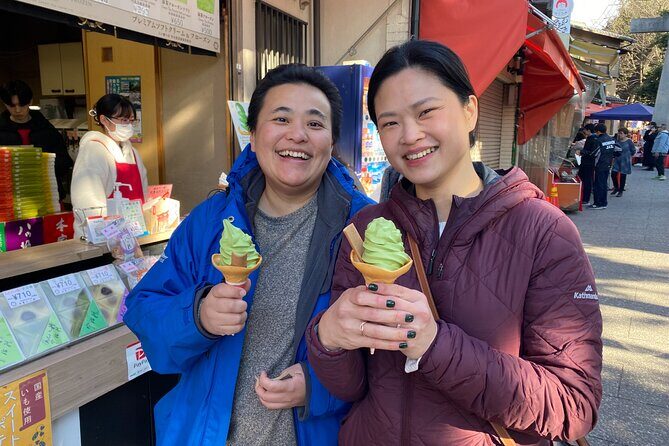
This tour doesn’t force a single fixed mega-route. It says you can choose a walking tour of 3-4 sites from the list of “What to expect.” That flexibility is huge, because Kyoto’s biggest mistake for first-timers is over-ordering.
Think of the stop list as a buffet. You pick the parts that match your interests:
- Classic shrine-and-temple Kyoto (Fushimi, Higashiyama)
- Historic power and warriors (Nijo Castle, Ryoan-ji area choices)
- Iconic views and gardens (Kinkakuji, Ginkakuji, Katsura Rikyu)
- Old dining streets and evening atmosphere (Gion, Pontocho, Nishiki Market area)
- Arashiyama landscapes (Togetsukyo Bridge, bamboo groves, villa gardens)
Below, I’ll walk you through what each major stop means—and where you might hit friction.
You can also read our reviews of more private tours in Kobe


Fushimi Inari-taisha: the shrine walk that frames Kyoto’s vibe
Starting with Fushimi Inari-taisha Shrine is smart because it sets the tone. It’s famous for its shrine approach and the experience of moving through the site rather than just looking at a building from outside.
In your tour day, it’s described as a short stop with free admission. That’s valuable for two reasons:
1) It doesn’t eat up your budget.
2) It gives you an iconic Kyoto “I’m here” moment without burning hours on ticket lines.
What to consider
If you pick it as one of your 3-4 stops, check your timing. Fushimi is one of the most popular places in Kyoto, so you may want to pair it with a later, more spread-out temple neighborhood.
Kiyomizu-dera: the big temple with the big views
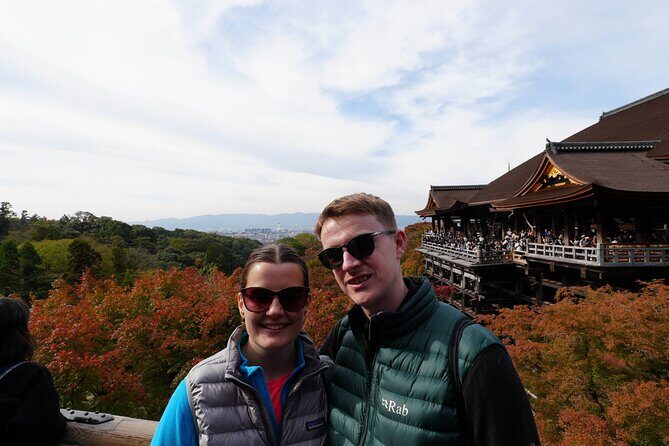
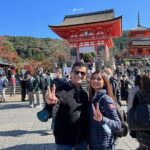
Kiyomizu-dera is one of Kyoto’s headline temples, and your tour includes a guided visit that’s described as comprehensive with about an hour set aside for the guided experience. Admission is marked as not included, so this is one of the places that can affect your final cost.
Why it’s worth it with a guide: Kiyomizu-dera isn’t just “a temple.” It’s a viewpoint temple. A guide can help you understand what you’re looking at from the viewpoints, and what the temple’s layout is telling you.
Drawback to plan for
This is a place where your feet will keep moving. Even with guidance, you’ll want comfortable shoes and realistic energy.
Nijo Castle: history you can walk through

Nijo Castle is a UNESCO World Heritage site built in 1603 as the Kyoto residence of Tokugawa Ieyasu (the first shogun of the Edo Period). The tour frames it as learning about the life of the shogun’s system through the castle experience.
Here’s the practical win: castles can feel like “stone + halls” unless someone explains what you’re seeing—power, control, and how spaces were designed for ruling. A licensed guide is especially helpful for this stop.
Ticket note
Admission is listed as not included, so it’s another cost factor, but it’s also one of the most educational choices on the list.
Gion and Hanamikoji area: geisha district without the stress
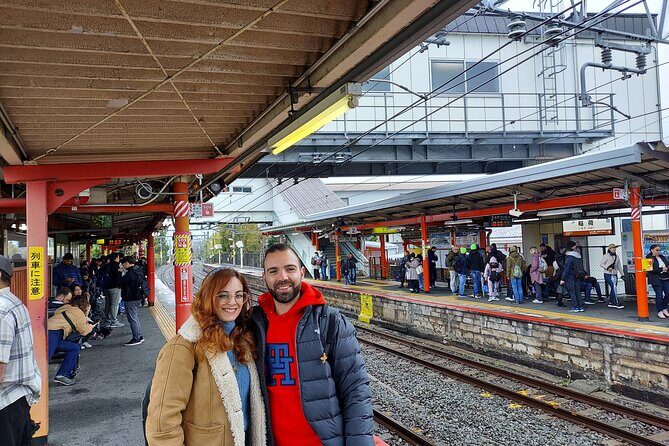
Gion is where Kyoto can feel like a movie set. But for first-timers, it’s easy to end up wandering in circles, chasing the wrong streets or timing.
This tour explicitly calls out that a guided visit helps eliminate the worry of getting lost and helps you discover areas you might not find alone. That’s the kind of value that matters in a neighborhood where the “map” doesn’t always match what you want to see.
Pairing idea
If you choose one of the evening-style neighborhoods, consider combining Gion with Pontocho (the narrow dining alley). Together, they help you cover Kyoto’s daytime sacred sites and its night-life street atmosphere.
Nishiki Market: Kyoto’s kitchen for quick sampling
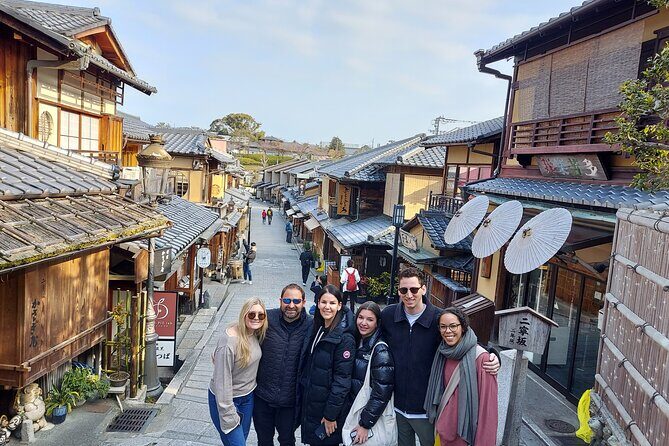
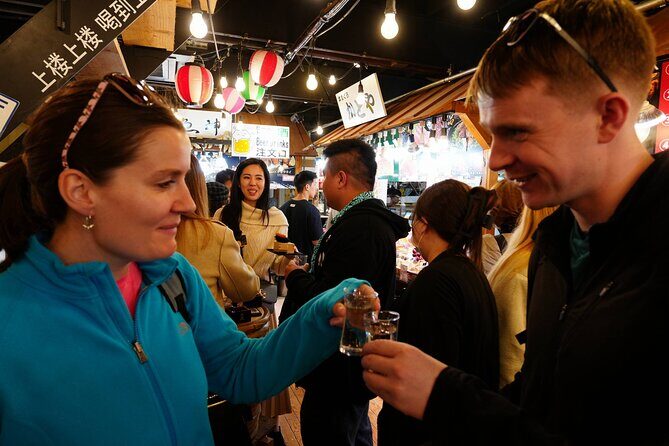
Nishiki Market is described as a narrow shopping and restaurant street known as Kyoto’s Kitchen. It’s short and lively, which makes it a good “breather stop” between temples.
Important for budgeting: this stop is shown as free admission. That’s ideal if you want to snack and browse without adding ticket fees.
What to expect
It’s not a museum. It’s a food-and-shopping lane. If you pick Nishiki, think of it as a chance to get your bearings and buy small snacks or gifts—rather than a deep-structure cultural lecture.
Kyoto Imperial Palace: formal history in a calm setting
The Kyoto Imperial Palace used to be the imperial residence until 1868, when the emperor and capital moved to Tokyo. It’s a big, spacious palace site, and the tour includes it as a possible stop.
Admission is listed as not included, but the payoff is that you get another angle on Kyoto’s historical role—not just temple spirituality, but also political power.
Pontocho: dining alley atmosphere by the river
Pontocho is described as an atmospheric dining area—an alley running from Shijo-dori to Sanjo-dori just one block west of the Kamogawa River. Admission is free, so it’s a good fit if you want atmosphere more than tickets.
If your guide knows the pacing, this is also a great place to take a short break and then continue into Higashiyama or back toward your next chosen stop.
Higashiyama walking: the historic lanes that feel old Kyoto
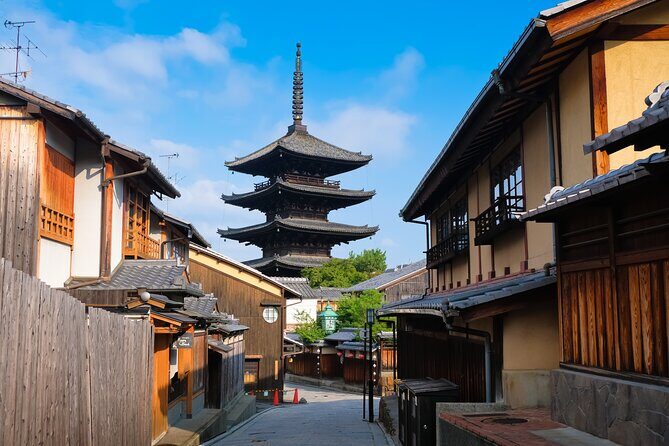
Higashiyama is labeled as one of Kyoto’s best preserved historic districts along the lower slopes of eastern mountains. If you want Kyoto that feels like stepping into an older era, this is a strong direction.
Most stops in this area include the classic temple-and-walk rhythm, so it pairs well with Kiyomizu-dera in spirit, even if you don’t pick both in your final 3-4.
Ginkakuji (Silver Pavilion) and Nanzenji Suirokaku: Zen gardens in motion
Two Higashiyama-adjacent choices deserve attention:
- Ginkakuji (Silver Pavilion): a Zen temple tied to Ashikaga Yoshimasa’s retirement villa concept. Admission is marked as not included.
- Nanzenji Suirokaku: described as one of Japan’s most important Zen temples, head temple of a Zen line. Again, marked as not included.
With a guide, you can turn what might be “another temple stop” into something more: explaining how these Zen spaces were designed to shape your movement and attention.
Practical note
Both can involve walking on uneven ground. Wear shoes that don’t mind small climbs.
Tofuku-ji and Toji: big Zen temples outside the most obvious crowd
If you want to spread out your day away from the absolute top crowds, Tofuku-ji (famous for spectacular autumn colors) and Toji (founded around the Heian Period after the capital moved to Kyoto) can be good picks.
Admission is listed as not included for both, so again: budget accordingly. But these can help you build a more varied Kyoto day.
Kinkakuji (Golden Pavilion): the gold-leaf icon
Kinkakuji, formally Rokuonji, is a Zen temple where the top floors are covered in gold leaf. That alone makes it visually iconic. Admission is not included.
If you only pick one “wow” temple, this is the usual candidate. With guidance, you’ll also likely understand the story behind why it’s structured the way it is and why the temple is designed to be viewed a certain way.
Ninna-ji and Shugakuin Imperial Villa: more calm, more garden logic
These are very different from the big-name crowd magnets, which can be good for some travelers.
- Ninna-ji: a World Heritage Site connected to Shingon Buddhism’s Omuro School, founded in 888. Admission not included.
- Shugakuin Imperial Villa: a 17th-century imperial villa now managed by the Imperial Household Agency, made of Upper/Middle/Lower Villa spaces. Admission not included.
If you like gardens, transitions, and space, these stops might feel more relaxing than a tight “look and leave” circuit.
Kibune and Kurama: northern valley calm (if you want less central chaos)
Kibune and Kurama are northern mountain area choices. They’re described as small towns in forested valleys around Kifune Shrine and Kurama-dera, with legend attached to goddess travel in a boat (from Osaka up toward the area).
These are not “ticket temples.” They’re about setting and atmosphere, and the tour doesn’t list admission included, so plan on separate access fees as applicable.
Ryoan-ji’s rock garden: famous minimalism on purpose
Ryoan-ji is described as the site of Japan’s most famous rock garden. Admission is not included.
This is one of those places where your experience changes if someone explains the concept. The guide’s value here is helping you understand how to look—where your eye is meant to go and why the arrangement matters.
Byodoin Temple in Uji: add travel time and expect a commitment
Byodoin Temple is known for the Phoenix Hall and is a National Treasure and UNESCO World Heritage Site. The tour notes extra travel time is expected because it’s in Uji city.
That matters. If your day feels tight, adding Byodoin could be a time-cost decision. If you care about this UNESCO stop specifically, it can be worth it—just don’t assume it’s a quick hop.
Arashiyama: Togetsukyo Bridge, bamboo groves, and villa gardens
If your Kyoto day needs natural beauty, Arashiyama is the best candidate block on the list.
Key options include:
- Togetsukyo Bridge (Moon Crossing Bridge): iconic landmark, reconstructed in the 1930s.
- Bamboo grove walking paths: described as great for a gentle wind and swaying stalks.
- Okochi Sanso Garden: former villa of actor Okochi Denjiro, tucked behind Arashiyama bamboo groves. Admission not included.
- Additional hillside temple options nearby such as Jojakkoji, Nisonin, Gio-ji, and more.
What to consider
Arashiyama can turn into a long walk day. If you pick it, treat it like a destination. Build your 3-4 stops around it rather than sprinkling a few far-flung locations.
Daitoku-ji, Myoshinji, Eikando: Zen complexes for people who enjoy quiet structure
If you’re a “I like temple logic” type of visitor, these northern Kyoto temple complexes fit.
- Daitoku-ji: large walled complex with many subtemples; head temple of the Rinzai sect school.
- Myoshinji: large complex with about 50 subtemples; some halls can be entered while others are more about viewing the grounds.
- Eikando (Zenrinji): famous for autumn colors and evening illumination (admission not included).
These aren’t just Instagram stops. They’re for people who enjoy walking inside a designed calm.
Sanjusangendo: 1001 Kannon statues and a wall of attention
Sanjusangendo is famous for 1001 statues of Kannon (goddess of mercy). Admission not included.
If you like art that’s controlled and repetitive, this is a compelling stop. It’s also a good “one big indoor wow” to balance outdoor walking.
Kennin-ji and the market streets: old temple near modern bustle
Kennin-ji is described as close to the bustle of Hanamikoji and Shijo streets, with grounds that are expansive and pleasant to walk. Two dry landscape gardens (karesansui) are mentioned.
If you want temple presence without leaving the city energy behind, this is a practical choice.
Shugakuin, Katsura Rikyu, and other villa-garden ideas for architecture lovers
Some of the strongest “design-focused” stops are on the list:
- Katsura Imperial Villa: completed in 1645, famed for Japanese architecture and garden design; admission not included.
- Daikaku-ji: large temple in Sagano; described as a detached palace area for Emperor Saga; admission not included.
- Tenryu-ji: most important temple in Arashiyama; head temple among Kyoto’s five great Zen temples; admission not included.
If you love gardens and architectural design, you’ll feel more satisfied with these than with a purely sightseeing checklist.
When is this tour best for you?
This private Kobe-to-Kyoto walking format works best if:
- you want a guided day but you’re starting from Kobe,
- you don’t want to spend your limited time solving transit and timing,
- you’re okay choosing 3-4 meaningful stops rather than trying to conquer everything.
It’s also a strong fit for families or mixed-age groups when you want pacing and guidance to do the heavy lifting.
If you’re the kind of traveler who loves solo wandering with zero structure, you might find it more than you need. But if you’re trying to get value out of a one-day Kyoto plan, a licensed guide usually pays off quickly.
My honest take: book it, but choose stops and confirm costs
I’d recommend booking this tour if you want a stress-reduced Kyoto day with a real guide and you’re willing to plan around separate entrance fees and transportation choices. The big positive is the licensed English guidance paired with flexibility—pick the parts you truly care about.
Before you lock in your plan, do two things:
1) Choose your 3-4 stops deliberately (especially if one of them is a ticketed temple like Kiyomizu-dera or Kinkakuji).
2) Confirm how Kobe-to-Kyoto travel costs are handled if you prefer the Shinkansen versus local trains, so there are no last-minute surprises.
If you do that, you’ll end up with a Kyoto day that feels like a coherent story, not a random pile of landmarks.
FAQ
How long is the tour?
It’s listed as about 9 hours.
Is this a private tour?
Yes. It’s a private tour/activity, so only your group will participate.
Where do we meet the guide?
You meet the guide on foot within a designated area in Kobe.
How do we get from Kobe to Kyoto?
The tour is described as heading to Kyoto by public transportation, and it takes about 90 minutes.
Is the guide English speaking?
Yes. The tour includes a licensed local English speaking guide.
Are entrance tickets included?
Not always. Entrance fees are listed as not included in general, and the tour notes that some stops are not included for admission. Some stops are listed as free.
Do I need to buy transportation separately?
Yes. Transportation fees are listed as not included, and a private vehicle is not included.
Can I customize which sites we visit?
Yes. The tour includes a customizable walking tour where you choose 3-4 sites from the listed options.
Is lunch included?
No. Lunch is listed as not included.
Is there free cancellation?
Yes. There is free cancellation up to 24 hours in advance of the experience for a full refund.
Are service animals allowed?
Yes. Service animals are allowed.