REVIEW · KOBE
Private Shore Excursion Kobe Port – Best of Osaka with a local
Book on Viator →Operated by The City Panorama · Bookable on Viator
A great day in Osaka starts with one easy plan. This private shore excursion from Kobe is built for groups who want to see the city without wasting time figuring out stations or menus, with a native English-speaking local guide leading the way. I love that the route mixes big-picture sights with food-and-neighborhood energy, so the day feels like Osaka, not a checklist.
Two things I especially like: you get a truly 100% private, personalized experience for your group, and your guide (Michelle comes up in glowing reports) helps you move through Osaka fast with clear, practical guidance. One possible drawback to think about: food and local transport aren’t included, so you’ll want a budget for trains and meals on top of the tour price.
In This Review
- Key Takeaways Before You Go
- Kobe Start, Osaka Focus: Why This Private Format Works
- The 7-Hour Flow: How the Day Stays Together
- Osaka Castle Grounds: A First Stop That Sets the Tone
- Dotonbori and Minami (Namba): Nightlife Energy, Guided and Focused
- America-mura: Osaka’s Take on the USA Vibe
- Kuromon Market: Where You Can Snack Like a Local
- Isshinji Temple: Meiji-Era Traditions and Ashes-to-Statues
- Price and Value: What $195 Buys You (and What It Doesn’t)
- Logistics That Make the Day Easier (Not Harder)
- Who Should Book This Private Kobe-to-Osaka Day
- Should You Book This Private Shore Excursion?
- FAQ
- FAQ
- How long is the tour?
- What does the $195 per person price include?
- Are food and drinks included?
- Is transportation included?
- Where does the tour start and end?
- How are tickets handled?
- Will there be someone to meet us in advance?
- Are admission fees included for the stops?
- Is the tour private or shared?
- What’s the cancellation policy?
Key Takeaways Before You Go
- Private and personalized: your group sets the pace, and you can add special interests if you ask.
- Native English guide: built to reduce friction with trains, directions, and Japanese culture questions.
- Big Osaka variety in one day: castle grounds, nightlife districts, a market, and a Meiji-era temple stop.
- Admissions are listed as free: at each scheduled sight, the tour indicates no paid entry ticket cost.
- Walking time is part of the deal: it’s a walking experience, so comfy shoes matter.
Kobe Start, Osaka Focus: Why This Private Format Works
Starting from Kobe Station (3-chōme-1-1 Aioichō) makes the day feel more like a proper outing than a chaotic port shuffle. You’re met and then guided through Osaka with a plan that keeps your group together, rather than everyone trying to decode transit or signage alone.
This is a private shore excursion, which changes the tone right away. Instead of following a rigid rhythm, you get a local host who can steer you toward what fits your group best, including where to pause, what to pay attention to, and how long to spend in each area. In at least one account, the guide’s help went beyond sightseeing and included practical problem-solving like assisting with a Sumo Wrestling ticket pickup.
The guide-to-group ratio also matters for stress. Osaka is easy to love, but it can be easy to get turned around in. With an English-speaking local taking point, you spend your energy looking, not re-trying directions.
You can also read our reviews of more private tours in Kobe


The 7-Hour Flow: How the Day Stays Together
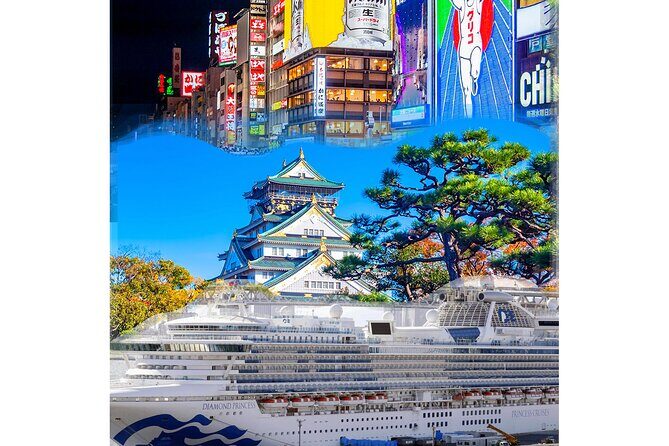
The excursion runs about 7 hours, with time carved out for each key Osaka area. The schedule is designed so you’re not cramming everything into one tiny window, and it keeps momentum by clustering related neighborhoods and themes.
One of the smart parts is that it’s built around walking. You move through sights on foot rather than bouncing around with constant “wait here while we figure out the next transfer.” That can feel especially good if you like taking in street-level details—signs, storefronts, and the general pulse of each district—without constantly stopping for logistics.
Also keep in mind the tour notes that train or taxi transportation is not included, even for the host. Practically, what that means for you is you’ll likely pay your own transit costs while the guide handles navigation and timing.
Osaka Castle Grounds: A First Stop That Sets the Tone
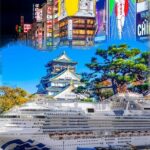
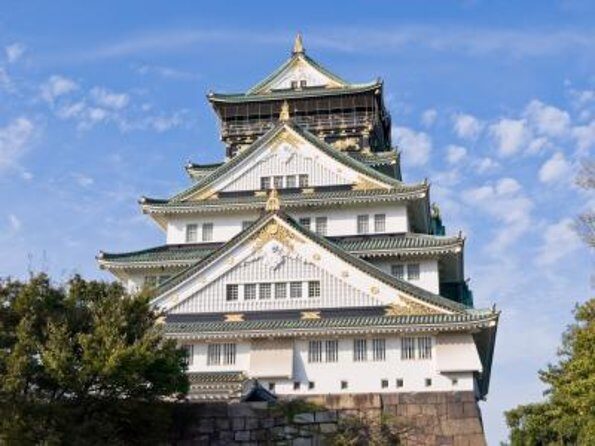
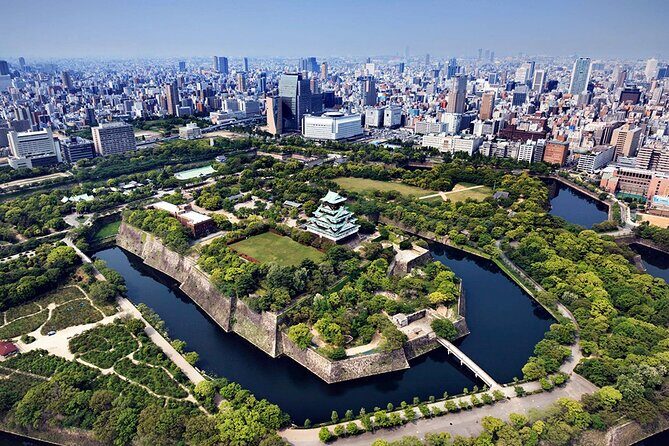
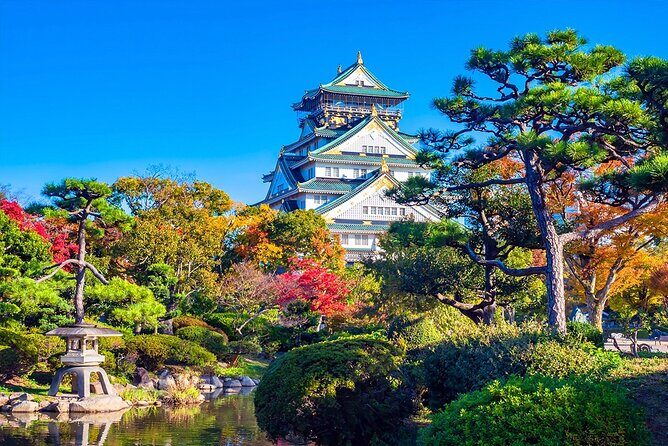
You start with Osaka Castle and spend about 1 hour 30 minutes there. Even if you don’t plan to go deep into buildings, the experience is built around the castle grounds and the walk toward them, so you still get a strong sense of place.
I like choosing a major landmark early. It gives you orientation. When your day begins with a clear anchor, the rest of the neighborhoods you hit—entertainment districts, markets, temples—feel more connected instead of random.
The tour indicates an admission ticket is free for this stop, which helps with budgeting. Just remember that the time you have is the time you have, so if you’re the kind of person who always wants “one more photo,” it’s good to decide early how much you want to linger around the grounds.
Dotonbori and Minami (Namba): Nightlife Energy, Guided and Focused
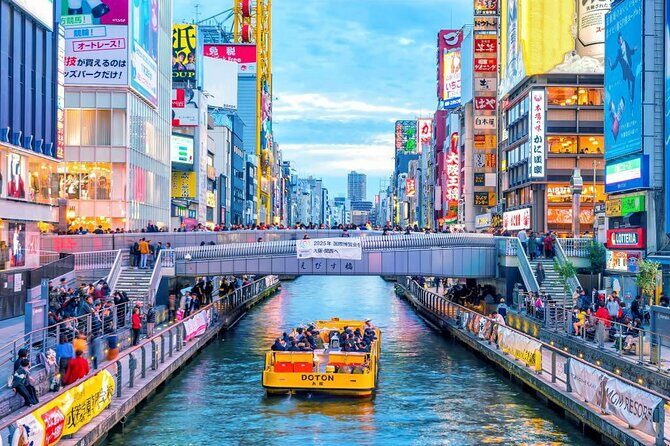
After the castle, the tour shifts into Osaka’s neon-and-entertainment zone. First comes Dotombori District for about 1 hour 30 minutes. This area is known for its lighted billboard signs and designed shop signage, and the experience here is about enjoying the visual chaos with direction—so you’re not just walking around wondering what to look at.
Next is Minami (Namba) for about 1 hour. This is one of Osaka’s two major city centers and leans into entertainment, dining, and shopping. The value of having a local guide here is simple: you can ask what’s worth your time right now, and you get recommendations that match what your group likes.
If you’ve ever visited a nightlife area and felt like you missed half of it because you didn’t know where to head, this stops-that-problem style helps. Your guide can steer you through the districts while you enjoy the energy.
America-mura: Osaka’s Take on the USA Vibe
America-mura is next, with about 1 hour. The tour describes it as Osaka’s version of what they think America is like, and the main experience is seeing the shopping and dining style that comes with that theme.
I like this stop because it gives you a different texture from the big-name lights. Even if you’re not planning to buy anything, you can treat it like a walk-through of local taste and street identity.
Practical note: shopping districts mean lots of storefronts and lots of choices. A private guide helps keep it from becoming decision overload. You can focus on a few streets or items that fit your group, instead of wandering aimlessly.
A few more Kobe tours and experiences worth a look

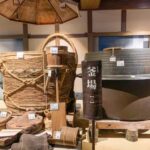
Kuromon Market: Where You Can Snack Like a Local
Then you move into Kuromon Market for about 1 hour. This is where the tour leans into food culture. It’s described as famous for foodies and especially for carry-and-eat options, so it’s a great place to sample without committing to a full sit-down meal.
I enjoy market stops in guided tours because you get context quickly. Instead of guessing what looks good and hoping you chose right, you can ask what to try and what ingredients represent Osaka’s culinary culture.
Since food and drinks aren’t included, you’ll be paying for what you choose to eat. That’s not a dealbreaker; it’s actually part of the flexibility. You can keep it light with a couple snacks or go a bit more adventurous depending on your budget and appetite.
Isshinji Temple: Meiji-Era Traditions and Ashes-to-Statues
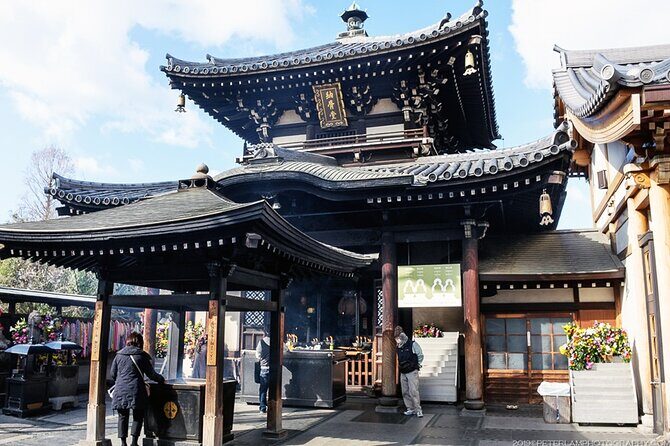
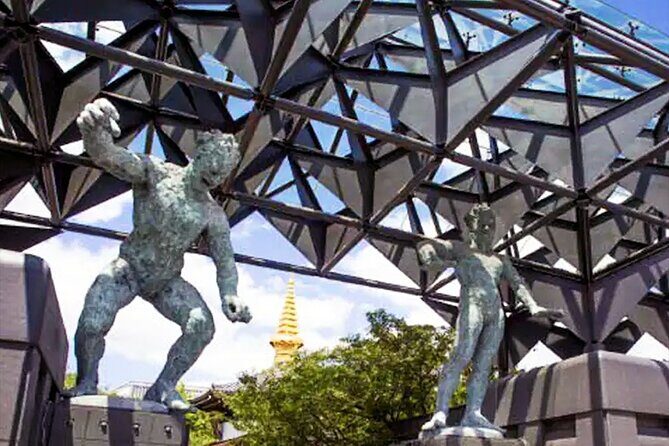
The day’s last major cultural stop is Isshinji Temple, about 1 hour. The tour highlights a few specific, memorable details: it’s a Buddhist temple started in the Meiji era, and it uses ashes of human remains to create statues. There’s also mention of an annual burial ceremony on 21 April that draws tens of thousands of worshippers.
This stop adds contrast to the shopping and signage-heavy districts earlier in the day. It’s a chance to slow down and focus on meaning instead of spectacle. If your group likes learning the small, specific stories that make a place feel real, this is one of the best stops to justify the whole trip.
One consideration: religious sites can be emotionally intense if you’re sensitive to topics like remains and remembrance. But the tour information is straightforward about what you’ll encounter, so you can plan your mindset accordingly.
Price and Value: What $195 Buys You (and What It Doesn’t)

At $195 per person, this tour is priced for a private group experience with a full 7 hours with a local host. The big value component isn’t just the walking plan—it’s the guide’s time and the fact that this is designed to reduce friction: trains, directions, and interpretation.
It’s also helpful that the tour lists admission tickets as free for the included sights. That doesn’t mean your day is totally cost-free—because meals aren’t included—but it keeps one big variable under control.
The “what’s not included” list matters, especially: food and drinks and train or taxi transportation (including for the host). So if you’re comparing this to a lower-cost group bus tour, you’re really paying for coordination and language help, plus time saved.
If you have a group that likes structure but also wants flexibility, this is where the price can feel reasonable. If you’re traveling independently and already confident with transit and Japanese, you might feel you’re paying extra for help you could manage yourself.
Logistics That Make the Day Easier (Not Harder)
The meeting point is Kobe Station (3-chōme-1-1 Aioichō, Chuo Ward, Kobe), and you finish at Sannomiya Station (4-chōme-1-1 Nunobikichō, Chuo Ward, Kobe). The tour also notes that the drop-off location can be modified as needed, which is useful if your next plan is anchored near Sannomiya.
You’ll also want to know that this experience uses a mobile ticket and includes pickup offered. Exact pickup details aren’t listed here, so I’d treat that as something to confirm when your guide reaches out.
A nice detail: the tour indicates the guide is available through native English communication, and the whole point is to avoid getting lost in stations or translation moments. That’s the core benefit, not a “nice-to-have.”
Who Should Book This Private Kobe-to-Osaka Day
This tour is a strong match if you want:
- A private group experience that keeps your day together
- A guide who can recommend places to eat and help you move efficiently through Osaka
- A mix of major sights and neighborhood flavor in one day
- Someone who can help with practical issues that pop up mid-trip
It’s also a good choice if you’re not trying to master Osaka transit on your own. The tour and the guide’s support are built around helping you get your bearings fast.
If you’re the type who loves long, slow museum-level pacing, the short time windows (often 1 hour blocks) might feel a bit tight. But if you’d rather cover more ground and get a solid feel for different parts of the city, this pacing fits.
Should You Book This Private Shore Excursion?
I think you should book this if you value language help, private pacing, and a guided route that hits both iconic and local-feeling spots. The standout part is the guide experience: Michelle is highlighted for being proactive, giving recommendations, and making train navigation simpler, which can make a big difference when you’re on a time-limited day.
I’d skip or reconsider if your priority is only cheap self-guided sightseeing. Since transport and meals aren’t included, your personal day cost will rise anyway. And if you already know Osaka transit well and don’t want structured stops, the private guide might feel like money spent on something you can do solo.
FAQ
FAQ
How long is the tour?
It runs for about 7 hours.
What does the $195 per person price include?
It includes a 100% private, personalized experience with a local host for 7 hours, walking time, a native English-speaking host, and admissions are listed as free for the scheduled stops.
Are food and drinks included?
No. Food and drinks aren’t included, so you’ll want to plan a budget for snacks and meals.
Is transportation included?
No. Train or taxi transportation is not included, including for the host.
Where does the tour start and end?
It starts at Kobe Station (3-chōme-1-1 Aioichō, Chuo Ward, Kobe) and ends at Sannomiya Station (4-chōme-1-1 Nunobikichō, Chuo Ward, Kobe). Drop-off can be modified as needed.
How are tickets handled?
You’ll receive a mobile ticket.
Will there be someone to meet us in advance?
After booking, the provider contacts you within 48 hours to plan your personalized experience and finalize the meeting point. For tours less than 48 hours away, you’ll be contacted sooner.
Are admission fees included for the stops?
The tour information lists admission tickets as free for the scheduled sights.
Is the tour private or shared?
It’s private. Only your group participates.
What’s the cancellation policy?
You can cancel for a full refund if you cancel at least 24 hours in advance. If you cancel less than 24 hours before the start time, the amount paid is not refunded.