REVIEW · KOBE
Next-Generation Local Guide: Private Kobe Tour
Book on Viator →Operated by Link Roots · Bookable on Viator
Kobe feels different through a local student’s eyes. This private, fully customizable Kobe walking tour is led by a “Local Trend Expert” guide trained by the Kobe Tourism Bureau, with a youthful take plus practical local tips. You can choose the vibe, from harbor views to historic neighborhoods and student-approved hangouts.
I especially love the custom itinerary. Guides like Satori and Kodai reach out beforehand, ask what you care about, and then shape the day around you instead of running a fixed script. I also like the energy: even when you focus on serious history, the tone stays friendly and easy to follow in clear English.
One consideration: it’s mostly a walking experience, and the tour’s sample stops can include optional paid attractions (for example, paid entries or ropeway-related tickets), while food and drinks are not included for you or the guide.
In This Review
- Key points at a glance
- Why a student guide makes sense in Kobe
- Price and logistics: what $79.26 per person really buys
- Your custom game plan: how the guide builds your Kobe day
- Nankinmachi: Chinatown’s lantern streets and easy street-level fun
- Meriken Park and Kobe Port Tower: the harbor side of Kobe
- Kitano Ijinkan Gai: Western houses and a changed Kobe mood
- Ikuta Shrine, ropeway add-ons, and Nunobiki Herb Garden
- Hakutsuru Sake Brewery and Kobe’s taste-forward side
- Walking pace, transit, and keeping the day comfortable
- Who this tour is best for
- Should you book the Private Kobe Tour with Link Roots?
- FAQ
- What does the tour include?
- How long is the Private Kobe Tour?
- Is pickup available?
- Are attraction fees included?
- What areas might the tour cover?
- Is this tour private?
- What if the weather is bad or I need to cancel?
Key points at a glance
- Kobe Tourism Bureau-trained Local Trend Expert guides, often with very strong English
- Customizable 4-hour private tour focused on 2 to 3 key spots you choose
- Chinatown and old-meets-new neighborhoods like Nankinmachi and Kitano Ijinkan Gai
- Harbor classics such as Meriken Park and Kobe Port Tower in the sample route
- Shrine and garden options that can include paid add-ons like a ropeway round ticket
- Mobile ticket plus possible pickup, with a meet-up on foot within a designated area
Why a student guide makes sense in Kobe
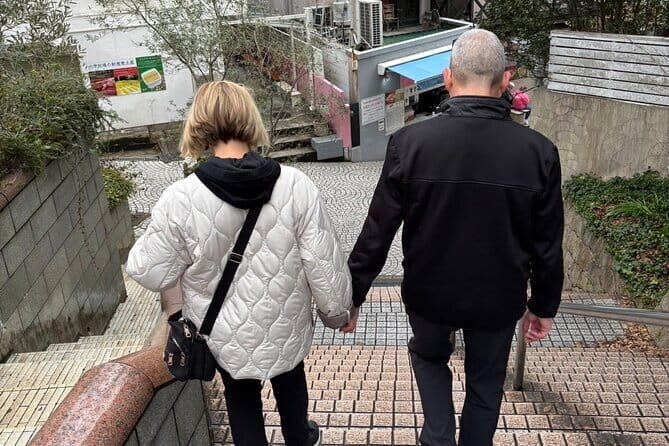
Kobe can be one of those cities where you can look at a map all day and still feel like you missed the point. This tour avoids that. The guide is a young “trend expert” trained for local storytelling, so you’re not only seeing what’s famous. You’re also getting the way locals talk about the city now.
In practice, that shows up fast. Guides such as Kodai and Satori are described as proactive and easy to communicate with before the walk starts. Satori, for example, did more than just confirm details; she asked about interests and even brought chocolates, which is a sweet reminder that this is meant to feel personal.
And because they’re students, the day often has a natural flow. You’ll get context for what you’re looking at, plus opinions on where to stop, how long to linger, and what might be more worth your time based on your preferences. It’s Kobe, but with choices.
You can also read our reviews of more guided tours in Kobe



Price and logistics: what $79.26 per person really buys
At $79.26 per person for about 4 hours, the value is mostly about what’s included and what isn’t.
Included:
- A trained student guide speaking English
- Meet-up with the guide on foot within the designated area
- A customizable tour designed around your preferences (often 2–3 spots)
- A mobile ticket
- Pickup is listed as offered
Not included:
- Food and drinks for you and the guide
- Attraction and activity fees, which depend on what you choose
- Private transportation
That last part matters. Kobe’s areas are spread enough that you may use trains or short rides depending on your chosen route. Reviews also mention guides helping with the transportation system, which is helpful if you want to avoid fumbling with transfers. The good news is you’re not stuck with a bus group. The trade-off is that you should plan for the reality that some segments may require you to move via public transport.
Also plan for walking. Many guides tailor the pace, including for families and people who need periodic breaks, but this is still a “get up and go” style day.
Your custom game plan: how the guide builds your Kobe day
The tour works best when you treat it like a conversation, not a checkout page. After booking, you’ll receive confirmation, and then you’ll plan your personalized itinerary with the guide. Communication in practice often happens over WhatsApp, which makes it quick to send preferences and adjust on the fly.
When a guide knows what you want, they can do two valuable things:
- Pick the right neighborhoods instead of just stacking landmarks.
- Set the pace and sequencing so you’re not rushing between unrelated stops.
You can see this in the variety of sample ideas tied to the tour. Some itineraries emphasize cultural history and architecture, while others lean into food and sake. One flexible day included moving outside central Kobe to a quieter area for a more local rhythm. Another started with a sake museum stop and then layered Chinatown, Kitano, and the harbor.
If you’re short on time, this is a practical use of money. You only have four hours, so spending that time with a guide who can remove friction is often smarter than trying to coordinate everything yourself—especially in neighborhoods where the details matter.
Nankinmachi: Chinatown’s lantern streets and easy street-level fun
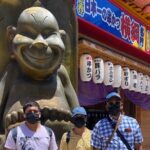
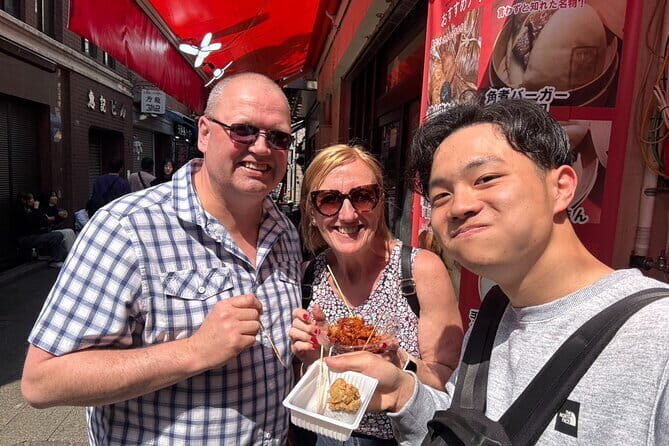
If you want the fastest hit of “this is Kobe,” Nankinmachi is a strong starting point. It’s described as the heart of Kobe’s Chinese culture: colorful lanterns, lively streets, and plenty of street-food energy.
What you’ll get from a guided stop here is not just photos. The guide can explain what you’re seeing and help you decide what’s worth tasting versus what to skip. In a place like Chinatown, that guidance saves time because the menu choices can feel endless.
Practical note: Chinatown is an area you can browse even if you’re not buying anything big. It’s also a great place to bring hungry teens or kids, since you can graze at your own pace. And since it’s listed with free entry for this stop, it’s one of the easiest ways to add personality to a short Kobe day.
Meriken Park and Kobe Port Tower: the harbor side of Kobe

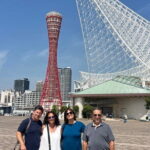
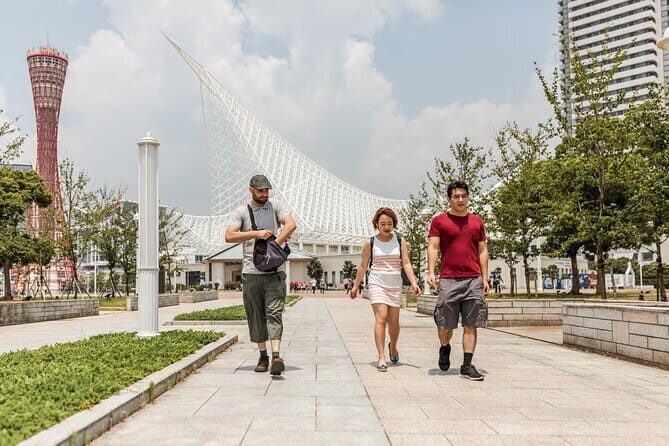
Kobe’s waterfront gives you a different kind of city picture: ships, sky, modern landmarks, and that sense of a city that looks outward. The tour’s sample route includes Meriken Park and Kobe Port Tower as options, with fees listed depending on the exact components chosen.
Here’s how I’d think about this part of the day:
- Meriken Park is a scenic reset. After neighborhood streets, it feels open and breathable.
- Kobe Port Tower is a classic landmark moment. Even if you just treat it as a photo and orientation stop, it helps you understand how Kobe presents itself on the water.
In the sample itinerary, Meriken Park has a 500 yen entrance fee listed. Kobe Port Tower is listed as free. Since your tour is customizable, your guide can help you decide how much time and money to spend here based on weather, your pace, and whether you want views as the priority.
If you’re visiting during clear weather, this section is a solid bet. If the skies are rough, keep the expectation realistic: you can still walk the area, but plan fewer extra paid add-ons.
You can also read our reviews of more private tours in Kobe


Kitano Ijinkan Gai: Western houses and a changed Kobe mood
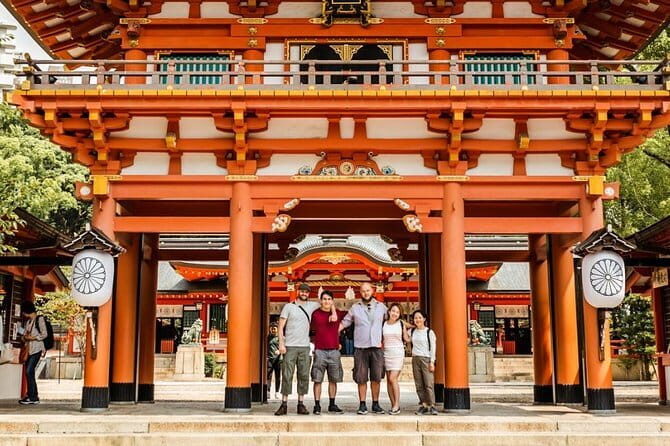
Kitano Ijinkan Gai is the part of Kobe that makes people stop and look up. It’s known for historic Western-style houses built in the late 19th century. The vibe is calmer than the port and more “architectural” than Chinatown.
In practical terms, it’s a great match for a guided tour because the value isn’t only the buildings. It’s the story around them and what that history meant to Kobe’s identity. A student guide can explain the why behind the looks, without turning it into a lecture.
The sample stop lists 1,000 yen for entrance. So this isn’t the cheapest part of the route, but it’s also one of the most memorable if you enjoy design, history, and the feeling of time travel.
Tip: if you care about architecture, ask your guide to spend extra time here. If you’re more of a food-and-street type, ask them to shorten the house viewing and add more time to nearby neighborhoods.
Ikuta Shrine, ropeway add-ons, and Nunobiki Herb Garden

Kobe has shrines that people treat with genuine respect, not just as scenery. The tour includes Ikuta Shrine, known for a red torii gate and a sense of peace. In the sample itinerary, Ikuta Shrine has an entrance fee listed as 2,000 yen including ropeway round ticket.
That means you should think of this stop as more than a quick photo. It can involve extra time and an added cost tied to the ropeway experience. If you’re aiming to keep the day budget-tight, tell your guide you’d rather prioritize shrine time over ropeway time, or you may choose a different set of spots.
A separate garden option is also part of the tour’s menu: Nunobiki Herb Garden is referenced in guide-led examples, and in the sample itinerary it’s listed as free. Gardens are a great mid-day reset in Kobe because they slow the pace and give you a different texture than shopping streets and city blocks.
In reviews, the garden + ropeway pairing shows up as a popular accessible option. One guide account described planning around a motorized wheelchair, with thoughtful choices that kept things workable while respecting the original design of the shrine area.
So if you have mobility needs, the best move is to tell your guide early what you can handle. The tour’s whole point is customization, and guides have shown they can adapt.
Hakutsuru Sake Brewery and Kobe’s taste-forward side
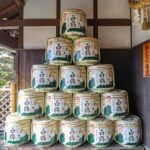
Kobe has a reputation that’s bigger than one dish. Sake and food help you feel the city, and this tour can include a brewery stop such as Hakutsuru Sake Brewery.
Sake stops tend to do two things well:
- They give you a short, focused learning moment that’s easy to enjoy
- They connect Kobe to local craft, not just famous buildings
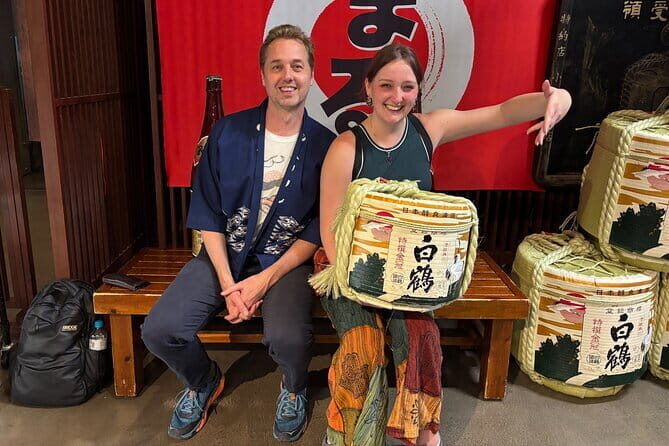
In real guide examples, sake museum time also included tastings and ended as a highlight of the tour. One tour was described as ending with a special sake tasting, and another included sake museum tastings before shifting to Chinatown and other neighborhoods.
Food is not included, but that’s not a deal-breaker. Guides often help you find places that match what you want. Some tours included Kobe beef-related visits, while others worked in things like okonomiyaki cooked in front of you, ramen, sushi, and teppanyaki. One guide even helped with reservations and kept the timing smooth.
Practical takeaway: if you want a taste-focused day, ask for it upfront. If you’d rather do history first, you can still add food, but in smaller bites so you don’t lose time to long meals.
Walking pace, transit, and keeping the day comfortable
This is a private tour, so you’re not locked into someone else’s schedule. That’s the big advantage. If you want to linger, you can. If you want to move fast, you can.
But here’s the reality check: with a 4-hour timeline, walking adds up. Many guide-led days are described as almost three hours of walking. That’s why the customization matters so much. Good guides match pace to your energy, and they build rests into the plan.
Transport is the other piece. Private transportation isn’t included, but the tour is near public transportation and guides can help you use it. One account described a guide guiding people through the transportation system during a cruise-like day. That kind of help is worth its weight in sanity if you’re trying to avoid wrong turns.
If you’re traveling with kids, the best-fit approach is to tell the guide your limits and ask for a route with frequent breaks. Reviews mention guides being considerate about stopping and resting, which is exactly what you want to hear.
And a final comfort note: you’ll pay for your own food and drinks. That’s normal in Japan, but it’s good to budget so the tour feels relaxing instead of stressful.
Who this tour is best for
This experience fits best if you want:
- A private guide in English
- A day that’s custom to your interests
- A mix of neighborhoods, not just one district
- A more personal rhythm than a large-group bus tour
It’s especially good for people visiting Kobe as a short stop, like a cruise day or a half-day addition. One guide-led day was described as working perfectly for limited time in Kobe, with the schedule adjusted to match what the group wanted to see.
It also makes sense if you like food and culture together. Kobe’s Chinatown, historic architecture, waterfront landmarks, and sake scene connect nicely when a guide strings them together thoughtfully.
If you’re the type who wants everything planned down to the minute before you arrive, you may need to do a bit more communication. The magic here comes from collaboration.
Should you book the Private Kobe Tour with Link Roots?
If your goal is a smart, flexible Kobe day with a friendly local student guide, I’d book it. The biggest strengths are practical: strong English, proactive planning (guides like Kodai and Satori have been described as reaching out beforehand), and real customization that can include both classic sights and taste stops like okonomiyaki or sake-related time.
Go into it with two expectations set correctly. First, you’ll do walking. Second, you may choose paid attractions or add-ons depending on your route, while food stays on your own tab. Those are normal trade-offs for a private guided experience.
If you’d rather not think about logistics at all, or if you want a car-and-driver style day, this may not match your style since private transportation isn’t included. But if you’re happy to use public transit with guidance and you want Kobe to feel personal, this tour is an excellent value.
FAQ
What does the tour include?
The tour includes a trained student guide speaking English, meet-up with the guide on foot within the designated area, and a customizable plan built around your preferences (typically focused on 2–3 spots). You also receive a mobile ticket.
How long is the Private Kobe Tour?
It’s about 4 hours (approximately).
Is pickup available?
Pickup is listed as offered. Otherwise, you meet the guide on foot within the designated meeting area.
Are attraction fees included?
No. Attraction fees and activity fees depend on which places you choose during your customized route.
What areas might the tour cover?
Common options in the sample route include Nankinmachi (Chinese Chinatown), Meriken Park, Kobe Port Tower, Kobe Kitano Ijinkan Gai, Ikuta Shrine (with ropeway round ticket listed as part of the sample fee), Nunobiki Herb Garden, and a sake stop such as Hakutsuru Sake Brewery.
Is this tour private?
Yes. It’s a private tour/activity, so only your group participates.
What if the weather is bad or I need to cancel?
The experience requires good weather. If it’s canceled due to poor weather, you’ll be offered a different date or a full refund. You can cancel up to 24 hours in advance for a full refund.