REVIEW · KYOTO
Kyoto Kimono Professional Photoshoot
Book on GetYourGuide →Operated by Kyoto Kimono Rental Yumeyakata · Bookable on GetYourGuide
Kyoto looks best when you slow down, and a kimono photo session is one way to do it. I like that you get help with posing and walking in kimono, plus you can wear the outfit afterward around town. The big drawback to watch is the photo count and delivery timing, since a few people reported fewer images than expected or delays.
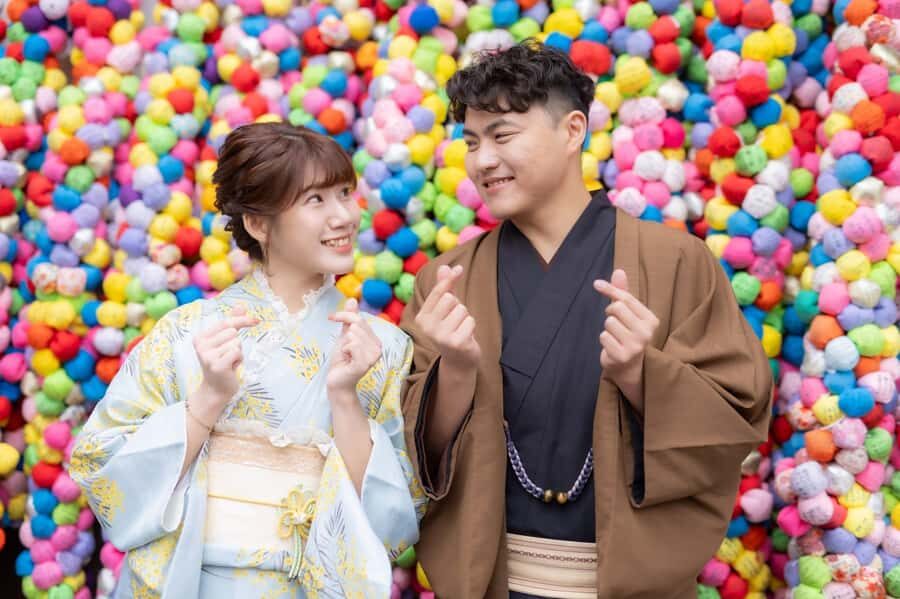
Two setups make the choice easy: an indoor 100-year-old machiya townhouse for a calm, classic feel, or the outdoor charm of Higashiyama with your photographer guiding you. If you’re short on time, this can also be a tidy way to get “Kyoto photos” without spending hours figuring out where to stand.
In This Review
- Key highlights to know before you go
- Picking your kimono at Yumeyakata Gojo Shop
- 100-year-old machiya townhouse: the calm Kyoto set
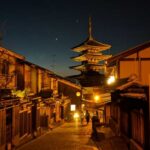
- Higashiyama lanes: iconic outdoor Kyoto with coaching
- Posing tips you actually need (and the prop help)
- Photo delivery: what the timeline usually is, and what to do
- Price and value: what $124 really covers
- Practical notes that affect your comfort and photos
- Which option fits your style: townhouse vs Higashiyama
- Who this Kyoto kimono photoshoot suits best
- Should you book it?
- FAQ
- Where do I go first to start the experience?
- What are the two photoshoot options?
- How long is the main photoshoot?
- How many digital photos are included?
- Can I wear the kimono after the photoshoot?
- Is transportation included between the shop and the photoshoot location?
- What languages are supported?
- Who should not book this experience?
Key highlights to know before you go
- Pick your kimono at Yumeyakata Gojo Shop: You choose colors, designs, and sizes before the shoot.
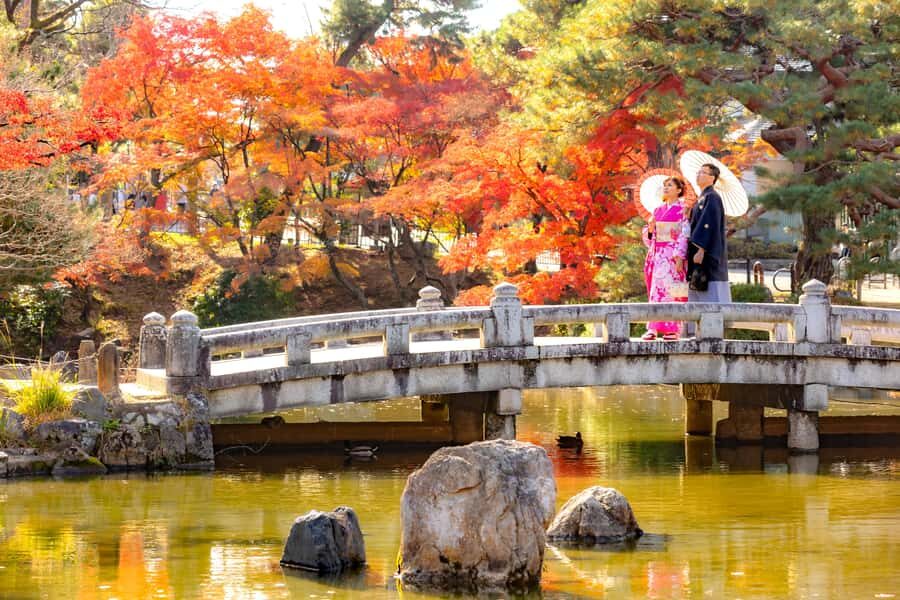
- Two very different photo settings: Historic machiya interior or Higashiyama’s lanes with temples and pagodas nearby.
- A pro photographer directs you: Expect pose coaching (including props like a Japanese umbrella).
- You get kimono time after the photos: Wear it to explore, then return it by 5:30 PM.
- Photo delivery is quick for most people: Edited images usually arrive by email in 3–7 days.
Picking your kimono at Yumeyakata Gojo Shop
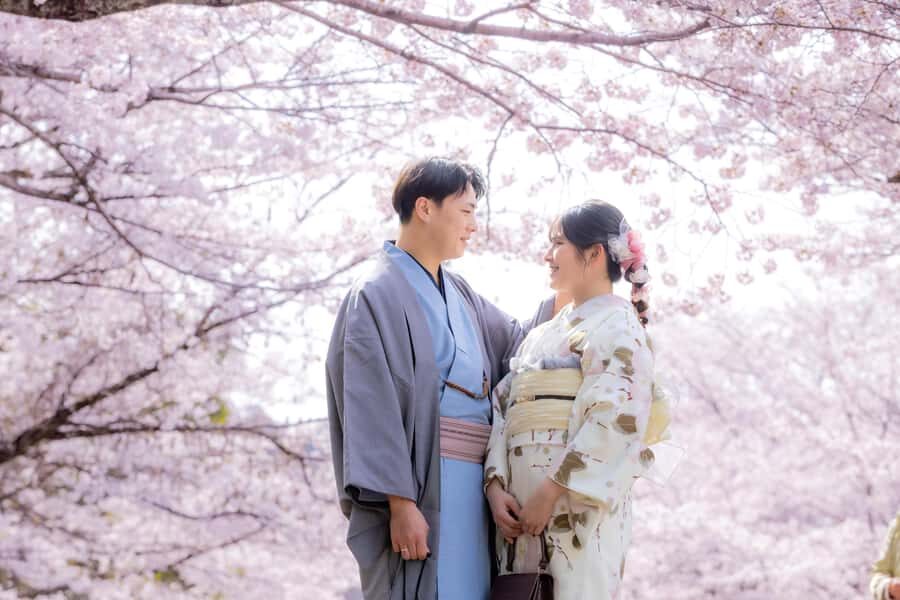
Your day starts at the Yumeyakata Gojo Shop at your reserved time. This matters because kimono shopping in Kyoto can be stressful if you’re rushed, and here you’re given time to actually pick what you’ll wear for the photos. You’ll select from a range of colors, designs, and sizes, and the staff can communicate in Japanese and English.
Most packages include a casual kimono rental, which is the practical middle ground: it looks authentic in photos, it’s easier to wear comfortably than some formal styles, and it works well if you plan to keep the kimono on after the shoot. If you want a dressier look, you can add services at checkout, including women’s hair styling and makeup, and upgrades to more formal kimono types such as Houmongi, Furisode, or Montsuki Hakama (depending on the add-on you choose).
There are a few costs to keep in mind. Kimono decoration items are listed as add-ons available on site (starting at 220 yen). If you want fake eyelashes, they’re also an on-site add-on. Custom hairstyling is mentioned separately (+1100 yen). The included option also doesn’t cover you dressing your own kimono—dressing is part of the service.
Also read the fine print before you fall in love with the idea. This experience isn’t suitable for pregnant women, and it lists limits for people with mobility impairments, wheelchair users, and those over 6 ft 6 in (200 cm) or 209 lbs (95 kg). Kimono are worn to look graceful, but they’re still fabric wraps—if you have trouble with standing or movement, this may not feel good.
You can also read our reviews of more photography tours in Kyoto
100-year-old machiya townhouse: the calm Kyoto set
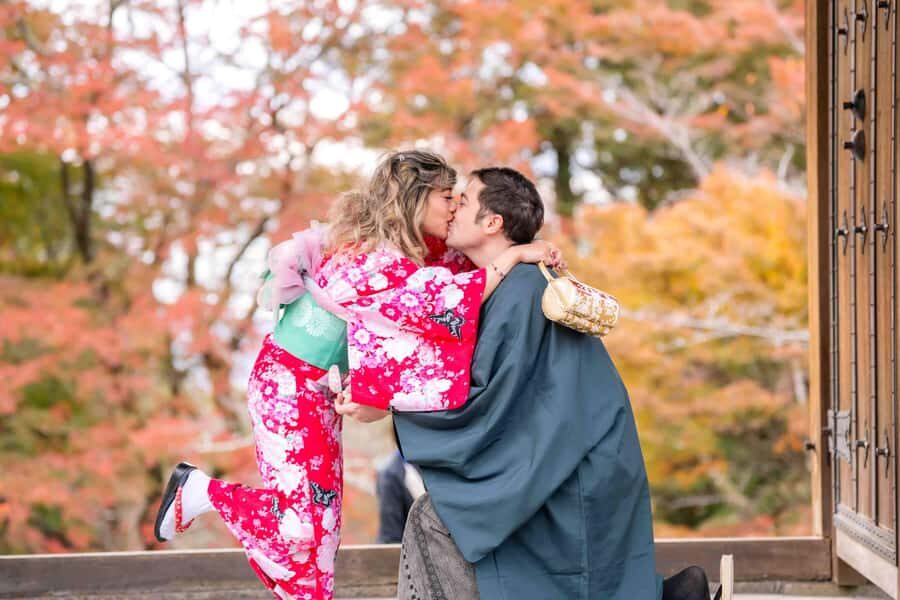
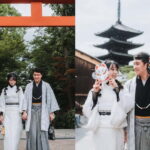
If you choose the traditional townhouse option, you’ll dress first at Yumeyakata Gojo Shop, then head by taxi to the shoot location. The taxi time isn’t long, but it’s not free: it’s listed as about 1,600 yen per taxi. The townhouse is called Yumeyakata Oike Bettei.
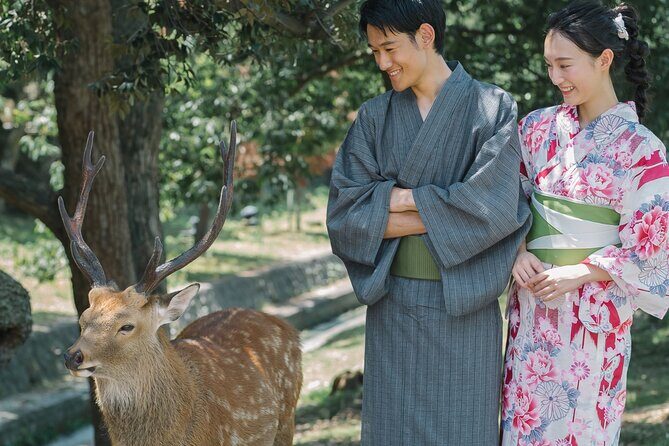
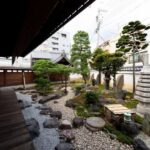
Once you arrive, the photoshoot begins right away. This is a smart setup because you don’t waste time hunting for the spot or wondering what to do next. The session is about 30 minutes spent in the atmosphere of a traditional, 100-year-old machiya. That’s the big difference between this option and outdoor street photos: your background stays controlled and classic.
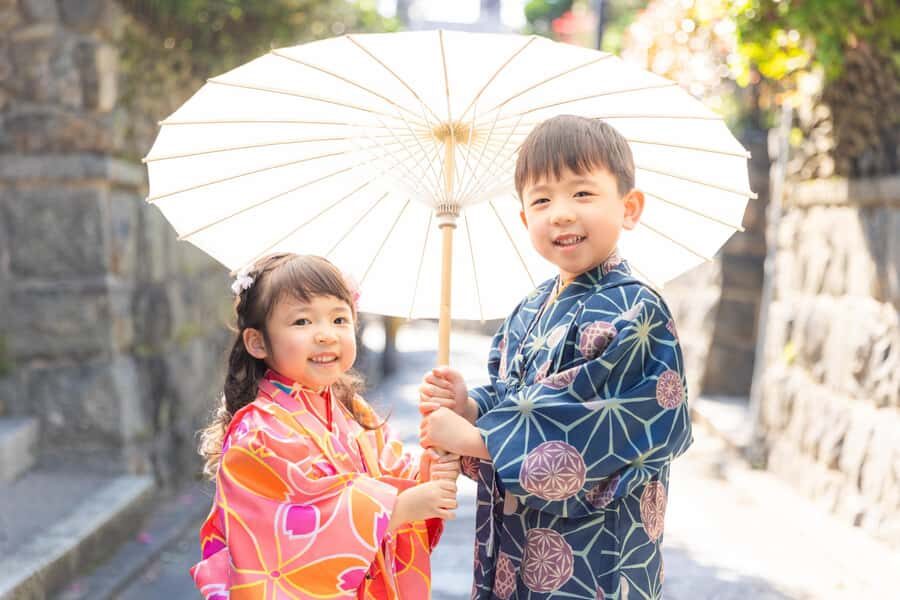
A professional photographer guides you on kimono poses using props, including a Japanese umbrella. This matters more than you’d think. Most people don’t naturally know how to hold their hands, angle their body, or move in fabric that’s tied differently than modern clothes. The guidance turns “I hope it looks good” into repeatable steps, so your photos look intentional rather than awkward.
The townhouse choice is especially good if you want photos that feel timeless and slightly private. You’re in an old Kyoto home rather than walking between crowds. On the downside, you won’t get the variety of outdoor scenery that Higashiyama offers, and you’ll rely more on the townhouse setting and props for visual variety.
Higashiyama lanes: iconic outdoor Kyoto with coaching
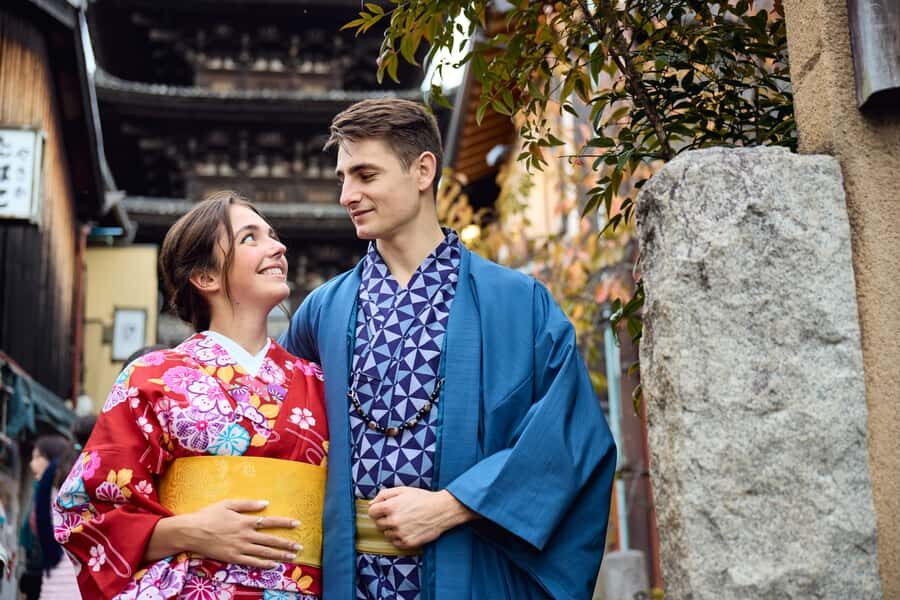
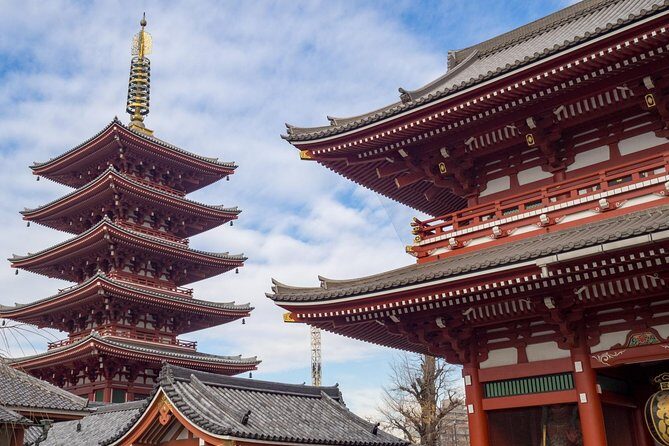
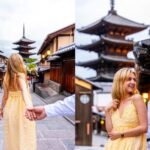
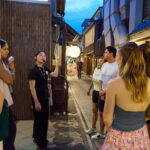
The Higashiyama option is for people who want Kyoto’s postcard look: traditional wooden streets, temples, and pagodas. After dressing at the Gojo shop, you take a taxi (again, about 1,600 yen) and the photographer accompanies you so you don’t have to navigate language barriers or worry about getting lost.
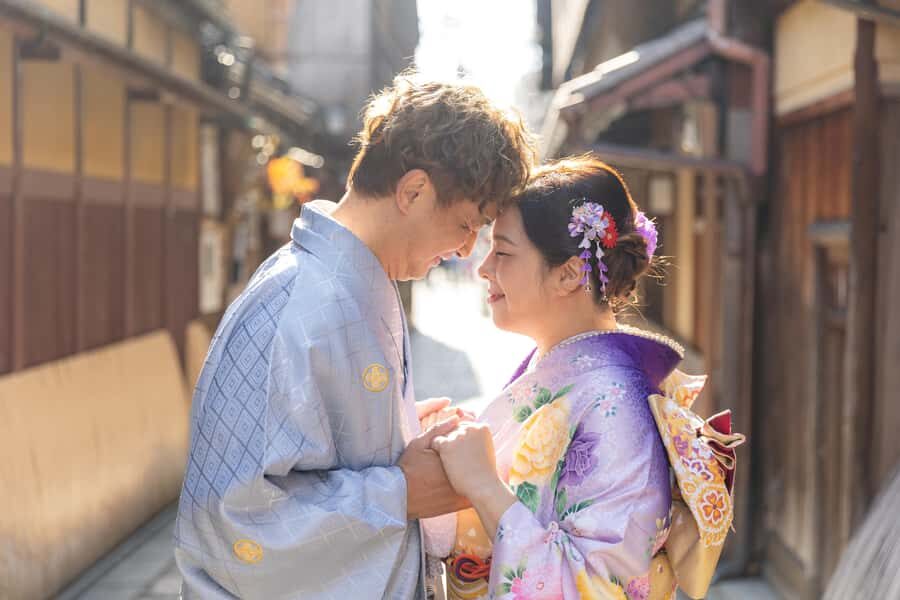
Your photoshoot begins after you arrive. Here, your photographer becomes your walking partner as well as your director. You’re guided through the most charming traditional spots and shot in natural light, which usually gives a more “lived-in Kyoto” feel than an indoor set.
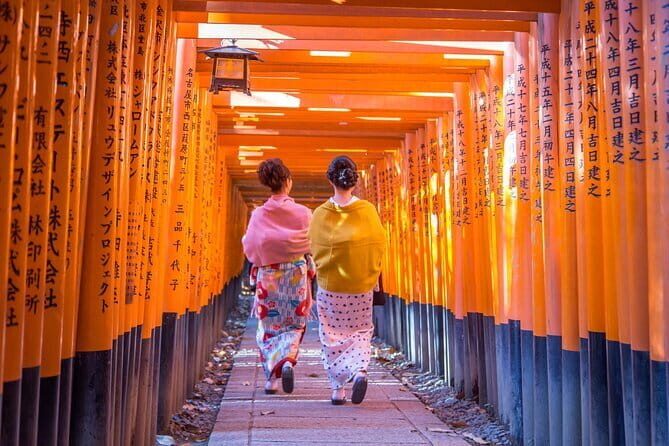
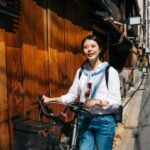
This option also connects directly to the best part of the experience: once the shoot ends, you’re free to wear the kimono and stroll around Kyoto. The trade-off is that outdoor walking in kimono takes some care. You’ll want to plan for slower movement, watch your footing, and accept that you’ll probably adjust your pace to stay comfortable and photogenic.
One key practical note: you have to return the kimono to the Gojo shop by 5:30 PM. If you pick Higashiyama and then want to keep exploring into the late afternoon, plan your route and timing so you don’t feel rushed at the end.
Posing tips you actually need (and the prop help)
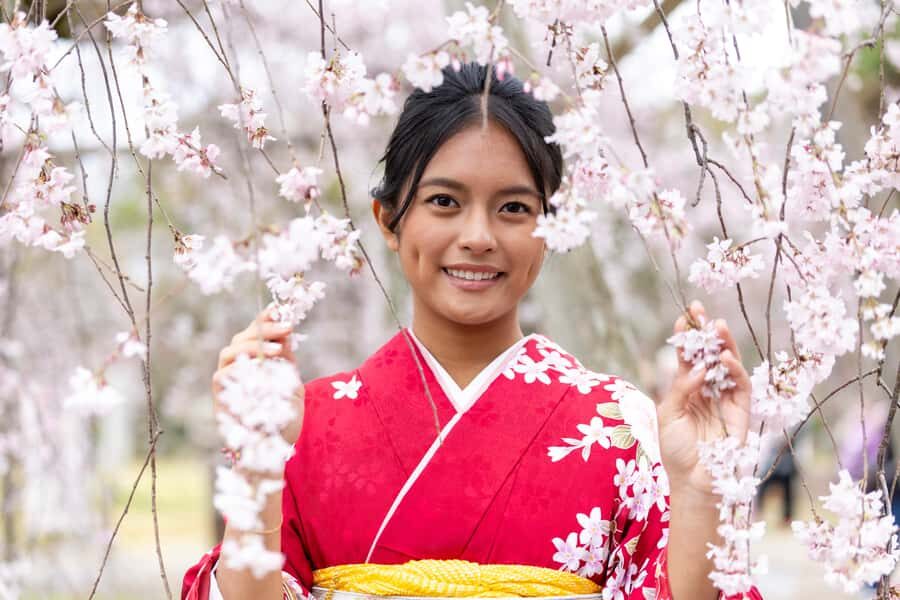
The value here isn’t just wearing a beautiful outfit. It’s learning what to do with it. The photographer guides poses and includes coaching that helps you “walk like Japanese,” which is another way of saying your movement gets smoothed into something that reads well in photos.
A pro also helps you understand how kimono change your body lines. With sleeves, tied fabric, and different drape, small changes—like where your hands sit or how you angle your shoulders—make a big difference. You’re not left guessing.
One standout detail from real experience is how supportive the staff can be during dressing and how strong the photographer coaching feels. There’s even a named photographer, Yoshino, mentioned as doing an excellent job. That’s not a guarantee for every shoot, but it signals the kind of attention you can hope for: clear directions, good photo judgment, and a willingness to consider what you want in the final images.
Still, keep your expectations grounded in numbers. The package states you’ll receive 50 images digitally (and more if you add an extension). But a couple of cases reported fewer photos than expected. Before you go, it helps to ask what the typical deliverable count is for your chosen option and whether that 50-image figure is based on a minimum or a target.
Photo delivery: what the timeline usually is, and what to do
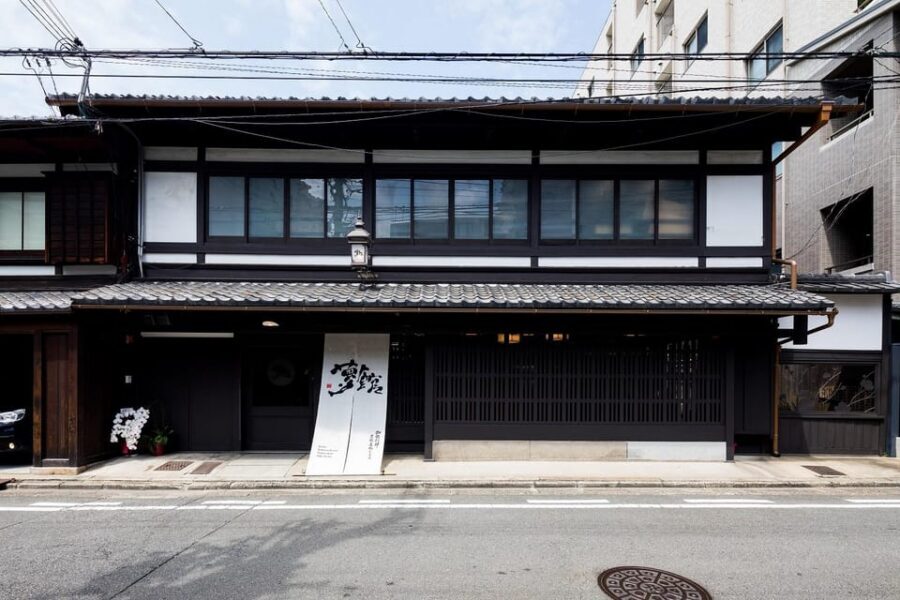
The normal expectation is straightforward. After your shoot, edited photos are sent via email in about 3–7 days. If you choose the optional shoot extension, you add another 30-minute session and receive 50 additional digital images.
This is where you’ll want to manage risk with a simple habit: check your email carefully during that window. Make sure you can access the inbox you provided at booking, and watch for spam filters. If anything looks off, follow up early rather than waiting weeks.
A few negative experiences point to two potential issues: delays that stretched past what was promised, and communication problems when English support wasn’t available at the time it was needed. That doesn’t mean everyone will have that problem, but it does mean you shouldn’t treat the email delivery as something you’ll only think about later. Put a reminder on your calendar for day 8 or 9.

Price and value: what $124 really covers
The price you provided is $124 per group up to 1. In value terms, it includes several things that are hard to stitch together yourself on a short Kyoto visit:
- Casual kimono rental
- Dressing (you’re not expected to dress yourself)
- A 30-minute professional photo session (townhouse option described as 30 minutes)
- 50 digital photos included
Then the “extra value” part is what isn’t just photo-time. You can wear the kimono afterward to explore. That’s a real sightseeing upgrade, because you’re not just renting something for photos—you’re getting a full outfit experience for your day in Kyoto. It’s also why the kimono must be returned by 5:30 PM: the rental is designed for a set window.
But there are costs outside the package. You’ll pay for taxi transport between the shop and the shoot location (about 1,600 yen per taxi). You may also spend on on-site add-ons like decoration items, custom hairstyling, or eyelashes.
If your goal is simply to get a few pictures and move on quickly, this may feel pricey compared with cheaper kimono rentals plus your own phone. If your goal is a guided, directed photo session plus the confidence of wearing kimono without the stress of figuring it out, the included package starts to look like a solid deal.
Practical notes that affect your comfort and photos
Kimono look elegant, but they’re still clothing with rules. This experience lists a few clear do-not’s: pets aren’t allowed, smoking is not allowed, food and drinks aren’t allowed, and smoking indoors is also prohibited. Strong fragrances aren’t allowed either. There’s also a note against wearing a costume—so stick to the provided kimono experience rather than adding extra costume-style items.
You should also plan around movement. The experience isn’t recommended for people who use wheelchairs and isn’t suitable for those with mobility impairments. Even if you’re generally mobile, remember that the kimono tied fabric and longer hems require slower steps.
For your day schedule, build in a buffer. You have a reserved time at the Gojo shop for dressing and selection. Then you travel to the shoot location by taxi, return, and—if you’re doing the outdoor option—fit in kimono time before you return the outfit by 5:30 PM. If you want to hit more Kyoto sights that day, plan a route that won’t force long uphill walks or tight backtracking.
Which option fits your style: townhouse vs Higashiyama
Both options deliver a professional, coached kimono experience, but the vibe changes:
- 100-year-old machiya townhouse: Best for classic, controlled visuals and a quieter set. You get guided poses with a prop like a Japanese umbrella, and the focus stays on you and the interior.
- Higashiyama: Best if you want outdoor Kyoto scenes—wooden lanes and temple/pagoda atmosphere—plus natural light and more variety in the background.
If you’re choosing based on photos alone, think about what you want your story to look like. Do you want “private Kyoto elegance” (townhouse) or “street-level Kyoto in daylight” (Higashiyama)?
Who this Kyoto kimono photoshoot suits best
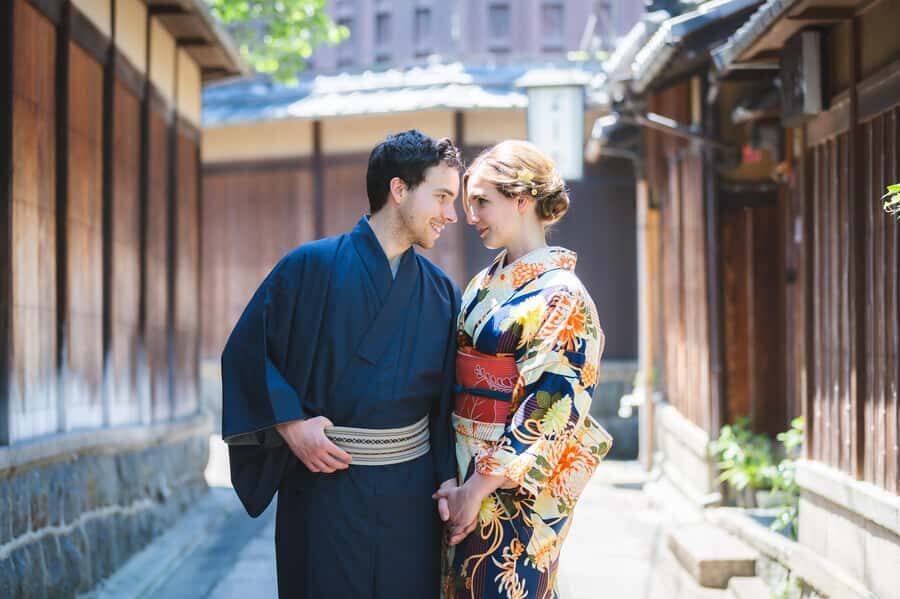
I think this works best for you if you want a structured, low-stress way to get stunning Kyoto portraits. You don’t need to know how to walk in kimono. You’ll be taught poses and how to move so you don’t fight the fabric.
It also fits well if you’re on a first Kyoto trip and you want an experience that gives you both photos and time in the neighborhood afterward. The fact that you can keep the kimono and stroll after the shoot is a big reason people end up feeling like the day was more than just a photo appointment.
It may not fit you if you need high mobility support, if you’re pregnant, if you use a wheelchair, or if you fall outside the stated height and weight limits. In those cases, you’d likely be more comfortable with a different style of Kyoto activity.
Should you book it?
I’d book this if you want guided kimono portraits with a pro photographer and you value the chance to wear the kimono after the shoot. The included package is strong for what you get: kimono rental, dressing help, a coached session, and digital photos.
I’d be a bit more cautious if photo delivery speed or exact photo counts matter a lot to you. There are a few warning signs from real situations: some people reported fewer images than expected and others faced delays. If you do book, I’d suggest you confirm the deliverable count for your specific option and keep an eye on your email during the 3–7 day window.
Finally, choose your setting based on your mood: townhouse for classic indoor portraits, Higashiyama for outdoor Kyoto charm.
FAQ
Where do I go first to start the experience?
You start at the Yumeyakata Gojo Shop in Kyoto at your reserved time to select your kimono.
What are the two photoshoot options?
You can choose either a 100-year-old traditional machiya townhouse photoshoot or a photoshoot in Higashiyama with your photographer guiding you through spots.
How long is the main photoshoot?
The main shoot is about 30 minutes.
How many digital photos are included?
The standard package includes 50 digital images. A 30-minute extension is available with 50 additional digital images.
Can I wear the kimono after the photoshoot?
Yes. After the shoot, you can wear the kimono and stroll around Kyoto, then return it to the Gojo shop by 5:30 PM.
Is transportation included between the shop and the photoshoot location?
No. Transportation between the Gojo shop and the shoot location is not included. Taxi fare is listed as about 1,600 yen per taxi.
What languages are supported?
The experience lists Japanese and English.
Who should not book this experience?
It is not suitable for pregnant women, people with mobility impairments, wheelchair users, and people over 6 ft 6 in (200 cm) or over 209 lbs (95 kg).