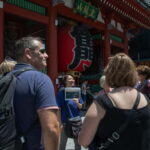
REVIEW · TOKYO
Tokyo Asakusa Half Day Walking Tour with Local Guide
Book on Viator →Operated by Attractive JAPAN · Bookable on Viator
Asakusa clicks fast with a good guide. This half-day morning walk helps you see Senso-ji highlights, plus the shopping textures of Nakamise and the older Shitamachi feel, without spending your time guessing what to do next. I like that it’s small-group (max 5), so you get real attention instead of a hurried stampede. One heads-up: lunch and food are on your own, so plan a budget on top of the tour price.
You also get a route you can adjust. The guide can tailor stops based on what you care about, and the tour starts and ends in a handy spot at the Asakusa Culture Tourist Information Center, near transit. It runs about 2 hours 30 minutes and uses a mobile ticket, which keeps things simple once you’re in Asakusa.
In This Review
- Key highlights at a glance
- Asakusa in 2.5 Hours: what this walk helps you nail
- Meeting at Asakusa Culture Tourist Information Center and getting oriented
- Kaminarimon Gate to Senso-ji: the worship lesson that changes your visit
- Nakamise Shopping Street: snacks, crafts, and what to look for
- Shitamachi streets and Hoppy Street: old Tokyo atmosphere in motion
- The Monja-yaki lunch plan: how to use the time without overspending
- Price and value: why $61.78 can make sense here
- Who this tour suits (and who might prefer solo time)
- Should you book this Asakusa half-day walking tour?
- FAQ
- How long is the Tokyo Asakusa walking tour?
- What time does the tour start?
- Where does the tour start and end?
- What does the tour cost?
- Is lunch included?
- What’s included in the price?
- How big is the group?
- Is the itinerary flexible?
- What if the weather is bad or the minimum isn’t met?
Key highlights at a glance
- Small-group format (max 5) for patient, personal explanations
- Senso-ji worship basics + fortune drawing so you know what you’re doing
- Nakamise Shopping Street snacks and crafts like age-manju, kibidango, ningyo-yaki, folding fans, and leather items
- Shitamachi streets experience including Hoppy Street and the Kamiya Bar area
- Flexible route on request, guided to match your curiosity
- Mobile ticket plus a clear start/end point at Asakusa’s tourist information center
Asakusa in 2.5 Hours: what this walk helps you nail
Asakusa can feel like Tokyo on fast-forward. You’ll be surrounded by big sights, old lanes, and snack smells all at once. This tour is built for order: you get a guided sweep that helps you understand what you’re looking at, then you can choose what to linger on later.
What I like most is the payoff-per-minute. Instead of bouncing between landmarks with no context, you get story and purpose while you’re still close to everything. That matters in Asakusa, where the crowd energy is real and a little direction saves time.
The only tradeoff is that it’s not a slow, sit-down experience. It’s a morning walk, so if you’re hoping for long breaks or a full food tour meal plan, you’ll need to add that yourself.
You can also read our reviews of more walking tours in Tokyo
Meeting at Asakusa Culture Tourist Information Center and getting oriented
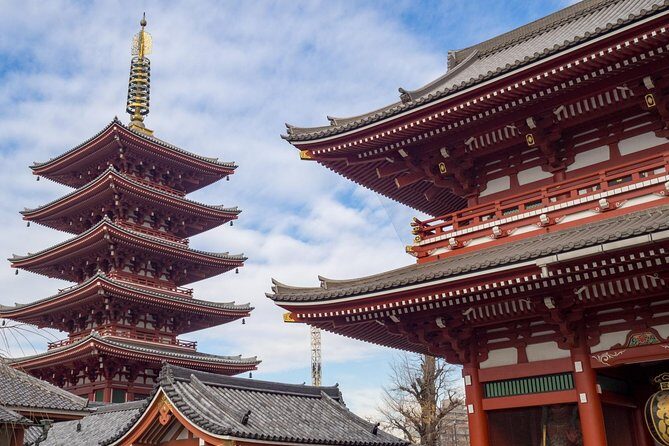
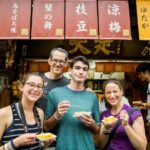
The tour starts at the Asakusa Culture Tourist Information Center (2-chōme-18-9 Kaminarimon, Taito City). Ending back there means you’re not trying to line up transport to some far-off point after the walk.
This is one of those practical choices that quietly boosts the value. When the start/end are easy, the tour becomes less stressful. You can focus on the sights, not on timing your train or working out how to get back.
Also, because the guide is local and the group is small, you’re more likely to ask questions in real time. In a place like this, that’s the difference between seeing temples and understanding what you’re seeing.
Kaminarimon Gate to Senso-ji: the worship lesson that changes your visit
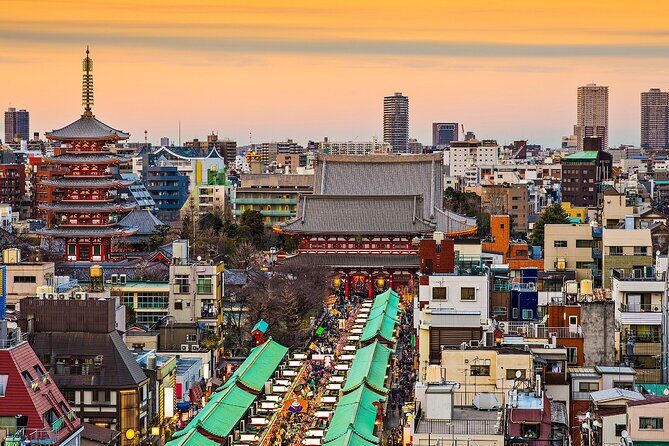
You’ll begin at Kaminarimon Gate, the Thunder Gate linked with Senso-ji. It’s a classic Asakusa entry point, and seeing it through a guide’s explanation gives it more meaning than a photo stop.
Then you move into Senso-ji. This isn’t just walking around the grounds. You get instruction on how to worship before you visit the temple area yourself. That’s a big deal if you’re not sure about etiquette, offerings, or what to do first once you’re there.
You’ll also have a chance to draw a fortune and make a prayer at Senso-ji. That’s the kind of small, personal moment that turns a famous sight into something you actually did, not just something you passed.
Possible consideration: Senso-ji is popular. Even with a guided pace, it can be crowded. If you hate crowds in general, expect a busier vibe once you’re inside the main temple area.
Nakamise Shopping Street: snacks, crafts, and what to look for
Nakamise Shopping Street is where Asakusa shows its everyday face. It’s not just souvenir clutter—you’ll see traditional shops and snack counters lined up in a way that feels built for wandering.
You’ll stop here to explore specialty stalls and try the kinds of treats Asakusa is known for. The tour specifically includes examples like:
- Age-manju, deep-fried sweet bun
- Kibidango, millet dumplings
- Ningyo-yaki, doll-shaped waffles
- Matcha tea
- Kaminari Okoshi, sweet rice crackers
The guide also points out craft shops, which is where the area gets more interesting than snack shopping alone. You may see places such as:
- Bunsen-do, known for folding fans
- Bunkoya-Ozeki, with leather items
This is one of the tour’s smartest parts. A guide helps you navigate quickly, but you still get time to browse and decide what you actually want—not just what the crowd seems to want.
One practical point: the tour’s food items are not presented as a full meal. They’re part of the experience. If you want a bigger lunch plan, you’ll be looking at it separately.
Shitamachi streets and Hoppy Street: old Tokyo atmosphere in motion
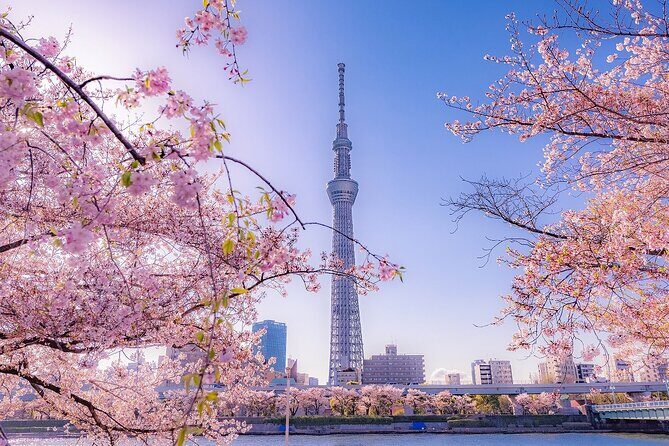
After Senso-ji and Nakamise, you shift gears into Shitamachi—the older side of Tokyo’s downtown character. This portion is less about one headline landmark and more about texture: street mood, neighborhood history, and the sense that this area lived long before today’s sightseeing routes.
In this walk, you’ll pass through streets that include the Kamiya Bar area and Hoppy Street. It’s the kind of stop that’s hard to appreciate if you just pop in for a photo and leave. With a guide, you’re more likely to notice why these lanes feel different—how the neighborhood identity shows up in the streets themselves.
This is also where the “small-group” value shows up again. You can ask questions about what you’re seeing, and the guide can adjust your pace if a lane gets too crowded or if you want more detail in a certain direction.
You can also read our reviews of more guided tours in Tokyo


The Monja-yaki lunch plan: how to use the time without overspending
The tour includes an option for lunch: Monja-yaki pancake lunch (own expense). That means you’re getting the cultural nudge toward a local specialty, but you’re not locked into a set menu.
I like this approach because it keeps the tour flexible. You can eat as part of the experience, but you’re not paying tour pricing on top of a fixed restaurant bill.
If you’re watching your budget, treat lunch as an optional add-on rather than a deal you have to buy. If you’re hungry, plan to eat then. If you’re not, you can do snacks and keep going—just don’t let yourself run out of energy for the temple-to-street walking.
Price and value: why $61.78 can make sense here
The price is $61.78 per person, and the tour duration is about 2 hours 30 minutes. That includes the guide fee, and an admission ticket is listed as included (exact attraction isn’t specified in the details you’re given, so think of it as part of the guided visit costs).
Is it expensive? It can be, but Asakusa is a place where context adds real value. You’re paying for:
- A guide to help you avoid getting lost in a dense sightseeing area
- Explanations for the temple worship experience
- A curated flow so you spend less time figuring out what’s worth your attention
- Small-group care (max 5), which tends to be rare in very famous neighborhoods
Transportation isn’t included, and lunch/food/experience fees are also not included. That’s normal for walking tours, but it’s why you should plan an extra budget for eating.
If you love history and want to feel confident when you’re standing in front of a major temple, this price starts to feel like a fair trade for time and guidance.
Who this tour suits (and who might prefer solo time)
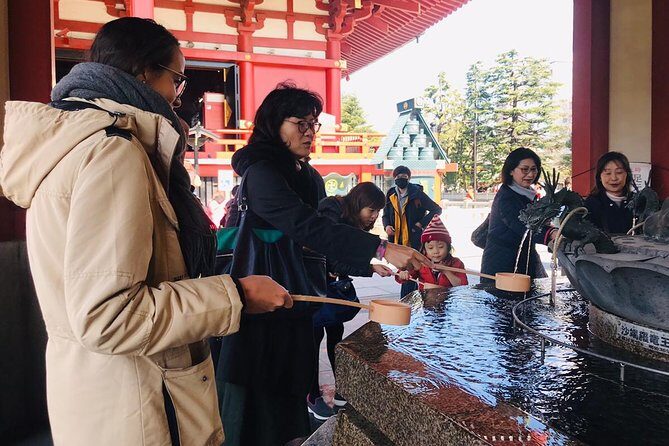
This tour is a great match if you want a fast, guided overview that still includes hands-on moments. You’ll especially like it if:
- You’re new to Asakusa and don’t want to waste time figuring things out
- You want temple context, not just temple scenery
- You like snack-and-stroll shopping streets
- You prefer a smaller group where you can ask questions
It’s less ideal if you want a long, leisurely day with lots of unstructured wandering. Also, because it’s weather-dependent, you’ll get better results if you’re traveling when conditions are decent.
A final note from what people appreciate: the guides are praised for being patient and genuinely helpful. Names that came up include Hana, Shino, and Kurumi—all described as sweet, informative, and thoughtful with the group pace.
Should you book this Asakusa half-day walking tour?
Book it if you want a focused morning in Asakusa that gets you from Kaminarimon to Senso-ji, through Nakamise Shopping Street, and into Shitamachi streets—with a guide who helps you understand what you’re doing and why it matters. It’s especially worth it if you hate wandering without a plan.
Skip or rethink it if you already know Asakusa well, don’t care about worship/fortune details, or you’d rather spend the whole time at your own speed with no structure. Also, if you’re the type who needs a fully included meal plan, you’ll want to plan lunch separately since food and drinks are not included.
If you’re aiming for a smart first taste of Asakusa—confident, organized, and culturally grounded—this is a solid choice.
FAQ
How long is the Tokyo Asakusa walking tour?
It runs about 2 hours 30 minutes.
What time does the tour start?
The start time is 9:30 am.
Where does the tour start and end?
It starts at Asakusa Culture Tourist Information Center (2-chōme-18-9 Kaminarimon, Taito City) and ends back at the same meeting point.
What does the tour cost?
The price is $61.78 per person.
Is lunch included?
No. Lunch and food and drink are not included. Monja-yaki lunch is mentioned as own expense.
What’s included in the price?
The guide fee is included, and an admission ticket is listed as included.
How big is the group?
The tour has a maximum of 5 travelers.
Is the itinerary flexible?
Yes. The itinerary is customizable on request, and the guide sets up the route based on your interests.
What if the weather is bad or the minimum isn’t met?
This experience requires good weather. If it’s canceled due to poor weather, you’ll be offered a different date or a full refund. If it’s canceled because the minimum number of travelers isn’t met, you’ll be offered a different experience/date or a full refund.