REVIEW · TOKYO
Tokyo: Samurai Sword Academy in the Hometown of Last Samurai
Book on GetYourGuide →Operated by Masubuchi Dojo LLC · Bookable on GetYourGuide
I love the fact that this isn’t a show. You learn Tennen Rishin-ryu from Masao Inoue and his instructors, tied directly to the Shinsengumi legacy. And you get hands-on time with a Japanese sword, not just staged photos. One consideration: this is a physical class, so it’s not a good fit for most mobility, back, heart, or health limitations.
The setting is the real hook. The training happens at the Tennen Rishin-ryu dojo in Hino, and the meeting point is on the second floor of the Inoue Genzaburo Museum, about a 5-minute walk from Hino Station on the JR Chuo Line. The small group limit (4 people) also means you won’t get lost in a crowd.
At $116 for about 2 hours, you’re paying for direct instruction, practice gear, and the chance to handle traditional weapons safely. It’s good value if you want more than a quick gimmick and you’re ready to work your feet, posture, and timing.
In This Review
- Key highlights I’d prioritize
- Hino City: the Shinsengumi hometown feeling is the whole point
- The Inoue Genzaburo Museum meeting point, and what to expect upstairs
- Getting kitted out: uniform, wooden sword, and the dojo mindset
- Tennen Rishin-ryu basics: stance, footwork, timing, and kata practice
- From dueling drills to wielding a katana: what changes as you progress
- Sword cuts and safety: why this isn’t just a photo moment
- Small group teaching in English and Japanese: you get real corrections
- Price and value: is $116 for 2 hours worth it?
- Who should book, and who should skip (important)
- How to fit this into a Tokyo trip without turning it into a chore
- Should you book the Samurai Sword Academy in Hino?
- FAQ
- How long is the Samurai Sword Academy experience?
- Where do I meet for the class?
- Is this a small group class?
- What will I wear and what equipment is provided?
- Are the instructors able to teach in English?
- Who should not participate?
Key highlights I’d prioritize
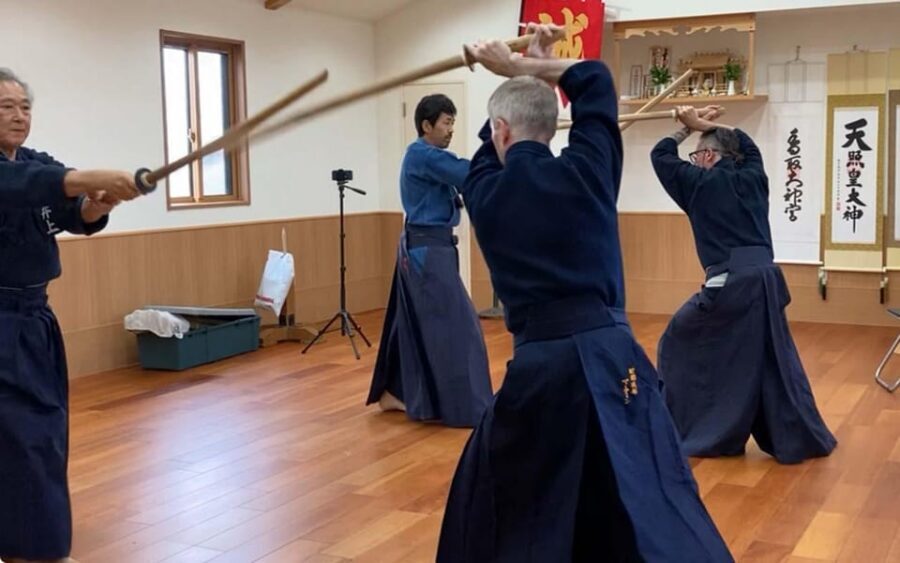
- Shinsengumi lineage, taught by descendants: Chairman Masao Inoue is a descendant of Genzaburo Inoue, a key figure in the Shinsengumi world.
- Actual Tennen Rishin-ryu dojo atmosphere: the hall feels like a training space, not a performance set.
- You learn the basics before going full contact: the class builds from posture and footwork to kata-style practice.
- Wooden sword practice first: you start with a wooden sword and progress in stages.
- Then the real katana experience: you’ll handle a Japanese sword, and you may do cutting drills like tatami mats.
- English support in a small group: instruction is offered in English and Japanese, with lots of attention per person.
Hino City: the Shinsengumi hometown feeling is the whole point
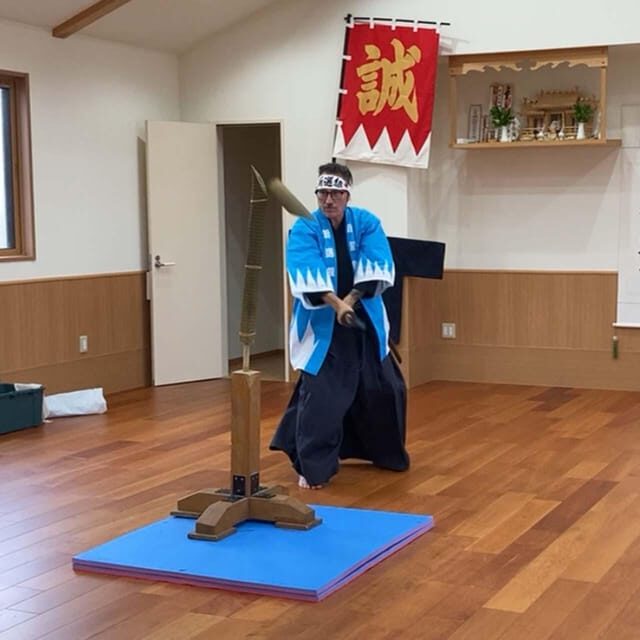
Most Tokyo experiences aim to impress you with Tokyo. This one flips that. Instead of running around the city, you head to Hino and train in the place tied to the Shinsengumi story.
Tennen Rishin-ryu is an Edo-period sword style still practiced today, and the swordsmen in Hino formed the Shinsengumi at the end of the Edo era. That matters because you’re not learning “random martial arts moves.” You’re learning within the lineage that shaped the famous Last Samurai image people associate with Japan’s final decades of samurai rule.
If you like travel that connects place to practice—streets to stories—Hino fits. You get a clearer sense of why people obsessed over footwork, distance, and discipline. You’re standing where the tradition is still trained, not just talked about.
You can also read our reviews of more tours and experiences in Tokyo.



The Inoue Genzaburo Museum meeting point, and what to expect upstairs
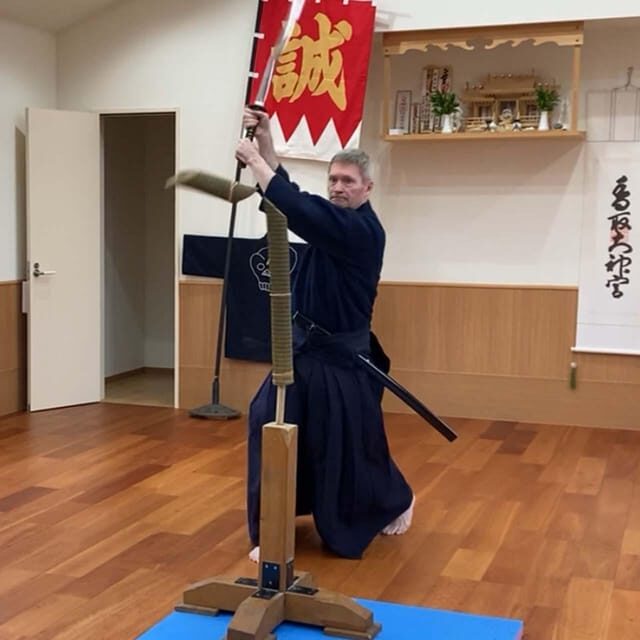
The practical start is simple. You meet on the second floor of the Inoue Genzaburo Museum, a short walk from Hino Station on the JR Chuo Line.
That second-floor detail is more than trivia. Plan to move through stairs smoothly, because you’ll need that energy later for stance work. There’s no mention of wheelchair access, and the activity has a long list of “not suitable” requirements—so I’d assume the room setup is built for active practice.
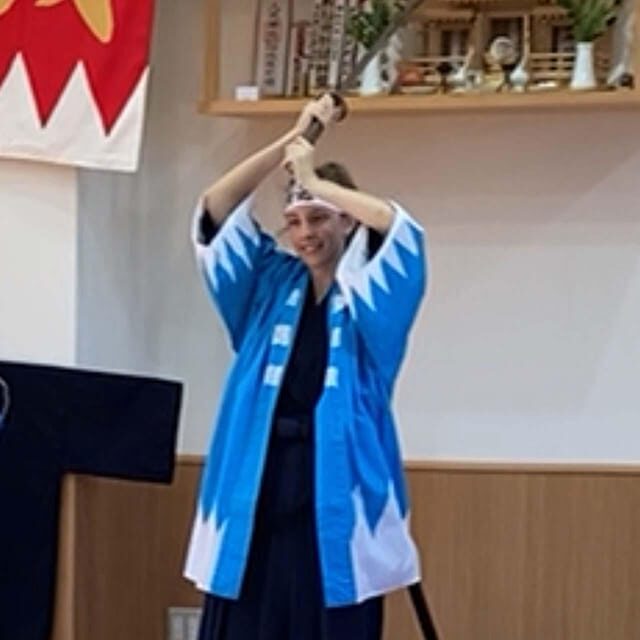
Once you’re in, you’ll be guided through getting ready. You’re provided with practice dōgi and hakama plus dandara baori (the Shinsengumi-style uniform piece). Reviews consistently mention that you’re treated respectfully and instructed carefully, which matters when you’re handling a sword and wearing unfamiliar traditional clothing.
Getting kitted out: uniform, wooden sword, and the dojo mindset
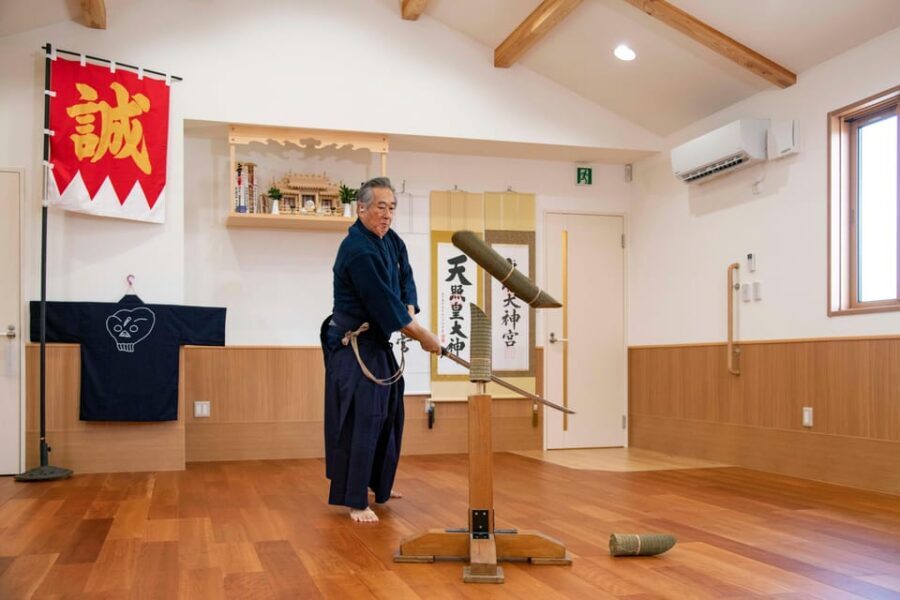
Here’s what I like about the way this experience is designed: you don’t jump straight into weapon play. You start by getting into the right gear and posture.
You’ll be given:
- Dōgi and hakama (practice uniform)
- Dandara baori (Shinsengumi-style uniform)
- A wooden sword for initial training
- Access to a Japanese sword later in the session
Putting on the uniform is part of the training, not just cosplay. The clothing helps you focus on correct movement and keeps the experience grounded in tradition. When a class gives you the gear, it also removes guesswork. You don’t need to bring anything fancy. You just show up.
Then the dojo focus kicks in. You’ll work basic posture and foot placement first, because good sword technique starts at the ground. One review specifically highlights that instructors explain not just how to move, but why foot placement prevents injury. That’s the kind of practical teaching you want, especially if your body isn’t used to martial-arts stances.
Tennen Rishin-ryu basics: stance, footwork, timing, and kata practice
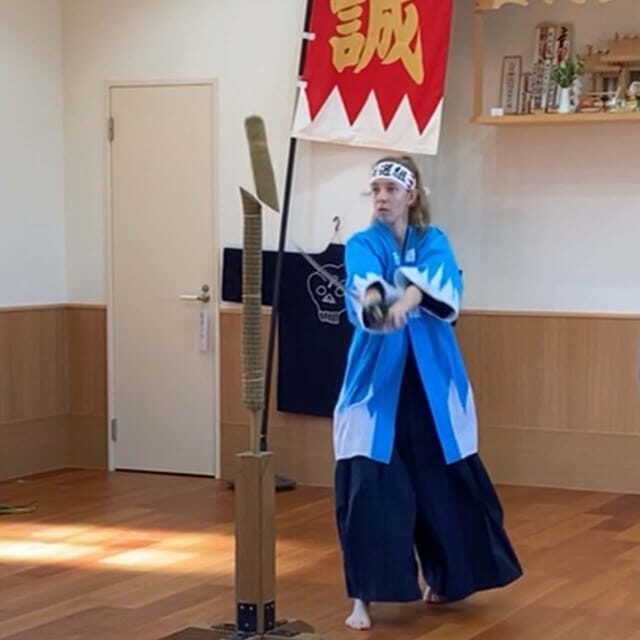
The heart of the session is Tennen Rishin-ryu training. Expect a sequence that moves from fundamentals to more advanced drills.
What your time is built around:
- Posture and footwork: how you plant your feet and keep balance
- Kata-style movement: learning set patterns that build muscle memory
- Sword stances and controlled motions: you’ll practice without chaos
This is where the “authentic dojo” feeling really shows. The class atmosphere is described as impressive and serious, but the instructors are also patient. The tone you want in a sword class is calm instruction, not tough-guy theatrics.
If you’re worried you’ll be slow, don’t. Multiple reviews mention patient pacing and supportive teaching. The instructor attention is helped by the small group size (up to 4 participants), so you’re not stuck watching from the back row while the instructor only corrects the fastest student.
From dueling drills to wielding a katana: what changes as you progress
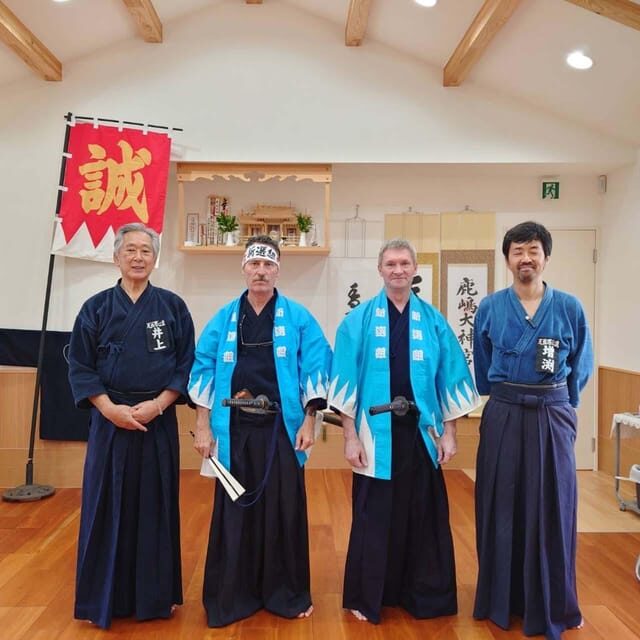
The progression is a key part of the value here. You start with safer practice tools and then move toward handling the real thing.
From what’s described, you’ll get staged training that can include:
- practice with wooden sword movements
- duel practice (or practice against a partner setup)
- later, wielding a real katana
- cutting drills such as tatami mats (mentioned in reviews)
One review goes further and mentions attempting to cut bamboo. You should treat that as “possibly included depending on how your session flows,” because the core data emphasizes sword handling and dojo training rather than guaranteeing specific cutting targets every time.
Still, the takeaway is consistent: this class builds confidence step by step. You don’t just wave a katana around. You learn the body mechanics that make the swing make sense.
And when you finally handle the Japanese sword, it’s not only about the blade. It changes your awareness. Even if you’re not a history nerd, the weight and balance make you take technique seriously.






Sword cuts and safety: why this isn’t just a photo moment
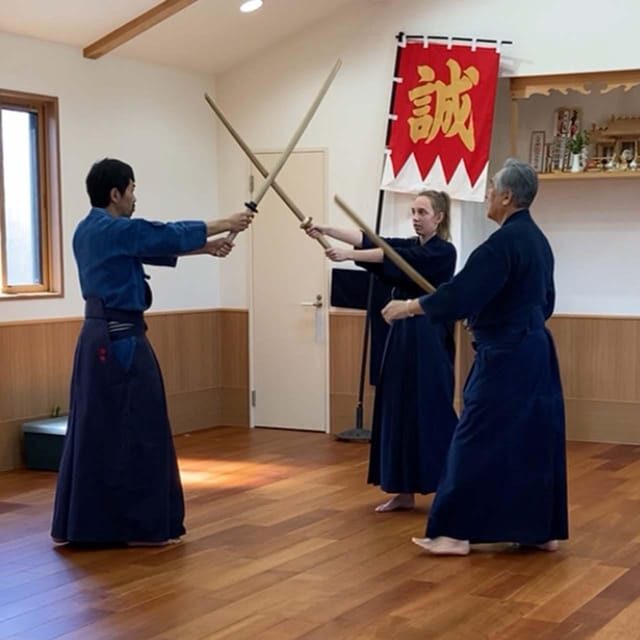
Sword experiences can go two ways. Either you get staged entertainment, or you get structured training with safety built in. The best reviews of this one stress that the instructors teach with care and explain the “why,” especially around injury prevention.
You’ll likely feel the training rhythm:
- slow, correct positioning first
- controlled reps of moves
- gradual progress
- real-sword handling once you show you can follow instruction
If you’re thinking, Okay, but is this actually fun, not just serious? The reviews lean strongly in the fun direction. People describe duel practice, cutting tatami mats, and surprise moments at the end. There’s also mention of a Shinsengumi map being given out, which is a nice way to turn your training into an evening plan for history spots around Hino.
I also appreciate that the class doesn’t treat you like glassware. It sounds like instructors aim to keep you safe while still giving you enough challenge to feel you earned the real-sword moment.
Small group teaching in English and Japanese: you get real corrections
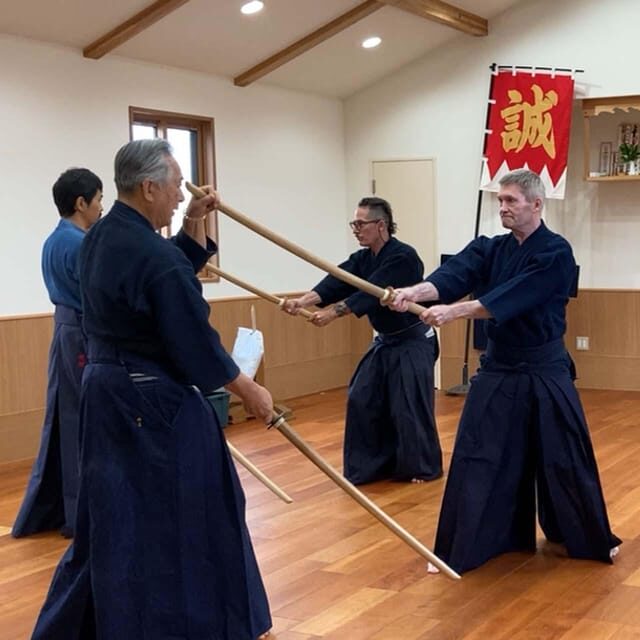
This is limited to 4 participants. That’s not just a comfort detail; it affects the entire experience.
In a large class, sword training turns into a sequence of brief corrections followed by lots of watching. In a group this size, you’re more likely to:
- receive specific posture adjustments
- get feedback on foot placement
- understand what to do next before you get ahead of yourself
Language support is also a plus: instruction is offered in English and Japanese. That doesn’t mean every explanation will be perfectly detailed in English, but the class is set up for mixed-language visitors.
In practice, the difference you’ll feel is confidence. You won’t be guessing what the instructor wants when you switch from stance work to sword handling.
Price and value: is $116 for 2 hours worth it?
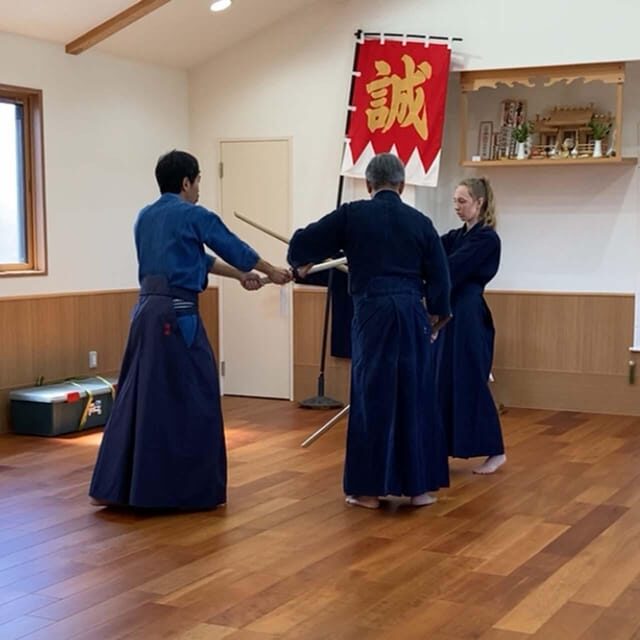
Let’s talk money plainly. At $116 per person for about 2 hours, you might wonder if it’s pricey. Tokyo has plenty of short experiences that cost less.
But here’s what you’re paying for:
- Direct instruction tied to Tennen Rishin-ryu
- Teachers led by Masao Inoue and dojo instructors connected to the lineage
- Practice materials: wooden sword, Japanese sword time, and uniform pieces (dōgi/hakama and dandara baori)
- A small group format that supports personal feedback
For many “sword photos” in big cities, you pay for spectacle. Here, you pay for coached learning and equipment-included practice. If you want to leave Tokyo with a story that feels earned—how your stance changes, how sword handling feels—you’re getting what you came for.
If you only want a quick taste and you’re not comfortable with basic physical movement, you might feel the cost more than the experience.
Who should book, and who should skip (important)
This activity clearly isn’t for everyone. It’s not suitable for:
- pregnant women
- people with back problems
- people with mobility impairments
- wheelchair users
- people with heart problems
- people with vertigo
- children under 18
- people with a cold
- people with altitude sickness
- people over 75
- people with recent surgeries
- people with low level of fitness
Also remember it’s on the second floor of a museum. Even if you don’t have the conditions above, you should consider how easily you can stand, move into stances, and follow instructions safely.
Who this suits best:
- you’re comfortable with basic physical activity and can follow step-by-step instructions
- you want hands-on training, not just watching
- you enjoy cultural experiences where the place actually connects to the practice
How to fit this into a Tokyo trip without turning it into a chore
This is not a “sit-and-stare” activity. Give it mental space like it’s a workshop, not a quick errand.
Your best bet:
- plan an easy day before and after
- wear comfortable clothes for travel to Hino Station, then expect to change into practice gear
- arrive early enough that you’re not rushed when you’re learning posture and footwork
Since the meeting point is a short walk from Hino Station on the JR Chuo Line, the trip is straightforward once you’re on that rail route. You can keep your Tokyo day structured: explore, then train.
Also, if you enjoy history after the class, use the likely extra cultural wrap-up. Some sessions include a Shinsengumi map and a final surprise, and either way the Hino setting gives you something to continue exploring.
Should you book the Samurai Sword Academy in Hino?
Book it if you want a real practice feel. This is best for people who like learning by doing: posture first, movement second, sword handling third. The small group size, the careful instruction style, and the sense that the dojo is the real deal are what make it special.
Skip it if you want a relaxed, low-physical energy experience, or if any of the listed health/mobility restrictions apply. A sword class isn’t the place to test your limits.
My practical decision rule:
- If you’re excited by the idea of learning Tennen Rishin-ryu in the Shinsengumi hometown, and you can handle basic stances and controlled drills, this is a top-tier Tokyo-area day.
- If you mainly want pictures and don’t care about technique, look for something less physical.
FAQ
How long is the Samurai Sword Academy experience?
The experience lasts about 2 hours.
Where do I meet for the class?
You meet on the second floor of the Inoue Genzaburo Museum, a 5-minute walk from Hino Station on the JR Chuo Line.
Is this a small group class?
Yes. It’s limited to a small group of up to 4 participants.
What will I wear and what equipment is provided?
You’ll be provided with dōgi and hakama (practice uniform) and the dandara baori (Shinsengumi uniform). The class also includes practice with a wooden sword and time handling a Japanese sword.
Are the instructors able to teach in English?
Yes. The instructor can teach in English and Japanese.
Who should not participate?
The activity is not suitable for children under 18, people over 75, and those with back problems, mobility impairments (including wheelchair users), heart problems, vertigo, recent surgeries, low fitness, or a cold. It is also not suitable for pregnant women and people with altitude sickness.