REVIEW · NAGOYA
The Best Sumo Tournament Experience in Nagoya
Book on Viator →Operated by Nagoya is not boring · Bookable on Viator
Sumo in Nagoya hits different in mid-summer. This tour takes you into an official Nagoya Basho tournament at IG Arena, with a guide who explains the sport as you watch and even lets you greet famous wrestlers when they enter the ring area.
I really like two parts. First, you get reserved chair seats (A or S based on ticket availability), which matters a lot when you’re new to sumo. Second, you get to try chanko nabe, the classic wrestler meal, instead of treating food like an afterthought.
One heads-up: this experience can feel pricey, and what you get depends on seat availability and how much you expect from the included meal. The chanko is a small bowl, and additional snacks or drinks aren’t included.
In This Review
- Key things I’d bet you’ll care about
- Nagoya Basho at IG Arena: why this summer sumo feels real
- Your 4-hour plan: what the afternoon actually looks like
- Reserved chair seats A or S: value depends on where you land
- Meet-the-wrestlers moments: the small access that changes everything
- Learning sumo with a real guide: what you’ll actually understand
- IG Arena atmosphere: how to enjoy the roar without understanding every detail
- Chanko nabe at the right time: how to treat the included meal
- Merch shops and sumo gear: what to do with that 4-hour window
- Price and logistics: what $233.90 really buys you
- Who should book this Nagoya sumo experience
- Should you book it?
- FAQ
- What sumo tournament does this tour attend?
- How long is the experience?
- What’s included with the ticket and tour?
- Where do I meet, and when does it start?
- Are the seats reserved?
- Is hotel pickup included?
- Does the tour run in bad weather?
Key things I’d bet you’ll care about
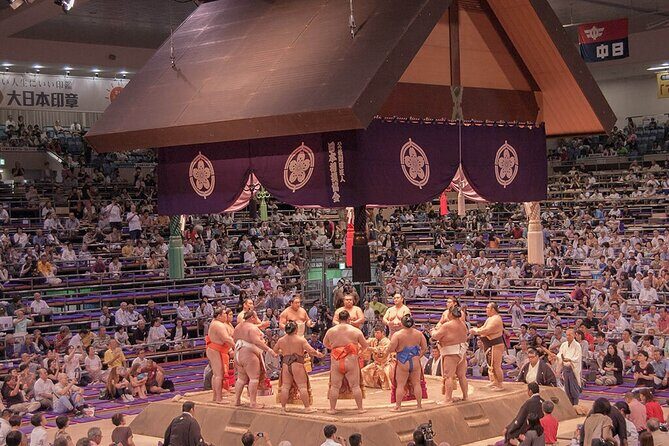
- Official Nagoya Basho matches at IG Arena during one of sumo’s biggest seasonal tournaments
- Reserved chair seats (A or S) so you can focus on the action instead of searching for a decent view
- A guide who explains what’s happening in real time, including history and key wrestlers
- Rookie-friendly sumo basics, from rituals to how to read a bout
- Chanko nabe in a small portion plus time to handle the day like a local
- Photos during the tour and a chance to learn from the crowd’s energy
Nagoya Basho at IG Arena: why this summer sumo feels real

Nagoya doesn’t just host sumo, it hosts one of the big five and six big deals of the year. Around mid-July, the city runs the Grand Summer Sumo Tournament, called Nagoya Basho, and it’s an official event on the calendar that serious fans plan around.
What makes this tour special is that it doesn’t treat the tournament like a museum ticket. You’re there for the full atmosphere: the noise, the rhythm, the way spectators react when a wrestler makes an entrance, and the way the match energy builds when you’re sitting among people who actually know what they’re watching. For first-timers, that crowd context helps you get more out of the sport than just seeing bodies collide.
And IG Arena is the right setting for this kind of experience. It’s a stadium experience with enough structure that you can enjoy the show, but it still feels close to the action because you’re not wandering through random seating chaos. When you can see and understand what’s going on, sumo stops being confusing fast.
You can also read our reviews of more tours and experiences in Nagoya.


Your 4-hour plan: what the afternoon actually looks like
This experience runs about 4 hours and it’s built around the tournament flow. You start at 2:00 pm and meet at Meijo Koen Station (Meijō, Kita Ward). The ending is at IG Arena, and after the last match finishes, your guide walks you back toward Meijo Koen Station and/or provides directions for where you want to go next.
That timing matters. If you’ve only watched sumo on TV, you’re missing how the day unfolds. Here, you get guided context early, then you watch matches while the guide helps you interpret what you’re seeing.
Because it’s a live tournament, the experience depends on the actual bout schedule that day. The upside is you get the real product. The trade-off is that you should plan this as your main afternoon activity. Don’t stack tight plans right after your tour end time unless you enjoy stress.
Reserved chair seats A or S: value depends on where you land
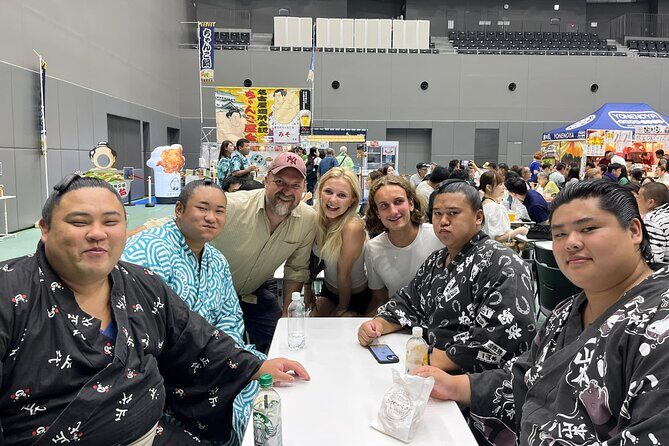
You’re not buying a vague stadium entry. The tour includes reserved chair seats labeled A or S, and which section you receive depends on ticket availability. In other words: you’re guaranteed a seat with a known category, but you’re not guaranteed the exact same view every day.
That’s important when you’re new to sumo. The most frustrating way to see sumo live is to end up so far from the ring that you can’t track footwork, grip changes, or the moment a bout shifts. This tour solves most of that by keeping you in reserved seating rather than general admission.
I also like that the seats are described as reserved chair seats. That usually means more consistent comfort than standing-room alternatives, which is a big deal when you’re watching several bouts in a row.
Still, if you’re paying a premium, it’s smart to calibrate expectations. If you end up in the less desirable end of the reserved-seat range, the match itself will still be great, but the “WOW, I can see everything” factor might be smaller. That’s the main value variable in this package.
Meet-the-wrestlers moments: the small access that changes everything
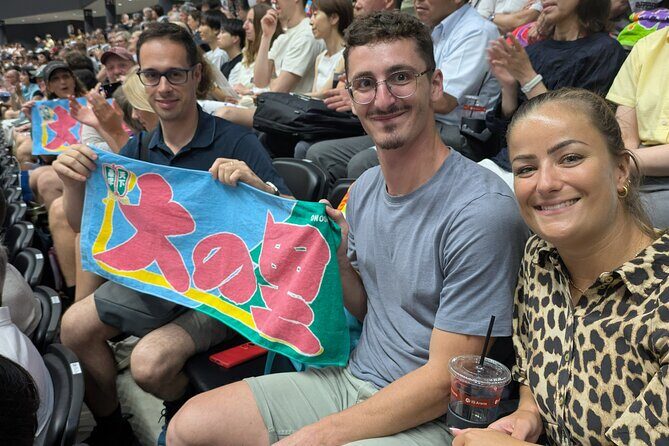
One standout part of this tour is that it’s not limited to watching from your seat. You’ll learn about sumo and then have the chance to greet the most famous sumo wrestlers in Japan as they enter the stadium for the big match.
That might sound like a brief moment, but it changes the whole feeling of the day. Sumo is full of pageantry, and meeting—or at least seeing—wrestlers close to entrance time makes the sport’s celebrity scale feel tangible, not abstract.
You also don’t have to be a lifelong fan to appreciate it. The guide’s explanations help you connect the entrance rituals and crowd reactions to what the wrestlers represent in the tournament structure.
If you like travel days where you get one or two moments that feel exclusive, this is built for that. It’s not just a seat ticket. It’s a guided day designed to make you feel like you’re inside the tournament world.
Learning sumo with a real guide: what you’ll actually understand
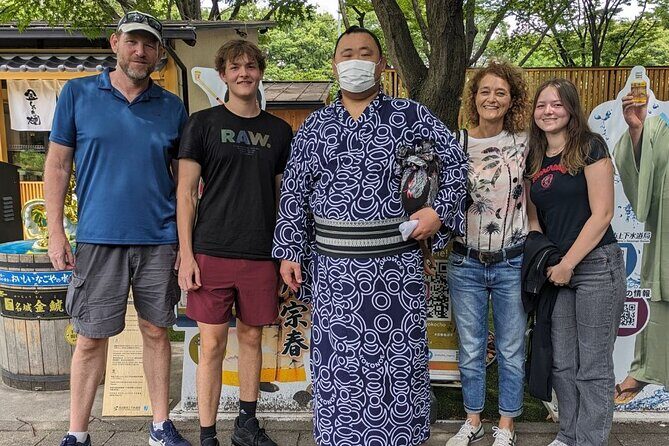
This isn’t a silent “watch and figure it out” tour. An expert sumo guide accompanies you, and you get Sumo information and a pamphlet during the experience. The point is to take you from confusion to competence while you still have the matches in front of you.
From the way the tour is described, expect the guide to cover things like:
- the history and culture behind sumo
- key wrestlers and what makes them famous
- what’s happening during bouts, not just what you should call it
In practice, that means you’ll spend less time guessing and more time watching for patterns. Sumo is not random strength. It’s positioning, timing, and technique, plus rules and rituals that take a while to learn on your own. Having someone translate the sport in real time can make live viewing feel much more rewarding, especially if you’re going for the first time.
Guides leading this kind of Nagoya experience have been described by name in feedback, including Ellie/Elly (Elisabeth) and Mary, so you may meet someone who clearly loves explaining the sport. Either way, the guiding approach is the same: explanations while you’re watching, so the match clicks.

IG Arena atmosphere: how to enjoy the roar without understanding every detail
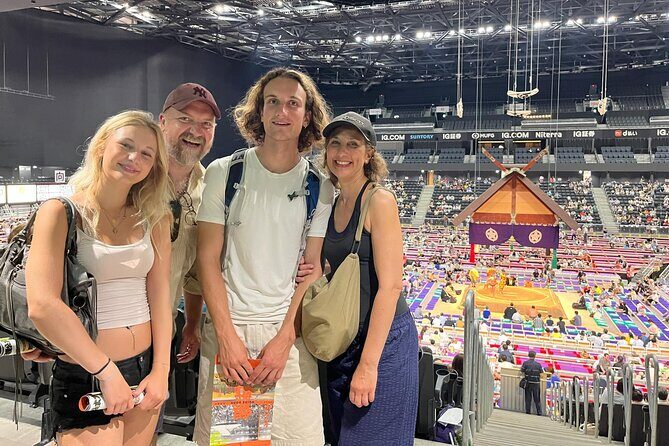
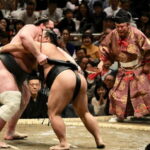
The tournament setting is loud in the best way. When you’re in the stands for live sumo, you feel how the crowd participates. You’ll cheer for favorite wrestlers with local fans, and the noise becomes part of the spectacle.
What I like about doing sumo with a guide is that the roar stops being random background. Even if you don’t fully know the scoring or full technical vocabulary, you start noticing:
- when momentum shifts
- how wrestlers test balance and distance
- how entrances and crowd reaction build pressure
That matters because sumo’s drama isn’t only in the final throw. It builds through near-falls, grip battles, and the slow recognition of who has the better angle.
If you want a travel experience that feels energetic and communal, this delivers. You’re not sitting politely in a museum. You’re part of the event.
Chanko nabe at the right time: how to treat the included meal
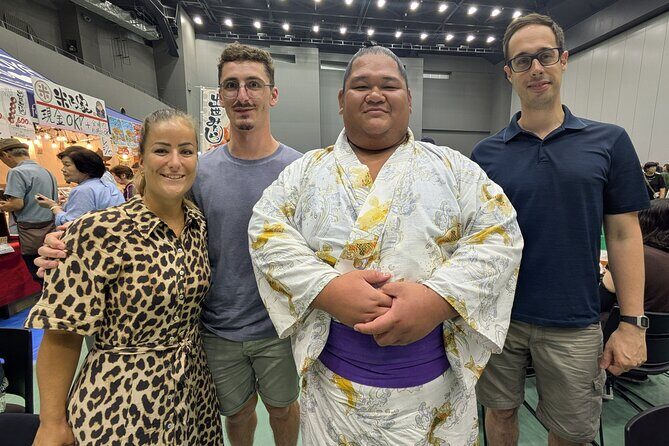
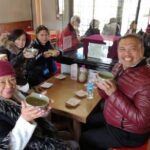
The tour includes a snack-size bowl of chanko nabe stew. This is the wrestler staple meal, and getting it on tour is a smart way to turn a cultural concept into something you taste.
The practical catch is the portion size. The meal is listed as a small size, so think of it as a taste, not a full lunch that will carry you through dinner. Also, any additional food and drinks aren’t included, so if you’re the type who needs more than a small bowl, plan to grab something nearby on your own after the tour.
I’d also see this meal as part of the cultural experience. Chanko nabe isn’t just food; it’s an easy entry point into sumo life and training habits. Even if you’re not sure what to expect flavor-wise, you’ll likely find the meal comforting and fitting for a big afternoon out.
Merch shops and sumo gear: what to do with that 4-hour window
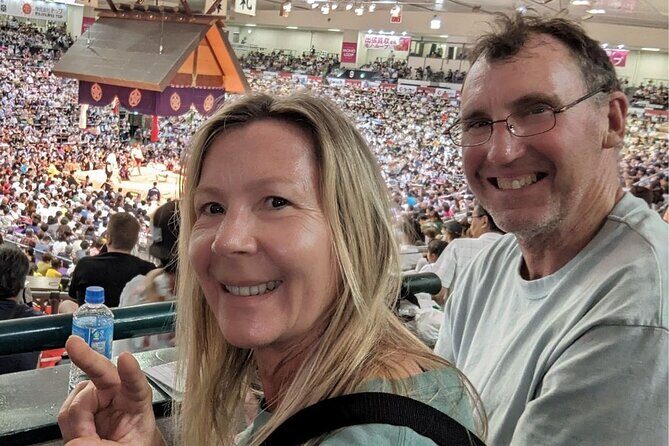
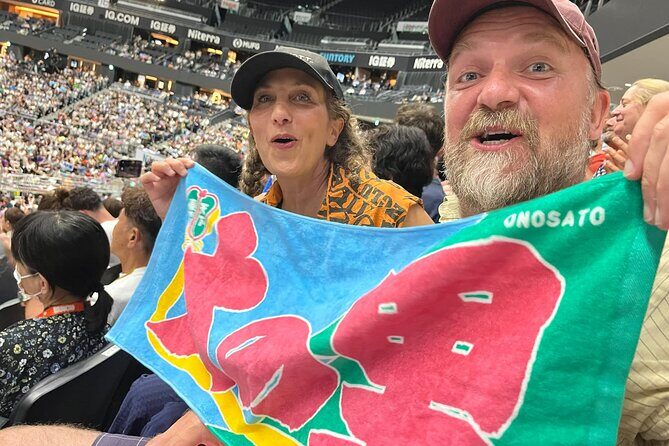
You also get time to walk through sumo merchandising shops. This is one of those travel details that seems minor until you’re actually there. The shops help you connect the tournament to real-life fan culture: towels, fan items, and wrestler-linked souvenirs tied to the event.
What I recommend is keeping your shopping practical:
- go in with a rough souvenir budget
- pick something small and meaningful rather than trying to solve all of your gift needs at once
- use it as a fun way to slow down between matches
The tour timing gives you a chance to enjoy that shopping moment without it turning into a separate half-day project. It’s also a good way to keep your energy up if you’re waiting between tournament segments.
Price and logistics: what $233.90 really buys you
At $233.90 per person, this tour is not cheap. So the real question is: does the package justify the cost for you?
Here’s what you’re paying for, based on what’s included:
- reserved chair seats (A or S, depending on availability)
- a guided explanation with a pamphlet
- photos during the tour
- a chanko nabe bowl (small)
- a private group setup, meaning it’s only your group
For the right traveler, that can be a strong value. If you care most about seeing Nagoya Basho live with seats handled and understanding what you’re watching, the guidance is the multiplier. Live tournament tickets are hard to get, and buying them with help saves you time and mental energy.
Where value can feel weaker is seat placement and meal size. One included bowl won’t replace a full meal, and your seat category can affect how close the action feels. If you’re expecting a big food experience or the absolute best views every time, you might be disappointed.
Also note that transportation costs before and after the tour are not included, and hotel pickup isn’t part of the deal. Since the meeting point is near public transportation, you’ll want to budget your own transit to Meijo Koen Station and then be ready to move on after the last bout.
Who should book this Nagoya sumo experience
I think this tour is a great fit if:
- you’re in Nagoya during the mid-July Nagoya Basho window
- you want live sumo, not just TV highlights
- you’re new to sumo and want explanations while you watch
- you’d rather pay for reserved seating and guidance than gamble on self-planning
It might be less ideal if:
- you’re very price-sensitive and mainly want the cheapest path to a match
- you expect a full lunch from the included food
- you’re planning a tight schedule right after, since you’re tied to the end of the last match that day
One more practical point: this kind of experience tends to sell out early. It’s listed as commonly booked about 365 days in advance on average, so if you want specific days, don’t wait for inspiration.
Should you book it?
If you’re the kind of traveler who likes understanding what you’re watching, I’d book this. The best part isn’t just seeing sumo—it’s learning what the sport is doing while the match is happening, plus getting a guided, structured way to enjoy the tournament day.
My “yes, but” advice is simple: go in knowing that reserved seats A or S depend on availability and that the chanko nabe is small. If those two points match your expectations, you’ll likely come away thinking Nagoya wasn’t boring after all—and that you finally “get” sumo enough to enjoy it on your next watch, too.
FAQ
What sumo tournament does this tour attend?
This tour is for the Grand Summer Sumo Tournament in Nagoya, called Nagoya Basho, held around mid-July.
How long is the experience?
The experience lasts about 4 hours.
What’s included with the ticket and tour?
You get reserved chair seats (A or S depending on availability), a tour guide, photos during the tour, a Sumo information pamphlet, and a small chanko nabe stew bowl.
Where do I meet, and when does it start?
You meet at Meijo Koen Station (address listed for the meeting point) and the start time is 2:00 pm.
Are the seats reserved?
Yes. The tour includes reserved chair seats, labeled A or S, based on ticket availability for the reservation day.
Is hotel pickup included?
No. Hotel pickup is not included, and you’ll also cover transportation fees before and after the tour.
Does the tour run in bad weather?
The experience requires good weather. If it’s canceled due to poor weather, you’ll be offered a different date or a full refund.