REVIEW · TOKYO
Imperial Palace Tour: Discover Samurai History with a Guide
Book on GetYourGuide →Operated by YURAGI - Japan Guide Tours - · Bookable on GetYourGuide
Samurai stories start at a coffee shop. This small-group walk through the Imperial Palace East Gardens makes the Edo period feel understandable, and I especially like how the guide turns stone remains into a story you can follow. One caution: it’s still a walking tour, so if your fitness level is low, you may find it tiring.
The best part is that you don’t just look at pretty grounds. I like the way you move past Edo Castle clues like the Tenshudai base and the Tatsumi Yagura watchtower, and you can compare what you’re seeing with what the guide is explaining. In past groups, guides such as Hina, Naoki Sugar, Delfo, Hiroshi, and Taku have led the discussion in ways that keep questions coming, including in English, Spanish, and French.
In This Review
- Key things I’d watch for on this Imperial Palace East Gardens tour
- Meeting at Starbucks: How to Find Your Guide Fast
- Imperial Palace First: What That 30-Minute Portion Teaches You
- East Gardens on Foot: Edo Castle Ruins You Can Actually Recognize
- Tenshudai base: the ground-level clue
- Tatsumi Yagura watchtower: watching power from above
- The gardens themselves: serene, but not passive
- Samurai and Empire Stories: What You Gain From a Real Guide
- Timing and Pace: How a 90-Minute Walk Keeps You From Getting Tired
- Price and Value: Is $24 Worth It in Tokyo?
- Who This Tour Best Suits (and Who Should Skip It)
- Practical Tips: What to Bring and What to Expect on the Ground
- Should You Book This Imperial Palace Tour?
- FAQ
- Where does the tour meet?
- How long is the tour?
- How much does it cost?
- What language is the guide available in?
- How big is the group?
- What’s included?
- What should I bring?
- Is it wheelchair accessible, and who might want to avoid it?
Key things I’d watch for on this Imperial Palace East Gardens tour
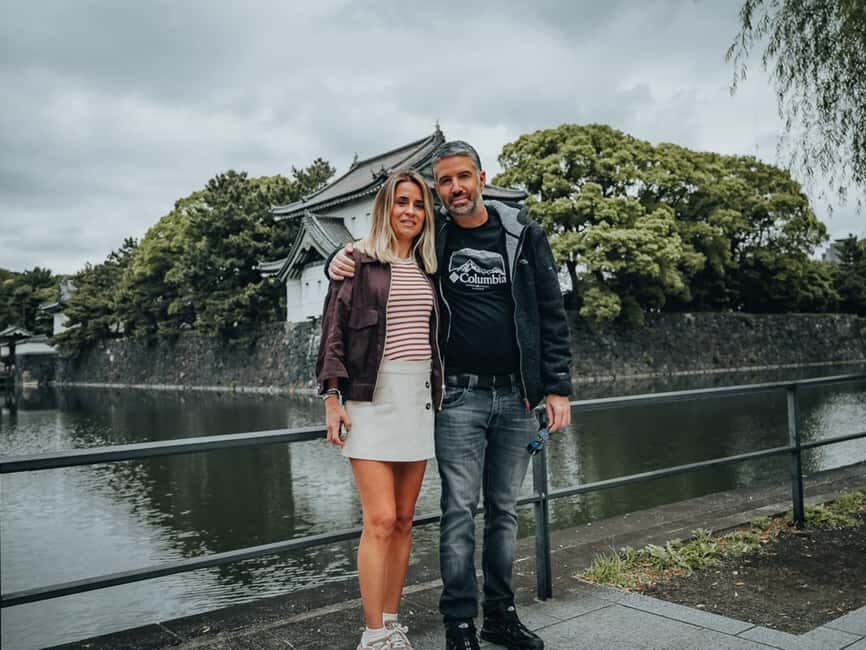
- Meet-up is easy if you look for the YURAGI sign at Starbucks near the Imperial Palace area.
- You focus on Edo Castle remains, including the Tenshudai base and Tatsumi Yagura watchtower.
- Small group means better Q&A with a maximum of 8 participants.
- Guides can switch languages for English, Spanish, and French speaking groups.
- It’s a 90-minute walking format, so wear comfortable shoes and bring water.
Meeting at Starbucks: How to Find Your Guide Fast
The tour starts at スターバックス コーヒー 皇居外苑 和田倉噴水公園店 (Starbucks by the Imperial Palace Outer Gardens/Wadakura fountain area). Your guide will be standing in front of Starbucks with a signboard for the inbound service YURAGI, so don’t overthink it—scan the entrance and nearby sidewalk first.
This matters more than you might think. The Imperial Palace area can feel a little spread out, and if you arrive late, you’ll lose the whole rhythm of the tour. If you have trouble spotting your guide, you can contact them directly by WhatsApp or phone. That quick backup gives me confidence because you won’t get stuck standing around wondering what to do next.
I also like that you’re starting at something familiar: a normal meeting spot where you can orient yourself fast, grab a bottle of water, and settle your shoes.
You can also read our reviews of more guided tours in Tokyo


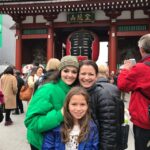
Imperial Palace First: What That 30-Minute Portion Teaches You
You spend about the first half-hour visiting the Tokyo Imperial Palace area (within the broader Imperial grounds experience). Even if you’ve seen photos of gates and walls before, having a guide changes the way those features land in your mind.
Instead of treating the palace as one big monument, the tour frames it as part of a bigger political machine—where emperors, the shogunate, and power shifts all matter. That’s where the guide’s role really shows: they connect what you see with why it existed and who it served in earlier eras.
Practical tip: bring your camera, but also take a few seconds to pause and look without shooting. The guide’s explanation flows better when your brain is matching the story to the objects in front of you.
East Gardens on Foot: Edo Castle Ruins You Can Actually Recognize

Most of your time is in the Imperial Palace East Gardens, where you walk the paths and see remnants tied to Edo Castle, the stronghold of the Tokugawa shogunate. If you’ve ever felt lost trying to make sense of Japanese history from museums alone, this is the kind of format that helps. You’re not reading about the past—you’re seeing the physical “where” that makes the “why” click.
Tenshudai base: the ground-level clue
One highlight is the Tenshudai base. You may not see a towering structure the way you imagine from castles in movies, but that’s the point. The base gives you a concrete reference for how buildings and spaces worked in the Edo Castle system. The guide typically uses landmarks like this to explain how authority and military presence were organized in the castle complex.
When you can point to something specific—like a known base footprint—you stop thinking of samurai history as abstract. It becomes location-based.
Tatsumi Yagura watchtower: watching power from above
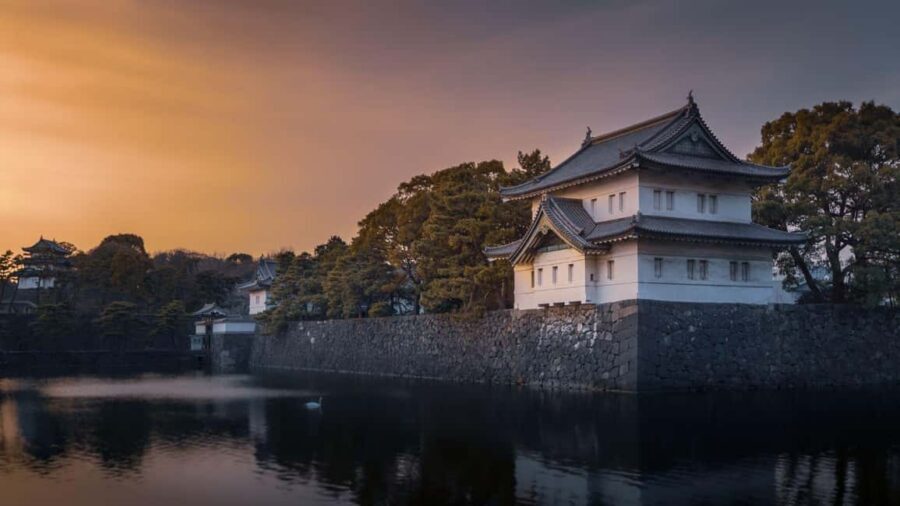
Another key landmark is the Tatsumi Yagura watchtower. A watchtower is an easy concept to understand: it’s about visibility, defense, and control. The value here is that you can connect the structure to the broader reality of Edo-period order—less chaos, more managed systems.
Even if you’re not a history buff, the guide’s commentary helps you read the space like a map. And because you’re walking, you’re building a sense of scale that you don’t get from a photo.
You can also read our reviews of more historical tours in Tokyo
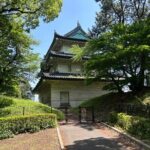
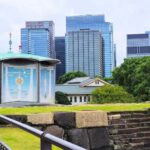

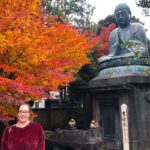
The gardens themselves: serene, but not passive
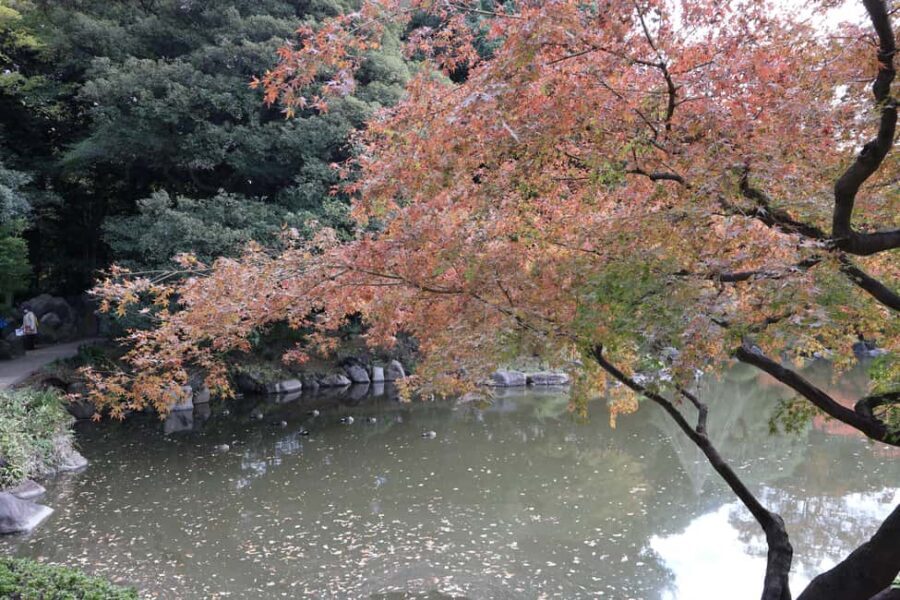
Yes, the paths are well kept and the grounds are calm. But this is not a slow picnic stroll. You’re moving at a pace designed to keep the story going—so you’ll want comfortable shoes. If you expect this to feel like a casual walk through a park, it may feel a touch more structured than you planned.
Samurai and Empire Stories: What You Gain From a Real Guide
Samurai history can sound like a list of names and battles. On this tour, you’re more likely to come away with how the pieces connect: samurai, imperial power, and the political structure that shaped Tokyo.
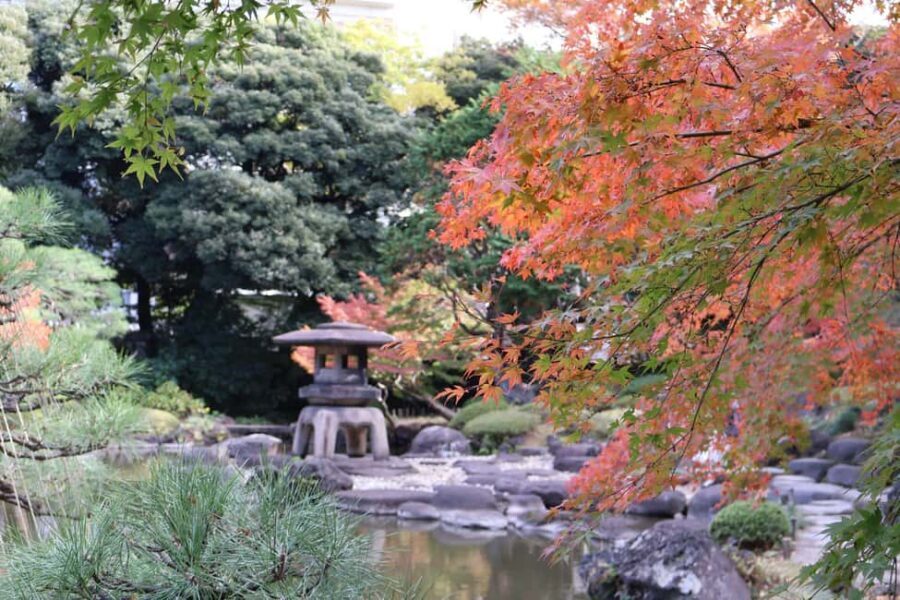
The guides lean on physical landmarks (stone remains, gates, watchtowers, and preserved areas) to explain the bigger picture. That’s why this works as a short, 90-minute experience. You’re not trying to cover every era in the whole country. You’re focusing on a single living area—Imperial Palace East Gardens—that sits right on top of Edo Castle layers.
Also, the fact that the tour runs in English, Spanish, and French matters for understanding. If you’ve struggled in the past with translations that sound stiff or incomplete, you’ll appreciate a guide who can keep the flow natural.
In previous groups, guides like Naoki Sugar have been praised for delivering explanations in Spanish that are easy to follow, and other leaders such as Delfo and Hiroshi have been described as warm and courteous while answering questions. That pattern tells me something: the format isn’t just lecture-style. You’ll likely be invited to ask, and the guide will use your questions to clarify what matters.
One small bonus: because the group is capped at 8 participants, it’s easier to get attention. You’re not fighting the crowd for a turn to ask, which makes the learning stick.
Timing and Pace: How a 90-Minute Walk Keeps You From Getting Tired
The tour is listed as 90 minutes total, and the schedule is split between the palace portion and the East Gardens. Either way, you’re dealing with a time-boxed walking experience—great for a first visit, and also good if you don’t want a full half-day commitment.
Here’s how I think about the value of this pacing:
- You get enough time to see key landmarks like Tenshudai and Tatsumi Yagura
- You still leave with energy to explore Tokyo afterward
- You’re less likely to drag through the grounds on a long route
The drawback is also simple: because it’s a walk, it’s not the best match if you’re dealing with low stamina. You’ll be on your feet and following the guide’s movement through the grounds.
If you want the day to go smoothly, plan on comfortable shoes and bring water. A camera is useful, but don’t let it slow you down at every stop.
Price and Value: Is $24 Worth It in Tokyo?
At about $24 per person, this tour sits in the “reasonable add-on” category for central Tokyo. The real value isn’t just the gardens (you’d get photos anywhere). The value is the guide doing two jobs at once:
1) translating the site into history you can understand quickly
2) pointing out specific remains so you’re not guessing what you’re looking at
Because the group is limited to 8 participants, you’re paying for more than a general walking experience. You’re paying for guided interpretation in a format where it’s still possible to ask questions.
If you’re traveling solo, $24 is often less than one fancy dinner, and the payoff can be bigger. You get context that improves how you see the Imperial Palace area afterward—especially if you plan to come back to wander on your own.
Who This Tour Best Suits (and Who Should Skip It)
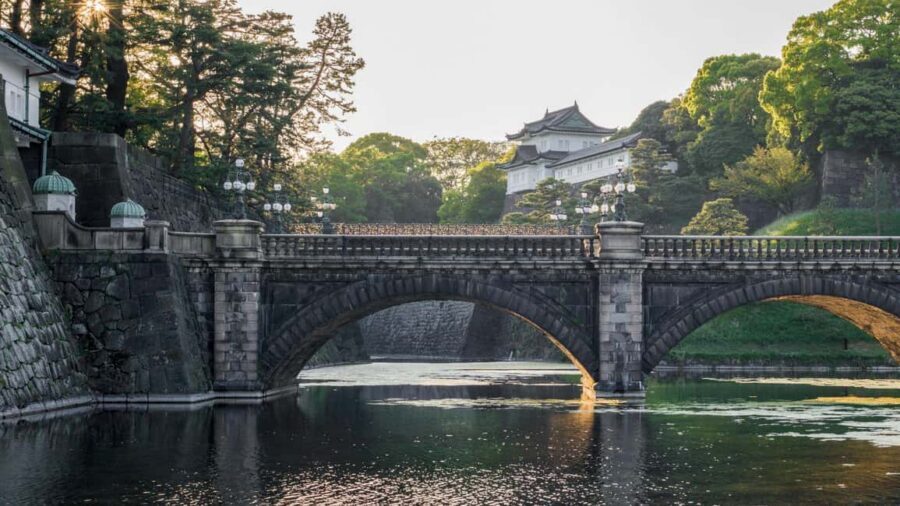
This tour is a strong fit if you want a focused introduction to samurai-era Tokyo through the lens of Edo Castle remnants. You’ll get more out of it if you enjoy short, guided walking sessions and you like learning by seeing landmarks with explanations attached.
It’s also a good match if you prefer smaller groups. With up to 8 participants, the experience feels personal, not crowded. That tends to make a difference in how much you remember later.
On the other hand, it is marked as not suitable for pregnant women and not suitable for people with low level of fitness. If either of those applies, I’d skip it and look for a more relaxed option.
Language-wise, it works for English, Spanish, and French speakers. If you’re trying to practice your language, this is also a neat environment because the guide is actively directing attention and answering questions.
Practical Tips: What to Bring and What to Expect on the Ground
Bring:
- Comfortable shoes
- Water
- Camera
Plan around:
- Near public transportation, so you should be able to stitch it into a Tokyo itinerary without chaos.
- Stroller accessible and wheelchair accessible (so the grounds and route are set up to accommodate mobility needs to a degree).
- Service animals allowed.
One more practical note: the meeting point is a Starbucks, and your guide will hold a signboard for YURAGI. Don’t wander too far after you arrive. Circle back to the storefront area and confirm you’ve got the right person before you start looking at the palace gates.
Should You Book This Imperial Palace Tour?
I’d book it if you want an efficient, well-paced way to understand how the Tokugawa-era Edo Castle connects to today’s Imperial Palace East Gardens. The standout value is the guide-led walk past specific, recognizable ruins like the Tenshudai base and Tatsumi Yagura watchtower, plus the small group size that keeps the conversation active.
Skip it if you’re expecting an easy, totally casual stroll or if your stamina is limited. Also, if you hate walking in structured routes, this tour’s format may feel like too much guided momentum.
If you fall in the middle—curious about samurai history, but you want something doable in a short window—this is a smart use of time.
FAQ
Where does the tour meet?
You meet at スターバックス コーヒー 皇居外苑 和田倉噴水公園店, and your guide will be standing in front of Starbucks holding a signboard for YURAGI.
How long is the tour?
The tour duration is listed as 90 minutes.
How much does it cost?
The price is $24 per person.
What language is the guide available in?
The live guide is available in English, Spanish, and French.
How big is the group?
This is a small group limited to 8 participants.
What’s included?
A professional local guide is included.
What should I bring?
Bring comfortable shoes, a camera, and water.
Is it wheelchair accessible, and who might want to avoid it?
It is marked wheelchair accessible and stroller accessible. It is listed as not suitable for pregnant women and not suitable for people with low level of fitness.