REVIEW · TAKAMATSU
Takamatsu: Private Customizable Tour with Local Guide
Book on GetYourGuide →Operated by JGA Inc. · Bookable on GetYourGuide
Takamatsu gets way easier with a local plan. This private, licensed walking tour helps you connect the dots between Takamatsu Castle, Yashima, and the places in between. You also get the kind of on-the-ground storytelling that makes Japan’s history and culture feel real, not like a poster on a wall.
I especially like how flexible it is. You can customize your route, and in practice that means your guide works with your pace and interests, like Yoshimi did for Barbara, who says the day felt well organized and easy to manage. One possible drawback: entrance fees and any food or drinks are not included, so you’ll want to budget a bit extra.
In This Review
- Key Points You’ll Care About
- Why a Private Guide Changes Takamatsu (Fast)
- Ritsurin Koen: The Garden You Can Pace Yourself Through
- Takamatsu Castle Ruins: A History Stop With Real View Potential
- Marugamemachi Shopping Street: Sanuki Udon and Everyday Takamatsu
- Yashima Lava Plateau: Where the Scenery Becomes the Main Event
- Noguchi Garden Museum and Other Museum Choices
- Sunport Takamatsu and City Landmarks for a Port-City Feeling
- Shikoku Mura Village and Folkcraft Museum Options
- Getting Around Without Stress: Pickup, Pace, and Transport Choices
- Price and Value: What $106 Gets You (and What It Doesn’t)
- Should You Book This Private Takamatsu Tour?
- FAQ
- How long is the Takamatsu private tour?
- Do I get pickup from my hotel or train station?
- What languages are the guides?
- Are entrance fees included?
- How do we get around during the tour?
- Is this tour wheelchair accessible?
- Is the tour confirmed right away?
Key Points You’ll Care About
- A private tour with a licensed local guide means you’re not stuck with a one-size-fits-all route.
- Ritsurin Koen and Takamatsu Castle area time give you two of the most rewarding contrasts in one half-day.
- Your taste decides the schedule, from udon stops to museums and viewpoints.
- Yashima lava plateau adds big-scene scenery to your day, especially when the timing works for photos.
- English support is built in, with guides who communicate clearly even when English words take a second.
- Rain or shine keeps the day on track, so you can plan around yourself, not the weather.
Why a Private Guide Changes Takamatsu (Fast)
Takamatsu can be deceptively walkable. The trouble is that the good stuff is spread out, and public transport plus your own sense of direction can turn a simple day into a “where are we?” puzzle. This tour removes that stress with a private guide who can steer you to the right places and the right order, based on your energy level.
The second win is the conversation. A good day here isn’t just checkboxes. It’s learning how the city fits together—port life, gardens, city landmarks, and nearby scenery—while you’re actually seeing it. In the experience style you’re booking, guides like Yoshimi and Sato are described as warm and organized, and even when language takes a moment, the guide finds the right way to explain what matters.
One more practical detail: you’re picked up from your accommodation or train station on foot. You still do the walking part, but you don’t have to drag luggage across town first. The tour is 4 to 6 hours, so it’s long enough to feel substantial without swallowing your whole day.
You can also read our reviews of more guided tours in Takamatsu

Ritsurin Koen: The Garden You Can Pace Yourself Through
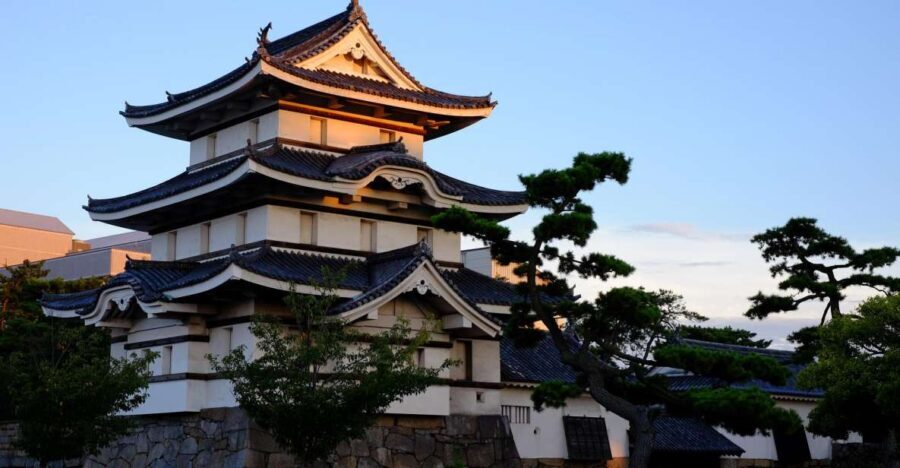
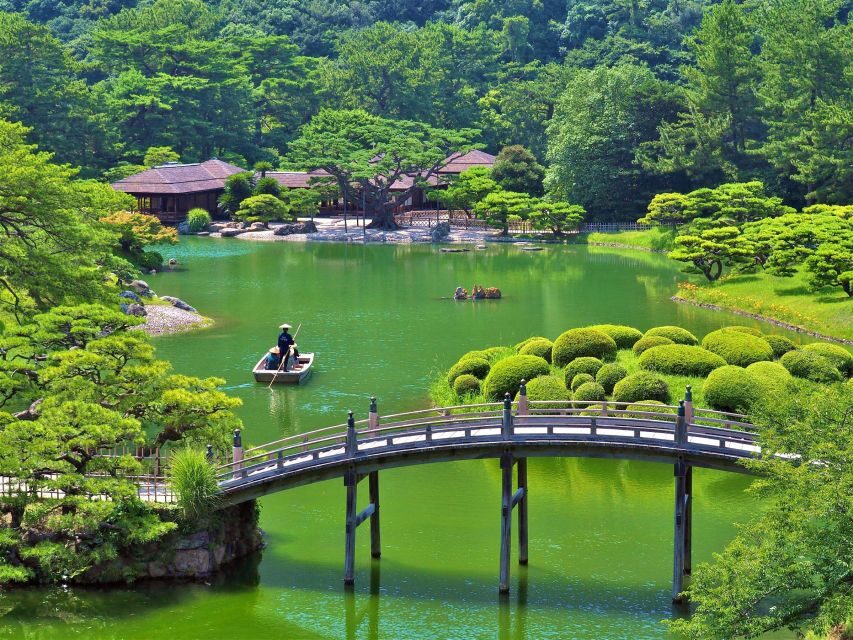
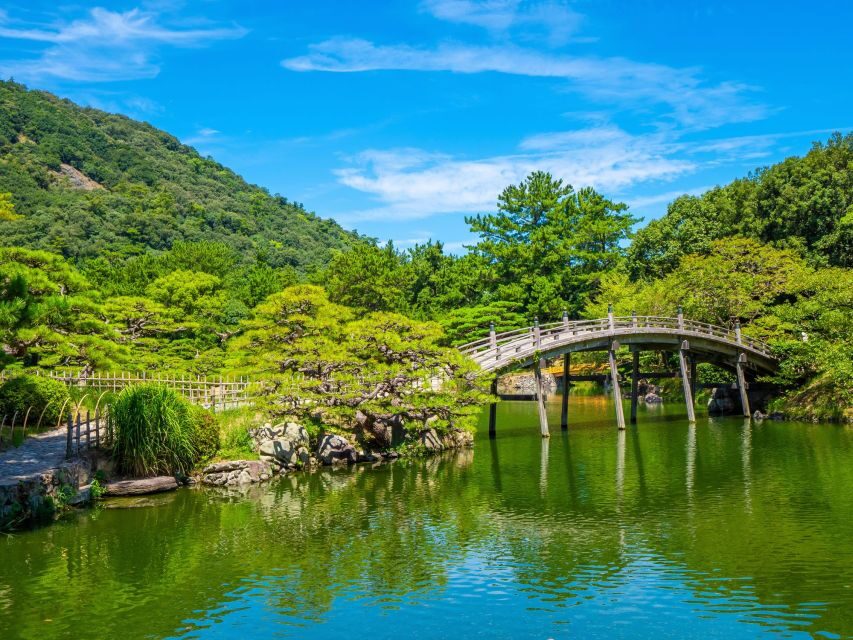
If you like gardens, Ritsurin Koen is the kind of stop that makes Takamatsu feel special. The tour includes time here because it’s widely considered one of Japan’s most beautiful gardens, and the pacing matters. In a private setup, you don’t have to rush through paths just to keep up with a group. You can pause for views, slow down when it’s hot, and spend more time in areas that catch your eye.
From a practical standpoint, gardens are also a perfect place to reset. If you start feeling tired from walking, you can take breaks without losing the experience. And because this day is handled by your guide, the garden visit won’t feel like an isolated detour—it ties into the rest of your Takamatsu story.
One review notes the day included gardens plus a nice outlook point, which is a good hint for how the guide tends to balance calm walking with at least one “look out at the scenery” moment. If you want that kind of rhythm—pretty and peaceful, then a view—this tour format fits.
Takamatsu Castle Ruins: A History Stop With Real View Potential
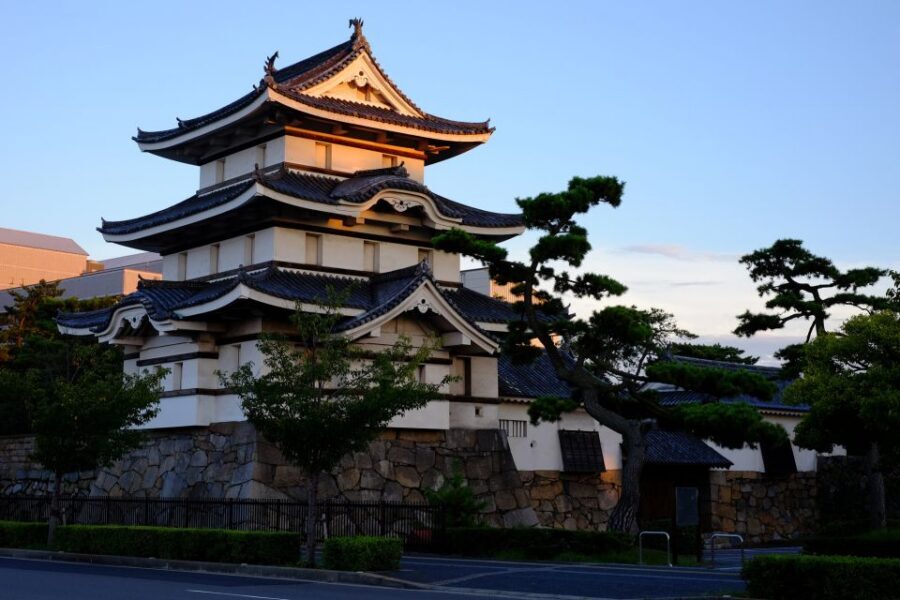
After the garden calm, the Takamatsu Castle area shifts the mood. You’ll visit the castle ruins, and this is where the guide’s role really shows. Ruins can be hard to appreciate if you don’t know what you’re looking at, but in this tour setup you’re getting explanations about what the site means and how it connects to the broader story of the city.
The value here isn’t only in history. It’s also in perspective. Even when you’re just standing on stone steps or looking across the grounds, you start to understand how Takamatsu developed. Ruins help you read the landscape the way locals do—what was defensible, where people would have moved through, and why the area matters.
If you’re an architecture or city-layout person, you might appreciate how your guide builds connections between landmarks. One guide described in the reviews (Mika) was able to weave in quick side trips tied to your interest, and that same skill can apply here: not every stop has to be long, but it should feel intentional.
Marugamemachi Shopping Street: Sanuki Udon and Everyday Takamatsu
This is where the tour turns from “see sites” into “feel the city.” Takamatsu Marugamemachi Shopping Street is included as a key stop, and it’s also your chance to eat something local without turning the day into a search mission.
The food highlight is Sanuki udon noodles. That’s a smart choice for a walking day because it’s filling, regional, and easy to plan around. Your guide can help you time it so you’re not stuck eating at the busiest moment or missing out on a key site while you’re waiting for a table.
Shopping streets can also be useful even if you’re not buying souvenirs. You’re looking at how daily life runs: storefront rhythms, the pace of foot traffic, and what people actually do with their time. In a private tour, you can decide whether you want a quick browse or longer meander time.
A small planning tip: since the tour does not include food and drinks, you’ll want to keep at least one meal budgeted into your day. If you’re planning to snack at multiple points, tell your guide early so they can build the route with that in mind.
Yashima Lava Plateau: Where the Scenery Becomes the Main Event
Then comes the payoff stop: Yashima lava plateau. A lava plateau has a different feel than typical hills. You can expect the scenery to be more dramatic and the walking to feel more open, with room for photos and big-sky views. The guide’s job is to get you there at a useful time and make sure you’re not just rushing to the next stop.
This is also a place where customization helps. If you want more time outside, you can ask for a longer window. If you want viewpoints but you’re tired, you can ask for shorter walking and more “stand here and look” time. That flexibility is one of the reasons a private tour works better than a fixed group itinerary.
The best part: this kind of stop ties the day together. A garden teaches you a visual style. A castle ruins stop gives context. A shopping street gives daily life. Then Yashima gives you the wider landscape that explains why the city’s geography matters.
You can also read our reviews of more private tours in Takamatsu
Noguchi Garden Museum and Other Museum Choices
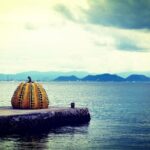
Art stops can either feel like a detour or like the best part of the day. This tour is designed so it can land on either side of that line depending on your interests. Isamu Noguchi Garden Museum is one of the included popular options, and it’s paired naturally with the rest of the day: gardens, city landmarks, and open-space scenery all complement a museum visit.
You can also add museum variety depending on what you want to prioritize. The tour list includes possibilities like Kagawa Museum and Takamatsu City Museum of Art. If you’re trying to keep things balanced, museums help break up the day from just outdoor walking. If you’re more outside-focused, your guide can steer you so the museums don’t swallow time.
One thing I like about this setup is that it doesn’t force you into a single “culture only” or “views only” day. If you’re the type who gets bored when the day is all walking, museums can be a welcome reset. If you’re art-curious, you’ll enjoy that you can build your Takamatsu story around what you actually want to learn.
Sunport Takamatsu and City Landmarks for a Port-City Feeling
Takamatsu is a port city, and you should get some time that reflects that. Sunport Takamatsu is one of the popular stops, and it’s a good way to shift from traditional-feeling sites to the modern edge of the city.
You might also see landmarks like Takamatsu Symbol Tower and Takamatsu City Museum of Art depending on how your guide structures the day. These are the kinds of stops that work well for photos and for understanding how Takamatsu looks today—not just how it looked in the past.
If you’re traveling with mixed interests—say one person loves gardens while another wants modern city sights—this portion is a good bridge. It keeps the day from becoming repetitive. You get the port-city mood and then move back into gardens, viewpoints, or shopping, depending on your preferences.
Shikoku Mura Village and Folkcraft Museum Options
Some private tours shine because they add one “different” stop. In this case, you might have access to Shikoku Mura Village, plus museum options like the Kurashiki Folkcraft Museum. Even without turning the day into a long side trip, these stops can make Takamatsu feel less like a one-day hit-and-run.
A good guide will use these stops to give you local texture. That might mean focusing on rural-style atmosphere, traditional crafts, or hands-on cultural vibe (as much as the visit format allows). If you’re someone who likes learning through everyday culture—how people lived, what people built, and what people valued—you’ll likely enjoy these options.
From a planning angle, this is where you tell your guide how sensitive you are to walking time and how much indoor time you want. If you’re traveling in warm weather, a village or museum stop can be a sanity saver. If you’re craving scenery instead, you might ask to keep these stops shorter and spend more time around viewpoints and the harbor area.
Getting Around Without Stress: Pickup, Pace, and Transport Choices
You’re not on your own here. The tour includes pickup from your accommodation or train station, and your guide meets you ready to start. You’re asked to be ready about 10 minutes before pickup time. That matters because the tour clock is short enough that every late minute feels expensive.
During the tour, movement can happen by public transportation or taxi, based on your preference. Taxi costs and any in-tour transport expenses are not included, so it helps to talk about what you want at the beginning. If you hate waiting for buses, ask for taxi at least for the longer hops between far-apart areas. If you’d rather save money and don’t mind short waits, public transport can keep the day smoother and cheaper.
A private walking tour also means the pace is yours. Reviews highlight guides who time things so you don’t wait long between venues. That kind of planning is the difference between “we saw a lot” and “we spent half the day standing around.”
Finally: it’s rain or shine. That doesn’t mean you’ll suffer. It means you should bring a small umbrella or light rain layer and plan for weather flexibility. If it’s hot, ask for shaded breaks. If it’s rainy, ask the guide to prioritize indoor options when needed.
Price and Value: What $106 Gets You (and What It Doesn’t)
At $106 per person for 4 to 6 hours, this is priced for a thoughtful day rather than a quick sightseeing sprint. What you’re paying for is a private setup with a licensed guide, plus pickup from your accommodation or station. That’s a lot of value when you’re trying to connect multiple areas: gardens, castle ruins, shopping streets, viewpoints, and optional museum time.
What isn’t included is also important. You’ll need to cover food and drinks, entrance fees, and any transportation costs during the tour. Even if you’re not buying a museum ticket, you’ll likely pay for at least one attraction entry and one meal.
So how do you make this worth it? Here’s my simple checklist:
- Choose a route with at least two big anchor stops (like Ritsurin Koen plus castle ruins).
- Add one food experience (Sanuki udon) and one scenery/view moment (like Yashima).
- Decide early if you want taxis to reduce walking and waiting.
If you do that, the private guide becomes the thing that saves you time, not just the thing that explains things.
Should You Book This Private Takamatsu Tour?
I’d book this if you want a guided, flexible half-day that mixes major Takamatsu highlights with real local guidance. It’s especially good for first-timers who don’t want to piece together transportation and timing on their own. If your group has mixed interests—gardens, history, viewpoints, shopping, and museums—this setup is a strong fit.
I’d think twice if you’re trying to keep costs ultra-low. Between entrance fees, meals, and possible taxi rides, your final day cost will be higher than the base price. And if your schedule requires a firm, immediate confirmation, note that the tour isn’t confirmed until the guide contacts you.
If you can handle those tradeoffs, you’ll likely come away with a day that feels planned, not guessed.
FAQ
How long is the Takamatsu private tour?
The tour lasts 4 to 6 hours. Starting times depend on availability.
Do I get pickup from my hotel or train station?
Yes. Pickup is included from your accommodation or train station, and you meet your guide (on foot) in the hotel lobby or at the station. Be ready about 10 minutes before the scheduled pickup time.
What languages are the guides?
The live guide speaks English and Japanese.
Are entrance fees included?
No. Entrance fees are not included.
How do we get around during the tour?
The tour is conducted using public transportation or taxi, depending on your preference. You can ask your guide at the start about the best mode and the costs.
Is this tour wheelchair accessible?
Yes, the tour is wheelchair accessible.
Is the tour confirmed right away?
Not always. The tour is not confirmed until your guide contacts you, and most guides contact travelers within 7 days.