REVIEW · TOKYO
Wagyu & Sake Pairing in Shinjuku – Steak, Shabu-Shabu & More
Book on Viator →Operated by Ninja Food Tours · Bookable on Viator
One bite can change how you taste Japan. This wagyu and sake pairing in Shinjuku isn’t just a meal; it’s a guided tasting where you learn how wagyu differs by cut and region, and how sake changes flavor when it’s brewed and served in different ways. I love the small group feel (max 8) because explanations actually land, and I also love that you don’t just drink—you get context you can use later. One watch-out: the seating can feel tight because it’s in a small restaurant space, so if you’re sensitive to cramped quarters, plan your expectations.
The best part is the full-course flow: a sake-and-wagyu aperitif, then multiple wagyu dishes with different preparations, each matched with a separate Japanese craft sake. You’ll also get help deciphering Japanese menus and leave with tailored foodie tips for the rest of your trip. Possible drawback: if you need vegetarian, vegan, or gluten-free options, choices are limited and you have to request them well in advance.
In This Review
- Quick highlights
- Where Shinjuku fits into a first-timer food plan
- Ushinobi Shinjuku: the start point and the tone of the night
- The aperitif lesson: wagyu regions and sake styles in plain language
- The wagyu full-course dinner: what you’re eating and why it matters
- Traditional meets modern (and you actually notice the difference)
- The sake pairings: separate pours built for each wagyu dish
- Menu help and take-home tips that improve your next meal
- How the night flows: pacing, portion size, and group size
- Price and value: why $148.65 can work for your Tokyo budget
- Who this is best for (and where it may not fit)
- A realistic heads-up: seating and reception can vary
- Should you book this wagyu and sake pairing in Shinjuku?
- FAQ
- How long is the Wagyu & Sake pairing experience?
- What time does it start in Shinjuku?
- Where do I meet the group?
- What is the group size limit?
- What’s included in the price?
- Are drinks like beer included?
- Can you accommodate dietary restrictions like vegan, vegetarian, or gluten-free?
- Is there free cancellation?
Quick highlights

- Apéritif + mini lesson: you start with sake and wagyu context before the first course lands
- Multiple wagyu cuts, multiple styles: grilled tongue, tataki, sirloin steak, hotpot, udon, and more
- A sake pairing for every dish: served in different styles, with some pairings designed as cocktails
- Help decoding Japanese menus: so you can order smarter after the tour
- Small group attention: max 8 travelers for a more personal pace
- Big appetite, big pours: the courses stack up, with plenty of sake included in the pairing set
Where Shinjuku fits into a first-timer food plan
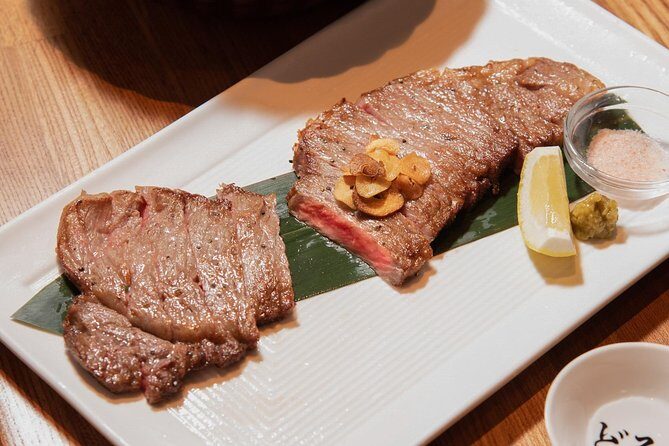
Shinjuku is a smart choice for a food-focused night because it’s easy to reach and full of options when you’re done. A 6:00 pm start also works well for your schedule: it’s early enough that you’re not scrambling after a long day, and late enough that you can still stroll around beforehand.
This tour is built around two Japan basics that can be intimidating on your own: wagyu (especially if you’re new to the grading and cuts) and sake (especially if you only know the simple stuff). Instead of wandering into a random izakaya and hoping you order well, you get guided structure.
You can also read our reviews of more food & drink experiences in Tokyo
Ushinobi Shinjuku: the start point and the tone of the night
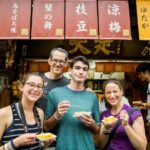
You meet at Ushinobi Shinjuku (NSK Building, 201, 1-chōme-22-1 Hyakuninchō, Shinjuku City). The experience uses a mobile ticket, and it runs for about 3 hours. It’s also listed as near public transportation, so you should have an easy time getting there without planning a complicated route.
The tone begins right away: you’re welcomed into the restaurant, then offered unique Japanese drinks as an aperitif while the team talks sake and wagyu. This matters more than it sounds. Sake is easier to enjoy when you know what you’re tasting, and wagyu is more fun when you understand what the chef is trying to highlight—fat, tenderness, sweetness, or the effect of different cooking styles.
The aperitif lesson: wagyu regions and sake styles in plain language
Before the big meal, you get an explanation covering:
- sake’s history and relevance
- how sake differs by region (and by brewing approach)
- what wagyu is known for, and how it’s evaluated
You’re not forced into a textbook. The goal is practical: you’ll learn enough to recognize why one sake feels lighter while another tastes deeper or more fermented. And you’ll learn enough about wagyu to understand why certain cuts melt differently and how grading connects to texture.
A strong part of the learning is that each wagyu dish isn’t treated like a standalone plate. It’s one step in a comparison—what changes when the cut changes, and what changes when the pairing changes.
The wagyu full-course dinner: what you’re eating and why it matters
This is a full-course meal, and the course plan is designed to show range. The menu they run varies by what’s available for your date, but the example sequence gives you a clear sense of the arc.
Here’s what the meal format looks like:
- Two kinds of appetizers
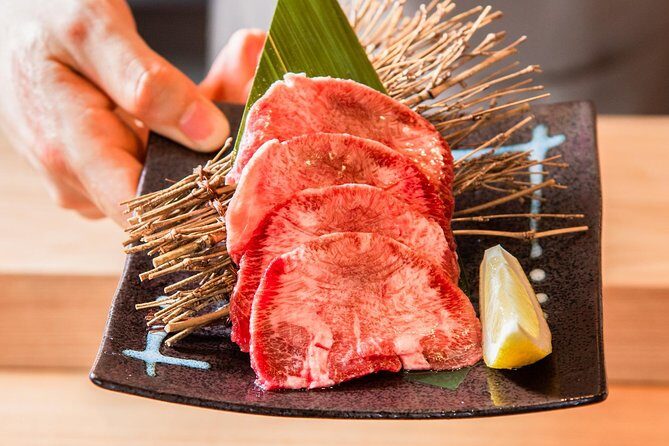
- Grilled wagyu beef tongue paired with an original sake cocktail
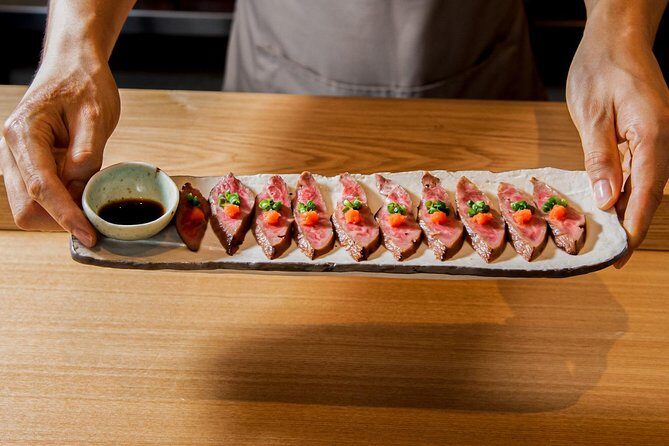
- Wagyu chuck flap tataki served with warm sake
- Seasonal salad
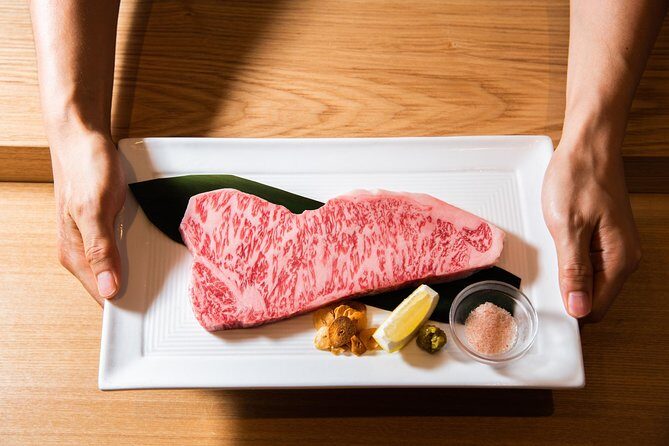
- Wagyu sirloin steak with nigori sake
- Wagyu chuck hotpot with unpasteurized sake
- Wagyu dashi udon
- Dessert, finished with sake and a surprise
A few terms are worth translating into real-world expectations:
- Tongue: rich and beefy, often a little softer than you expect.
- Tataki: usually seared quickly, then sliced—meant to highlight contrast (crisp outside, tender inside).
- Nigori: cloudy sake, typically a more textured, sometimes slightly sweeter-feeling pour.
- Unpasteurized: often tastes fresher and more alive, with a different bite than standard pasteurized sake.
Even if you love steak already, this lineup changes the comparison game. You’re tasting wagyu through multiple preparations, not just one “best cut” style.
Traditional meets modern (and you actually notice the difference)
The experience is built to mix authentic classics with more modern dishes. That matters for first-timers because it helps you see wagyu isn’t trapped in one style. You’ll notice how flavor shifts depending on how it’s cut, cooked, and paired—especially when the sake changes course-to-course.
You can also read our reviews of more drinking tours in Tokyo


The sake pairings: separate pours built for each wagyu dish
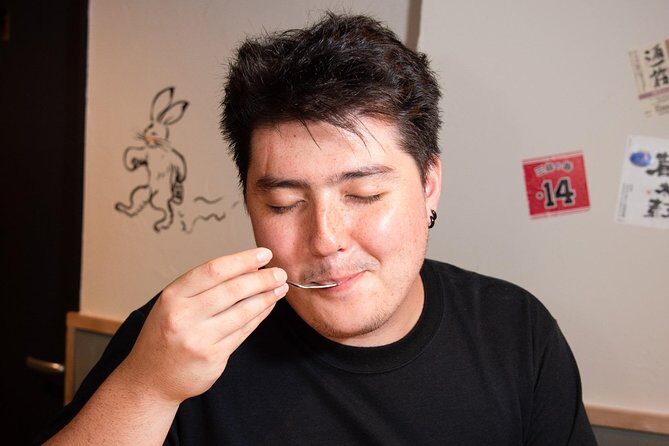
Every wagyu dish comes with a matching Japanese craft sake prepared in a different way. That’s a big deal because sake isn’t one-note. It can read fruity, creamy, dry, earthy, or noticeably fermented depending on how it’s made and served.
The pairing set can include things like:
- aged sake
- fermented sake
- warm sake
- unpasteurized sake
- nigori
- and original cocktails designed specifically for wagyu matches
One thing I like about this approach: you’re not drinking sake randomly between bites. You’re tasting it as an ingredient in the overall flavor equation. That’s how you start to learn what separates “good alcohol” from a serious food pairing.
If you’re worried about language or ordering, this is also the easiest way to experience craft sake without guessing. The team explains what you’re tasting, why it fits, and how the style affects the wagyu.
Menu help and take-home tips that improve your next meal
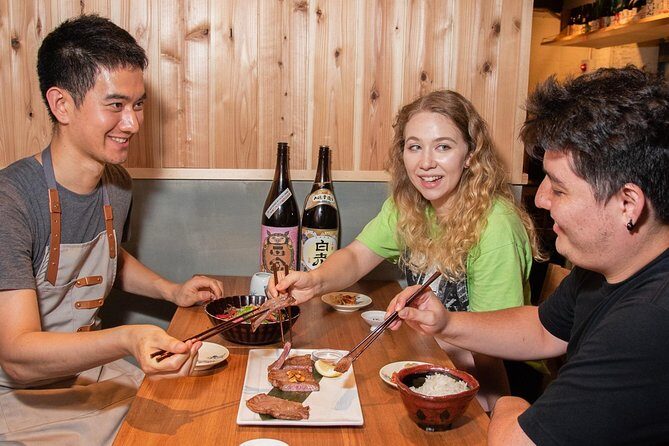
You get help deciphering menus in Japanese, which is one of the most practical takeaways for first-timers. Shinjuku has plenty of food spots, but Japanese menus can be a puzzle when you’re hungry. Knowing key terms makes you faster and more confident later.
You also leave with tailored foodie tips for the rest of your trip. That’s valuable because it turns a single meal into planning help. The tour isn’t only about the wagyu night—it’s also about helping you make better choices for what comes next in Tokyo.
From the way the experience is described, you’ll also get guidance on how sake is made and how wagyu is graded. When you understand those two systems, you can walk into a bottle shop or restaurant and make choices that feel intentional, not random.
How the night flows: pacing, portion size, and group size
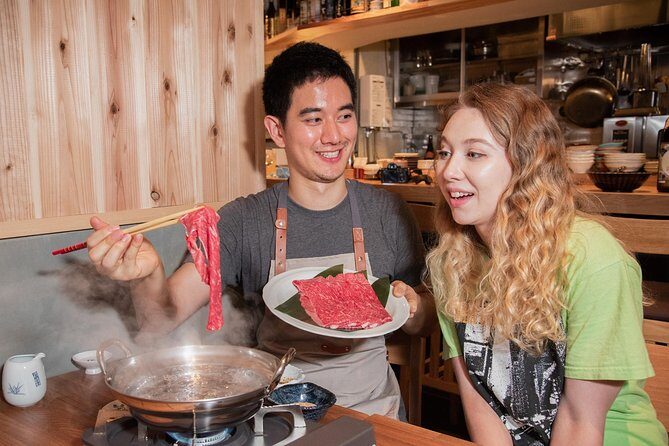
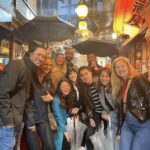
The dinner is designed for 3 hours and a small group (max 8). Reviews highlight that the group dynamic is usually easygoing, which is exactly what you want for a tasting evening. You’ll likely have time to ask questions during the lesson segments without the whole place rushing you out.
Also plan for volume. The meal is a full course with multiple wagyu dishes and a sake pairing for each one. Several people describe it as more food than they expected and lots of sake pours as part of the included pairing set.
Practical tip: if you’re sensitive to alcohol, eat slowly and pace your sips. Pairings are spaced with the courses, but this is still a tasting menu approach with sake included, not just a single glass.
Price and value: why $148.65 can work for your Tokyo budget
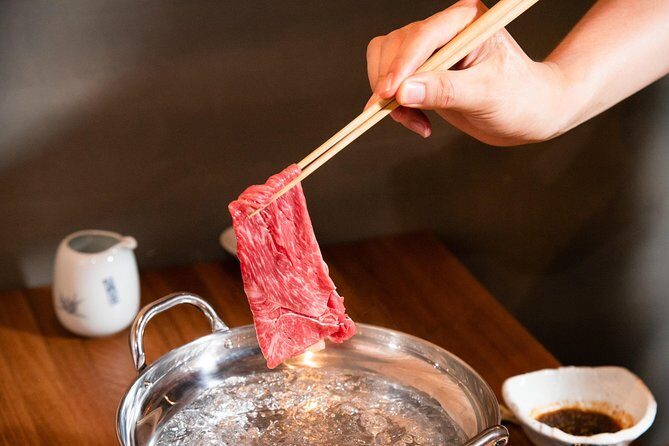
At $148.65 per person, this isn’t cheap in the way a casual izakaya meal is cheap. But the structure justifies the price if you care about both food and learning.
Here’s what you’re really paying for:
- a full-course wagyu meal (not just one steak plate)
- multiple wagyu preparations across the evening
- Japanese craft sake pairings attached to each course
- guided explanations about wagyu grades and sake styles
- help deciphering Japanese menus plus take-home recommendations
What’s not included matters too: additional drinks other than the sake pairings (like beer) cost extra. So if you’re the type who wants non-sake drinks on top, your final bill may creep upward.
Still, the included plan is what makes it feel like good value. If you already know you want a wagyu tasting and several sake styles, this bundles them into one organized night with translation and pairing guidance.
Who this is best for (and where it may not fit)
This experience is a strong fit if:
- you’re in Tokyo for the first time and want a guided start with wagyu and sake
- you like learning how food works, not just eating it
- you want a small-group night with personalized attention
- you’re hungry enough for a multi-course meal and multiple sake styles
It may be less ideal if:
- you’re uncomfortable in smaller, tighter dining spaces
- you need strict dietary accommodations (vegan, vegetarian, and gluten-free options are listed as limited)
- you want a lighter evening or minimal alcohol
A note on restrictions: you need to message any food restrictions at least a week before. Last-minute changes can’t be accommodated, and options are limited for certain diets.
A realistic heads-up: seating and reception can vary
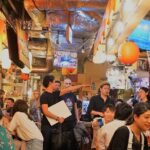
One downside that stands out is that the restaurant space can feel small, especially when you’re a group of around six. Expect close quarters. Also, one guest felt the welcome wasn’t warm, even though the wagyu quality was excellent.
That’s not a dealbreaker for most people, but it’s worth knowing so you don’t picture a spacious, relaxed dining room.
Should you book this wagyu and sake pairing in Shinjuku?
If you want one Tokyo dinner that teaches you how to order better and taste smarter, I’d lean yes. This is built around pairing wagyu with multiple sake styles, with a guided structure that helps you understand what you’re eating and why it works.
Book it if:
- you’re excited by wagyu and want to try different cuts and preparations
- you want craft sake that you can actually explain after the meal
- you want help with Japanese menus and a few tailored recommendations for the rest of your trip
Skip it or think twice if:
- you need broad dietary options (limited vegan/vegetarian/gluten-free)
- you hate cramped seating
- you only want a light snack and a single drink
FAQ
How long is the Wagyu & Sake pairing experience?
It runs for about 3 hours.
What time does it start in Shinjuku?
The start time is 6:00 pm.
Where do I meet the group?
You meet at Ushinobi Shinjuku, NSK Building, 201, 1-chōme-22-1 Hyakuninchō, Shinjuku City, Tokyo 169-0073, Japan.
What is the group size limit?
The experience has a maximum of 8 travelers.
What’s included in the price?
The price includes the full course meal.
Are drinks like beer included?
No. Only sake pairings are included; additional drinks other than sake pairings are not included.
Can you accommodate dietary restrictions like vegan, vegetarian, or gluten-free?
Options are limited for vegan, vegetarian, and gluten-free. If you have food restrictions, you need to message the team at least a week before your tour date.
Is there free cancellation?
Yes. You can cancel for a full refund up to 24 hours in advance of the experience start time.