REVIEW · TOKYO
Shibuya Meltdown Nightlife Tour: All-You-Can-Drink Bar Hopping
Book on Viator →Operated by MagicalTrip Inc. · Bookable on Viator
Tokyo’s nightlife makes more sense in pockets. This small-group Shibuya Meltdown tour strings together classic landmarks and tough-to-find izakaya lanes so you can snack and sip without guessing. You’ll start at Shibuya Station’s Hachiko side, hit Shibuya Crossing for that wow-factor shot, then move through alleys where the bar signs are mostly kanji.
What I like most is the practical mix: you get hidden bars you’d likely walk past alone, and the food-and-drink portion is built to feel like an actual dinner, not just bar appetizers. The other big plus is the small group size (up to 8), which makes it easier to talk with your guide and ask quick questions about what to order.
One possible drawback: you’ll want to arrive on time. Late guests can’t join once the tour starts, and the tour also includes stops where you may need to remove your shoes.
In This Review
- Key things to know before you go
- Shibuya After Dark: Meeting Point and How the Night Starts
- Shibuya Crossing and Hachiko: The Photo Stops That Actually Help
- Wagyu Niku Yokocho: The Indoor Alley You’d Miss Alone
- Shibuya 109 Pass-By: Fashion Energy Without the Detour
- Center-gai Izakaya and the Karaoke-City Finish
- Price and Value: What $106.12 Buys in Real Izakaya Time
- Guides, Group Size, and Why the Night Feels Social
- Food, Drinks, and Dietary Needs Without Guesswork
- Shoes, Respect, and Tokyo Night Weather Reality
- Who This Tour Suits Best (and Who Might Want a Different Plan)
- Should You Book This Shibuya Meltdown Tour?
- FAQ
- How long is the Shibuya Meltdown Nightlife Tour?
- What’s included in the tour price?
- Where do I meet the guide?
- How many people are in the group?
- Can the tour accommodate dietary restrictions?
- Do I need to remove my shoes?
- What happens if it rains or the weather is bad?
Key things to know before you go
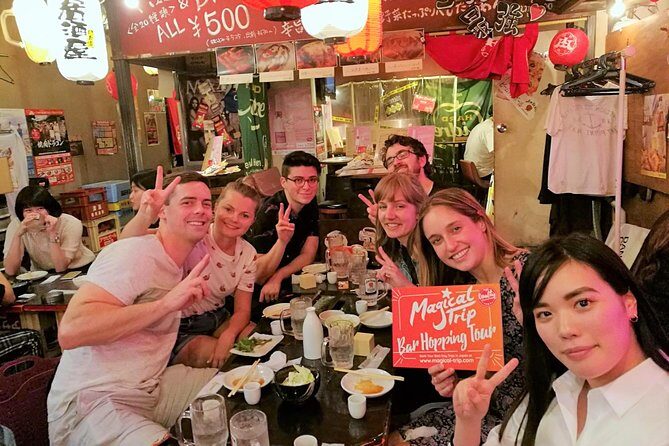
- A true bar-hopping flow: landmark photos first, then izakaya alley crawling for the main event
- All-you-can-drink, but targeted: one stop includes all-you-can-drink, so the rest stays more balanced
- You order a set at the beef-and-sake spot: pick drinks and dishes that add up to a full meal
- Small group dynamics: up to 8 people means you’re not stuck floating in a crowd
- Comfort matters: you’ll walk between tight areas and may face shoe-off moments indoors
- Karaoke may be part of the finale: Center-gai leans nightlife, and some groups finish at karaoke
Shibuya After Dark: Meeting Point and How the Night Starts
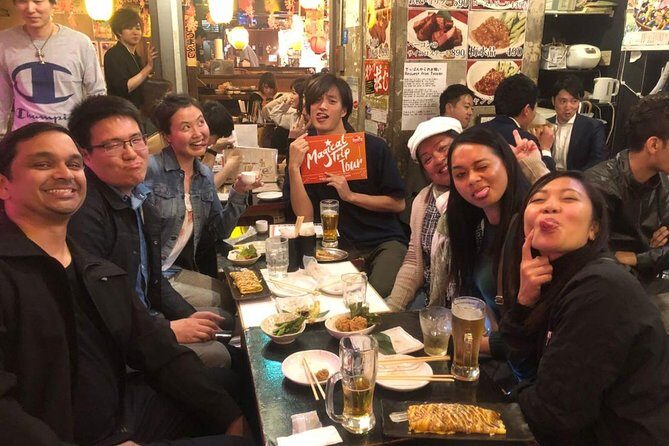
You meet in front of the Shibuya Tsutaya building near the Hachiko Exit. It’s the same building as Starbucks, so it’s hard to miss once you’re at the right end of Shibuya Station. The tour uses a mobile ticket, which cuts down on the “where do I stand” stress before you even start walking.
The first move is simple: you start with Japanese beer and a quick hello from the guide. That tiny ritual matters because Shibuya’s nighttime scene can feel like sensory overload fast. With a guide at your side, you transition from watching crowds to joining the pace of local drinking without needing perfect Japanese.
I also like that the tone is set for the group: you’re together long enough to pick up context—how to order, what spots are for, and how the night usually moves. If you’re new to Tokyo, this helps you stop feeling like you’re just following a route and start feeling like you’re learning the system.
You can also read our reviews of more nightlife experiences in Tokyo

Shibuya Crossing and Hachiko: The Photo Stops That Actually Help
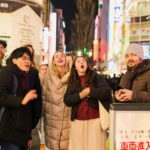
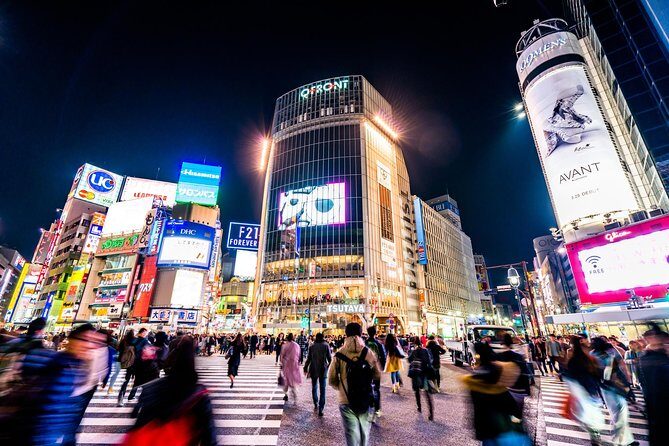
The tour includes a short, efficient stop at Shibuya Crossing. You get a quick moment to see the crossing in action (and grab the classic shot you’ve seen on screens for years). It’s only around five minutes, so you’re not stuck waiting forever, and you’re not losing the evening to sightseeing.
Then you pass by or reference the Hachiko Statue, the bronze meeting point that anchors so many Shibuya meetups. Even if you’ve seen it in photos, it’s more useful in real life than you’d expect. It gives you a simple landmark so you can orient yourself later if you want to wander on your own after the tour.
The biggest value here is not the landmark itself. It’s the pacing. You start with easy, recognizable points, so the rest of the night—smaller alleys and indoor bars—feels less mysterious when you finally get there.
Wagyu Niku Yokocho: The Indoor Alley You’d Miss Alone
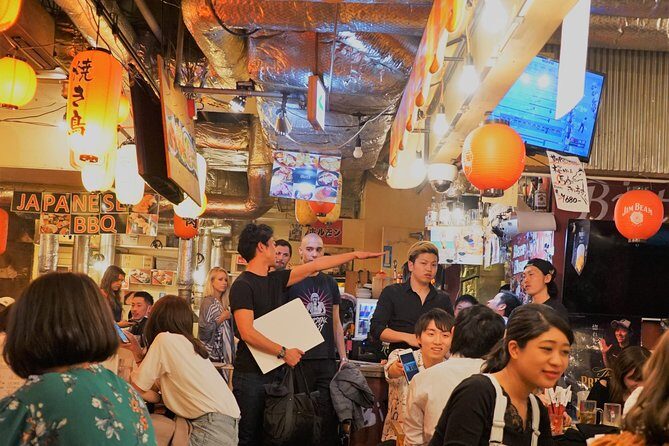
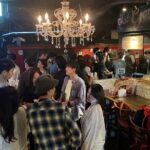
The second stop is where the tour earns its name. You head to wagyu Niku Yokocho Shibuya, a meat-and-sake focused izakaya area that’s easy to miss if you don’t know where to look. The “yokocho” concept is what makes this special: it feels like an alleyway, but it’s inside a building, so it’s tightly packed and atmospheric even when the streets outside are loud.
This is also one of the stops with the most “value per minute.” You spend about forty minutes here, and you can select 4 drinks and 3 dishes—enough to feel like a real meal. You’re not stuck with only one style of food, either. The point is choice inside a guided setup, which helps if you’re nervous about ordering without language skills.
What to expect in spirit: this is the kind of place where locals go to slow down. Think comfort food, grilled or beef-forward dishes, and the rhythm of sake and beer moving at the right pace. If you’re the type who likes to try Japanese classics without risking a wrong order, this stop is a win.
One consideration: because it’s a set with selection, you’ll want to decide early what you’re in the mood for. If you wait too long, the group may move on quickly.
Shibuya 109 Pass-By: Fashion Energy Without the Detour
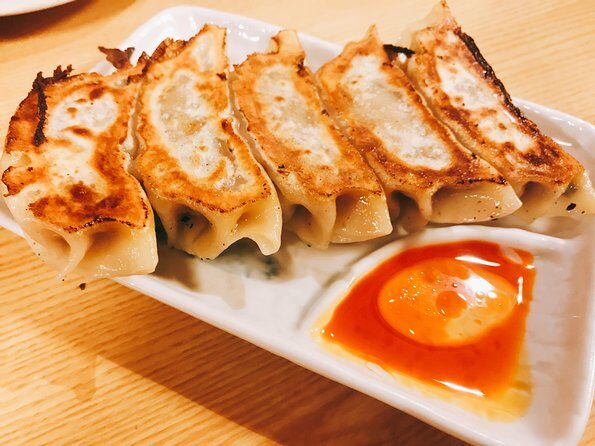
You’ll pass by Shibuya 109, the big fashion building people recognize on sight. The tour doesn’t turn this into a shopping detour; it uses it as a visual transition while you move through the bigger Shibuya nightlife map.
For me, that matters. Shibuya can eat time—one wrong turn can mean extra walking, wrong exits, and accidental crowds. Passing 109 keeps the night flowing and reminds you that you’re in the center of everything, even as you switch into quieter side lanes.
If fashion isn’t your thing, you’ll still get the benefit: you’ll understand why the surrounding streets feel like they have their own tempo. Shibuya is a layered place, and this little pass-by helps you feel that layering.
Center-gai Izakaya and the Karaoke-City Finish
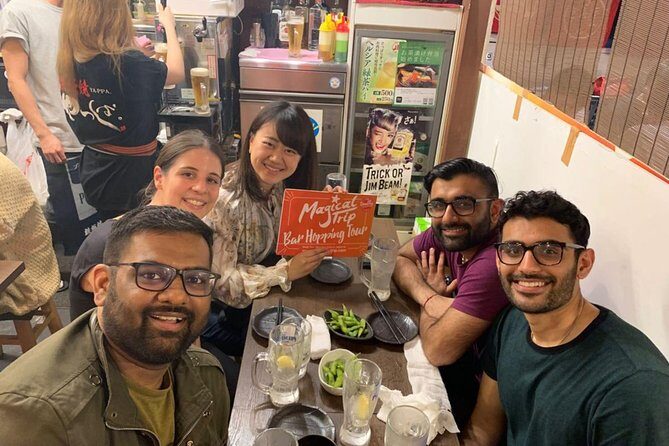
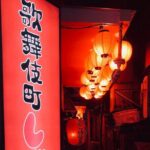
The last major stop is Shibuya Center-gai, which is known for dense nightlife options. Here you’ll visit one bar, then continue toward a second nightlife style spot—either another local bar or a karaoke-style venue, depending on how the night lands.
This portion lasts about 1 hour 40 minutes, so it’s the main “stay out and play” segment. Center-gai is exactly where you’ll feel that Shibuya mood shift: the crowds, the glow, and the sense that everyone’s doing something social. The alleys and small entrances here are the kind of places you’d never find just by following the busiest streets.
Karaoke is a common finale for this tour concept. If you’re nervous, don’t be. You can go along for the atmosphere even if you don’t sing. The point is that karaoke turns a group outing into a shared moment, and it often feels like the easiest way to connect in Japan when you don’t share a language.
A practical note: because this segment can include karaoke, keep an eye on your comfort level with loud rooms and singing culture. Some people love it. Some treat it like a fun performance vibe. Either way, having it as an option is part of the reason this tour feels different from a simple bar checklist.
You can also read our reviews of more drinking tours in Tokyo


Price and Value: What $106.12 Buys in Real Izakaya Time
At $106.12 per person, the big question is whether you’re paying for “convenience” or actual food-and-drink value. From how the stops are built, you’re paying for both.
Here’s the value logic:
- You’re paying for entry-level ease in a place where the signs are mainly in kanji and the layout of lanes can be confusing.
- You’re also paying for a format that includes dishes and drinks along the way—and at one stop you get all-you-can-drink.
- On top of that, the guide’s job is to keep the night from stalling. A good guide choice saves you time, and time in Shibuya is basically money.
The meat alley stop alone is designed to be dinner-like: 3 dishes plus 4 drinks selected through the guide’s structure. Then you still have additional bar time later. If you were to build the same evening yourself, you’d probably spend a chunk of cash just on drinks and a couple of meals, plus you’d lose time hunting the right places.
So, the price feels most worth it if you:
- want an easy, language-light path into local nightlife
- prefer guided ordering over random guessing
- want a complete evening plan instead of piecing it together
If your goal is only one drink at one place, this might be more than you need. But if you want a full Shibuya night out, this format lines up well.
Guides, Group Size, and Why the Night Feels Social
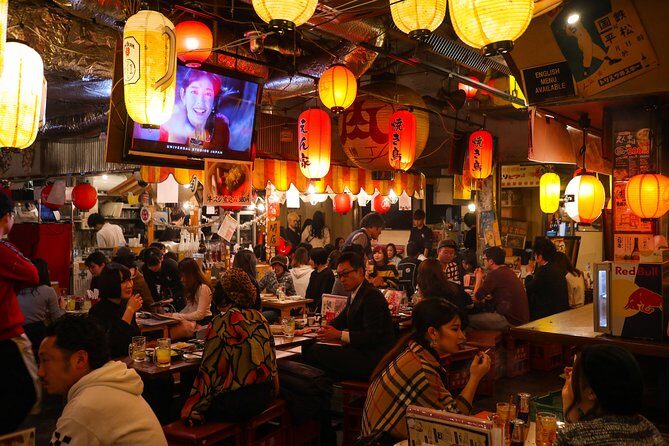
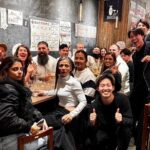
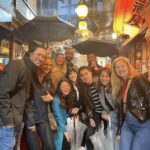
This tour runs with a maximum of 8 travelers. That size is big enough to feel lively, but small enough that your guide can notice if someone wants beer instead of sake, or if your group wants to slow down between stops.
In the guide experience, certain names show up repeatedly for a reason: guides like Naoki, Lisa, Daichi, Yuki, and Mao are described as friendly, engaging, and willing to help the group understand local customs and what to order. Even if the food selection is planned, the guide still matters because they help you avoid awkward wrong turns—both with directions and with ordering.
Small group also helps if you’re traveling solo. You’ll still get conversation chances without the pressure of having to force a social circle.
One more nuance: on quieter nights, you might end up with fewer people than expected. That can make the experience more personal, but it also changes the social vibe if you booked specifically to meet new friends.
Food, Drinks, and Dietary Needs Without Guesswork
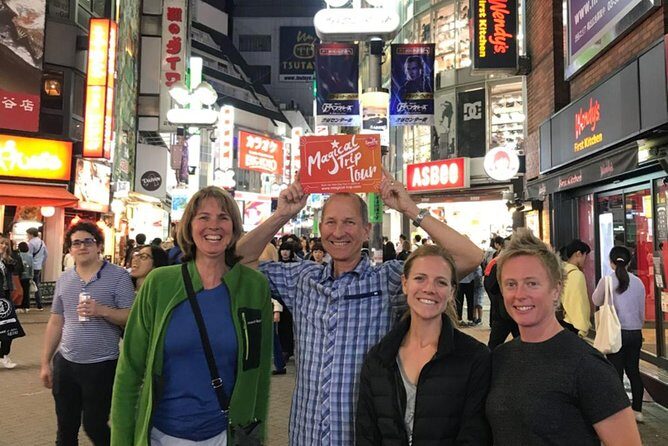
You’ll eat and drink during multiple stops, and the meat alley stop specifically includes selection of dishes and drinks. The tour is built so the food portion works out to something close to a full meal.
If you have dietary restrictions, plan ahead. The tour states that vegetarian, vegan, halal, and gluten-free meals can be arranged with advance notice. That said, the tour also notes that some dishes may still include ingredients prepared in shared kitchens. So even with a request in place, don’t assume every single dish is guaranteed allergy-free.
My advice: when you book, be specific. Ask for what you can eat, not what you can’t. And tell the guide on the first stop what to watch for. That’s the best way to reduce surprises in a multi-stop dinner evening.
Shoes, Respect, and Tokyo Night Weather Reality
This tour includes visits to Buddhist temples and Shinto shrines, so dress with respect. You may also need to remove your shoes when entering certain traditional interiors. Some places may not offer slippers, and floors can be cold, especially in winter—so warm socks are a smart move.
Footwear is non-negotiable. You’ll be walking in Shibuya at night, including uneven indoor/outdoor transitions, so wear comfortable shoes that handle lots of steps.
Weather also matters. The tour uses a “proceed unless unsafe” idea for light rain. In summer, it’s hot and humid, so bring water and a hat. In winter, heavy snowfall can lead to shortened routes or cancellation for safety.
If you’re the type who runs late, fix that now. The tour starts on time, and late guests can’t join, reschedule, or receive a refund.
Who This Tour Suits Best (and Who Might Want a Different Plan)
This is a great fit if you:
- are new to Tokyo and want a structured way into Shibuya nightlife
- don’t speak Japanese well and want help reading your way through food and bar options
- like izakaya-style evenings: small places, shared plates, and lots of casual energy
- want a small-group night that feels social without being a huge bus tour
It’s also a good match for people who enjoy trying a mix: beer at the start, a beef-and-sake focused alley mid-evening, and a lively final bar segment that may include karaoke.
It may not fit as well if you:
- hate walking and tight indoor spaces
- need guaranteed allergy-free meals (the tour doesn’t promise that)
- want a quiet, low-energy night with no loud venues or karaoke possibility
Should You Book This Shibuya Meltdown Tour?
Book it if you want a complete Shibuya night that’s built around the way locals actually drink: small bars, good food, and a guide who helps you navigate without friction. The best value comes from the full-meal feeling—especially the meat-and-sake alley stop with 4 drinks and 3 dishes, plus all-you-can-drink at one venue.
Skip it if your plan is only casual drinks, or if you’re very sensitive to shoe-off rules, cold floors, or loud nightlife spaces. And if you’re hoping to make lots of friends, remember that the group is small and on some dates you could have fewer people than the “friend-making” expectation.
Overall, this tour is a solid choice for first-time Tokyo visitors and for anyone who wants Shibuya at night without playing bar-exploration roulette.
FAQ
How long is the Shibuya Meltdown Nightlife Tour?
It runs about 3 hours 30 minutes.
What’s included in the tour price?
The tour includes dishes and drinks along the way, and one venue features all-you-can-drink. The guide’s food and drinks are covered as part of the tour.
Where do I meet the guide?
You meet in front of the Shibuya Tsutaya shop near the Hachiko Exit of Shibuya Station (the same building as Starbucks).
How many people are in the group?
The tour has a maximum of 8 travelers.
Can the tour accommodate dietary restrictions?
Vegetarian, vegan, halal, and gluten-free meals can be arranged with advance notice. The tour also warns that some dishes may still include ingredients prepared in shared kitchens.
Do I need to remove my shoes?
You’ll be required to remove your shoes frequently when entering traditional houses or certain interiors, and some places may not provide slippers.
What happens if it rains or the weather is bad?
The tour proceeds in light rain unless conditions are unsafe. If it’s canceled due to poor weather, you’ll be offered a different date or a full refund.