REVIEW · TOKYO
How to use Japanese knife, Tuna Cutting and Sushi Workshop
Book on Viator →Operated by Japan Food Journey · Bookable on Viator
Tuna deserves respect, and this class teaches it. You’ll get hands-on tuna cutting with a professional sushi maker, and you’ll also make nigiri so the skills turn into breakfast. I like that the group stays small, so questions don’t get lost and you actually practice, not just watch. The one thing to consider: this is focused on tuna and sushi technique, so if you want a big, wide-ranging sushi tour, you may find the scope a bit narrow.
The morning runs at a practical pace: you’ll start at the meeting point in Azabujūban (Tokyo), then move through the day with a real-food, real-knife approach. You might also get helpful translation and personality from staff members like Amy, plus friendly hosts such as Azusa and Adam when they’re on the team. One possible drawback to keep in mind is that proper cutting takes concentration, so if you prefer relaxed cooking with no precision involved, this workshop may feel intense in the best way.
In This Review
- Key Points You’ll Actually Care About
- Why This Tuna-Cutting Class Feels Like the Real Thing
- Azabujūban Meeting Point and a 9:30 AM Schedule That Works
- Toyosu Market Time: Seeing Tuna Before It Becomes Sushi
- The Japanese Knife Lesson: Technique Over Magic
- Tuna Anatomy and the Parts You’ll Learn to Respect
- Making Nigiri: Cutting, Assembling, and Eating Breakfast
- Who This Workshop Fits Best (and Who Might Skip It)
- Value Check: Is $182.43 Worth It?
- Getting More Out of the Class in Tokyo
- Staff Energy: Translation and Friendly Mentors Matter
- Should You Book This Workshop or Not?
- FAQ
- How long is the tuna cutting and sushi workshop?
- Where is the meeting point for the experience?
- What does the price include?
- How big is the group?
- What do I make and eat during the workshop?
- Does the workshop depend on weather?
Key Points You’ll Actually Care About
- Small-group format (max 10): enough time for your own knife practice.
- Ingredients included: your tuna and sushi components are built into the price.
- Professional instruction: you learn where the fish parts matter, not just the final shape.
- Japanese knife coaching: you’ll learn how to handle the knife for clean cuts.
- Food right after you cut it: you make sushi and eat it as your breakfast.
- Tokyo location convenience: near public transportation, with a clearly stated Azabujūban meeting point.
Why This Tuna-Cutting Class Feels Like the Real Thing
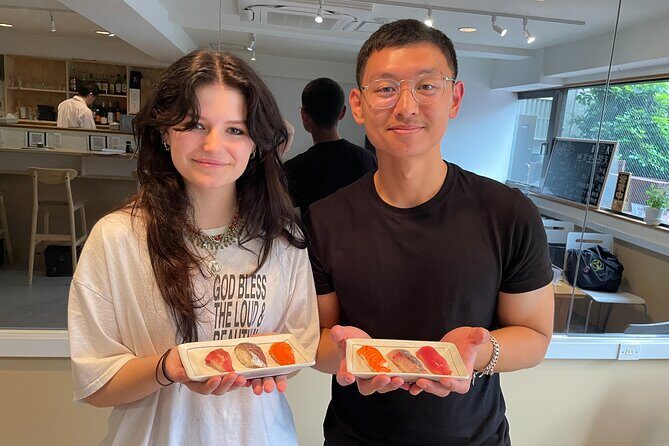
Most sushi classes teach you to assemble. This one teaches you to cut. That difference matters, because good sushi starts long before rice hits your fingers. Tuna cutting is where texture, grain direction, and sharp control all show up at once. If you’ve ever wondered why one slice looks effortless and another looks sloppy, this class gives you the mechanics behind that magic.
I also like the “small-group + professional” combo. A maximum of 10 travelers means your hands-on time doesn’t evaporate. In bigger groups, the chef often becomes a performer while you become an audience member. Here, you’re meant to do the technique and see the result immediately.
The experience also leans into Edo-style sushi thinking. You’ll hear why the cut matters for nigiri shape and balance, not just for looks. And the class doesn’t end with photos. You eat what you make. That makes the lesson stick, because you taste the difference between a clean cut and a rough one.
A few more Tokyo tours and experiences worth a look

Azabujūban Meeting Point and a 9:30 AM Schedule That Works
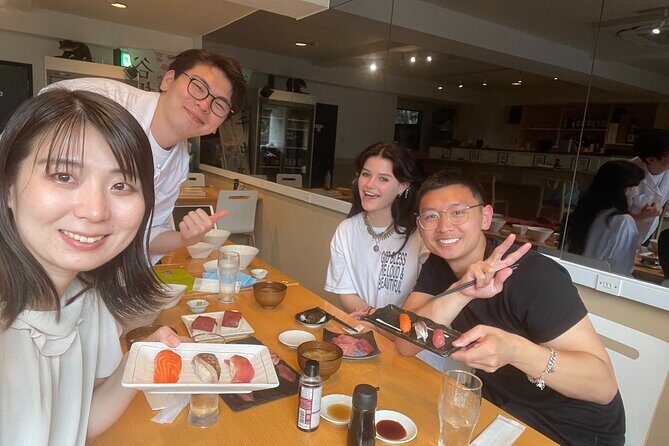
The workshop starts at 9:30 am and meets at:
3-chōme 34 サンピア麻布十番, Azabujūban, Minato City, Tokyo (106-0045)
It’s a morning plan, so it’s perfect if you like your Japan days starting early and then staying flexible for the rest of the day. The activity runs about 2 hours (approx.), so it doesn’t eat your whole schedule. Also, the tour uses a mobile ticket, which is handy in Tokyo when you’re bouncing between stations and walking fast.
One practical consideration: because this is a knife-and-food workshop, you’ll want to arrive calm and on time. If you’re sprinting through the meeting point, you’ll feel it once you’re handed a knife.
Toyosu Market Time: Seeing Tuna Before It Becomes Sushi
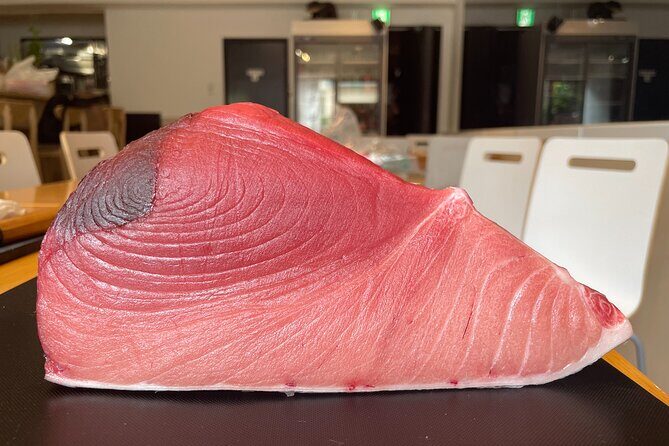
A big part of the value here is that you don’t start with a cutting board out of nowhere. You get a behind-the-scenes look at the tuna world first, which helps you understand what you’re about to handle. In particular, the experience can include time at Toyosu Market, where you see the wholesale seafood side of Japan.
That context changes how you learn. Instead of treating tuna like a generic ingredient, you start thinking like a sushi maker: source, freshness, how fish is handled, and why certain cuts are prized. It also makes the instruction feel more grounded, because you’re linking the knife lesson to the real market environment.
If you’re the type who likes food experiences with a “how it really works” feeling, this market preface is a strong match. It also helps you ask better questions later, like why specific parts of the tuna get used for certain textures.
The Japanese Knife Lesson: Technique Over Magic
This class is built around learning how to use Japanese knives, not just how to copy a finished result. You’ll practice the mechanics that make cuts cleaner and safer, and you’ll learn how to move with control instead of forcing the blade.
Knife skills sound intimidating until someone shows you the logic. The goal is simple: a sharp knife plus correct motion equals a cut that looks neat and tastes better. If your earlier sushi memories were all about flavor, this is where you learn that texture comes from cutting.
It’s also “educational and humbling” in the best way. A good cut is not luck. Reviews reflect that the technique takes effort, and you’ll feel that when you try to reproduce it. That struggle is part of the point. You’ll leave with more respect for what sushi chefs do every day.
One more thing I appreciate: the instruction doesn’t float in theory. You handle the knife, you cut, you see what changes. That’s how you build confidence.
Tuna Anatomy and the Parts You’ll Learn to Respect
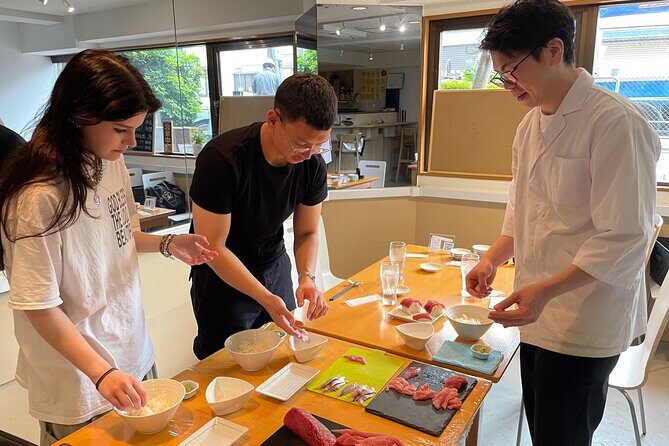
You’re not just cutting a block. You’re learning about tuna itself. During the workshop, the sushi maker explains the tuna and highlights how different parts affect the outcome. That matters, because tuna isn’t one uniform ingredient. Some parts behave differently under the knife, and that affects mouthfeel once it becomes nigiri.
This is where you get the kind of instruction that most novices never see. Cutting a tuna block is usually reserved for professionals, and this experience gives you that rare, practical access. You’ll learn what to look for and how the chef thinks through the fish before making the cut.
Also, your knife practice connects directly to the sushi you’ll assemble. You won’t just walk away knowing a fact about tuna. You’ll know how a certain cut changes the final bite.





Making Nigiri: Cutting, Assembling, and Eating Breakfast
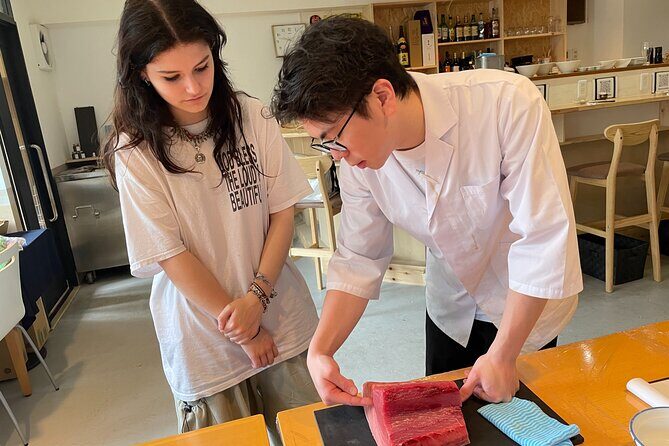
After the cutting lesson, the focus shifts to sushi making. You’ll use the tuna you worked on and make nigiri. Then you eat it for breakfast. That last part is more important than it sounds.
Eating what you made turns the class into a full feedback loop:
- You cut and learn by doing.
- You assemble and learn by correcting.
- You taste and realize what worked and what needs improvement.
It’s also a fun way to connect the technique to reward. You’re not finishing with a vague sense of accomplishment. You’re finishing with food.
If you care about presentation, you’ll likely enjoy this part more than you expect. Nigiri isn’t just rice plus fish. The placement and balance matter, and once you’ve cut the tuna properly, it becomes easier to shape it nicely.
And if you’re traveling with a partner, this is a great shared moment. Two people, two sets of hands, one table of sushi made from the same lesson.
Who This Workshop Fits Best (and Who Might Skip It)
This is a strong choice for you if you:
- Want an authentic Tokyo food skill, not a basic cooking demo.
- Like learning by doing with a professional.
- Enjoy seafood culture and want to understand tuna beyond flavor.
- Prefer small-group experiences where you can ask questions and practice.
It may be less ideal if you:
- Want a long, multi-stop tour with lots of different foods and sightseeing.
- Don’t like precision tasks. Even though the class supports you, tuna cutting requires focus.
- Expect a purely relaxed meal. This is hands-on technique training.
That said, the “serious about technique” vibe doesn’t mean unfriendly. Reviews consistently point to a kind, welcoming chef and staff, including the translator Amy. You’ll likely feel guided, not tested.
Value Check: Is $182.43 Worth It?
At $182.43 per person, the price is not “cheap.” But it can be good value because several costly parts are included: your tuna and sushi ingredients, plus professional knife instruction and hands-on time. Many food classes charge extra for ingredients or treat the food as a minor component. Here, the tuna is central, and you interact with it directly.
You’re also getting a small-group setup (up to 10), and instruction focused on a high-skill task that most people never get to try. Japanese knife handling and tuna cutting aren’t common “tour add-ons.” They’re the core of the class.
Finally, your payoff includes the meal: you eat your sushi for breakfast. Even if you would have bought breakfast anyway, you’re not paying only for knowledge. You’re paying for technique plus a tangible result.
In short: it’s worth it when you want to leave with a real skill and a real meal, not just a story.
Getting More Out of the Class in Tokyo
Because the workshop is short (about 2 hours), preparation matters more than usual. Here are practical ways to set yourself up for success:
- Arrive early enough to feel relaxed. Japan rewards punctuality, and a knife class rewards calm.
- Wear comfortable shoes. You’ll likely be standing and moving during the morning flow.
- Keep your phone use respectful. If the chef is demonstrating technique, give your full attention. This is when you’ll learn the most.
- Ask one good question. Staff like Amy tend to explain things clearly; use that to understand the why behind the cut.
If you’re someone who loves food technique, take notes lightly on the terms you hear. You might not remember everything in the moment, but you’ll remember the key concepts once you’re back home.
Staff Energy: Translation and Friendly Mentors Matter
Small-group learning gets better when the human side is strong. Reviews highlight warmth and clear explanations from the team, including Azusa and Adam for friendly, informative guidance. And when Amy is translating, the explanations are energetic and enthusiastic.
That’s not fluff. Translation quality affects whether you understand the knife advice and tuna anatomy, which affects whether you improve during your own cutting practice. When explanations are clear, you don’t just follow steps—you absorb the logic.
So if you’re curious but sometimes nervous about language barriers, this is a comfort factor. You’ll get instruction that lands.
Should You Book This Workshop or Not?
If you want a Tokyo food experience that goes beyond eating and into skill-building, I’d lean yes. This workshop offers a rare combo: tuna cutting taught like a real craft plus the immediate reward of making and eating nigiri.
Book it if:
- You enjoy seafood and want the behind-the-scenes context.
- You like practical technique learning.
- You value small-group time with a professional chef.
Consider skipping or choosing something else if:
- You’re mainly after broad sightseeing or lots of variety.
- You hate precision tasks and prefer low-focus cooking.
For most people who enjoy food, Japan, and hands-on learning, this is one of the more satisfying morning classes you can pick.
FAQ
How long is the tuna cutting and sushi workshop?
It lasts about 2 hours.
Where is the meeting point for the experience?
The meeting point is at Japan, 106-0045 Tokyo, Minato City, Azabujūban, 3-chōme 34 サンピア麻布十番.
What does the price include?
Your tuna and sushi ingredients are included in the price.
How big is the group?
The workshop has a maximum of 10 travelers.
What do I make and eat during the workshop?
You’ll cut tuna, make sushi (including nigiri), and you’ll eat it for breakfast.
Does the workshop depend on weather?
Yes. The experience requires good weather. If it’s canceled due to poor weather, you’ll be offered a different date or a full refund.