REVIEW · BEPPU
Beppu: Half Day HELL Sightseeing Private Guide Tour
Book on Viator →Operated by H.I.S.Co., Ltd. · Bookable on Viator
Steam, mud, and blue hells in Beppu. On this 4-hour private tour, you get an English guide to handle the flow as you visit Umi Jigoku with its deep-blue geothermal water and seasonal garden scenery, and you also do steam cooking at Jigokumushi where you choose what goes into the steamer. You end up with a tight, memorable slice of Beppu that feels more like a local route than a list of stops.
One possible drawback: this plan is weather-dependent, and you’ll be around steam-heavy areas. Wear shoes you can stand in for a while, and expect some mist.
In This Review
- Key highlights to look for
- Beppu’s Hells Feel Like a Living Science Classroom
- Price and Value: Why $84.70 Can Make Sense Here
- Meeting in Kannawa: The Easy Start (and What Can Change)
- Stop 1: Umi Jigoku’s Deep Blue Hell and the Garden Moment
- Stop 2: Kamado Jigoku’s Mud Pools, Steam Vents, and Drinking Onsen
- Stop 3: Kannawa Onsen Town, Bathhouses in Real Neighborhood Life
- Stop 4: Jigokumushi Steam Cooking and the Fun of Choosing Ingredients
- How the Guide Changes the Whole Experience
- Who Should Book This Hell Tour, and Who Might Skip It
- Should You Book the Beppu Half-Day Hell Private Tour?
- FAQ
- How long is the Beppu Half-Day Hell sightseeing private guide tour?
- What’s included in the tour price?
- Are meals included in the steam cooking stop?
- Where does the tour start and end?
- Can I choose a different meeting point?
- What happens if the weather is bad?
Key highlights to look for
- Private, English-speaking guide who explains the geothermal process and Beppu’s character
- Tickets included at the main hell stops, so you spend less time fussing
- Umi Jigoku’s deep blue hell plus a Japanese garden with seasonal flowers
- Kamado Jigoku’s mud pools, steam vents, and Drinking Onsen mineral-water tasting
- Kannawa Onsen neighborhood walk with traditional bathhouses right inside residential streets
- Jigokumushi steam cooking where you add your own ingredients (meals cost extra)
Beppu’s Hells Feel Like a Living Science Classroom
Beppu’s “hells” are not just scenery. They’re a working display of how hot water and Earth heat move through the ground. On a half-day route like this, you’ll get the big picture fast: blue mineral water, bubbling mud, rising steam, and the everyday bathing culture that springs up around it.
What I like about this kind of tour is that it doesn’t treat the hells like a theme park. You get time to look closely at textures and patterns—steam vents, signboards, and those weird little geothermal features you normally walk past. And because you’re with an English guide, you can connect what you’re seeing to why it’s happening, not just what it’s called.
The pacing also works well. With about 4 hours total, you can fit this in even if your Beppu days are already packed with other onsen plans.
You can also read our reviews of more guided tours in Beppu
Price and Value: Why $84.70 Can Make Sense Here
At $84.70 per person, this tour is not “cheap,” but it’s often good value if you care about doing things efficiently and correctly. The price includes the English guide and the admission fees for key stops. That matters because hell-site entry costs can add up quickly when you’re building a route yourself.
This is also a private tour, meaning it’s only your group. If you’re traveling as a couple or small family, you’re spreading the guide cost across fewer people than a typical shared tour, and you can ask practical questions as you go.
Two costs to keep in mind:
- Meals are not included. At the steam-cooking stop, you’ll steam and eat what you choose, but food charges are extra.
- Public transportation is not included, listed as ¥800 per person. Even though it’s “near public transportation,” you should budget for getting between points.
If you’re the type who enjoys learning while you look, this route usually pays off.
Meeting in Kannawa: The Easy Start (and What Can Change)
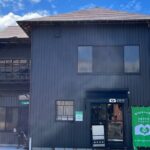
You meet at the Kannawa Bus Terminal, and the tour ends back there. The setup is straightforward, but do one thing: show up about 10 minutes early. Timing can shift, and steam stops are easier when you’re not rushing.
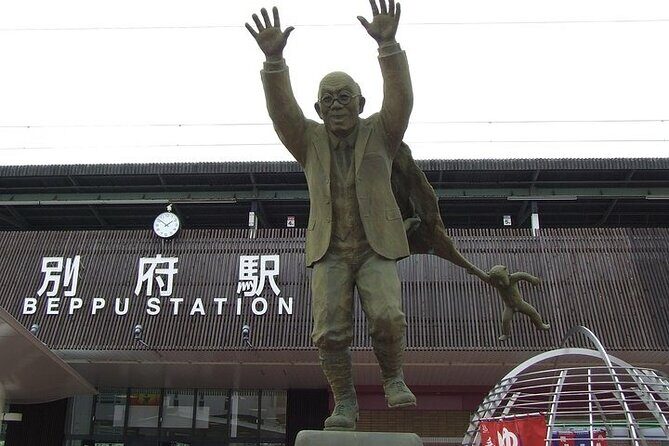
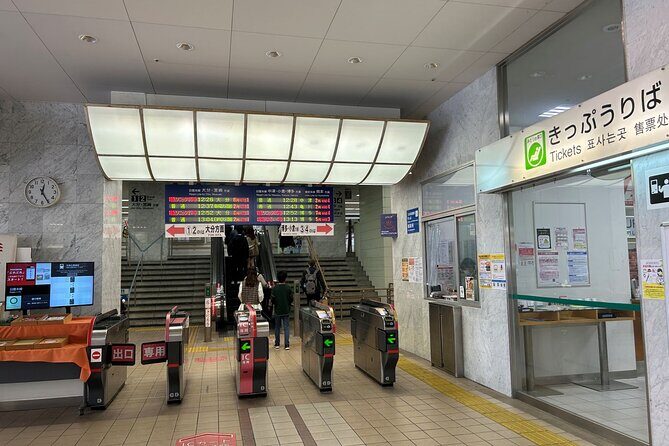
You can also choose a meeting point: JR Beppu Station or Kannawa Bus Terminal. There’s an option to meet at Beppu Port, but it requires an extra transportation fee paid by you. If you’re already near Beppu Port, that’s handy. If not, Kannawa is often the simpler choice.
Because this is weather-sensitive, have a backup mindset. If conditions don’t cooperate, the experience can be moved or refunded in some cases. The good news: the tour is built as a compact route, so rescheduling doesn’t feel like rebuilding your whole day.
Stop 1: Umi Jigoku’s Deep Blue Hell and the Garden Moment
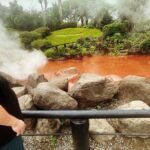
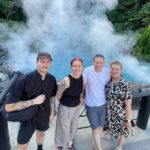
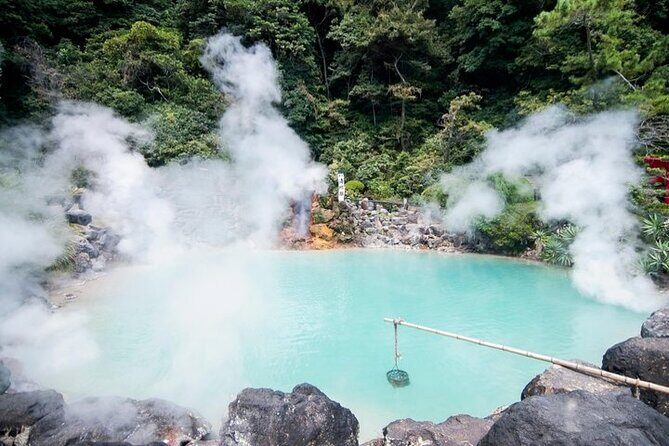
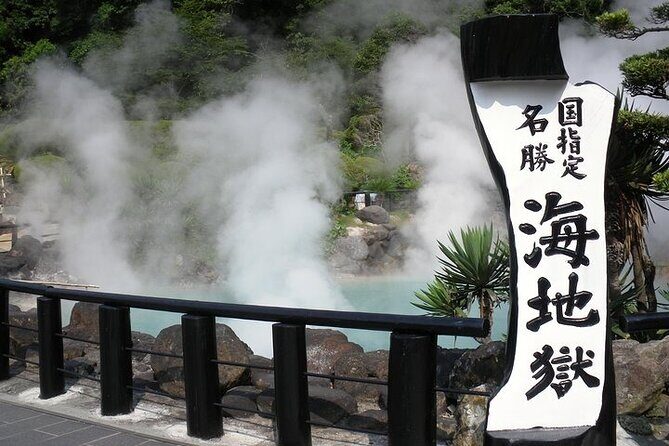
Umi Jigoku is the headline stop for a reason. You get 45 minutes here, and admission is included. The standout is the deep blue hell water, which has an almost unreal color when you see it in person. It’s the kind of place where you understand why people take photos, but you also learn to slow down and notice the details: steam movement, edges of mineral water, and the way the site is arranged.
You also get the best “pause” in the whole route: a Japanese garden on-site. That’s where the experience feels more than just geology. You’ll find seasonal flowers and garden views, which help balance the intensity of the geothermal visuals.
Practical note: plan to stand and look for a while. Even if the time block sounds short on paper, the viewing rhythm matters. If you’re sensitive to heat or mist, give yourself a few minutes to adjust as you move between covered areas and open viewing zones.
Stop 2: Kamado Jigoku’s Mud Pools, Steam Vents, and Drinking Onsen
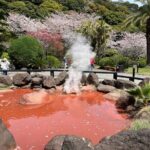
Next comes a different face of Beppu’s heat system. At Kamado Jigoku, you have 30 minutes and the admission ticket is included. This stop leans into texture: bubbling mud pools and active steam vents. It’s messier and more dramatic than Umi Jigoku, and the visuals change fast as steam rises.
One detail that makes this stop memorable is the presence of unique objects and signboards in the garden area. If you like photos, you’ll likely appreciate having more than one kind of scene to capture—natural steam effects, plus human-made markers that help you read the site.
Then there’s the famous feature: Drinking Onsen. The idea is simple: you taste mineral-rich hot spring water. It’s not a “drink and forget” moment; it’s more like a small experiment with Beppu’s geothermal minerals. Even if you’re not sure you’ll like the flavor, I’d treat it as part of the culture—Beppu doesn’t just show heat. It uses it.
Because your time here is tighter, aim for one thing: look first, then photo. The steam changes often, and it’s easier to enjoy when you’re not constantly juggling camera and curiosity.
You can also read our reviews of more private tours in Beppu


Stop 3: Kannawa Onsen Town, Bathhouses in Real Neighborhood Life
After the big hell sights, you switch into neighborhood mode at Kannawa Onsen. You get about 45 minutes here with your guide, and this part of the tour is admission free (the guide and exploration are what you’re paying for).
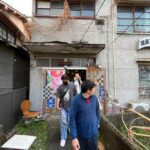
What makes Kannawa different is that it doesn’t feel like a fenced-off attraction. Traditional public bathhouses and steaming hot springs sit right alongside residential neighborhoods. That mix gives you a clearer sense of how Beppu’s geothermal energy affects everyday life, not just visitor experiences.
There’s also a sense of small discoveries. The area is known for hidden foot-bath style spots and that warm, old-village feel. One important caveat: a hot spring fee is not included. So if you want to try baths or any paid foot-bath areas you encounter, expect to pay on-site.
If you want this tour to feel authentic rather than checklist-driven, this is the stop that usually does the trick. You’ll often come away with better questions than answers—why certain buildings are where they are, how people live with steam nearby, and what’s considered normal here.
Stop 4: Jigokumushi Steam Cooking and the Fun of Choosing Ingredients
The last stop is the most hands-on. At Jigokumushikobo Kannawa, you spend about 30 minutes. Admission is listed as free for this stop on the tour, but meals are not included in the tour price.
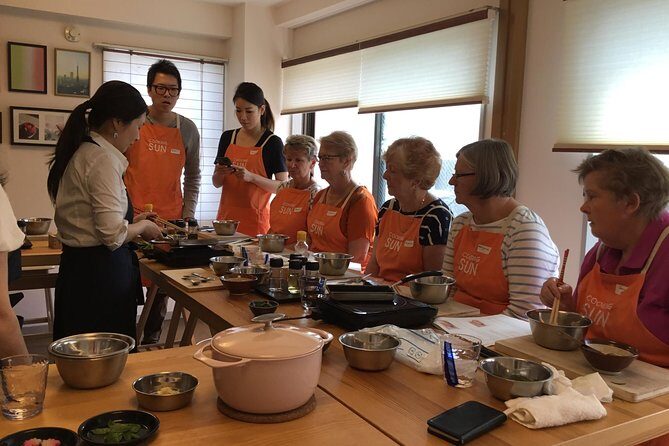
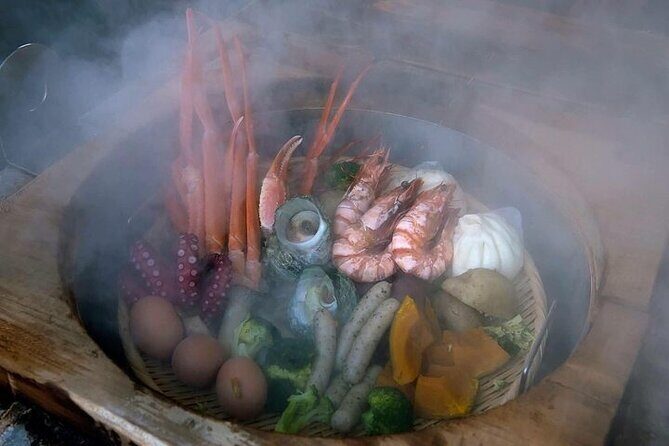
Here’s the core activity: you steam food using high-temperature steam from the hot springs. You get to put in your favorite ingredients, then you eat the results. It’s a satisfying way to end a hell tour because you’re not just looking at nature. You’re tasting a direct result of it.
Because food charges aren’t included, treat this as a choose-your-own add-on. If you have dietary needs, ask ahead and think about what ingredients you’d want. Since the tour doesn’t specify options, you’ll want to follow whatever choices the steam-cooking setup offers that day.
Timing matters here, too. Steam cooking isn’t like microwaving a snack. There’s a small waiting rhythm, so go in ready to relax and enjoy the process. It’s often the moment that turns a good tour into a memorable one.
How the Guide Changes the Whole Experience
This is a private tour, and that means your guide matters more than usual. The people who run this kind of route don’t just point. They connect.
In the guide stories you’ll hear, names like Sanae and Tomoko come up for a reason. They’re described as warm and welcoming, with a talent for explaining the geological processes behind the hot spring phenomena in a friendly way. That’s the difference between reading a signboard and understanding what you’re actually standing on.
I also like how this tour tends to focus on meaning, not memorization. You’re shown different kinds of geothermal activity—blue water, mud, steam vents, bath culture, and steam cooking—and a good guide helps you see them as parts of one system.
If you’re traveling with someone who likes history and science, you’ll feel the payoff. And if you’re less into explanations, the guide’s presence still helps you avoid awkward gaps—what to look at, what not to miss, and how to keep the day smooth.
Who Should Book This Hell Tour, and Who Might Skip It
This tour is a great match if you:
- Want a short, focused Beppu plan that still feels complete
- Like hands-on moments, especially steam cooking
- Prefer a private English guide rather than piecing together hell sites on your own
- Want the Kannawa onsen neighborhood experience, not only the main headline spots
You might reconsider if you:
- Dislike standing around in steam-heavy areas
- Want a full food-focused tour (meals aren’t included)
- Are traveling on a schedule where even minor weather changes could be a big problem, since the experience requires good weather
For most first-time Beppu visitors with limited time, this route lands in the sweet spot.
Should You Book the Beppu Half-Day Hell Private Tour?
If your goal is to see Beppu’s signature geothermal highlights in one clean half-day—and you value explanations plus a real local neighborhood stop—this is a strong choice. The biggest reasons I’d book it are admission included at the main sites, a private English guide, and the fact that the day ends with Jigokumushi steam cooking instead of another photo stop.
Before you book, do two quick checks:
- Are you okay paying for steam-cooking food charges on-site?
- Can you handle a route that’s weather-dependent and involves mist and steam?
If yes, you’ll likely come away with more than photos. You’ll understand what you saw, why it looks the way it does, and how Beppu’s heat becomes part of daily life.
FAQ
How long is the Beppu Half-Day Hell sightseeing private guide tour?
It runs for about 4 hours.
What’s included in the tour price?
The tour includes the English guide and admission fees.
Are meals included in the steam cooking stop?
Meals are not included in the tour price, and food charges may apply for the steam-cooking experience.
Where does the tour start and end?
It starts and ends at Kannawa Bus Terminal in Beppu.
Can I choose a different meeting point?
Yes. You can choose JR Beppu Station or Kannawa Bus Terminal. Meeting at Beppu Port can be requested, but an extra transportation fee is paid by you.
What happens if the weather is bad?
The experience requires good weather. If it’s canceled due to poor weather, you’ll be offered a different date or a full refund.