REVIEW · BEPPU
Calligraphy Class for Beginners in a Century-old House
Book on GetYourGuide →Operated by Glide Japan Inc. · Bookable on GetYourGuide
Japanese calligraphy feels oddly calming.
In Beppu, you practice in a century-old house and learn how to form local characters like 温泉 (onsen) and 地獄 (jigoku) with simple tools and clear guidance. I really like that the class is beginner-first, so you spend your hour making progress instead of worrying you’re not artistic enough.
What I also liked was the warm, encouraging teaching style. In small groups, teachers such as Liko and Hana guide your grip, stroke pressure, and basic calligraphy elements, and you’re given enough time to try and re-try without pressure to be perfect. The only real drawback to plan around: this workshop is not suitable for mobility impairments, so it may be tough if stairs or limited movement are an issue for you.
In This Review
- Key things to know before you go
- A century-old Beppu house sets the mood
- The hour’s rhythm: etiquette first, then brush basics
- Writing 温泉 and 地獄: simple characters, real meaning
- Small-group attention with teachers like Liko and Hana
- Take-home masterpiece: tools, frame, and how to use it after
- Price and logistics: when $32 is a smart buy
- Should you book this calligraphy class in Beppu?
- FAQ
- How long is the calligraphy class?
- How much does it cost?
- Is prior calligraphy experience required?
- What languages are used during the class?
- Are calligraphy tools provided?
- Do I get to take my work home?
- What should I bring and when should I arrive?
- Is the class suitable for mobility impairments, and are pets allowed?
Key things to know before you go
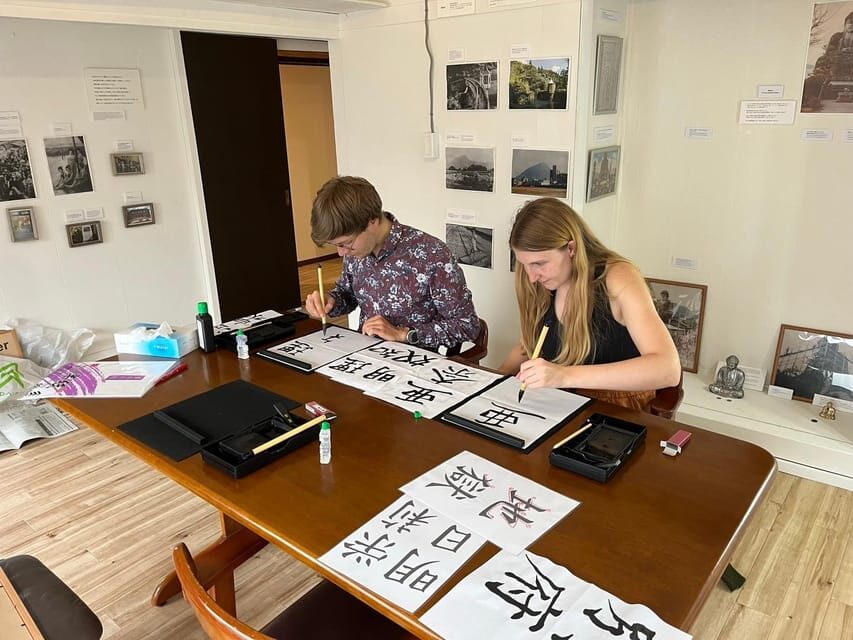
- Century-old Beppu setting: the room feels like part of the lesson, not just a classroom
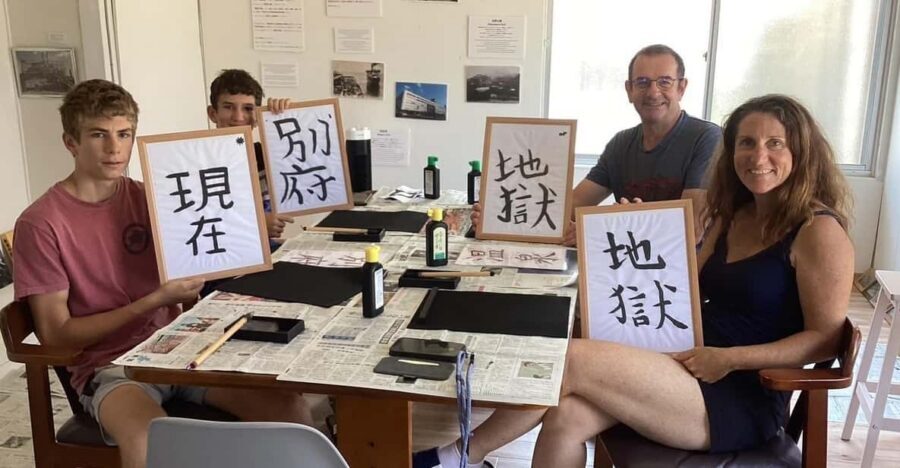
- Beginner characters from the local area: 温泉 and 地獄 are taught as part of the experience
- One-of-a-kind take-home piece: tools are provided, plus a frame for your final work
- Small group of up to 4: more personal attention, less waiting your turn
- Etiquette + technique, not just writing: you learn how calligraphy is approached respectfully
- Instruction in English and Japanese: plus Chinese languages depending on the instructor
A century-old Beppu house sets the mood
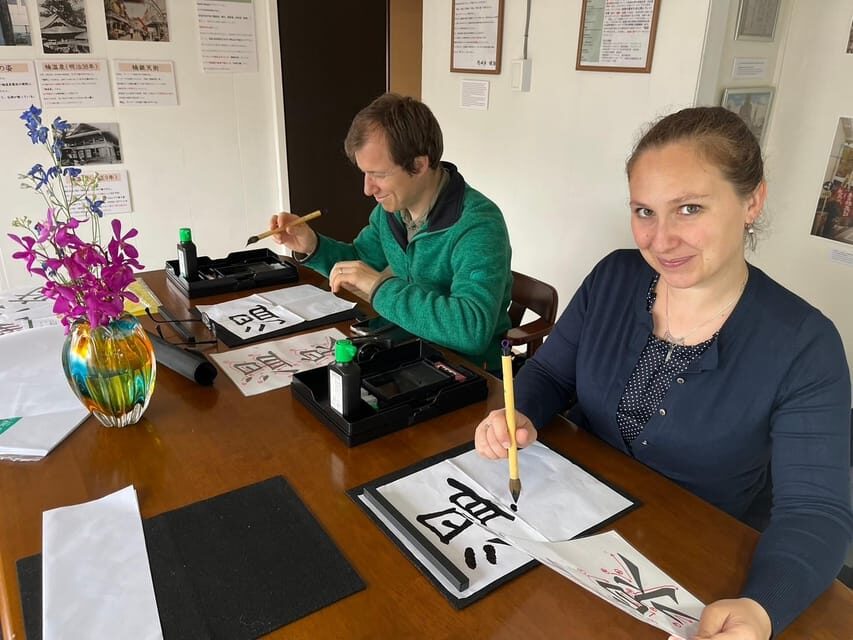
This is the kind of class where the setting quietly improves your focus. You’ll be learning in a 106-year-old building (an authentic-feeling old structure in Beppu town), and that matters more than you’d think. When you’re working with ink, brush control, and careful strokes, a calm atmosphere helps. You’re not rushing through a “see it, do it, leave” activity.
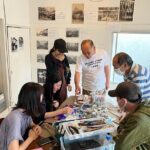
The vibe also comes from how the workshop is structured: it’s relaxed, beginner-friendly, and small-group. That means you can slow down and actually feel the tool in your hand. Several people appreciated the friendly, welcoming staff and the peaceful pace—exactly what you want for a hands-on craft class after a day of walking around Japan.
One more note: the instructor is described as highly experienced, but not a professional calligrapher. That shouldn’t scare you off. In a beginner class, what you need is clear, practical coaching and reassurance. The best part here is that you’re guided through fundamentals and etiquette, then you make your own piece.
A few more Beppu tours and experiences worth a look
The hour’s rhythm: etiquette first, then brush basics
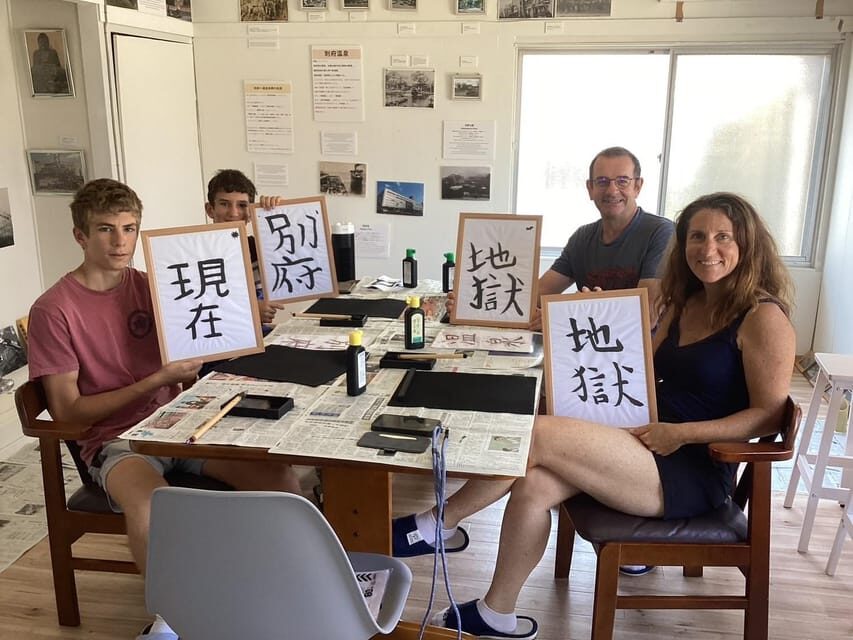
You get a full 1-hour session, so the teaching has a simple shape. You’re guided on how to handle the brush and how to approach calligraphy the Japanese way—starting with etiquette before you start writing. That’s valuable because calligraphy isn’t just “pretty handwriting.” It’s technique, control, and respect for the tools and process.
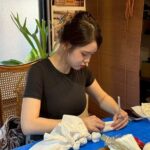
In practice, you’ll work through basic calligraphy components—enough to give your strokes structure—then you move to your first actual characters. One common theme in the feedback: there’s time to practice before you start making the final set of characters. That staging is smart. If you jump straight into your final word, you’ll end up stressed. If you practice first, you build confidence.
A key detail: brush pressure and stroke weight. People talked about learning how to hold the brush so the accent on strokes feels weighted, not flat. That’s the difference between trying to draw symbols and creating calligraphy with intentional movement.
You’ll also get coaching on what to do when your first attempts don’t look right. The tone is encouraging, not judgmental. For beginners, that’s everything.
Practical tips:
- Wear comfortable clothes so you can sit and move your arms naturally.
- Aim to arrive 10 minutes early so you can settle in without feeling rushed.
- Bring no expectations besides curiosity; you don’t need prior experience.
Writing 温泉 and 地獄: simple characters, real meaning
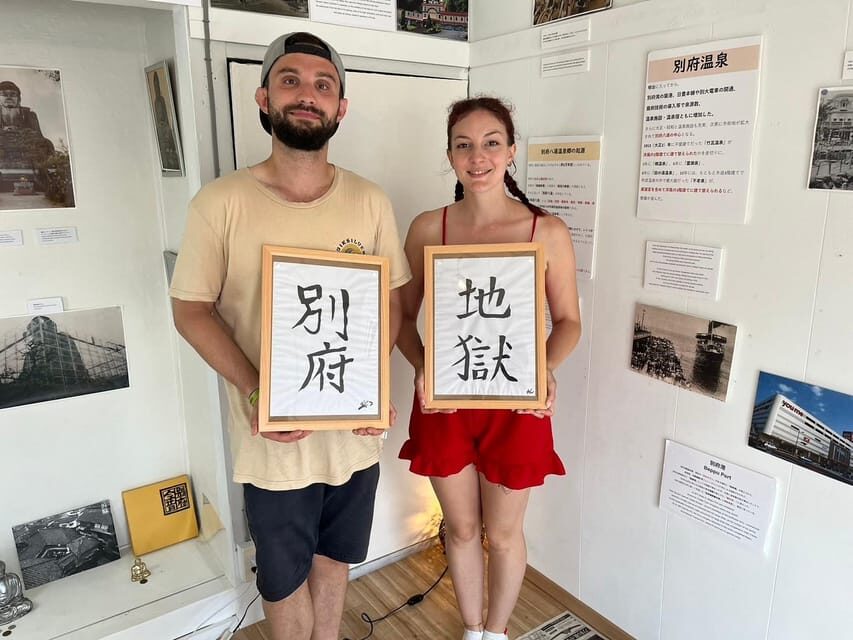
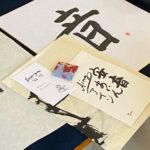
The class includes learning words tied to the local area, including 温泉 (onsen, hot spring) and 地獄 (jigoku, hell). Those choices are clever for two reasons.
First, they’re memorable. You’re more likely to remember a character you chose because you found it interesting, or because it connects to the place you’re visiting, than you would if you wrote something generic.
Second, they push you to practice how kanji shapes work in calligraphy. Kanji are made of components, and calligraphy is about balancing those components through stroke order and pressure. So even if you’re only “writing words,” you’re really learning how to think like a calligrapher for an hour.
You’ll likely start with simpler practice strokes and build toward your chosen characters. Some participants worked on words like sakura (sakura) as their first “proper” word. That’s a good sign for flexibility: you can usually choose what you write, within the class structure.
Also, don’t assume the word choice is the whole point. The deeper win is understanding why the strokes matter. When you learn where to place emphasis and how to finish a stroke cleanly, your character starts looking intentional—even if it’s still beginner-level.
Small-group attention with teachers like Liko and Hana
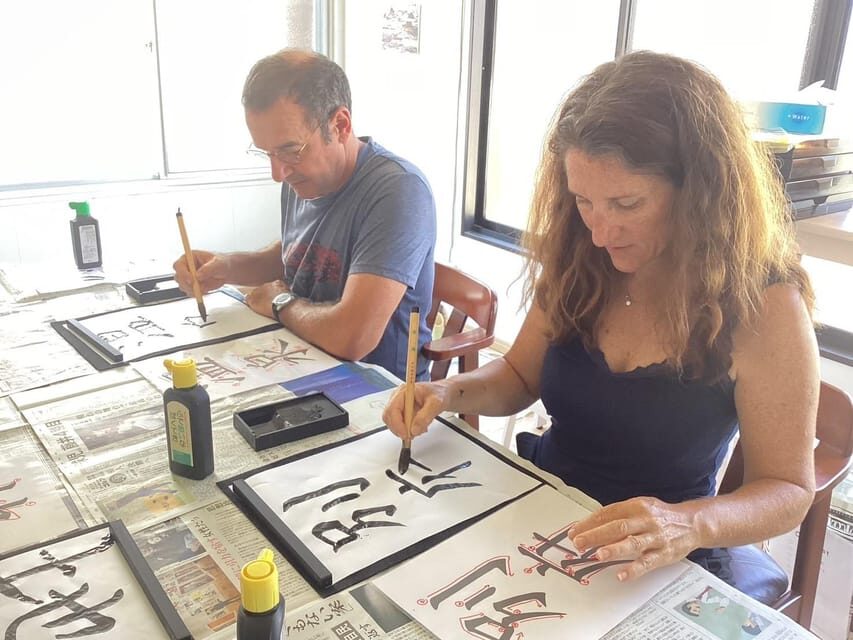
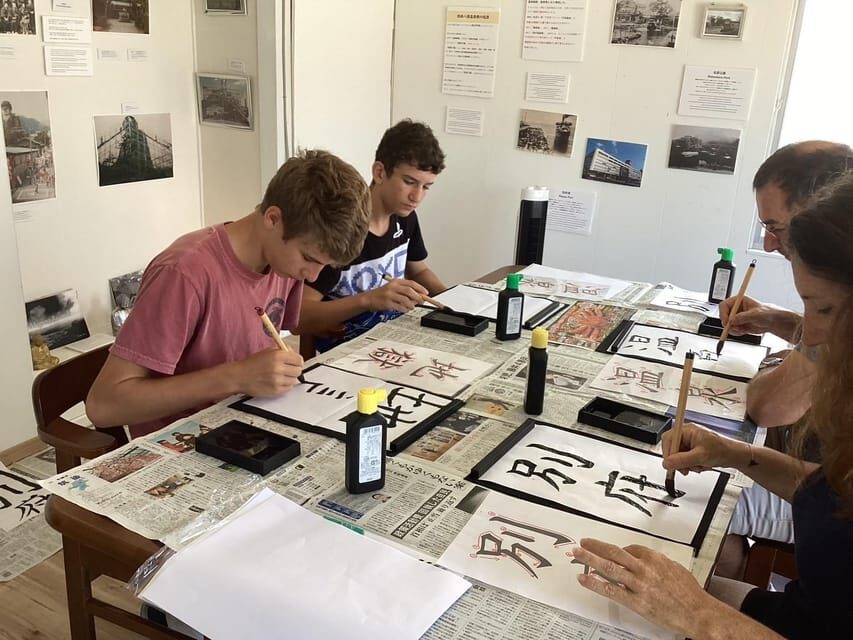
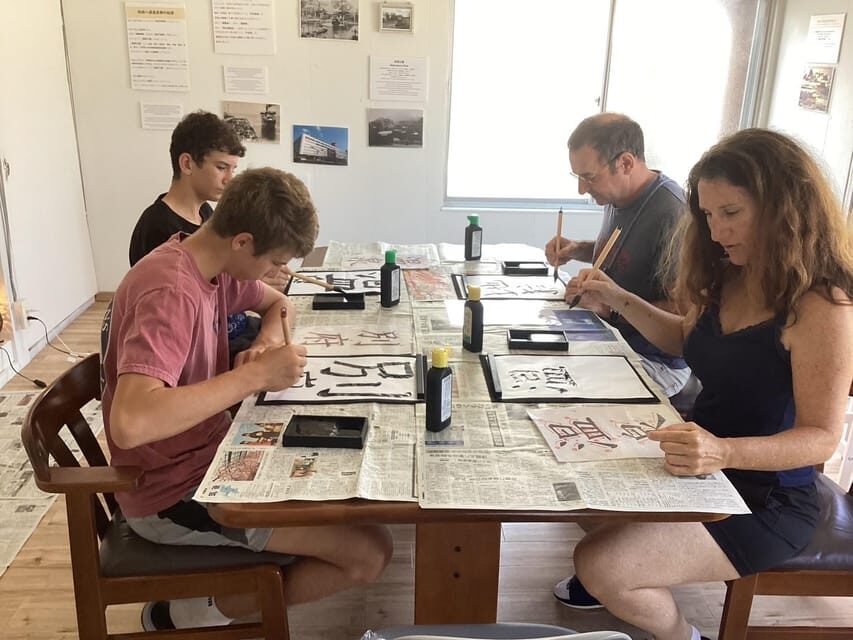
This workshop caps at 4 participants, which changes the whole experience. With so few people, the instructor can watch your grip and correct you before your bad habits harden. It also keeps the classroom comfortable. You’re not waiting for your turn or competing for attention.
The teaching style stood out as particularly kind. People described laughter, cultural talk, and a no-pressure vibe. That’s not “fluff.” In a skill class, confidence is part of the lesson. If you’re afraid to mess up, you write slower, tighten your hand, and lose the natural flow of the brush.
In many classes, one student’s questions become the whole group’s momentum. Here, the English/Japanese instruction and the small size make it easier for people to follow along, even if they’re not fluent. The instructor can also work in multiple languages (English, Chinese, Traditional Chinese, and Japanese), which helps you feel included.
One realistic consideration: since it’s not a professional calligrapher-only setting, the class teaches technique and etiquette more than “master-level artistry.” If what you want is a museum-quality calligraphy performance, this is probably not that. If what you want is a genuine beginner introduction where you leave with a framed piece and better brush control? That’s exactly the sweet spot.
Take-home masterpiece: tools, frame, and how to use it after
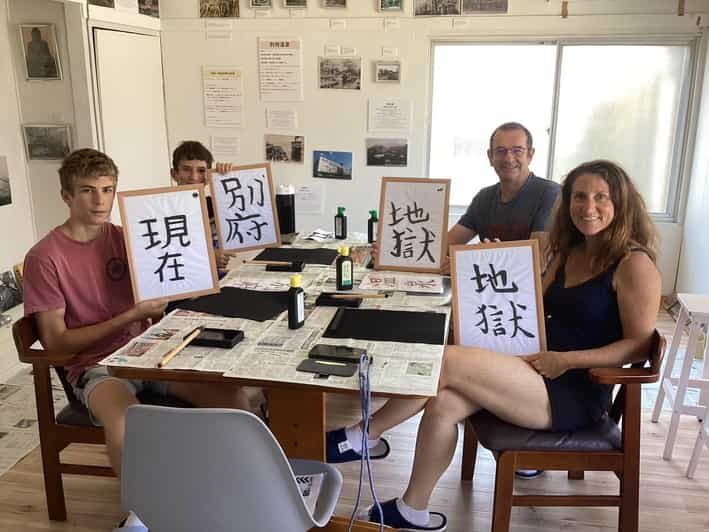
The workshop provides a full set of calligraphy tools, so you don’t need to buy anything before you arrive. That’s a big value point. A lot of “craft experience” tours make you spend extra on materials, then you get a small amount of instruction. Here, tools are included and you’re guided through making your own work.
You also get a frame provided, which matters because it turns your practice into something you can display right away. A piece of paper is nice. A framed piece becomes part of your living space—and a reminder of what you learned, not just what you watched.
Before you head out, you’ll have your final work ready to take home. That’s the lasting memory: you can point to a character and explain what you learned about stroke weight, pressure, and etiquette. For many people, that’s more satisfying than another souvenir you’ll set in a drawer.
A helpful mindset: treat your piece as a first draft you’re proud of, not a competition. The point of a beginner class is improvement. With the encouragement built into the experience, you’ll likely want to try again on your next trip home—or at least keep practicing the basic strokes.


Price and logistics: when $32 is a smart buy
At $32 per person for a 1-hour class, with tools and a frame included, the value is strong—especially if you want a hands-on cultural activity that doesn’t take a half-day. It’s also budget-friendly for solo travelers, because it’s not a private custom workshop.
The price makes sense when you look at what’s included:
- calligraphy tools provided
- frame provided
- personalized masterpiece to take home
What’s not included is transportation and meals. So plan the timing around where you’ll be in Beppu. If you’re already in town, you’ll likely make this easy to fit between sightseeing stops.
Also, note the practical constraints:
- pets are not allowed
- the class is not suitable for mobility impairments
- the workshop runs in English and Japanese
You’ll get small-group intimacy, but you still need to show up ready to sit and write. Comfortable clothes help. Nothing fancy required.
If you’re the kind of traveler who likes experiences that leave you with a skill—and not just a photo—this is the right kind of stop.
Should you book this calligraphy class in Beppu?
You should book if you want a short, beginner-friendly activity that teaches real technique (brush pressure and stroke control) plus proper etiquette, and you want a take-home piece you can display. It’s also a great choice if you like small-group settings where the instructor can correct your form and encourage you when your strokes don’t look perfect yet.
Skip it if you need wheelchair-friendly access or if mobility challenges might make sitting and writing difficult. Also, if you’re hoping for a fully professional calligraphy production-level workshop, this is more of a guided beginner lesson than a performance workshop.
If you want something genuinely different from temples and shopping malls in Kyushu, this is a calm, hands-on way to connect with Japanese culture—and you leave with evidence of what you learned, framed and ready.
FAQ
How long is the calligraphy class?
The class lasts 1 hour.
How much does it cost?
The price is $32 per person.
Is prior calligraphy experience required?
No prior experience is required.
What languages are used during the class?
The workshop is conducted in English and Japanese, and the instructor may also work in Chinese and Traditional Chinese depending on the instructor.
Are calligraphy tools provided?
Yes. A full set of calligraphy tools is provided.
Do I get to take my work home?
Yes. You’ll take home your personalized masterpiece, and a frame is provided.
What should I bring and when should I arrive?
Wear comfortable clothes and arrive 10 minutes before the workshop starts.
Is the class suitable for mobility impairments, and are pets allowed?
The workshop is not suitable for people with mobility impairments, and pets are not allowed.