REVIEW · SAITAMA PREFECTURE
Experience Seasonal Green Tea Picking in Sayama and Nostalgic Walk in Kawagoe!
Book on Viator →Operated by Trip Designer Inc. · Bookable on Viator
Fresh tea leaves in hand feel real. This day trip pairs Sayama green tea picking with an easygoing stroll through Kawagoe’s Little Edo streets. I like how it’s hands-on in the countryside, then you shift gears to old-town Japan with warehouse buildings and classic snack alley vibes. One heads-up: it runs only during the tea season (May to November) and the tour depends on good weather.
What really makes it work is the people side. Guides such as Kaori, Rie, and Yumi come through with clear explanations, cultural context, and real patience—especially when you need things slowed down for little kids or non-Japanese speakers. The tour also builds in flexibility, so the day feels less like a factory line and more like a guided day you can actually enjoy.
Logistics are straightforward but not hands-off. You meet at Iriso Station at 10:00 am, and there’s no hotel pickup, so you’ll want to plan your morning train connection. The included transport (train plus a mini van) keeps things efficient once you’re at the start point.
In This Review
- Key Highlights You’ll Actually Care About
- Sayama Tea Picking: Why This Feels Better Than Buying a Tin
- From Iriso Station to the Two Worlds of the Day
- Miyanoen Plantation: What Tea Picking Day Typically Includes
- Kawagoe Ichibangai: Your First Taste of Little Edo
- Kitain Temple: A Calm Break From Shopping Street Energy
- Warehouse District and Candy Alley (Kashiya Yokochō)
- Guides Who Make It Easy: Kaori, Rie, and Yumi’s Style
- Price and Value: What $130.06 Buys You in 6 Hours
- Weather, Season, and Practical Tips for a Smooth Day
- Who Should Book This Tour (And Who Might Not Need It)
- Should You Book Seasonal Green Tea Picking in Sayama and Nostalgic Walk in Kawagoe?
- FAQ
- What is the tour duration and start time?
- Where do I meet the tour, and where does it end?
- What’s included in the tour price?
- What is not included?
- Is this a private tour?
- What happens if the weather is bad?
Key Highlights You’ll Actually Care About
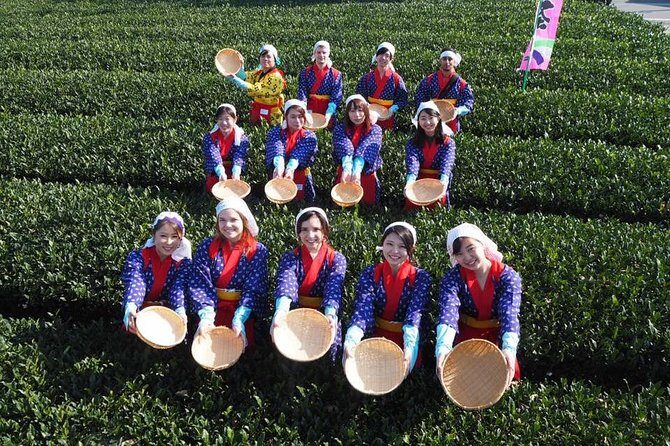
- Tea picking at Miyanoen plantation with seasonal timing and farm access
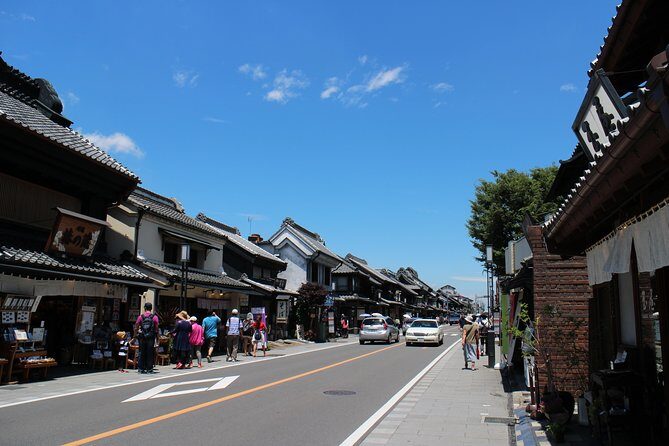
- A tea master experience that helps you learn steps and, in many cases, make your own tea
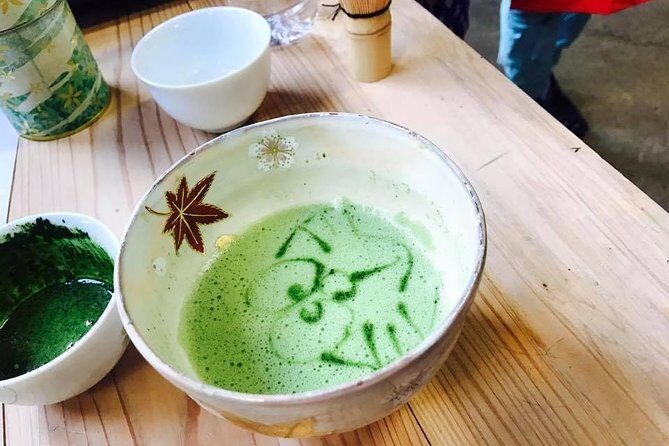
- Kawagoe Ichibangai Shopping Street as your warm-up to old-town atmosphere
- Kitain Temple visit that adds a calm, traditional stop to the walk
- Candy Alley (Kashiya Yokochō) for that sweet-and-snacky Edo flavor
- Private group format so the pacing and attention feel more personal
Sayama Tea Picking: Why This Feels Better Than Buying a Tin
Sayama is the birthplace of Sayama tea, and that matters. Here, the tea story isn’t just branding—it’s rooted in the way leaves are picked and handled. You’re not just tasting; you’re learning what fresh leaves feel like, how the season affects the work, and why this tea has a reputation in Japan.
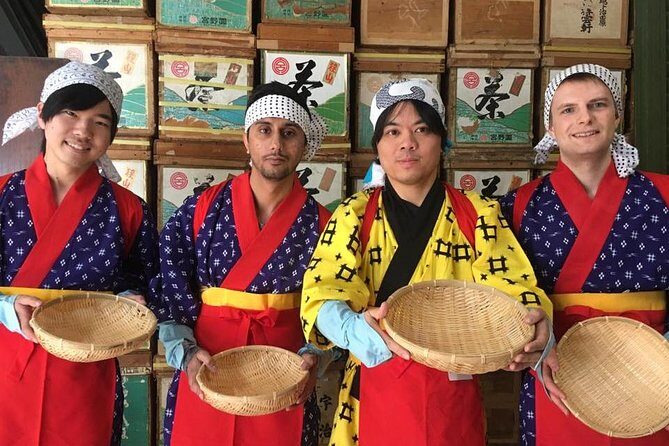
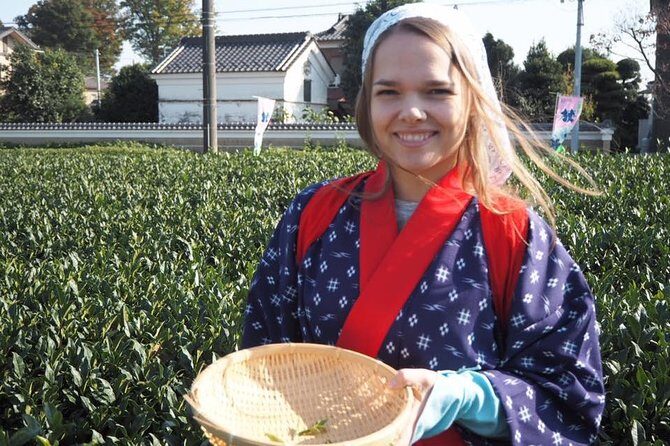
The big value of this part is that it’s sensory and practical. You see where the tea comes from, you get a costume for the farm segment (included), and you get guided help on what to do next. Reviews also highlight that a tea master patiently supports the process and helps with tea making—so you get more than photos. You walk away with a better understanding of tea as a craft, not a souvenir.
You can also read our reviews of more walking tours in Saitama Prefecture

From Iriso Station to the Two Worlds of the Day
You start at Iriso Station (Minamiiriso, Sayama) at 10:00 am, and the tour ends back at the meeting point. Plan to arrive a bit early so you’re not trying to match faces while everyone is already moving.
Transport is handled, which keeps the experience from turning into DIY stress. You get a one-way train ticket from Iriso Station to Hon-Kawagoe Station, and you also get round-trip mini van service between Iriso Station and the Miyano farm. The day is built around two different settings near Tokyo: the tea plantation in Sayama and the historic district in Kawagoe.
The only real drawback in the logistics is the lack of hotel pickup. If you’re staying far from Iriso Station, you’ll want to budget time to reach the meeting point calmly. Once you’re there, things run efficiently.
Miyanoen Plantation: What Tea Picking Day Typically Includes
At Miyanoen plantation, you’re stepping into the season itself. This tour runs from May to November, so you’re experiencing Sayama tea picking during the time when fresh leaves are available and the whole process makes sense.
Here’s what I like about the farm portion for most people:
- You get hands-on work that’s easy to follow.
- You have help from the tea master, which reduces the intimidation factor if you don’t know Japanese.
- You can learn the steps behind tea making, not just the final cup.
In the experience description and guide feedback from past participants, the tea master guides you through the tea-making journey with care. If you want a day that feels like you understand what you’re tasting later, this is the part that delivers.
Also, getting a costume for the tea farm segment means you’re not only working—you’re participating. It turns a simple field activity into a memory you can share, and it helps the day feel ceremonial rather than rushed.
Kawagoe Ichibangai: Your First Taste of Little Edo
Once you’re in Kawagoe, the pace shifts from outdoor farm work to walking. The tour includes time at Kawagoe Ichibangai Shopping Street, which is a solid starting point because it’s active without requiring you to keep your eyes on a map every five minutes.
This stretch is a practical intro to the old-town vibe. You’ll see the kind of street life that helps Kawagoe earn the nickname Little Edo. Even if you’re only here for a few hours, Ichibangai helps you get oriented fast: what kind of shops you’ll see, what the street rhythm feels like, and where to focus your attention as you continue deeper into the historic area.
If you like browsing at your own pace, this is a good match. And if you don’t like shopping, you can still enjoy the architecture and atmosphere while letting the snacks do the temptation work for you.
Kitain Temple: A Calm Break From Shopping Street Energy
The visit to Kitain Temple adds balance. You get a traditional stop that helps the day feel more grounded after the street scene.
I like temple visits on tours for one reason: they give you a mental reset. You go from looking at storefronts and street objects to noticing quieter details and learning cultural context from your guide. In this tour, that guide time matters because the explanations aren’t just facts thrown at you—they help you connect what you’re seeing to Japanese everyday culture.
Even if you’re not a temple person, Kitain Temple works well here because it’s one part of a sequence. It’s not the entire day, so you can appreciate it without feeling like you’re trapped in sightseeing mode.


Warehouse District and Candy Alley (Kashiya Yokochō)
This is where Kawagoe feels most fun. The tour includes exploring the Warehouse District and Candy Alley, known as Kashiya Yokochō.
The Warehouse District appeals because it’s about structure and memory—old buildings, storage-era street design, and that Edo-period town feeling you get when the architecture is preserved. It’s the kind of area where you can walk slowly and still feel like you’re discovering something.
Then Candy Alley brings the energy back in a food-focused way. Candy Alley is basically the sweet stop you didn’t know you needed. If you like trying small treats, it’s an easy win. If you’re not big on sweets, it still works because the alley itself is part of the experience—short, distinctive, and built for wandering.
What makes these two stops especially good together is pacing. You can enjoy the visual and historical atmosphere in the warehouse area, then switch into playful browsing at Candy Alley.
Guides Who Make It Easy: Kaori, Rie, and Yumi’s Style

This tour lives or dies by the guide. The good news is that the experience has strong signals from past participants about how guides show up in real situations.
- Kaori is described as thoughtful and information-rich, with a warm approach to culture and lifestyle. Participants also praised the tea-making part and the way the tea master and guide worked together.
- Rie is described as helpful and calming, including for families traveling with a 6-month-old. That kind of support matters more than people expect because it helps you keep the day relaxed instead of worrying about logistics.
- Yumi is described as excellent with families and open to suggestions and schedule changes. That flexibility can be a big deal if your kids need more breaks or you want to spend a few extra minutes somewhere.
If you’re nervous about language barriers, this tour can still feel comfortable because the structure is clear and the guides are used to helping people understand what’s going on.
Price and Value: What $130.06 Buys You in 6 Hours
At $130.06 per person for about 6 hours, you’re paying for more than a walk and a ticket. The value comes from the combination of:
- Guided tea picking and farm access at Miyanoen
- Costume for the tea farm segment
- Train ticket from Iriso Station to Hon-Kawagoe Station
- Round-trip mini van between Iriso Station and the Miyano farm
- A private group format, meaning your time and attention are more controlled
If you tried to DIY this, you’d likely spend time figuring out transport, coordinating timing, and finding a reliable farm experience. Even if you manage to piece it together, doing it as one smooth day is the difference between a chore and an outing.
It also helps that group discounts are listed, which can improve the per-person cost if you’re traveling with friends or family.
Weather, Season, and Practical Tips for a Smooth Day
This experience requires good weather. If conditions are bad, you’ll be offered a different date or a full refund. That’s important because tea picking and walking both depend on being outside.
For your own prep, treat this like a mixed day:
- You’ll be outdoors for tea picking and moving between stops.
- You’ll be walking through Kawagoe’s old-town streets, including the warehouse area and alley.
Bring layers for seasonal temperature changes (spring-to-early-winter swings can happen near Tokyo). Also plan for sun exposure during the tea season and for light rain if the forecast is uncertain.
Who Should Book This Tour (And Who Might Not Need It)
I’d book this if you want a day that blends hands-on nature with an Edo-style town walk. It’s especially good for:
- Tea lovers who want more than a tasting menu
- First-timers who want a classic old-town feel without getting lost
- Families who need a guide that can slow down and adapt (the tour has proven comfort with families in the past)
- People who like learning culture through everyday activities, not just museum stops
You might skip it if:
- You only have time outside the May to November season
- You hate being outdoors, even for short periods
- You prefer hotel pickup and don’t want to handle reaching the meeting point at Iriso Station
Should You Book Seasonal Green Tea Picking in Sayama and Nostalgic Walk in Kawagoe?
If you like experiences with structure and real local flavor, I think this is a strong pick. The tea farm segment gives you something tangible—hands-on work plus guided tea-making steps with help from the tea master. Then Kawagoe adds the cultural contrast: classic streets, a temple stop, and the sweet fun of Candy Alley.
The trade-off is simple: it’s seasonal and weather-dependent, and you start at Iriso Station with no hotel pickup. If that fits your schedule, you’ll get a memorable day that feels like you actually touched the culture, not just watched it from a distance.
FAQ
What is the tour duration and start time?
The tour lasts about 6 hours and starts at 10:00 am.
Where do I meet the tour, and where does it end?
You meet at Iriso Station (Minamiiriso, Sayama, Saitama) and the activity ends back at the meeting point.
What’s included in the tour price?
Included are all fees and taxes, a one-way train ticket from Iriso Station to Hon-Kawagoe Station, a costume, and round-trip mini van transportation between Iriso Station and the Miyano farm.
What is not included?
Hotel pick up and drop off are not included, and private transportation like taxi, private car, or bus is also not included.
Is this a private tour?
Yes. It’s a private tour/activity, and only your group participates.
What happens if the weather is bad?
The experience requires good weather. If it’s canceled due to poor weather, you’ll be offered a different date or a full refund.