REVIEW · SAITAMA PREFECTURE
Easy for everyone! Now you can play handmade mini shamisen and show off to everyone! Musical instruments, sweets and live music
Book on Viator →Operated by TOKYO SHAMI · Bookable on Viator
Four chords, one handmade shamisen. This two-hour workshop turns the shamisen from a mysterious instrument into something you can actually touch, assemble, and play in an afternoon, with beginner-friendly steps and a take-home result. I like that the room stays relaxed and the learning stays practical, not academic.
My favorite part is the take-home mini shamisen kit plus the sheet music you practice with, so your trip doesn’t end when the workshop does. The only real drawback to consider: you’re learning a short, simple set of songs, not full classical performance-level material, so if you want long, technical training, this isn’t the right match.
In This Review
- Key highlights at a glance
- A mini shamisen that lowers the learning curve fast
- The 2-hour workshop flow: from happi coat to a take-home tune
- 1) Welcome in a Japanese-style setting and a happi coat moment
- 2) A quick shamisen primer so the instrument makes sense
- 3) Assemble your mini shamisen kit (about 20 minutes)
- 4) Make sound right away, then learn how to read the music
- 5) Group practice: playing the simple song together
- 6) Break time: live shamisen performance with tea sweets
- 7) Finish and take your mini shamisen home
- Live music and tea sweets: why this small pause is smart
- Taking your instrument home: the souvenir that keeps giving
- Price and value: what $182.09 is really buying you
- Getting there: Tokorozawa Station, start time, and small-group comfort
- Who should book this workshop (and who might skip it)
- Should you book TOKYO SHAMI EXPERIENCE?
- FAQ
- How long is the mini shamisen workshop?
- Where does the workshop start, and what time does it begin?
- Is pickup available?
- What’s included in the experience?
- Can I take the mini shamisen home?
- Who can participate?
- How big is the group?
- What if the weather is bad?
- What is the cancellation policy?
Key highlights at a glance
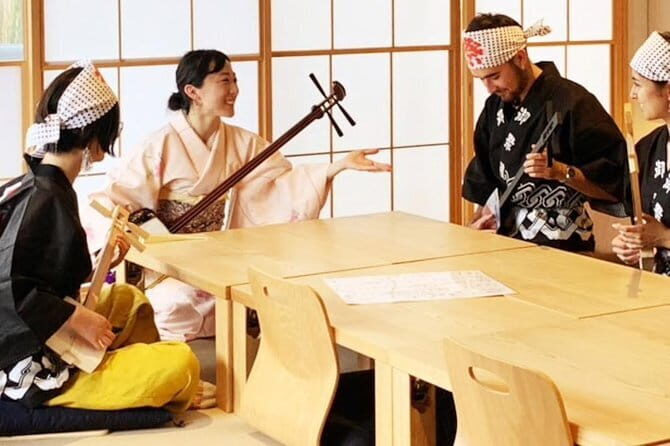
- Handcraft time is short: you’ll assemble the mini shamisen in about 20 minutes
- Music feels easy to read: the score is simple and the mini-shamisen has numbers to guide your hand positions
- You play together: group practice turns first notes into a real song experience
- Tea sweets come with live shamisen: a short concert moment with something sweet to enjoy
- Small group size: maximum of 4 travelers for a calmer pace
- Host Kana sets a patient tone: gentle guidance and clear explanations, including shamisen history
A mini shamisen that lowers the learning curve fast
The shamisen has a reputation for being hard to get into, mostly because it looks intricate and sounds very expressive. What I like about TOKYO SHAMI EXPERIENCE is how it shrinks the problem. Instead of starting with intimidation, you start with an easy-to-hold mini shamisen and a guided process you can keep up with even if you’ve never touched this instrument before.
The workshop is designed around “start now” momentum. You don’t spend your whole session just watching. You put on a happi coat, hear a straightforward explanation of what you’re holding, then build the instrument and make sound quickly. That’s a big difference versus many culture classes where you’re mostly observing and never quite reach the playing stage.
You’ll also get practical help that matters for first-timers. The music portion uses a simple score, and the mini shamisen includes numbers that help you know where to place your hands. That means you can focus on timing and sound instead of getting stuck decoding the setup.
You can also read our reviews of more tours and experiences in Saitama Prefecture.



The 2-hour workshop flow: from happi coat to a take-home tune
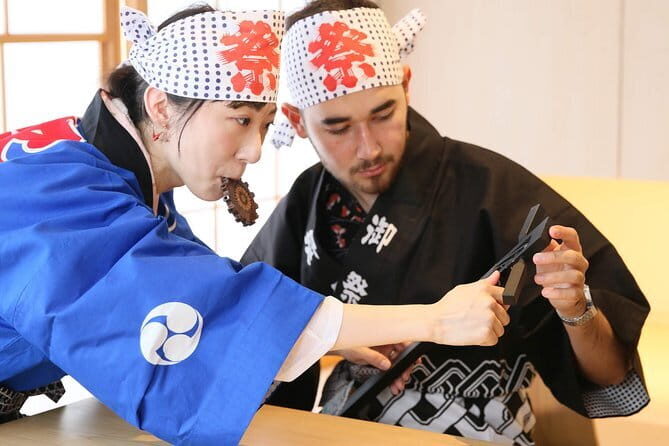
This is a compact experience, run like a sequence you can follow without stress. The total time is about 2 hours, and it’s paced for people who are brand new.
1) Welcome in a Japanese-style setting and a happi coat moment
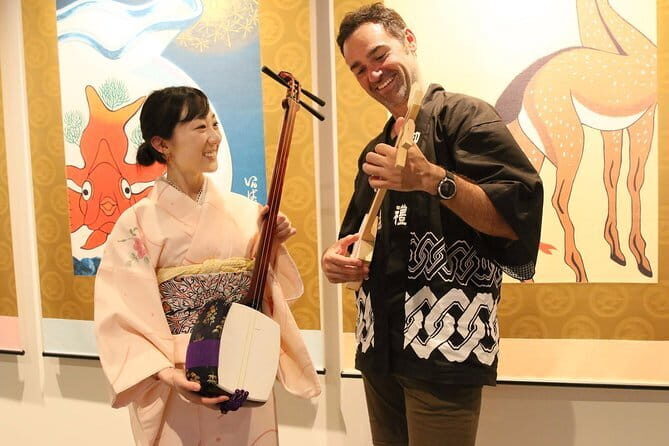
You’ll begin at Tokorozawa Station (start time is 1:00 pm). From there, you’ll move into the workshop space described as a teacher’s home-style room. The first activity is dressing in a happi coat. It’s not just a costume step. It helps you shift into the ritual of the experience, and it tends to make beginners feel less like they’re “auditioning” in front of strangers.
2) A quick shamisen primer so the instrument makes sense
Before you touch anything complicated, you get a brief explanation of the shamisen, including its history and features. This matters because the shamisen isn’t just a guitar-like object. It’s a traditional Japanese instrument with a specific sound and structure, and knowing the basics helps you understand what you’re trying to produce.
3) Assemble your mini shamisen kit (about 20 minutes)
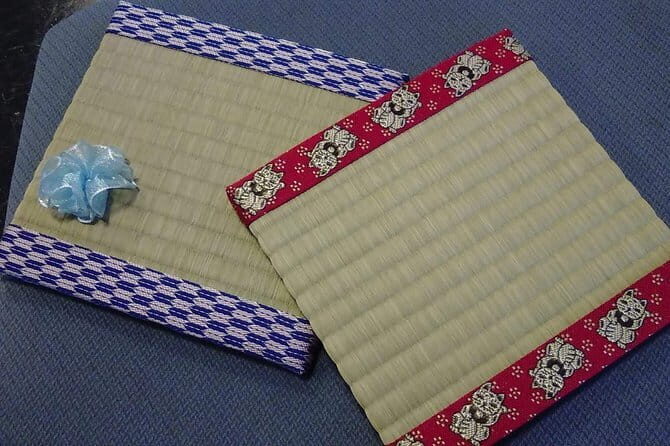
Next is the hands-on build. You’ll look at swatches such as the line, then assemble using an introductory mini shamisen kit. The session is designed so it’s doable even for elementary school students and older, which tells you the instruction is paced for beginners, not experts.
If you worry about “I’ll mess it up,” the good news is that the workshop format assumes you’re learning. You’re not expected to build a masterpiece. You’re expected to make a functional mini shamisen you can play in the same afternoon.


4) Make sound right away, then learn how to read the music
After assembling, you’ll play right away. You’ll also learn how to read music for the piece you’re working on. The key is simplicity: you practice from a set of scores that are meant for first-time players, and you’re supported by the mini shamisen’s number guides.
This part is often the turning point for beginners. Once you understand how the score connects to where your hand goes, the instrument becomes much more logical.
5) Group practice: playing the simple song together
You’ll practice as a group. The score is described as simple, so you aren’t stuck with dense notation. Everyone plays together, and that group element is a major confidence builder. Even if your notes are imperfect, the experience is structured so you still end up feeling like you participated in something real.
With a maximum of 4 travelers, the group size stays small enough that the pace feels human. You’re less likely to feel lost while others move ahead.
6) Break time: live shamisen performance with tea sweets
Then you get a breather. Instead of rushing to the finish line, you’ll listen to a live shamisen performance while enjoying tea sweets. This changes the mood from “learn and do” to “listen and absorb.”
It also helps you make sense of what you’ve just practiced. You can hear the musical character of the shamisen in a more complete form, and your own earlier playing will suddenly feel like part of a bigger tradition.
7) Finish and take your mini shamisen home
At the end, you take your handmade mini shamisen with you. You’ll also have the sheet music you practiced, so you can recreate the song at home. That take-home detail is a big part of the value.
For people who travel with a souvenir itch, this is ideal. It’s not just something pretty to photograph. It’s something you can actually use again.
Live music and tea sweets: why this small pause is smart
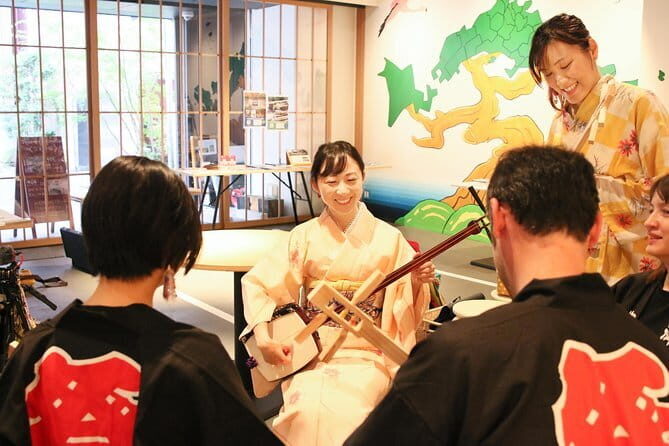
A lot of workshops keep pushing until the end. Here, the live performance break does two useful jobs.
First, it gives your hands and ears a reset. You’ve spent time assembling and practicing, which can get mentally tiring even when the steps are easy.
Second, it gives you context. When you hear the shamisen performed live right after your own practice, you start noticing how tone, rhythm, and expression work together. Even if you can’t explain it perfectly, you learn what the music is supposed to feel like.
The tea sweets are also a nice, practical touch. You’re not just grabbing a snack after class. You’re sitting for a short moment, cooling down, and making the experience feel like a complete arc: hands-on learning, then listening, then leaving with something you can keep practicing.
Taking your instrument home: the souvenir that keeps giving
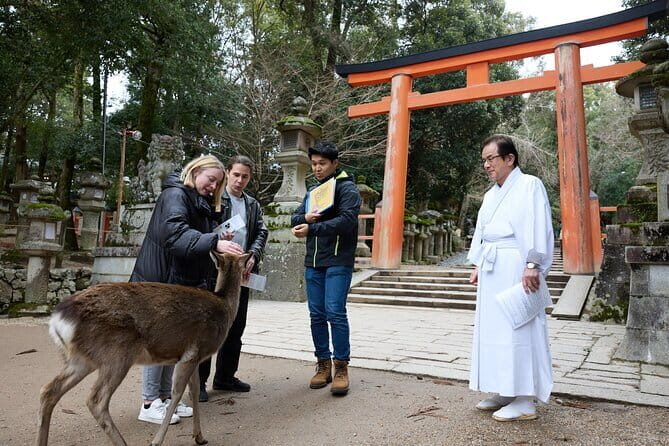
The biggest difference between a “nice show” and a “real skill moment” is what happens after you leave. Here, you take home the mini shamisen you made, plus the sheet music you practiced during the workshop.
That combination matters. Without music, an instrument becomes a decorative desk toy. With the music, you have a starting point right away. You won’t need to guess what song you played or reconstruct the notes from memory.
This is also why the format fits beginners well. You’re not asked to become a musician overnight. You’re given something you can try again at home, which turns a one-time travel activity into an ongoing hobby.
A practical note: since it’s a mini shamisen, you should think of it as a learning instrument and first-step tradition starter. That’s exactly what makes it approachable.
Price and value: what $182.09 is really buying you
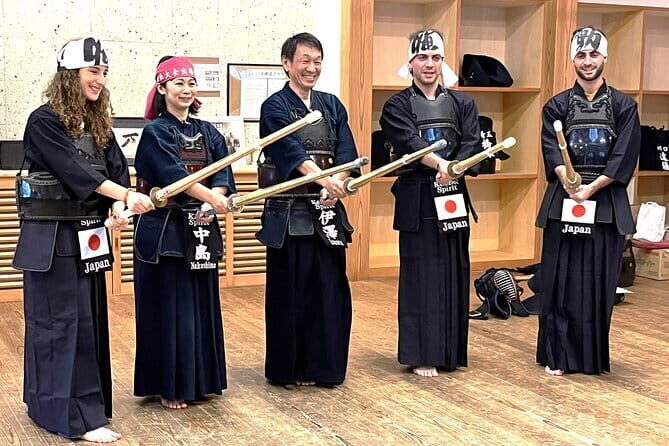
At $182.09 per person for about 2 hours, this workshop isn’t an impulse bargain—but it also isn’t just paying for a lesson. The price includes the mini shamisen setup experience, your hands-on assembly, and the instrument you take home. It also includes a tea moment and a live shamisen performance component.
You’re paying for three things that are hard to fake cheaply:
- Guided building time that gets a beginner to playable sound
- A small-group environment (maximum of 4 travelers) that helps the pacing feel comfortable
- A take-home instrument plus the sheet music, so the value continues after you leave
If you want the kind of souvenir you’ll actually use, this kind of workshop tends to feel fair. If you’re traveling on an ultra-tight budget and you mainly want to watch and not build, it may feel expensive for what it is. But for first-timers who want to walk away with an instrument in their hands, the value clicks.
Also, it’s booked fairly in advance on average (around 46 days). That’s usually a good sign for demand, and it suggests you should reserve early rather than thinking you can wing it.
Getting there: Tokorozawa Station, start time, and small-group comfort
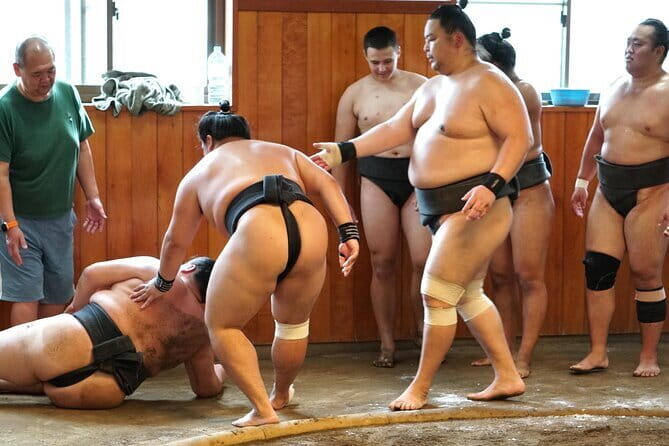
You’ll meet at Tokorozawa Station and start at 1:00 pm. The location is described as near public transportation, which is what you want for a workshop day when you’re also juggling sightseeing.
Pickup is offered, which can be a lifesaver if you don’t want to plan transit after a busy Tokyo-based day. The experience also uses a mobile ticket, which keeps things simple on the day.
The small group size (maximum 4 travelers) is more than a number. In practice, it usually means more patience and less waiting. For beginners, that’s gold. If you’ve ever felt rushed in a group class, you’ll appreciate the calmer pace here.
One more reality check: the experience requires good weather. If weather is poor, you’ll be offered a different date or a full refund. So if your schedule is very tight, build in some flexibility.
Who should book this workshop (and who might skip it)
This is a strong fit if you:
- Want to try a traditional Japanese instrument without a steep learning curve
- Like hands-on workshops where you produce a real output (you take the instrument home)
- Travel with kids or family members, since it’s described as for elementary school age and up
- Enjoy small, guided groups rather than big, noisy tours
You might consider another type of activity if you:
- Are looking for advanced shamisen technique or long-form music training in one session
- Prefer purely observational cultural experiences where you don’t build or practice
It also can be a nice international exchange setting because it’s designed for foreigners and learning-friendly. Depending on timing, you might meet other visitors who are also stepping into shamisen for the first time.
Should you book TOKYO SHAMI EXPERIENCE?
Book it if you want a meaningful souvenir and a skill moment you can repeat later. The value is strongest because you build the instrument, play simple music right away, then leave with the mini shamisen and the sheet music. If that sounds like your kind of travel day, this is an easy yes.
Skip it if you already play music and want advanced training, or if your schedule is so rigid that a weather-based change would be a problem. Otherwise, this workshop is exactly the kind of approachable Japanese cultural experience that turns curiosity into a real, practical result.
FAQ
How long is the mini shamisen workshop?
The experience lasts about 2 hours.
Where does the workshop start, and what time does it begin?
The meeting point is Tokorozawa Station, Saitama, Japan, and the start time is 1:00 pm.
Is pickup available?
Yes, pickup is offered.
What’s included in the experience?
You’ll make and assemble a mini shamisen, learn to read the music and practice a simple song together, and then enjoy a live shamisen performance with tea sweets.
Can I take the mini shamisen home?
Yes. The handmade mini shamisen is taken home, and you can also take the sheet music you practiced.
Who can participate?
Most travelers can participate, and the experience is for elementary school students or older.
How big is the group?
The workshop has a maximum of 4 travelers.
What if the weather is bad?
This experience requires good weather. If it’s canceled due to poor weather, you’ll be offered a different date or a full refund.
What is the cancellation policy?
You can cancel for a full refund up to 24 hours before the experience’s start time. If you cancel less than 24 hours before, the amount you paid is not refunded. Changes made less than 24 hours before aren’t accepted.