REVIEW · YOKOHAMA
Kamakura 6hr Private Walking Tour with Government-Licensed Guide
Book on Viator →Operated by Japan Guide Agency · Bookable on Viator
Kamakura feels easier with a real guide. This private, government-licensed walking tour turns a temple-and-shrine day into a smooth route, with English guidance and a plan you can tweak. I like that it’s designed around public transit and includes travel time, so you spend less effort figuring things out and more time looking closely.
I also love the flexibility: you choose 3–4 sights from a solid menu, then set your pace with your guide. One possible drawback: this is a walking/public-transport tour, and entrance fees and lunch aren’t included, so you’ll want to budget a bit extra for tickets and food.
In This Review
- Key highlights at a glance
- Why a private, licensed guide makes Kamakura click
- The walking-and-transit reality (and how to be ready)
- Picking your 3–4 sights from Kamakura’s temple menu
- Start with Tsurugaoka Hachimangu Shrine for the samurai connection
- Go for Kotoku-in Great Buddha when you want one iconic wow
- Hasedera gives you views plus sculpture drama
- Hokoku-ji bamboo grove for a quieter, photo-friendly detour
- The Zen temples: Engaku-ji and Kencho-ji for that calm intensity
- Enoshima Island for sea air and a change of pace
- Zeniarai Benten: wash your money and make a wish
- Meigetsuin hydrangeas for a seasonal mood
- The Nichiren temple options for a different Buddhist flavor
- How each stop becomes more than a photo op
- Don’t skip the “between stops” moments
- Value and price: what $155.22 buys you in a day like this
- What to expect on the ground: guides, pace, and photo moments
- What’s not included (so you can plan your budget fast)
- Who should book this Kamakura private walking tour
- Should you book? My take
- FAQ
- How long is the Kamakura private walking tour?
- How many sights will we visit?
- Is the tour private or shared?
- Is the tour walking only, or does it include trains and buses?
- Do we need to pay for temple or shrine entrances?
- Is pickup included?
- Does the price include transportation fares and lunch?
- Can the guide customize the route?
- Is there a mobile ticket?
- What is the cancellation policy?
Key highlights at a glance
- Government-licensed English guide who can explain what you’re seeing in plain terms
- Choose 3–4 sights from a Kamakura mix of shrines, Zen temples, and coastal Enoshima
- Transportation time is included, so the day stays realistic instead of rushed
- Private tour means your group’s pace and interests drive the schedule
- Some stops are free (and some aren’t), so your ticket cost varies by what you pick
- Guides tailor the walk level, based on what you want to do and how far you can handle
Why a private, licensed guide makes Kamakura click
Kamakura is close to Tokyo, but it still has that day-trip problem: you land in a place with big names, tight streets, and a transit web that can feel annoying when you’re on a schedule. This tour tackles that with a government-licensed local English guide and a plan that’s built for walking plus local trains and buses.
What makes it work is how the guide connects the “what” to the “why.” You’re not just seeing a great Buddha or a Zen hall—you’re getting the background that makes it feel purposeful. In guide notes from past groups, I keep seeing the same theme: learning how Shogun-era history and Kamakura temple culture connect to daily life, not just dates and names. That kind of on-the-spot interpretation is what turns a list of landmarks into a story you can actually follow.
You can also read our reviews of more walking tours in Yokohama

The walking-and-transit reality (and how to be ready)
This is a walking/public-transport tour. Pick up is offered, but you meet your guide on foot within a designated Kamakura/Yokohama area. The good news is that transportation time is included in the 6-hour window, so the schedule doesn’t pretend you can sprint between neighborhoods.
Still, you should expect a fair amount of walking. The temple choices matter here. Some stops are clustered near major areas, while others are in quieter hillside or garden settings where paths go on for longer than you expect. Past groups noted that even when the day involves more steps, the calm atmosphere at the more remote temple spots is part of the payoff.
Practical mindset:
- Wear comfortable shoes you can walk in for hours.
- Bring a light layer for morning wind or temple shade.
- If you have mobility limits, tell your guide early; the tour is customizable and your route can be adjusted around your needs.
Picking your 3–4 sights from Kamakura’s temple menu
The tour isn’t a fixed “see everything” stampede. Each experience is customized, and you can typically see 3 to 4 sights from a wider list. That’s a smart way to do Kamakura because many of the best places take time to actually enjoy—especially if you like taking photos, reading small details, or just sitting quietly for a moment.
Here’s what the site lineup offers, and how to choose based on your vibe.
Start with Tsurugaoka Hachimangu Shrine for the samurai connection
Tsurugaoka Hachimangu Shrine is dedicated to Hachiman, the patron god tied to the Minamoto family and samurai in general. If your interest is history and power, this is a great first stop because it sets the tone. It’s also free admission, which makes it an easy win early in the day.
Go for Kotoku-in Great Buddha when you want one iconic wow
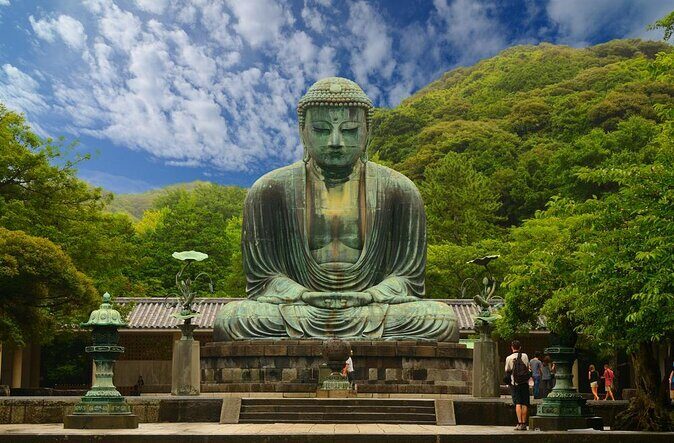
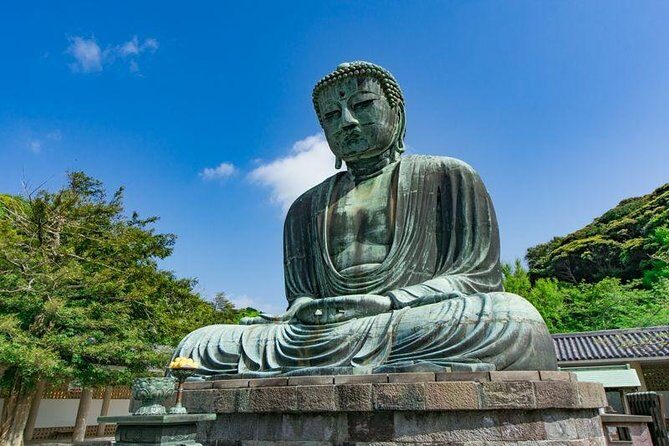
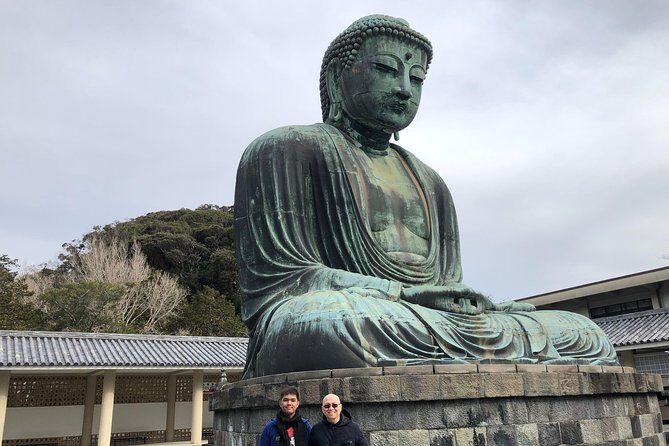
Kotoku-in is home to the Great Buddha of Kamakura, a bronze Amida Buddha statue about 11.4 meters tall. This is one of those places where the size hits you in the moment—especially if you’re standing there long enough to notice the details and the way the grounds frame the statue.
Admission isn’t included for this stop, so if you’re budget-conscious, plan for that cost.
You can also read our reviews of more guided tours in Yokohama


Hasedera gives you views plus sculpture drama
Hasedera Temple is known for its eleven-headed statue of Kannon, a goddess of mercy. The statue is described as 9.18 meters tall and gilded wood, which is exactly the kind of detail that’s hard to appreciate from a distance. The temple is also famous for ocean views from a high point, and there’s even a tradition mentioned for wishing on an oyster shell—the kind of small cultural touch you tend to miss on your own.
Admission isn’t included here, so again, your total ticket cost depends on which stops you choose.
Hokoku-ji bamboo grove for a quieter, photo-friendly detour
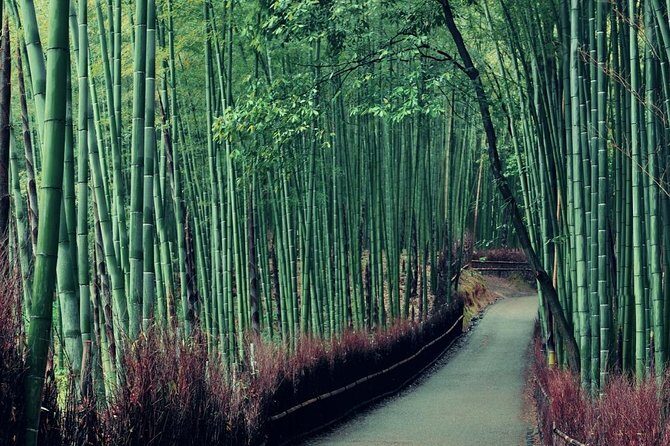
Hokoku-ji is especially known for a small bamboo grove behind the main hall, with over 2,000 dark green stalks. If you want something atmospheric rather than monumental, this is the stop. Admission isn’t included, but it’s the kind of place that rewards slow walking and pausing for photos.
The Zen temples: Engaku-ji and Kencho-ji for that calm intensity
If you like Zen architecture and gardens, the tour menu includes major Zen temples like Engaku-ji (one of the leading Zen temples in eastern Japan) and Kencho-ji (the number one of Kamakura’s five great Zen temples). These are not just pretty buildings; they’re part of the region’s identity as a center of Zen practice.
Admission isn’t included for these stops. Still, if your goal is to experience Kamakura beyond the headline sites, these often become the most memorable parts of the day—especially when your guide explains what you’re looking at.
Enoshima Island for sea air and a change of pace
Enoshima is a short train ride west of Kamakura and is connected by bridge. It’s described as a touristy island with shrines and attractions. Admission is free for this stop in the tour’s outline, which helps.
If your ideal day includes coastal air and a break from temple pacing, Enoshima is a smart choice. And if the weather is good, this is one of the easiest ways to make the day feel like more than just “more temples.”
Zeniarai Benten: wash your money and make a wish
Zeniarai Benten Shrine is known for people visiting to wash their money—with the spring linked to good luck. The tour notes that it’s free admission here, which makes it a fun stop even if you only have a small amount of time.
Meigetsuin hydrangeas for a seasonal mood
Meigetsuin Temple is also called Hydrangea Temple, tied to abundant hydrangea blooms on the grounds. If your trip lines up with flowering season, you’ll likely get a major visual payoff. Admission isn’t included, so factor that into your budget.
The Nichiren temple options for a different Buddhist flavor
Ankokuronji and Myohonji are listed as Nichiren sect temples in the hills. Jomyo-ji, Zuisen-ji, Jochiji, Tokeiji, Jufukuji, and Eishoji round out the offerings as Zen or related branch temples. If your interest is more about specific Buddhist traditions than about gardens alone, these can be a strong fit.
How each stop becomes more than a photo op
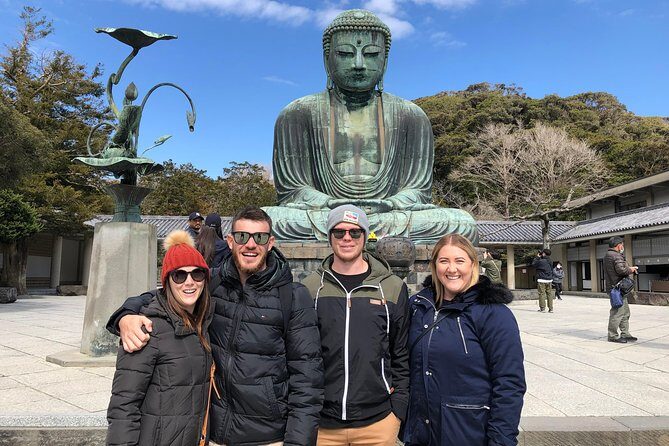
A private guide changes how you move through temples. You’re not just arriving and leaving; you’re learning what to notice.
In past experiences, guides like Shinji and Masa have stood out for explaining the day as you go—especially how to use trains, buses, and subway connections without stress. Others, including Takako, Koba, Sam, and Noripy, have been praised for English clarity and for adjusting the plan so the pacing matched real walking ability.
That matters because in Kamakura, the difference between enjoying a place and merely passing it is often time. A good guide builds in the human parts:
- a moment to read and look
- time to shop on the way
- room for slow photos
- a plan B if you need more or less time at a stop
Don’t skip the “between stops” moments
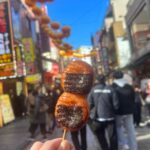
The tour overview includes the old Komachi shopping street and a chance to try Hatosabure, the dove-shaped biscuit. This is exactly the kind of food stop that makes a temple day feel like a day you lived, not a museum circuit.
If you choose a route that includes hillside temples, you’ll likely have less time at busy shopping areas. If you really want that snack-and-stroll energy, tell your guide upfront.
Value and price: what $155.22 buys you in a day like this
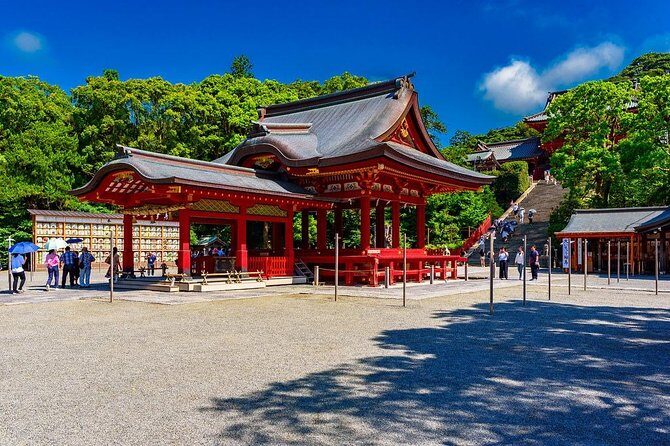
At $155.22 per person for about 6 hours, the value depends on how you’d otherwise handle the logistics. In practice, you’re paying for three things:
- a licensed local English guide
- private routing (so your pace and interests matter)
- transportation time accounted for, rather than wasting half your day getting oriented
Entrance fees and lunch aren’t included. That means your true cost will rise if you pick multiple paid temples. But even then, you’re usually buying less stress. Several guide stories emphasize how visitors felt calm using public transit—no guessing, no wrong turns, no last-minute panic.
If you’re traveling as a small group, this type of private tour can be cost-competitive with booking separate help or stacking multiple self-guided transit trips.
What to expect on the ground: guides, pace, and photo moments
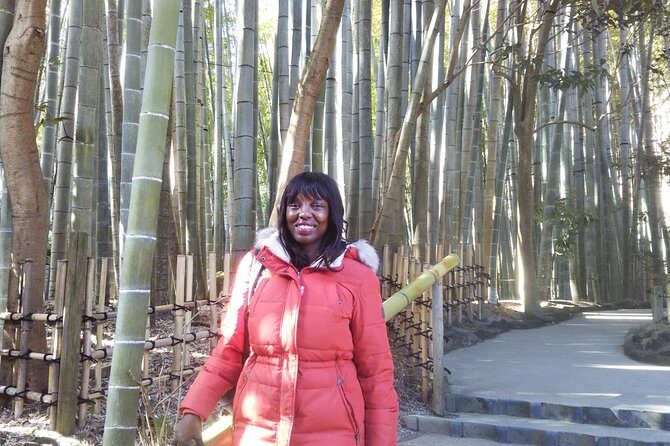
Past groups singled out that the guides are professional and courteous, with explanations that make the sites easier to connect. Names that came up include Shinji, Masa, Takako, Koba, Sam, Noripy, Hiro, and Kenzo.
The strongest common thread: they keep the day working even when conditions aren’t perfect. One group noted sunny weather after several rainy days, which is the kind of reminder that Japan’s coastal and hillside spots can be mood-makers when the clouds break. Another mentioned that the guide helped someone in their late 80s manage walking, showing how much the route planning can adapt.
If you care about photos, you’ll probably appreciate that a guide helps you time arrivals. That doesn’t mean you’ll control crowds entirely, but it does make it easier to find a good moment to take photos without rushing.
What’s not included (so you can plan your budget fast)
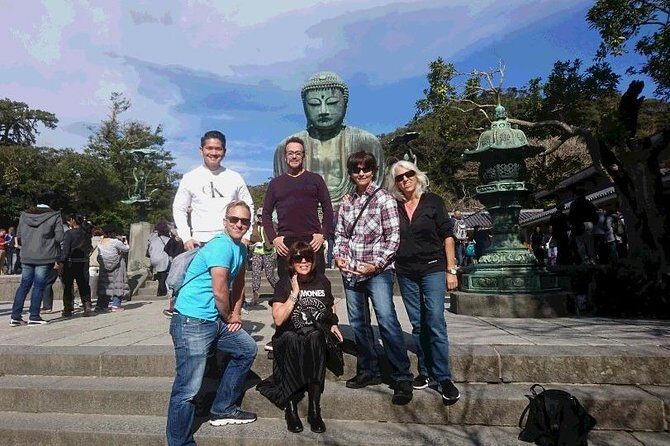
From the tour details, plan for these extras:
- Transportation fees (your transit fares are not included)
- Entrance fees (some stops are free, others are not included)
- Lunch and other personal spending
- Private vehicle is not part of this tour
A useful way to think about this: the more you pick paid temples and indoor-heavy sites, the more your entrance total rises. The menu includes free admission options like Tsurugaoka Hachimangu Shrine, Enoshima, and Zeniarai Benten Shrine, while other major sites like the Great Buddha and several Zen temples list admission as not included.
Who should book this Kamakura private walking tour
This is a great fit if:
- you want a private day with a licensed English guide
- you’d rather use trains and buses with help than navigate solo
- you want 3 to 4 stops you can actually enjoy at a human pace
- you like history tied to what you can see in front of you (samurai-era shrine culture, Zen temple meaning)
It may feel less ideal if:
- you dislike walking for long stretches
- you want a “drive-through” sightseeing style
- you don’t want to handle transit fares or entrance tickets on your own
Should you book? My take
I’d book this tour if your top goal is a stress-free Kamakura day where the route makes sense and the sites connect through explanations you can hear while you walk. The private format and the guide-led public transport routing are the big reasons this feels worth the money.
I would hesitate only if you’re determined to do a lot of paid indoor stops and you hate thinking about ticket costs ahead of time. If you’re flexible about how many paid temples you pick, you’ll get a day that feels both efficient and personal.
FAQ
How long is the Kamakura private walking tour?
It lasts about 6 hours.
How many sights will we visit?
You can customize the tour to see 3 to 4 sights.
Is the tour private or shared?
It’s private, so only your group participates.
Is the tour walking only, or does it include trains and buses?
It’s a walking/public transport tour. Transportation time is included in the 6 hours.
Do we need to pay for temple or shrine entrances?
Entrance fees are not included. Some listed stops are free, while others are not.
Is pickup included?
Pickup is offered, and you meet your guide on foot within a designated Kamakura/Yokohama area.
Does the price include transportation fares and lunch?
No. Transportation fees and lunch are not included.
Can the guide customize the route?
Yes. After booking, your guide reaches out to tailor your trip, and you choose 3 to 4 sites.
Is there a mobile ticket?
Yes, the tour uses a mobile ticket.
What is the cancellation policy?
You can cancel for free up to 24 hours in advance for a full refund.