REVIEW · YOKOHAMA
Yokohama Ramen Adventure From a Local Noodle Factory to Home
Book on Viator →Operated by Akiko · Bookable on Viator
Ramen starts at the flour. This Yokohama noodle adventure turns you from spectator into cook, beginning at a small family-run factory where you shape your own noodles, then ending at Akiko’s home for a full meal and a sparkling plum sake toast. I love the hands-on noodle choices that affect the feel of your ramen, and I love the warm, home-style cooking pace that feels more like being welcomed than being processed. One catch: there are two Toy Poodles in the house, so dog allergies are a real consideration.
You’re in a small group, with a maximum of 5 people, and the timing works well for a relaxed dinner plan. The experience runs about 5 hours and meets at Kikuna Station at 4:00 pm, finishing back where you started.
Plan on learning and cooking at the same time. You’ll make a full menu—salad with crispy sardines and tofu, handmade gyoza, ramen topped with tender chashu and a soft-boiled egg, plus a matcha dessert—while pescatarian, vegan, and vegetarian options are available if you request them at least 3 days ahead.
In This Review
- Key highlights you’ll feel right away
- A 4 pm start that makes sense for ramen dinner plans
- The historic noodle factory: where your hands learn the craft
- Choosing noodle doughs and cutting blades (and why it matters)
- The Akiko home dinner menu: more than ramen, built into a full meal
- Dietary needs and the Toy Poodle factor you should not ignore
- Price and value: $165.13 for noodles, lessons, and a full dinner
- Who should book this Yokohama ramen adventure
- The quick decision: should you book?
- FAQ
- What time does the Yokohama ramen adventure start?
- How long is the experience?
- Where is the meeting point?
- How big is the group?
- What’s included in the dinner?
- Is there an alcohol-free option?
- Can you accommodate vegetarian, vegan, or pescatarian diets?
- Are there pets at the home?
- Do I need my own transportation?
- Will I get a mobile ticket and when will I receive confirmation?
- What’s the cancellation policy?
Key highlights you’ll feel right away
- Custom noodles, built by your choices: you pick doughs and cutting blades to match how you want your ramen to taste and feel
- Three generations of noodle-making expertise: you learn the history and technique from a family that’s kept the craft going
- A real home dinner, not a demo: you cook multiple dishes and sit down together afterward
- Plum sake toast before you eat: a celebratory drink sets the mood, with non-alcoholic options too
- Pre-prepared chashu means less stress: the tough prep is handled so you can focus on the rest of the meal
A 4 pm start that makes sense for ramen dinner plans
This experience is scheduled like a proper dinner evening. Starting at 4:00 pm, you’re not rushing from lunch to a cooking class; instead, you’re building toward a meal you’ll actually eat while it’s still fresh and fun.
The meeting point is at Kikuna Station (7-chōme-1-1 Kikuna, Kohoku Ward, Yokohama). Since the activity ends back at the same meeting spot, you won’t lose time figuring out how to get home after your hands are sticky from making dumpling wrappers and noodles.
I also like that the pace is built around two distinct settings: first a noodle factory, then a Japanese home kitchen. That split matters. You learn the craft in one place, then you apply it in another, and the night flows like a story instead of a single long workshop.
The group is kept small (maximum 5 travelers), so you can ask questions when they pop up—like why one noodle type behaves one way in broth, or how knife choices change the final texture. If you prefer quiet, guided instruction over a crowded class, this format fits well.
You can also read our reviews of more tours and experiences in Yokohama.



The historic noodle factory: where your hands learn the craft
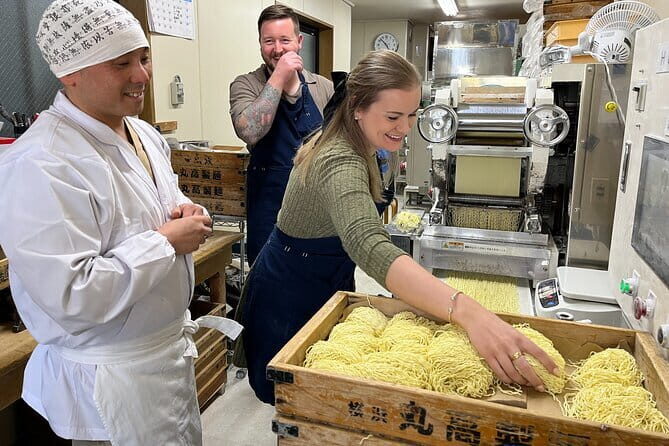
The first stop is a small, family-run ramen noodle factory in Yokohama with three generations of know-how behind it. You’ll meet the host connected to the family and her brother Taka, and you’ll learn how ramen noodles are made as a craft, not just as a recipe.
What I’d call the “real value” here is that you don’t just watch. You learn the history and techniques of ramen noodles, then you make your own noodle selection by choosing from different doughs and cutting blades. That means the tour teaches the why behind the steps, and the hands-on part gives you something practical to take home.
In practical terms, the factory portion sets you up for better tasting later. If you understand what changes the dough and cutting process create, the ramen you make at home doesn’t feel like an edible mystery. It feels like something you can reason about, even if you’re not a noodle engineer.
A final detail I appreciate: the family angle. This isn’t a generic cooking school. It’s clearly built around the family’s ongoing craft, and the explanation style tends to be personal and careful. You should expect questions to be welcomed, especially if you’re the kind of person who notices texture and mouthfeel.
Choosing noodle doughs and cutting blades (and why it matters)
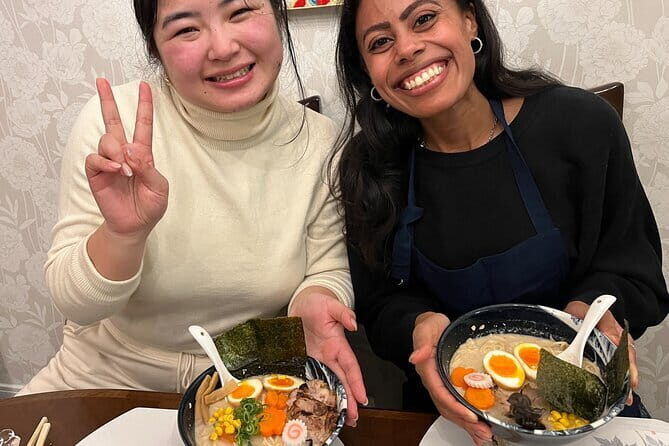
This is the moment that makes the whole experience more than a meal. You’ll craft a custom noodle by selecting from various doughs and cutting blades, and you’ll learn that those choices shape both flavor and texture.
Even without getting overly technical, you can think of it like this: noodles aren’t all the same. The dough selection can change how the noodle carries broth and how it eats. The cutting blade choice affects thickness and shape, which changes how the noodle cooks and how it feels when you bite into it.
I like that the experience frames this as customization. You’re not locked into a single noodle style. You’re making decisions based on your taste preferences, and you’ll get explanations along the way so your choices make sense.
One practical tip if you’re trying to match your expectations: go in ready to describe what you like. If you prefer springier noodles, a thicker bite, or a more delicate chew, say so during the factory portion. The experience is built around that conversation style.
Also, don’t overthink it. You’re going to eat the results, learn from the process, and adjust your understanding based on what you notice in your own bowl at the end of the night.
The Akiko home dinner menu: more than ramen, built into a full meal
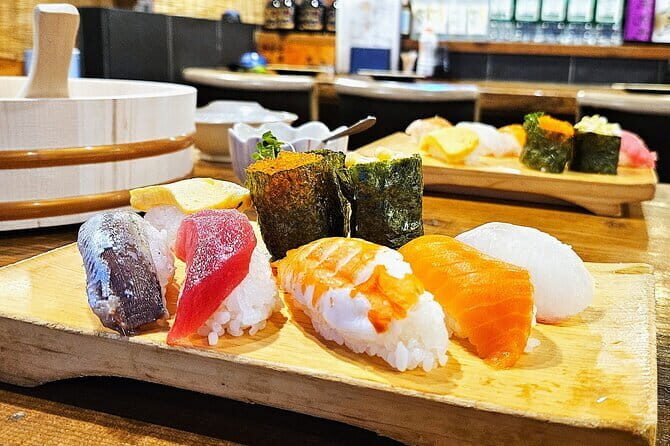
After the factory, you head to a welcoming Japanese home for a hands-on cooking session. This part is where the experience turns personal and relaxed. You’re not just learning ramen; you’re cooking a complete dinner and sharing it around the table.
Here’s what’s on the menu based on what you’ll prepare and enjoy:
- A salad with crispy sardines and tofu
- Handmade gyoza
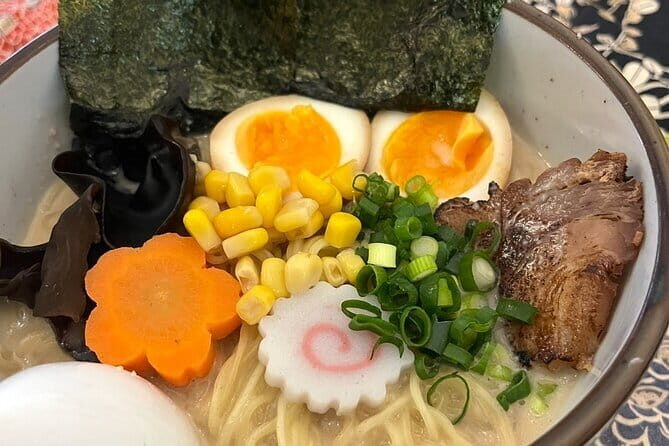
- Ramen topped with tender chashu and a soft-boiled egg
- A matcha dessert
One smart design choice: the chashu is pre-prepared. That matters because it removes one major source of stress in a home-cooking scenario. You can focus on the parts you can control and learn—like gyoza shaping, ramen finishing, and the timing of how everything hits the table.
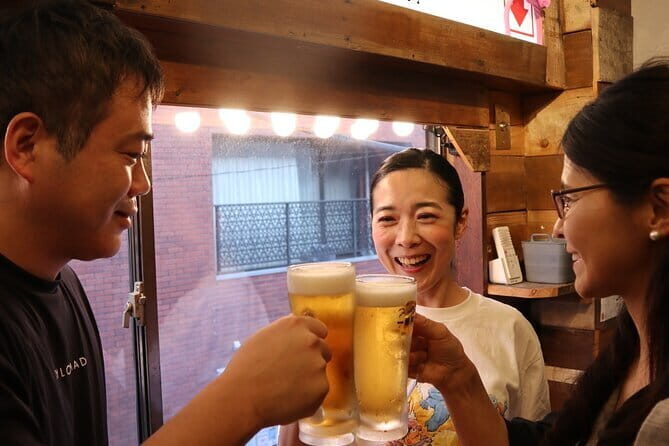
Before you eat, there’s a toast: a glass of sparkling plum sake is served. If you’d rather not drink alcohol, you’ll have a non-alcoholic option for the toast.
What you’re really buying with this home dinner setup is context. Factory skills are useful, but the home meal shows you how ramen fits into everyday Japanese cooking rhythm: multiple items, shared table energy, and flavors that balance salty, rich, and sweet.
If you’re a solo traveler, this is also a good moment to meet people without awkwardness. A small group plus a shared meal naturally creates conversation.
Dietary needs and the Toy Poodle factor you should not ignore
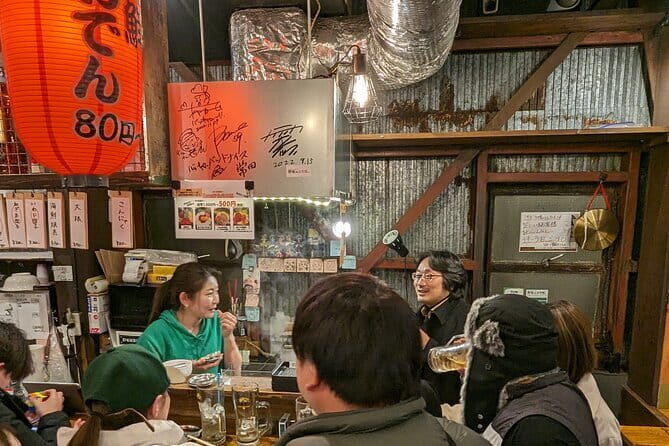
This experience can work for several diets, but you need to plan ahead. Pescatarian, vegan, and vegetarian options are available, and you have to inform the provider at least 3 days in advance. That lead time helps the host plan ingredients and adjust the menu thoughtfully.
The menu includes items that may not automatically fit every diet—like sardines and animal-based components—so the notice requirement is important. If you eat a specific way for health or ethics, message clearly when you book what you want to avoid and what you can eat.
Now the other reality check: the home has two Toy Poodles. The experience notes it may not be suitable for people with dog allergies. Even if you like dogs, consider the allergy issue seriously. A small home plus pets means there’s no way to guarantee a dog-free space.
If you’re allergy-prone, ask yourself one question: can you handle being in a home with dogs for about 5 hours? If the answer is no, this is the kind of tour you should skip and find a different ramen experience without that variable.
On the positive side, the host’s approach sounds tailored and friendly. The experience is designed to adapt to different dietary needs when you plan in advance.



Price and value: $165.13 for noodles, lessons, and a full dinner
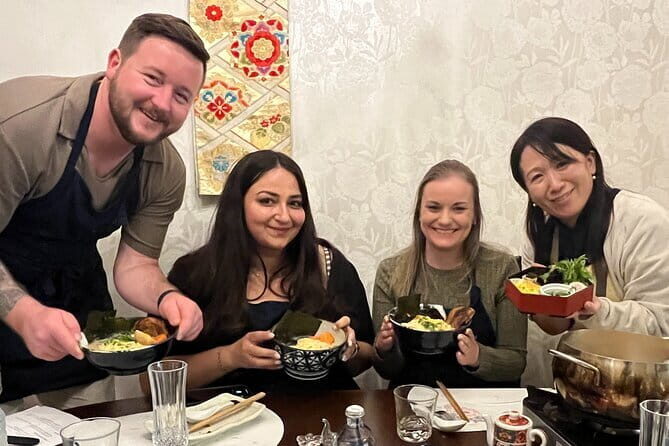
At $165.13 per person, you’re paying for more than ingredients. You’re paying for access: entry into a local noodle factory, guided instruction from people who make noodles as a craft, and a home meal where you cook and eat with the family’s help.
It’s also a small-group setup. Maximum 5 travelers means you’re less likely to get rushed, ignored, or stuck waiting while others go through the steps. That matters in hands-on cooking experiences, where timing and attention are everything.
What’s included is another big part of the value equation. You get:
- Dinner
- A toast with a glass of sparkling plum sake (or a non-alcoholic drink)
- Bottled water
You don’t get private transportation or hotel pickup, so you’ll want to plan your own way to Kikuna Station. But once you’re there, most of the experience is covered: instruction, cooking time, and the meal itself.
When I judge value for tours like this, I look at the mix of skills and setting. Here you’re not just learning a single recipe. You’re learning noodle-making choices at a factory and then cooking multiple dishes in a home kitchen. That combination usually costs more if you try to recreate it across separate classes.
If you want ramen that tastes like a story you understand, this is the right price bracket.
Who should book this Yokohama ramen adventure
I’d steer you toward this experience if you’re one of these types:
- You love ramen and want to understand how noodle texture changes with craft choices
- You like cooking, but you want guidance that feels personal and low-pressure
- You’re traveling with friends or a partner and want a shared activity with a dinner payoff
- You’re coming to Yokohama and want something that feels local, not just another tasting tour
It also works for families, based on the experience’s small-group format and the way it’s set up to teach step-by-step.
If you’re not into hands-on food work—if you want only a passive experience—this might feel too active. This is a you-make-it tour: you’ll be cutting, shaping, cooking, and eating what you helped create.
And if dog allergies apply, take the Toy Poodle note seriously. That one factor can outweigh everything else.
The quick decision: should you book?
Book it if you want your ramen trip to feel hands-on and grounded: factory craft first, home dinner next, plus a small group and a menu that goes beyond one bowl. The $165.13 price starts to make sense when you consider that you’re paying for instruction, access, and a full meal in a private home setting.
Skip it if dog allergies are a deal-breaker, or if you’re looking for a purely observational tour. Also, if you have dietary restrictions, don’t wait—reach out at least 3 days in advance so the host can prepare appropriately.
In short: if your idea of fun is learning how ramen is made and then eating it in the same evening, this Yokohama outing is a strong choice.
FAQ
What time does the Yokohama ramen adventure start?
It starts at 4:00 pm.
How long is the experience?
It lasts about 5 hours.
Where is the meeting point?
You meet at Kikuna Station (7-chōme-1-1 Kikuna, Kohoku Ward, Yokohama, Kanagawa 222-0011, Japan). The experience ends back at the meeting point.
How big is the group?
It’s a small group with a maximum of 5 travelers.
What’s included in the dinner?
Dinner is included, along with a glass of sparkling plum sake served as a toast before the meal, plus bottled water.
Is there an alcohol-free option?
Yes. You can choose a non-alcoholic drink instead of the sparkling plum sake toast.
Can you accommodate vegetarian, vegan, or pescatarian diets?
Yes. Pescatarian, vegan, and vegetarian options are available, but you must inform the provider at least 3 days in advance.
Are there pets at the home?
There are two Toy Poodles in the house, so it may not be suitable if you have dog allergies.
Do I need my own transportation?
Private transportation and hotel pickups are not included, so you’ll need to get to the meeting point yourself.
Will I get a mobile ticket and when will I receive confirmation?
The tour uses a mobile ticket. Confirmation is received within 48 hours of booking, subject to availability.
What’s the cancellation policy?
You can cancel for a full refund up to 24 hours before the experience starts. If you cancel less than 24 hours in advance, the amount paid is not refunded.