REVIEW · KYOTO
Nishiki Market Food Tour with Cooking Class
Book on GetYourGuide →Operated by Cooking Sun · Bookable on GetYourGuide
If you’ve ever stared at a Japanese market menu and felt lost, this tour fixes that fast. You’ll walk Nishiki Market with an English-speaking local guide like Chie, then cook your own donburi bowl using ingredients you buy during the tour. It’s a practical mix of food education and hands-on cooking that fits a 150-minute schedule.
I especially like how the market part is guided, so you learn what to look for, what to skip, and what local shoppers actually care about. I also like that you can choose between three donburi styles, then take home the recipe and confidence to make it again. One thing to consider: if you want lots of extra shopping and extra sampling beyond what’s planned, you may find the market time and tasting breaks a bit more structured than you’d hoped.
In This Review
- Key Points to Know Before You Go
- How the 150-Minute Plan Works From Nishiki’s Western Entrance
- Nishiki Market With an English Local Guide: What You Actually Get
- Etiquette and Practical Market Rules (The Stuff You Don’t Learn Anywhere Else)
- Pickles and Taste Samples: Quick Bites With Real Meaning
- Donburi Cooking Class: Choosing Your Bowl and Making It Yours
- What the Cooking Teaches You
- Sake Tasting and How Optional Stops Fit In
- Private Group Pace: Substitutions, Kids, and Real Questions
- Price and Value: Is $109 Fair for This Combo?
- What Could Be a Letdown (and How to Plan Around It)
- Who This Nishiki Market Donburi Tour Suits Best
- Should You Book This Nishiki Market Food Tour and Cooking Class?
- FAQ
- Where is the tour meeting point?
- How long is the experience?
- What language is the instructor/tour guide?
- What donburi options can you cook?
- Is sake tasting included?
- What is included in the price?
Key Points to Know Before You Go
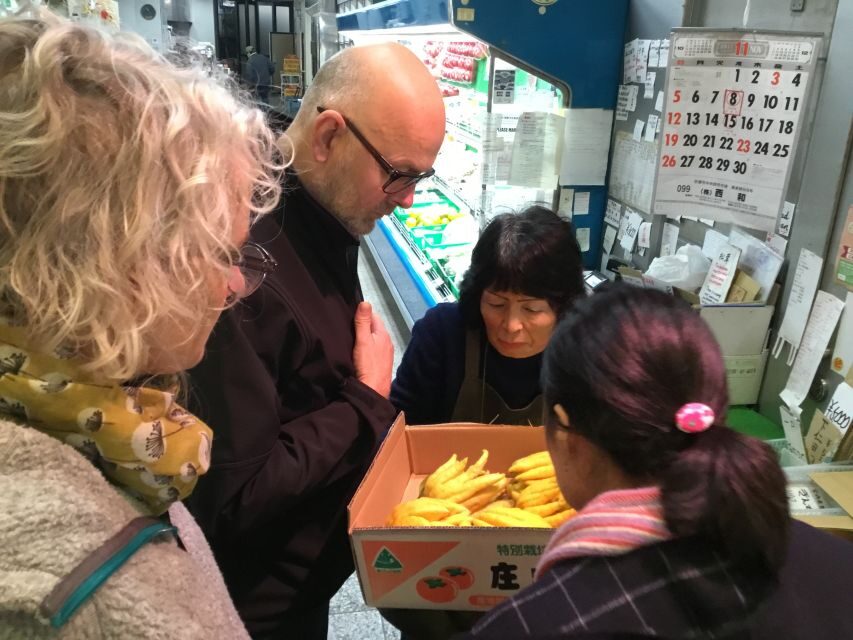
- English guide who handles translations in-store, so questions don’t stall out
- Cook-and-eat your own donburi using market ingredients (ingredient cost included)
- Three donburi choices: Kaisen-don, Ten-don, or Oyako-don
- Optional sake tasting of three types, plus free Japanese pickle samples
- Private group pace, with room for substitutions like tofu instead of chicken
- Taxi included from the market to the cooking studio, so you’re not hauling gear
How the 150-Minute Plan Works From Nishiki’s Western Entrance
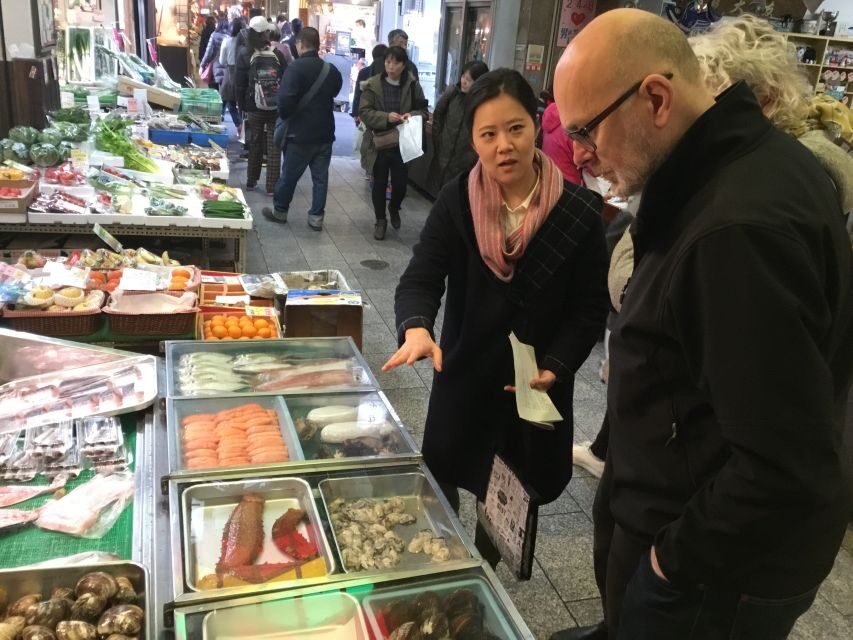
The tour starts at the western entrance of Nishiki Market, which is the kind of detail that matters in a crowded place. You’ll get a quick briefing, then you’re off with your guide.
You should plan on two main blocks. First is about 1 hour in the market, where you’ll focus on the foods and stalls your guide points out. Second is about 1 hour to cook and eat your donburi in a nearby studio kitchen.
Even though you’re only in the market for an hour, it can feel longer in a good way because you’ll stop often. The point isn’t to rush every stall; it’s to learn how to read the market, what’s worth tasting now, and what will still make sense later if you want to return on your own.
At the end, you’re not left stranded or forced to figure out transport. The tour includes the taxi ride from the market to the cooking studio, which keeps the day smooth.
You can also read our reviews of more food & drink experiences in Kyoto
Nishiki Market With an English Local Guide: What You Actually Get
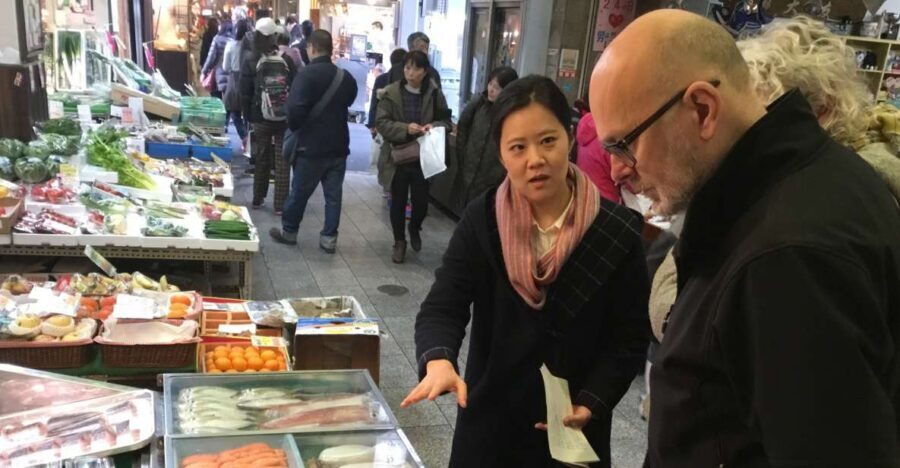
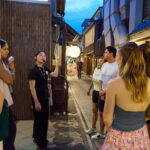
Nishiki Market is famous, and it can also be overwhelming. That’s why I love doing it with a fluent English local guide rather than trying to guess your way through.
A good guide helps you spot differences that tourists often miss. In past tours, guides have pointed out how some stalls are more original, while others cater mainly to visitors. That gives you a better sense of where the market’s specialties likely come from, not just what’s easiest to photograph.
You’ll also get a chance to ask questions as you go. The tour is designed so your guide can translate for shop staff, which matters when you’re looking at unfamiliar ingredients, Japanese names, or odd-looking cooking components. One reviewer specifically noted that the guide helped explain things you might not see on your own, and that some shop staff were able to answer through the guide.
Etiquette and Practical Market Rules (The Stuff You Don’t Learn Anywhere Else)
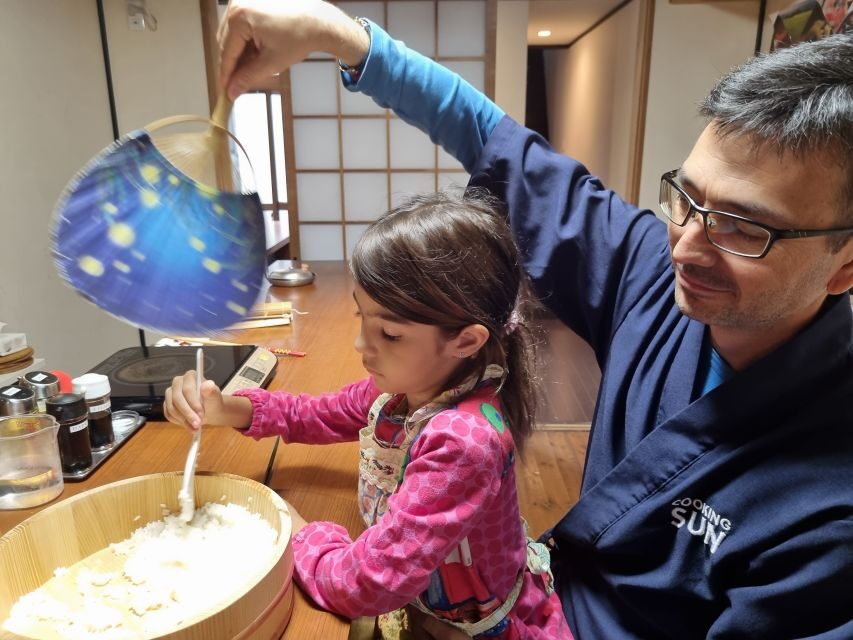
One small detail can save you from an awkward moment: market etiquette around eating. For example, you generally can’t just snack while walking. In one tour experience, the guide explained the rule so you knew when and where eating is appropriate. That’s the kind of practical knowledge you don’t get from a generic walking tour.
This also affects how you plan your photos and your appetite. You might think you’ll constantly taste as you walk. Instead, the tour builds tastings into specific stops, so you learn what something is supposed to taste like before you try to match it later.
Pickles and Taste Samples: Quick Bites With Real Meaning
You’ll get free Japanese pickle tastings during the tour. These aren’t just filler snacks. They’re a fast way to understand how Japanese flavors work—salty, tangy, and sometimes spicy-sweet—so later, sauces and toppings in your donburi make more sense.
You may also do other small samples as part of the guided shopping. In past experiences, guides have picked up Japanese side items for tasting alongside meal ingredients, and they’ve accommodated requests when people asked to swap one protein for another.
Donburi Cooking Class: Choosing Your Bowl and Making It Yours
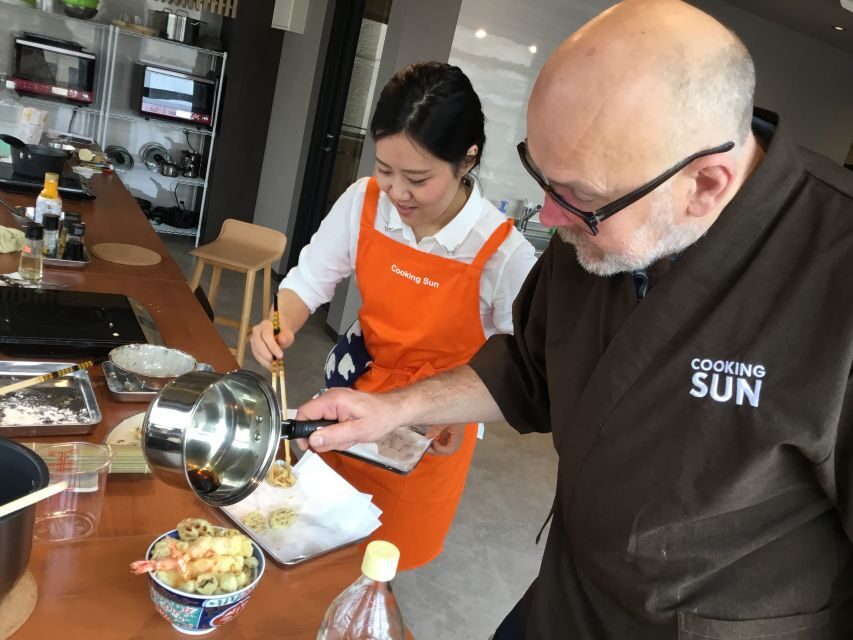
The heart of the tour is cooking your own donburi bowl. After the market, you head to the cooking studio kitchen where you’ll prepare and eat.
You get three choices:
- Kaisen-don (seafood bowl)
- Ten-don (tempura bowl)
- Oyako-don (chicken and egg bowl)
Ingredients for your selected bowl are included. That’s a big part of the value here. You’re not just paying for a cooking show—you’re paying for ingredients plus instruction, and you’re linking the “where this came from” story with the “how it tastes” result on your plate.
Your guide and instructor also provide a recipe, so the class doesn’t disappear the moment you wash your hands. One common theme in the feedback is that people left knowing how to make basics like dashi and other dishes they later recreated at home.
A few more Kyoto tours and experiences worth a look

What the Cooking Teaches You
The cooking isn’t only about getting food on the table. In past classes, instructors emphasized things like:
- how to combine ingredients and build flavor step by step
- how sauces work and how to use them
- presentation, like getting the bowl to look right, not just taste right
If you enjoy cooking, this is especially satisfying because you’ll get repeatable methods, not just a one-time meal.
Sake Tasting and How Optional Stops Fit In
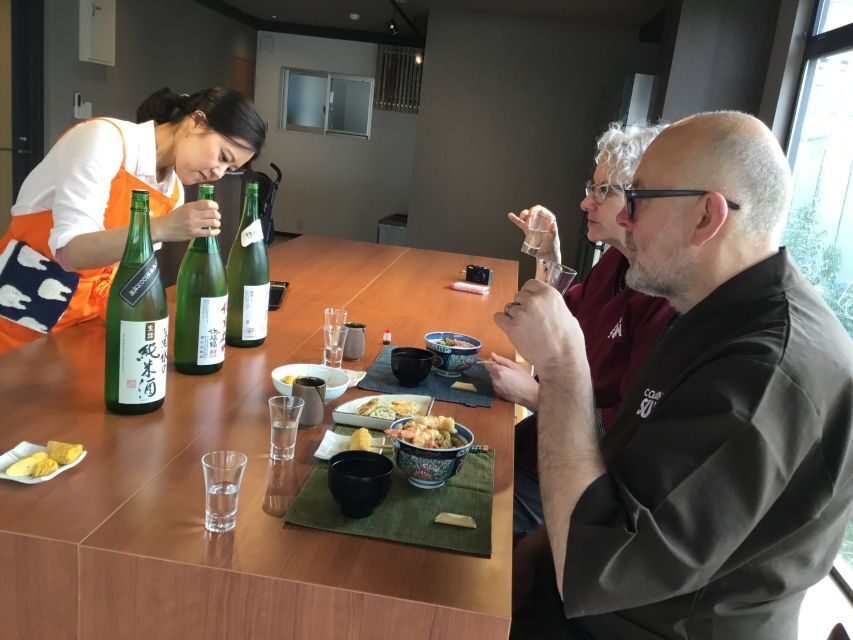
There’s an optional sake tasting component where you can try three different types of sake. It’s not required, so you can decide based on your comfort level and your day’s plans.
This matters because sake pairs with food in a way you’ll actually understand once you’ve tasted it near the cooking context. Even if you skip it, the tour still gives you enough food framework—pickles, sides, sauces, and protein choices—that your meal doesn’t feel random.
Private Group Pace: Substitutions, Kids, and Real Questions
This is a private group experience, which changes the tone. You aren’t competing for attention with a dozen strangers, and you don’t have to accept a fixed pace.
That showed up in a few practical ways:
- substitutions are possible, like swapping chicken for tofu in an oyako-don style request
- the guide helps with questions at the market and keeps things moving without rushing you
- families have found it workable, including with kids who stayed interested during cooking
One reviewer even described cooking as starting shortly after arriving at the kitchen studio, which helps if you’re trying to avoid a long wait after the market.
Price and Value: Is $109 Fair for This Combo?
At $109 per person for 150 minutes, you’re paying for more than “a class.” You’re buying four things that are hard to replicate on your own:
- an English local guide who manages the market experience
- included ingredients for your donburi bowl
- a cooking studio kitchen setup plus instruction
- the taxi between the market and the studio, so you’re not losing time and energy
If you tried to do this DIY, you’d still face translation friction in the market, you’d need to hunt down the right ingredients, and you’d still have to figure out how to cook without guidance. Here, the tour stitches it together: market choice → cooking method → finished bowl.
You do get one more subtle value: you’ll learn what to buy and how to cook it, which can make your next trip to Japan cheaper and simpler. Several guests mentioned leaving with techniques they use again at home.
What Could Be a Letdown (and How to Plan Around It)
This tour scores high overall, but no food experience is perfect for every palate.
A couple of considerations came up:
- Market time can feel structured. If you want extra explaining or more sampling than the planned tastings and stops, you might wish you had a bit more room to wander and experiment.
- Ingredient quality can vary by choice. One comment mentioned that a fatty tuna ingredient wasn’t great, which is a reminder that seafood and protein quality can be a factor.
- Extra shopping expectations aren’t always crystal clear. One piece of feedback suggested it should be clearer whether you’re expected to shop for personal items during tour time or do that on your own afterward.
You can solve most of this by going in with the right mindset: treat the tour as the guided path to the best market understanding, then do additional independent shopping after you’re done cooking.
Who This Nishiki Market Donburi Tour Suits Best
This is a strong match if you want:
- a guided way to learn Nishiki Market instead of getting stuck in crowds
- hands-on cooking where you actually make your meal
- ingredient-based choices (you pick the bowl style)
- a calm private pace where you can ask questions, including substitutions
It’s also ideal if you’re the type who likes to return home with skills. The recipe handout and the instruction style are meant for repeat cooking, not just a one-day experience.
Should You Book This Nishiki Market Food Tour and Cooking Class?
I’d book it if you like the idea of turning a market visit into a real meal you cook yourself. The biggest strengths are the combination of guided market learning and donburi cooking with included ingredients, plus the option to taste sake and Japanese pickles.
I’d hesitate only if you’re the type who wants maximum free time to roam and shop on your own during the market, with lots of extra tastings. In that case, you might want a more flexible market-only experience and do cooking separately.
If you’re happy with a focused, private plan that ends with a bowl you made, this tour is one of the most practical ways to experience Nishiki Market and Kyoto flavors in one sitting.
FAQ
Where is the tour meeting point?
You meet at the western side entrance of Nishiki Market.
How long is the experience?
The tour lasts 150 minutes.
What language is the instructor/tour guide?
The tour is conducted in English.
What donburi options can you cook?
You can choose from Kaisen-don (seafood), Ten-don (tempura), or Oyako-don (chicken and egg).
Is sake tasting included?
Sake tasting is listed as optional, and it includes 3 different types of sake.
What is included in the price?
Included items are the tour fee, donburi ingredients, recipe, sample tastings, and the taxi cost from the market to the studio.