REVIEW · TOKYO
Private Customizable Walking Tour of Tokyo
Book on Viator →Operated by Hello! Tokyo Tours · Bookable on Viator
Tokyo is a lot on day one. This private custom walk gives you structure without a rigid script. You choose your start time, your pace, and what you care about most, while your guide handles the logic—especially the subway side of things.
I like the hotel meet-up and drop-off because it removes the biggest first-day headache. I also like that it’s truly private, so you’re not squeezed into a one-size-fits-all group rhythm. One thing to consider: it’s still a walking tour, and while many stops are free, public transport costs and optional tower/observation tickets aren’t included.
In This Review
- Key things to know before you go
- Hotel pickup and the subway reality (this is where value lives)
- How the tour gets customized without losing your day
- Start in Shibuya: crossing chaos and Hachiko’s gravity
- Harajuku street style, then a quiet reset at Meiji Jingu
- Shinjuku: neon entertainment and a big-picture Tokyo view
- Asakusa and Senso-ji: old Tokyo in pedestrian form
- Akihabara: anime, games, electronics, and sensory overload
- Marunouchi and Imperial East Gardens: business district meets Edo remnants
- Nihonbashi and Tsukiji: the trade routes and the seafood beat
- Yanaka: the slower Tokyo you only get with time
- Tokyo Skytree, Tokyo Tower, and Shibuya Sky: pick your view and match your mood
- Who this tour suits best (and who might want a different plan)
- Price and value: what you’re actually paying for
- If you book, do this before you leave your hotel
- Should you book this Tokyo walking tour?
- FAQ
- FAQ
- How long is the private walking tour?
- Is this tour private or shared with other people?
- Do I get hotel pickup and drop-off?
- Do I need to pay for subway or train fares?
- Are entrance tickets included for the main attractions?
- Is food included in the price?
- Can kids join for free?
- Is the itinerary completely fixed?
- What happens if the weather is bad?
Key things to know before you go
- Private and customizable: you pick the flow, your guide designs the exact route around your interests
- Hotel pickup/drop-off: big time-saver in a city where transfers can get annoying
- Subway reality check: transportation isn’t included, so you’ll want to plan for a day travel pass
- Mostly free sights: many major stops are ticket-free, with a few observation decks as add-ons
- Flexible day length: choose a half day or full day (about 4 to 8 hours)
- Great for first-timers: you’ll learn how to move through Tokyo, not just what to see
Hotel pickup and the subway reality (this is where value lives)
The best part of this tour is also the most practical: someone meets you at your hotel and helps with the “how do we get there?” problem. Tokyo is easy when you know the subway map. It’s much harder when you don’t, especially if you’re balancing jet lag, luggage, and your first station walk.
Your guide travels with you and you’ll use the subway for getting between areas. Just know this clearly: subway fares are not included, and you’ll be expected to purchase a travel pass for the day. The tour does mention that your guide can help you buy the right pass, which matters because Tokyo ticket types can feel like a pop quiz.
Also, the tour is private but still a walking tour. Think comfortable shoes and sensible breaks. The schedule is flexible, but you’ll cover real city blocks, especially if you go for a full day.
You can also read our reviews of more walking tours in Tokyo
How the tour gets customized without losing your day
This isn’t a fixed itinerary you follow no matter what. You can choose:
- how long you want to tour (half day vs full day)
- where you want to visit
- your start time and pace
Your guide also helps set up logistics and provides context at each stop—mixing modern Tokyo with older layers like Edo-era streets and temple traditions. That’s a good balance: you get stories, but you’re not stuck in a lecture.
If you like planning, you’ll probably enjoy shaping the day around your interests (food, fashion, temples, shopping, neighborhoods, views). If you don’t like planning, that’s also fine. The guide can steer, and having a person translate the city in real time is a major reason this style of tour works well.
One more note: some of the biggest “wow” moments are observation decks (Skytree, Tokyo Tower, Shibuya Sky). Those can often be added on, but tickets are extra—so you can keep the day flexible based on time and budget.
Start in Shibuya: crossing chaos and Hachiko’s gravity
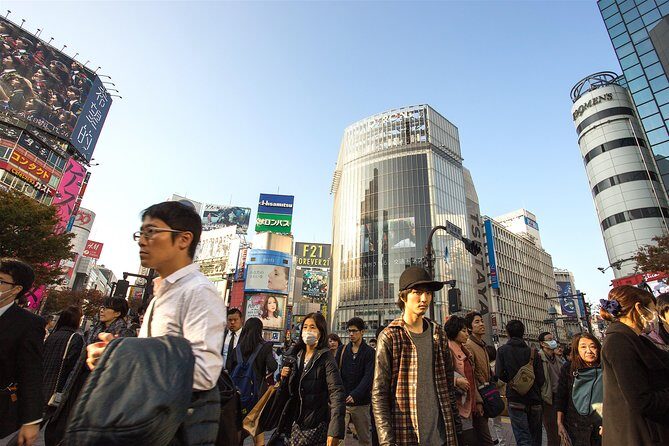
Shibuya is where Tokyo’s modern personality shows up loud and fast. Your day can begin with the energy around Shibuya Crossing—the famous scramble crossing where pedestrians pour in every direction like clockwork that forgot to be calm.
Right nearby, you can also meet the bronze statue of Hachikō, the symbol of loyalty that’s become a meeting-point landmark. Even if you only spend a short time there, it’s a quick, memorable anchor for your Tokyo day.
What to watch for: this area is busy. If you’re prone to getting overwhelmed, go at an off-peak time when possible (your guide can help with timing choices). The payoff is huge: you’re seeing a world-famous Tokyo scene up close, without relying on a grainy video online.
Harajuku street style, then a quiet reset at Meiji Jingu
From Shibuya’s noise, you can slide into Harajuku’s youth fashion lane. It’s right next to Meiji Shrine, and that contrast is part of the point of this tour style: loud street energy, then a green, calm boundary that feels like someone turned down the volume.
In Harajuku, you’ll have time to explore trendy backstreets—street art, quirky fashion, and photo-friendly eats and cafés. This is also a good area for snacks if you want something casual and easy before your next step.
Then you head into Meiji Jingu Shrine, set within a large forested area. The tour format gives you room to slow down: you’re not just taking pictures, you’re learning the basics of Shinto as you walk through the shrine space.
One consideration here: the shrine area can be spiritually and emotionally different from the fashion streets. If you like variety, it’s perfect. If you prefer purely visual sightseeing, you might want to ask your guide for a shorter shrine stop and more time in Harajuku’s streets.
Shinjuku: neon entertainment and a big-picture Tokyo view
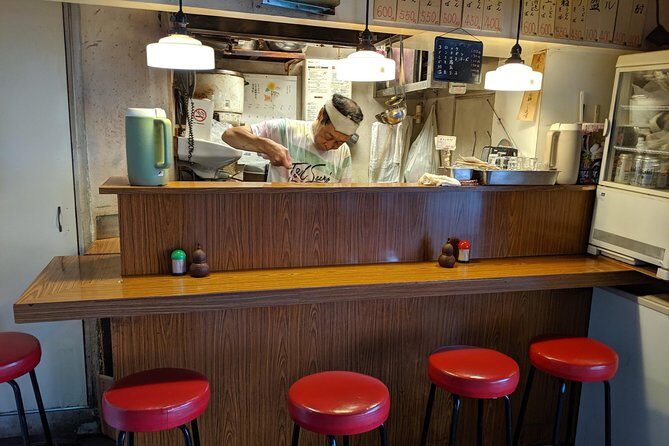
Shinjuku is another Tokyo must, mainly because it’s so tall and so vertical. Your guide can help you soak up the neon, then shift gears to a higher vantage point.
The tour includes time at an observatory on the 45th floor (Tokyo Metropolitan Government Building). Tickets for that stop are described as free within the tour’s plan, which is great value—because it’s one of those views that makes the whole city make sense.
Drawback to consider: Shinjuku can be intense if you dislike crowds or flashing signage. The trick is to treat it like a photo stop plus a view stop, not like an all-day hangout. This tour’s flexible timing helps here.
You can also read our reviews of more private tours in Tokyo



Asakusa and Senso-ji: old Tokyo in pedestrian form
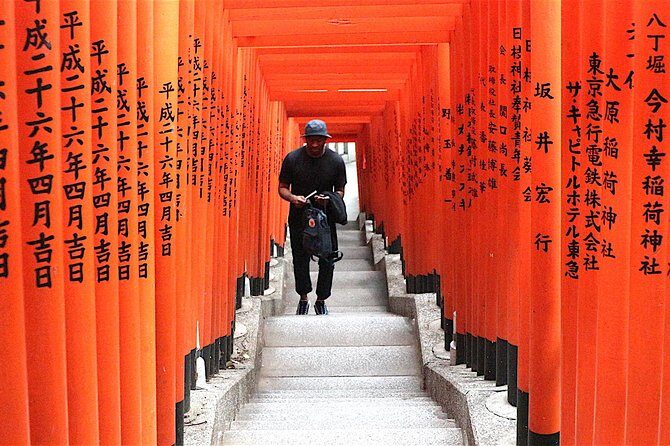
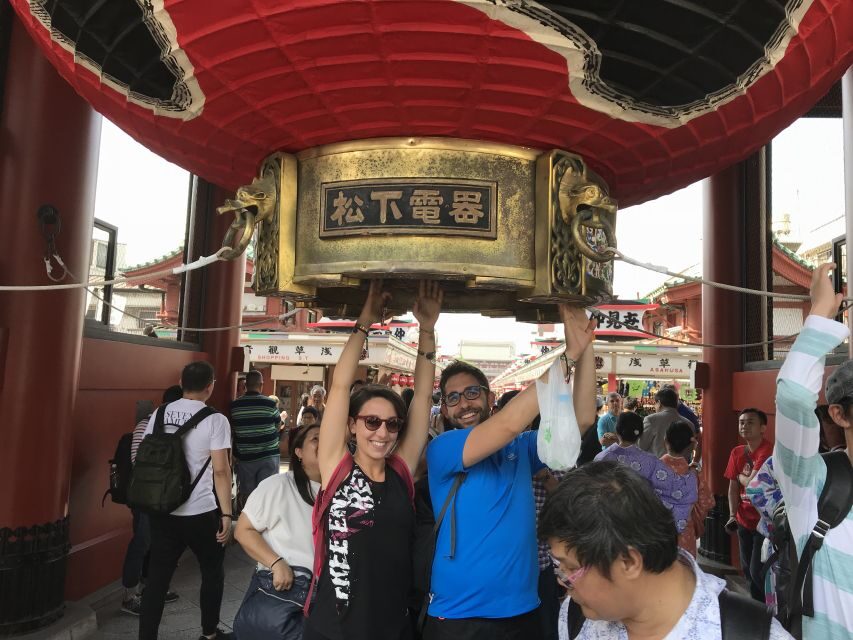
For many people, this is the heart of the cultural side of Tokyo. Asakusa is the historic area with traditional craft shops and the approach streets leading to Senso-ji.
You’ll spend time around Nakamise Shopping Street, which is basically a long, walkable corridor of stalls and snacks on the way to the temple area. If you want souvenirs that feel more local than generic, this is where you can browse without overthinking it.
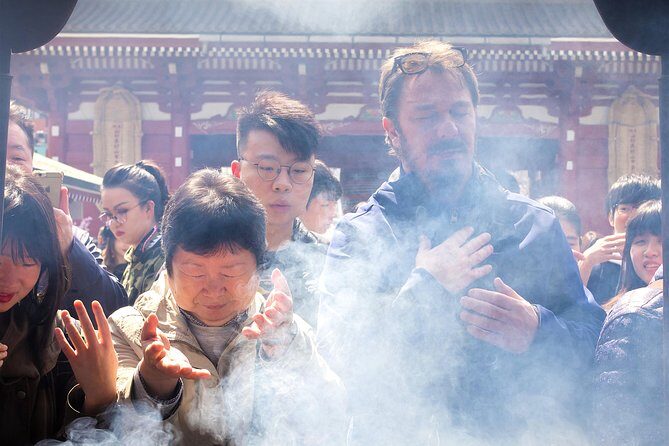
Then you visit Senso-ji, Tokyo’s oldest temple dating back to 628 (as described in the tour plan). This isn’t just about the building. It’s also about the human pace—people come to pray, pose, and wander, and you get a sense of how temple culture sits in the middle of daily city life.
Possible downside: Asakusa-Senso-ji areas can get crowded. The upside is that your guide helps you navigate efficiently so you’re not stuck in the slowest-moving bottleneck.
Akihabara: anime, games, electronics, and sensory overload
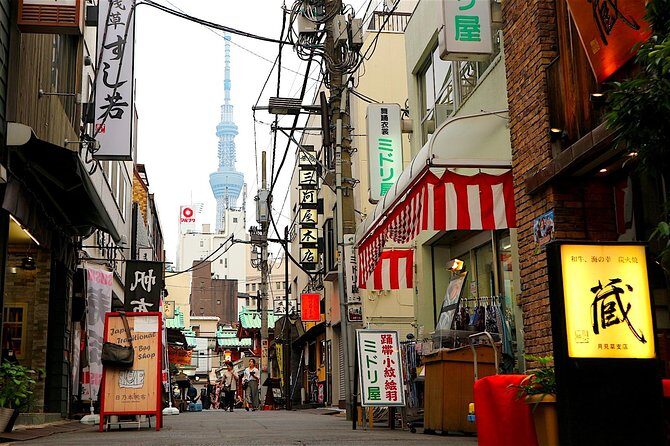
Akihabara is Tokyo’s techy, pop-culture district. If you’re into anime, manga, games, or gadget browsing, it can feel like a playground for adults too.
This stop is short, which is intentional. In about 20 minutes, you’re not trying to shop every store—you’re sampling the vibe, walking past the storefront culture, and choosing one or two shops to focus on.
The main consideration: if you don’t like loud, overly commercial retail zones, Akihabara can feel like sensory overload. Even then, it’s worth a quick look because it’s a real slice of Tokyo’s modern identity, not a museum version.
Marunouchi and Imperial East Gardens: business district meets Edo remnants
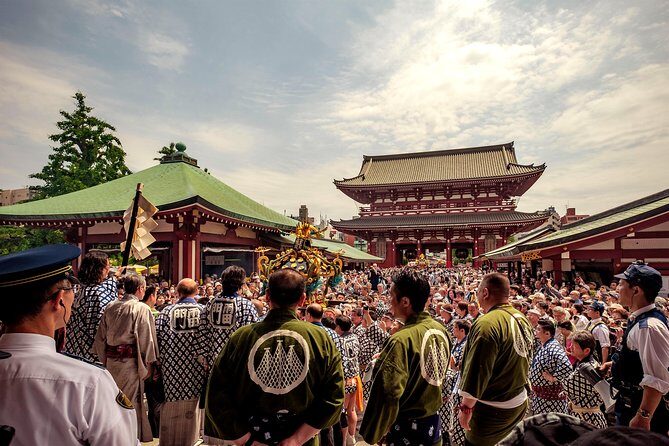
Next comes a calmer, more polished Tokyo. Marunouchi sits around Tokyo Station and the Imperial Palace area, and the vibe shifts from entertainment neon to clean architecture and office-district energy.
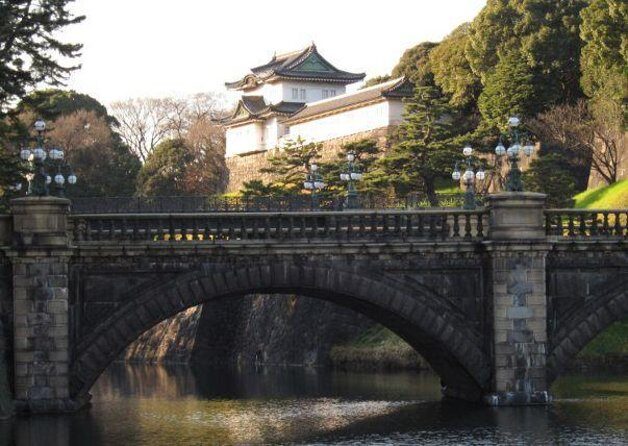
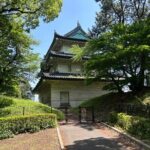
From there, the tour can move into the East Gardens of the Imperial Palace, including the remnants of Edo Castle ruins like moat walls. This is a great pairing because you’re seeing modern Tokyo’s order and design right next to older boundaries.
What makes this stop valuable: it’s a chance to connect Tokyo’s present layout with older layers. You’ll understand the city better when you can visually trace where power and planning used to sit.
If you hate walking in parks, you might want to keep this section to the minimum time. If you like wandering, it’s one of the more soothing parts of the day.
Nihonbashi and Tsukiji: the trade routes and the seafood beat
Nihonbashi is tied to the old center of commerce from the Edo period (1603 to 1868). Even if you’re not a deep history person, it’s still a useful stop because it helps you see Tokyo as a trading city, not only a nightlife city.
The tour also includes Tsukiji Fish Market, with the key idea that the original inner market/auction has moved, but the outer market still has its food and fresh seafood scene. This is one of those areas where you don’t just look—you smell, you browse, and you eat if you want.
Practical tip for this segment: set expectations. You’ll likely want to choose one food stop rather than trying to sample everything. Your guide can help you pick a manageable plan based on your walking comfort and how adventurous you feel with seafood.
Yanaka: the slower Tokyo you only get with time
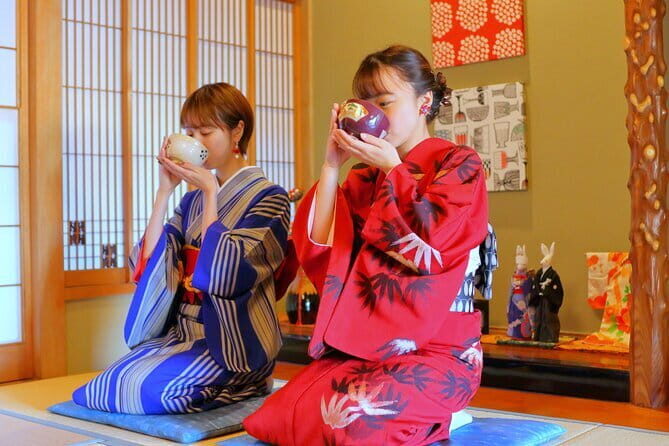
If you want Tokyo with less pressure, Yanaka is the answer. It’s described as a nostalgic downtown district with temples, sweets, and a traditional tea house where a tea ceremony can be experienced.
This kind of stop is why a flexible private tour is worth it. After all the big-name areas, Yanaka gives you a human-scale feel—something closer to a slow stroll than a checklist.
What you can watch for: tea ceremonies and traditional stops can take planning time. If you have a tight schedule, ask your guide how long it will take so you don’t feel rushed.
Tokyo Skytree, Tokyo Tower, and Shibuya Sky: pick your view and match your mood
The tour plan includes observation decks as add-ons:
- Tokyo Skytree (ticket not included)
- Tokyo Tower (ticket not included)
- Shibuya Sky (ticket not included)
You can choose which one(s) fit your priorities. This is smart because each deck gives a different flavor: Skytree is about height and scale, Tokyo Tower carries a post-war icon vibe, and Shibuya Sky is a dramatic 360-degree kind of Tokyo moment.
A simple way to decide:
- If you want modern height and wide city reach, go Skytree.
- If you want classic Tokyo symbolism, go Tokyo Tower.
- If you want a showy city panorama tied to Shibuya, go Shibuya Sky.
One warning: these tickets cost extra, so your budget can change quickly if you try to do all of them. Your guide can help you pick the best one based on time.
Who this tour suits best (and who might want a different plan)
This private customizable format is ideal if you:
- want your first Tokyo day to feel organized
- care about multiple neighborhoods in one shot
- dislike group pacing
- have kids who need more frequent engagement
- want your guide to help you make subway decisions
The reviews also highlight guides who are great at adjusting for different needs. Names like Paiva, Laura, and Miko come up, with praise for friendliness and tailoring. In one case, a family-focused approach kept kids engaged and addressed food needs more carefully than a typical sightseeing script.
Who might not love it:
- If you want a nonstop “sit and listen” style tour with minimal walking, this isn’t that.
- If you’re trying to avoid any extra ticket costs, remember that key skyline views are add-ons.
Price and value: what you’re actually paying for
At $202.18 per person for about 4 to 8 hours, this is not a budget-only deal—but it can be excellent value compared to doing all the work yourself.
Here’s what’s included:
- hotel meet-up and drop-off
- a professional guide
- kids age 11 and under free
What costs extra:
- subway fares (you’ll buy a travel pass)
- food and drinks
- observation deck tickets (Skytree, Tokyo Tower, Shibuya Sky)
So the real question is: do you value time, convenience, and decision-making help? If you do, the price starts to make sense fast. This tour saves you from the usual first-day Tokyo struggle: figuring out where to go, how to route it, and how to pay for transit correctly.
Also, it’s booked about 73 days in advance on average, so if you have fixed travel dates, don’t wait until the last minute.
If you book, do this before you leave your hotel
To get the best day, you’ll get far by doing two things upfront:
- Decide which “themes” matter most: fashion, shrines, seafood, anime shopping, history areas, or skyline views.
- Ask your guide which observation deck is the best fit for your priorities and budget.
Since the itinerary is flexible, you’ll usually be able to shift time between stops. That’s how you avoid the classic Tokyo problem: seeing a place from the outside only because you ran out of energy.
And because the tour plan notes it’s weather-dependent, it’s wise to have a bit of flexibility in your schedule. If conditions look rough, ask what adjustments your guide can make.
Should you book this Tokyo walking tour?
Yes—if you want a Tokyo intro that’s organized, flexible, and guided in a way that helps you actually move around. The combination of private pacing, hotel pickup/drop-off, and a route that can mix iconic neighborhoods with calmer stops makes it a strong first-trip choice.
Book it especially if:
- you’re going for the first time and want confidence with the subway
- you want to tailor the day instead of following a fixed tour script
- you’re balancing adults and kids and need a guide who can keep momentum
Skip it (or consider a lighter version) if:
- you hate walking long city blocks
- you want strictly no extra ticket costs, because observation decks are add-ons
FAQ
FAQ
How long is the private walking tour?
You can choose either a half day or a full day, with a total duration of about 4 to 8 hours.
Is this tour private or shared with other people?
It’s private. Only your group participates.
Do I get hotel pickup and drop-off?
Yes. The tour includes hotel meet-up and drop-off, and pickup is offered for convenience.
Do I need to pay for subway or train fares?
Yes. Public transportation (subway) costs are excluded. You’ll need a travel pass for the day.
Are entrance tickets included for the main attractions?
Many stops listed are free, but observation deck tickets are not included. Tokyo Skytree, Tokyo Tower, and Shibuya Sky are noted as add-on options.
Is food included in the price?
No. Food and drinks are not included.
Can kids join for free?
Yes. Children aged 11 and under are free of charge if you tell the operator they’re coming.
Is the itinerary completely fixed?
No. You can choose your start time, where you’d like to visit, and you can go at your own pace. Your guide designs the exact itinerary around your interests.
What happens if the weather is bad?
The experience requires good weather. If it’s canceled due to poor weather, you’ll be offered a different date or a full refund.