REVIEW · OSAKA
Ramen and Gyoza Cooking Class in Osaka Dotonbori
Book on Viator →Operated by Cooking Sun · Bookable on Viator
Ramen lessons in Dotonbori? Yes, and it’s hands-on from the first minute. I love that this class has you making ramen noodles and broth from scratch and then building custom ramen toppings and gyoza fillings to match your taste. It’s also set up for a small group, so you’re not stuck watching from the sidelines.
The main drawback to note is the diet limitation: there is no gluten-free option, so it’s not recommended if you have gluten intolerance.
In This Review
- Key Highlights Worth Planning For
- Why Dotonbori Works for Ramen and Gyoza Practice
- The Ramen You’ll Make: Noodles and Broth From Scratch
- Gyoza Workshop: Filling Customization and Folding Technique
- Timing, Pace, and How Long You’ll Be Cooking
- Location Details: Finding Cooking Sun in Dotonbori Without Stress
- Instructor Style: Step-by-Step English and Real Cooking Logic
- Diet Notes You Need Before You Book (Vegetarian and More)
- What’s Included (So You Don’t Pay for Every Little Thing)
- The End Meal: You Eat What You Make
- Is $71.35 Good Value for This Class?
- Who This Osaka Class Fits Best (And Who Might Not)
- Should You Book This Ramen and Gyoza Cooking Class?
- FAQ
- What dishes will I make in the class?
- How long is the cooking class, and when does it start?
- Is there a vegetarian or pescatarian option?
- Is a gluten-free option available?
- What’s included in the price?
- What is the cancellation policy?
Key Highlights Worth Planning For

- Dotonbori location: you’re in Osaka’s food heart while learning classic comfort dishes
- From-scratch ramen: knead, form, and cook your own noodles plus make the broth
- Custom gyoza: adjust fillings to your preferences (and dietary notes)
- Small group size (max 8): more attention during hands-on steps
- Take-home recipes: printed instructions so you can recreate it after your trip
Why Dotonbori Works for Ramen and Gyoza Practice
Osaka is the kind of city where food isn’t a side quest. It’s the main event, and Dotonbori is where the energy is focused. Starting here makes sense because you can watch how ramen and dumplings show up in everyday life, not just on a plate.
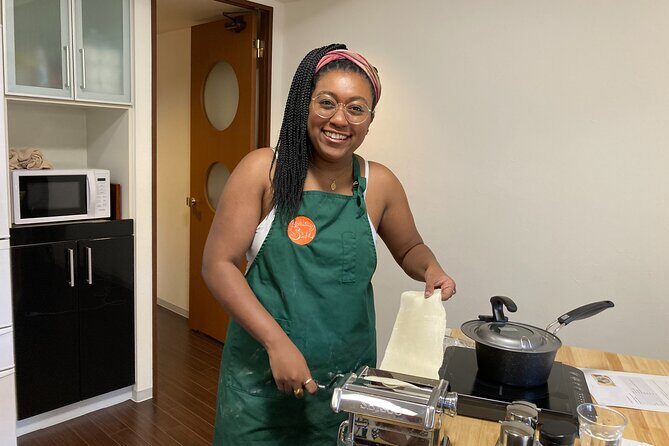
This class also keeps things practical. You’re not only learning theory. You’re doing the parts that actually make the flavor and texture work, like noodle handling and broth-making, then finishing with toppings and gyoza you shaped yourself.
I particularly like the “post-trip superpower” angle. You’re leaving with recipes, which turns a fun afternoon into something you can repeat at home without guessing.
You can also read our reviews of more cooking classes in Osaka
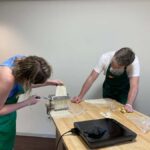
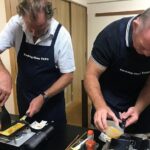
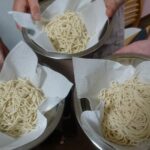
The Ramen You’ll Make: Noodles and Broth From Scratch
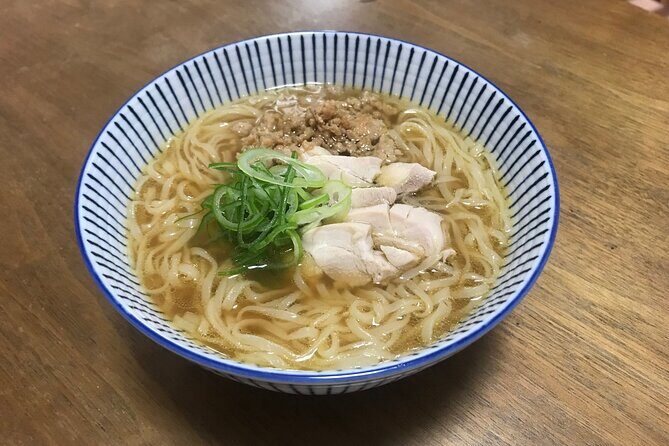
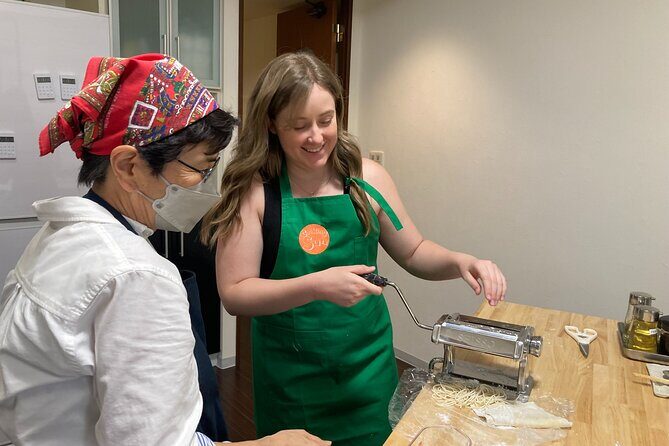
The ramen is built in stages, and that’s where the value lives. You’ll work through making ramen noodles from scratch, which means you get a feel for the dough and the kneading process. That may sound fussy, but it’s exactly what helps ramen taste like ramen instead of just hot soup with noodles.
Then comes the broth. This isn’t a bottled base situation. You make the soup stock as part of the class, and you’ll also learn how to think about flavors so you can adjust later. One nice detail: even if fish isn’t your thing, the class gives you a way to understand what’s in the base and why it works with chicken and seafood styles.
At the end, you’ll connect the dots between broth, noodle texture, and toppings. That’s the part that helps you cook better at home, because you start tasting what to change instead of following a recipe blindly.
Gyoza Workshop: Filling Customization and Folding Technique
Gyoza in Japan is usually a perfect pairing: quick comfort, big flavor, and very snackable. In this class, you make gyoza with a hands-on approach, especially in the filling.
You’ll chop and mix the filling ingredients, and you’ll get guidance on how to tailor it. The class notes specifically say you can customize your gyoza filling to suit different tastes and dietary needs. In practice, this is huge because gyoza ranges from classic pork-forward styles to lighter variations.
You’ll also learn the folding step. Some dumpling classes focus on the sauce or cooking method. Here, you get the satisfaction of shaping your own dumplings, and the wrappers used in class are premade, which keeps the session focused and realistic for a short 3-hour window.
When your dumplings come out looking like you meant it, you’ll understand why gyoza is so popular as a set with ramen.
Timing, Pace, and How Long You’ll Be Cooking
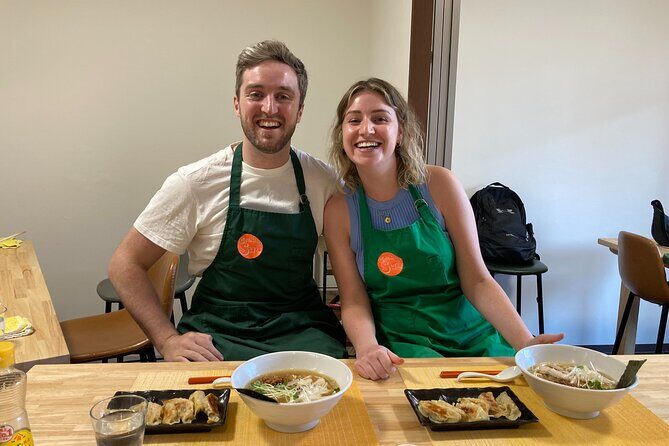
Expect about 3 hours of class time, starting at 1:30 pm. The session includes cooking and eating what you make, and you’ll finish back at the meeting point. If you’re hungry right away, plan ahead.
One practical tip: you may want a small lunch before you go. The meal at the end is part of the experience, but the cooking takes time, especially with noodles from scratch.
The pace is designed for a mix of skill levels. Even if you’ve never cooked much, the steps are laid out so you can keep up. And because the group is small, you’re not stuck waiting while someone else figures it out.
Location Details: Finding Cooking Sun in Dotonbori Without Stress
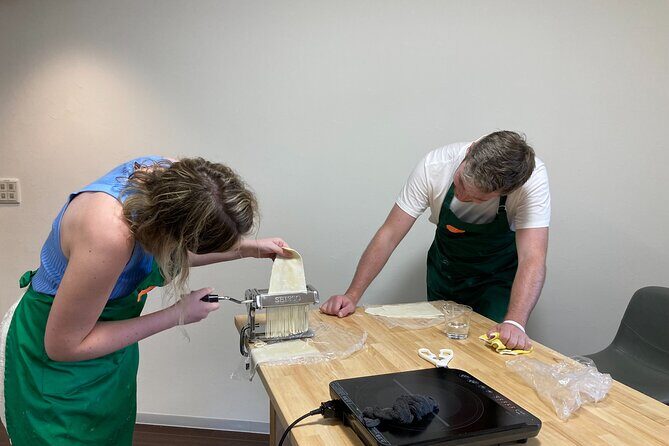
The class meeting point is Cooking Sun in Dotonbori’s area:
Cooking Sun, 542-0082 Osaka, Chuo Ward, Shimanouchi, 2-chōme 9-14, Room 807.
Here’s the deal: the venue is in an apartment-building type of setup. That means it’s not a big restaurant storefront with obvious signage from street level. You’ll likely use an elevator and go up to the correct floor, then enter the room number.
Because the location is a little “search-y,” I recommend saving the full address (including the room number) to your map app before you leave. If you do this, you’ll spend more time arriving calmly and less time wandering.
Good news: it’s near public transportation, so you don’t have to plan around long walks across busy areas.
A few more Osaka tours and experiences worth a look
Instructor Style: Step-by-Step English and Real Cooking Logic
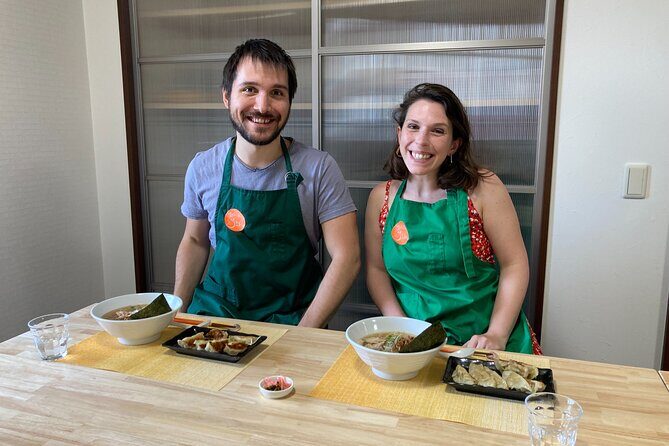
This class is built around clear instruction. English-speaking instructors guide you through each step, and the tone is patient rather than rushed. In the examples of teaching staff you’ll see mentioned, names like Miki and Jun come up often, and other instructors such as Kassa and Marina are also associated with the class.
What I like about the instruction style is the reasoning. It’s not only do-this-then-that. You also learn why certain steps matter. That helps when you’re shopping for ingredients at home or when you’re trying to recreate the dish with what’s available.
You may also learn ingredient distinctions that make Japanese cooking easier to customize later. One example from the teaching approach: they explain things like different types of fish flakes (including a bento-style reference), differences between types of soy sauce, and how miso varieties differ and why it matters.
That kind of knowledge doesn’t take over the class. It adds to it, so you understand what to swap without ruining the dish.
Diet Notes You Need Before You Book (Vegetarian and More)
This class is flexible, but you have to communicate. On booking, you’re asked to leave a note for the vegetarian option, pescatarian option, or no-fish option.
If fish is a concern, the class can adjust. The important part is that you tell them your needs in advance, so they can prepare ingredient choices accordingly.
One limitation is clear: gluten-free option is not available, and it’s not recommended for travelers with gluten intolerance. If that’s your situation, you’ll want to skip this class or choose a different cooking experience that explicitly supports gluten-free cooking.
If your diet is flexible beyond gluten (for example, vegetarian or pescatarian), this class can be a strong match because it’s designed to support customization rather than forcing you into a single version.
What’s Included (So You Don’t Pay for Every Little Thing)
This experience is refreshingly straightforward in what you get. All ingredients and utensils are included, along with the hands-on ramen and gyoza class and English-speaking instruction.
You also receive recipes to take home. That’s not a throwaway handout. It’s the difference between eating a great meal once and learning something you can repeat.
In addition, all fees and taxes are included in the listed price. The only real extra risk is if you go hungry before class and decide you need snacks or drinks not listed—those are not included.
The End Meal: You Eat What You Make
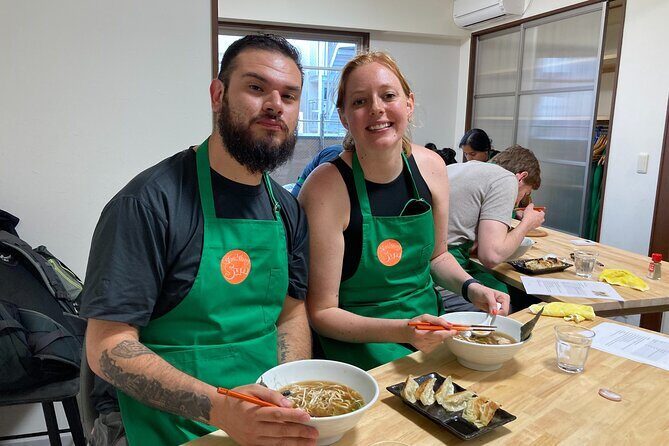
The best part of any cooking class is simple: you get to eat the results. Here, you’ll enjoy the ramen and gyoza you created. That’s not just convenient. It closes the learning loop.
You’ll taste how the noodles behave with the broth you made, and you’ll see how your topping choices change the overall vibe. With gyoza, you get the satisfaction of crisped dumplings paired with your own filling style.
It also matters that the session is structured so you’re not stuck cooking for hours and eating something unrelated. The meal is part of the same process you practiced, so it feels like a real accomplishment.
Is $71.35 Good Value for This Class?
At $71.35 per person for about 3 hours, the value is strongest if you care about technique. You’re paying for more than dinner.
You’re getting:
- From-scratch ramen noodles
- From-scratch broth
- Hands-on gyoza filling work and shaping
- Recipes you can take home
- An English-speaking instructor working with a small group (max 8)
If you’ve ever tried to recreate ramen at home using a shortcut, you know the difference between “close enough” and “this actually tastes like ramen.” The noodle and broth stages are where most people fall off, and this class targets those directly.
So yes, it’s not the cheapest food activity in Osaka. But it’s priced like a true class, not a casual tasting, and the hands-on parts are the expensive ones in time and coaching.
Who This Osaka Class Fits Best (And Who Might Not)
This class is a strong match if you want an authentic Osaka-style food experience that goes beyond eating. It’s also good for beginners because the steps are guided and the group is small.
It’s especially ideal if you’re the type who loves to cook after travel. You’ll leave with recipes, plus the logic behind flavors and ingredients, so it’s more likely you’ll actually make this again.
On the flip side, if you have gluten intolerance, this one won’t work because gluten-free isn’t offered. Also, if you hate the idea of kneading and cooking a multi-step dish, you might find ramen noodle-making a bit time-consuming.
Finally, if you prefer a big, chaotic food scene, this is the opposite. It’s a calm class format in a residential-style space with a modern kitchen setup.
Should You Book This Ramen and Gyoza Cooking Class?
You should book if you want to learn core Japanese comfort-food skills in a small, hands-on setting. The from-scratch ramen noodles and broth are the headline, but the real win is how the class teaches you to customize: your toppings, your gyoza filling, and your ingredient choices at home.
Skip it if gluten-free is a must. The lack of gluten-free options is the one clear deal-breaker in the information provided.
If you’re comfortable planning a quick search for the 8th-floor room and you’re hungry enough to cook for a bit before eating, this class is a smart way to spend an Osaka afternoon and leave with dinner skills you can reuse.
FAQ
What dishes will I make in the class?
You’ll make ramen and gyoza. The class includes making ramen noodles and ramen broth from scratch, plus preparing and folding gyoza.
How long is the cooking class, and when does it start?
The duration is about 3 hours. The start time is 1:30 pm, and it ends back at the meeting point.
Is there a vegetarian or pescatarian option?
Yes. You can request vegetarian, pescatarian, or a no-fish option by leaving a note upon booking.
Is a gluten-free option available?
No. Gluten-free option is not available, and the activity is not recommended for travelers with gluten intolerance.
What’s included in the price?
The price includes all ingredients and utensils, the hands-on class, an English-speaking instructor, recipes to take home, and all fees and taxes.
What is the cancellation policy?
You can cancel for a full refund if you cancel at least 24 hours before the experience starts. If you cancel less than 24 hours in advance, the amount paid is not refunded.