REVIEW · TOKYO
Yanaka Historical Walking Tour in Tokyo’s Old Town
Book on Viator →Operated by MagicalTrip Inc. · Bookable on Viator
Nezu torii gates and cat-doll painting. I like this small-group Yanaka walk because it mixes famous-enough landmarks with quieter back streets where daily Tokyo still feels close-up, and you’ll get food tastings along the way.
I also love the slow, human pace. Nezu Shrine’s long torii path and red-arch entry set the mood fast, and the walk is designed for moderate fitness. One thing to plan around: this is not a full lunch, and allergy-related needs aren’t treated like a guaranteed menu swap.
In This Review
- Key things that make this walk worth your afternoon
- Why Yanaka Feels Like Tokyo Before the Rush
- Price and what $81.26 really buys you
- Meeting point and timing: plan your 1:30 pm start
- Nezu Shrine: the torii gates that set the Shinto mood
- Yanaka back streets: local life without the sightseeing costume
- Nezu Museum pass-by: a quick palate cleanser
- Cafe Neko-e-mon: painting a lucky cat in an old house
- Yanaka Ginza shopping street: nostalgic browsing plus snacks
- Food tastings: treat them as snacks, not a full meal
- What to expect from the guide: questions, context, and local viewpoint
- Weather and comfort: Tokyo extremes can change the day
- Who should book this Yanaka walk (and who might skip it)
- Should you book this tour?
- FAQ
- How long is the Yanaka Historical Walking Tour?
- What does it cost?
- How big is the group?
- Is a mobile ticket provided?
- What food is included, and is there a full lunch?
- What happens if I have dietary restrictions or allergies?
- Where does the tour start?
- What time does the tour start?
- Where does the tour end?
- What if the weather is bad?
- What if I’m late to the meeting point?
Key things that make this walk worth your afternoon
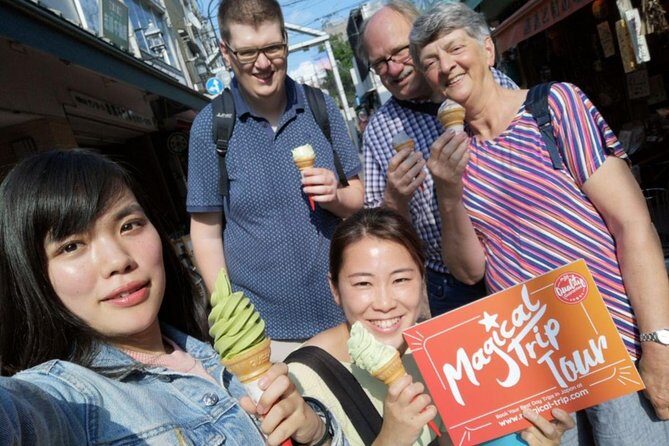
- Max 7 people means you get time for questions instead of rushing past stops
- Nezu Shrine’s torii gates create a real Shinto atmosphere change of scene
- Food tastings plus a dessert break keep the walk enjoyable, not just sightseeing
- Cafe Neko-e-mon lets you paint a lucky cat doll in a traditional old house setting
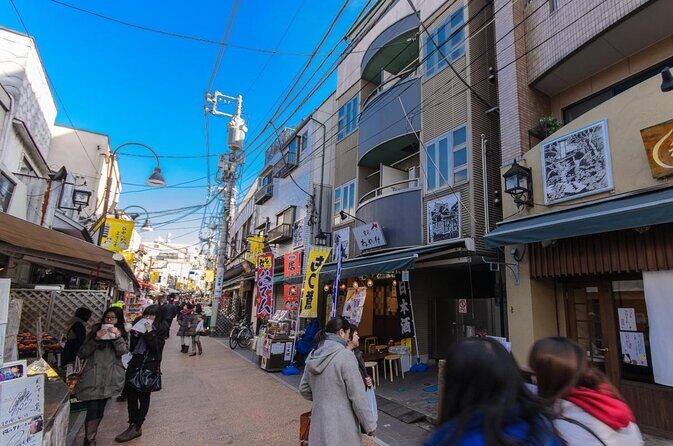
- Yanaka Ginza shopping street brings the nostalgic neighborhood vibe with street-food sampling
- Guides with personality show up in the stories, including names like Nao, Hana, and Aoi
Why Yanaka Feels Like Tokyo Before the Rush
Yanaka is the part of Tokyo that makes you slow down without trying. It’s full of side streets, smaller shops, and that calmer rhythm you rarely get in the busiest districts.
What I like about this tour is that it’s built around that feeling. You’re not just ticking off sights; you’re walking through the kind of neighborhood layout that shapes how people live and snack and wander on an ordinary afternoon.
And yes, the details matter here. Nezu Shrine sets the tone early, and then the rest of the day stays grounded in residential Tokyo instead of grand museum-mode sightseeing.
You can also read our reviews of more walking tours in Tokyo
Price and what $81.26 really buys you
At $81.26 per person for about 3 hours 30 minutes, the value comes from the combination: guided context + multiple stops + actual food time. You’re paying for more than walking. You’re paying for someone to explain what you’re seeing, when it matters, and to keep the day moving at a relaxed pace.
Also, the size helps. A maximum of 7 people keeps the group from stretching out across Tokyo like a moving carpet. That usually translates into better pacing, more chances to ask questions, and fewer moments where you’re trying to hear over the crowd.
Meeting point and timing: plan your 1:30 pm start
The tour starts at 1:30 pm at 1-chōme-3-7 Nezu, Bunkyo City. It’s in an area that’s near public transportation, which is ideal because Yanaka’s charm is tied to walking, not fighting transit bottlenecks.
You should arrive with enough buffer to get oriented. The start is strict: if you arrive late and miss the group, you can’t join late and you won’t be able to reschedule. Once the tour finishes, it ends in Yanaka at 7-chōme-6-10 Yanaka, Taito City, and your guide will point you toward what to do next.
My practical advice: treat this as an afternoon that starts already in motion. If you’re coming from far away, give yourself margin so you’re not rushing the meeting.
Nezu Shrine: the torii gates that set the Shinto mood
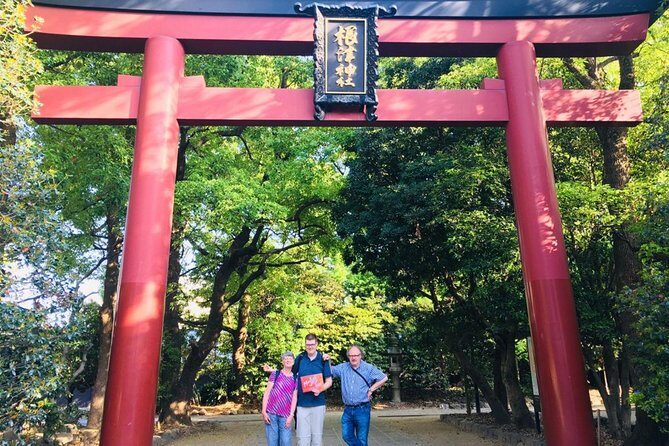
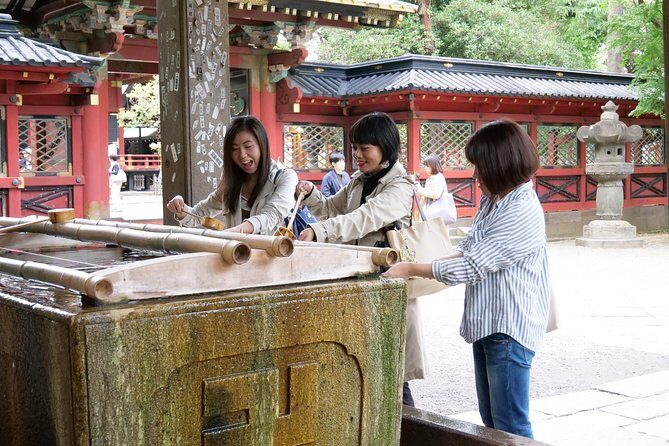
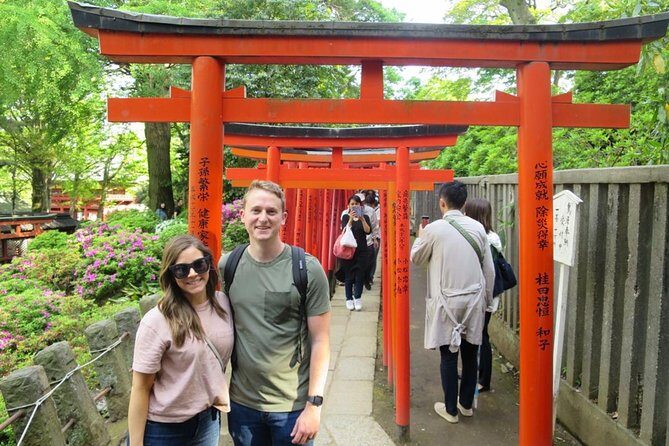
Nezu Shrine is a strong opener because it does something visual right away. You’ll see the continuous torii gates, which give you that classic feeling of walking through a sacred corridor. It’s a look that instantly reminds me of shrine pathways people associate with other places in Japan, but here it feels very much part of everyday Tokyo geography.
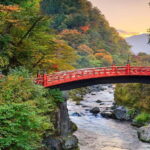
Crossing the red arch is where the mood shift hits. Even if you’re not a religion-explainer kind of person, you’ll feel the change: it’s quieter, more ceremonial, and the space encourages slower steps.
This stop is also short—about 30 minutes—which is good. It gives you impact without draining your energy before the neighborhood walking starts. If you happen to visit when there’s a local celebration at the shrine, you might catch extra cultural energy, but it’s not something you should count on.
Yanaka back streets: local life without the sightseeing costume
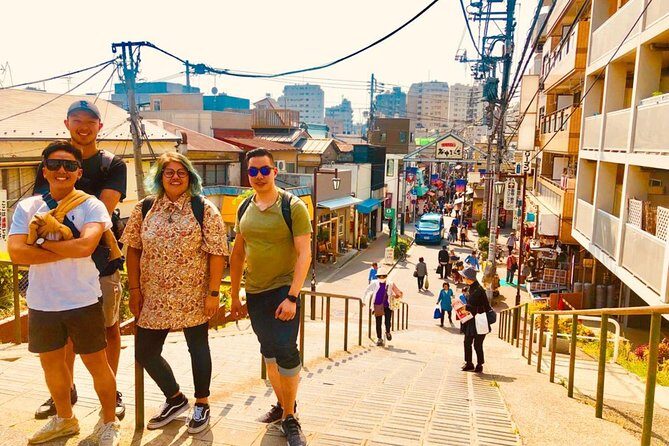
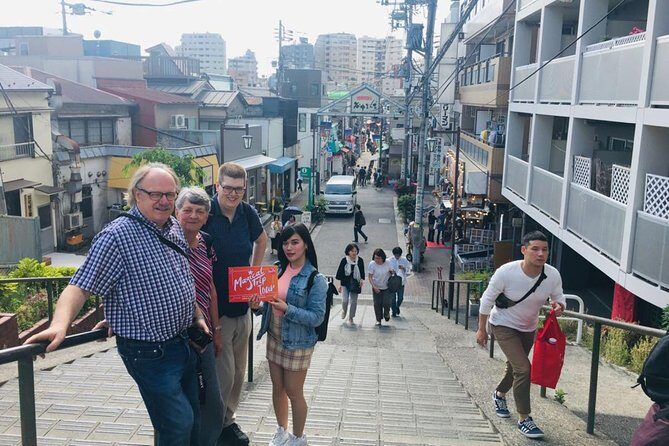
After Nezu, the tour moves into the Yanaka district for about 1 hour. This is where you start seeing the Tokyo most visitors skip: residential streets, everyday routines, and small places that don’t shout at you from a major landmark map.
You’ll get the chance to walk at a leisurely pace that’s intended for most people with moderate fitness. The goal isn’t cardio. It’s comfort and attention—so you notice things like shop signage, household entrances, and the way side streets connect.
The day also includes a traditional food element here, but don’t expect a full meal takeover. The tour includes food tastings, and a full lunch or dinner isn’t covered. I like doing a basic meal before this so the snacks feel like a bonus, not a substitute.
Depending on the route your guide takes, you may also pass through quieter religious scenery—one example from the tour experience includes views related to Buddhist cemeteries. That sort of stop makes Yanaka feel like a living neighborhood, not a staged photo set.
You can also read our reviews of more historical tours in Tokyo
Nezu Museum pass-by: a quick palate cleanser
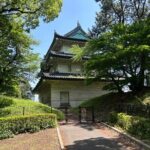
You’ll pass by Nezu Museum. That works as a breather without pulling focus away from the walking and neighborhood feel. If you’re curious, this kind of pass-by often helps you decide later whether you want to research the museum on your own.
Because it’s not a big focus time-wise, don’t plan your entire day around it. Think of it like a sightline moment in the middle of the neighborhood flow.
Cafe Neko-e-mon: painting a lucky cat in an old house
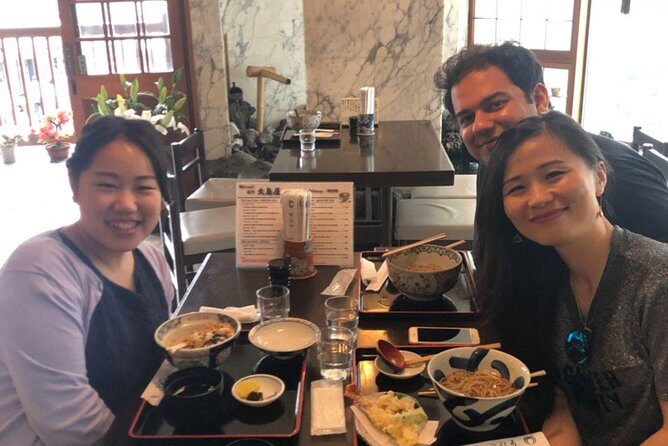
This is the emotional highlight for many people, and I get why. At Cafe Neko-e-mon, you get a hands-on activity: painting a Japanese cat doll. It’s described as making a lucky cat for a travel memory, and the setting is part of the appeal—an old Japanese folk-house style cafe, which changes the whole feel of the stop.
You’ll also get dessert and a drink here, and the stop runs about 1 hour. The value isn’t only in the craft itself. It’s the contrast: after shrine and street walking, you switch to a quieter interior moment where you can slow your breathing and actually enjoy the afternoon.
If you like souvenirs that aren’t just shop-bought postcards, this is the kind of activity that turns into a real keepsake. Also, it’s a great reset if you’re tired from walking; the pace builds in a natural pause.
Yanaka Ginza shopping street: nostalgic browsing plus snacks
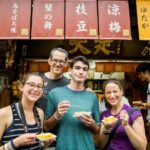
The tour’s final neighborhood portion is around Yanaka Ginza Shopping Street for about 30 minutes. This is where the vibe gets more commercial in a good way—still old-school, still small-scale, and very much about browsing.
You’ll also sample some street foods. Think of this as tasting the neighborhood’s everyday snack culture rather than hunting for one perfect dish. It’s a smart way to try more than one thing without committing to a full sit-down meal.
The short duration matters. You get the feel of the street without turning the end of the tour into a full shopping session that drains your energy. When the guide finishes the walk, you’re already close to the next thing you can explore on your own.
Food tastings: treat them as snacks, not a full meal
One of the most practical things to understand going in: the tour is built around tastings, not a full lunch or dinner. The experience notes clearly suggest having a meal beforehand to make the whole afternoon satisfying.
That’s not a negative—it’s just the right mindset. If you eat first, the snacks become fun variety. If you skip food, you may end up feeling like you’re waiting for the meal that never fully comes.
Dietary reality check: the tour says dietary requests on the day of the tour can’t be accommodated, and you should inform the company at least one day before if you have restrictions or allergies. It also states they can’t guarantee allergy-free food because items are prepared in kitchens that don’t belong to the tour operator, and substitutions may not be possible at every stop.
So here’s my advice: if you have allergies, send the details early and keep expectations realistic. If the risk is high, it may be safer to avoid relying on substitutions.
What to expect from the guide: questions, context, and local viewpoint
This kind of walking tour lives or dies by the guide. The best matches bring the neighborhood to life with small, specific context—why a shrine exists here, what the streets reveal, and how everyday habits connect to the sights.
In the tour experiences, guide names that stand out include Nao, Hana, Aoi, Chihero, Kazu, Hina, and Mike. Some of those guides are described as having deep personal context—like family history that connects to WWII—and they’re also praised for being friendly and conversational in English.
You don’t need to memorize facts. You just need someone to point out what’s worth noticing. That’s what these guides seem to do well: they help you see the neighborhood instead of just pass through it.
Weather and comfort: Tokyo extremes can change the day
Japan’s weather is noted as having become more extreme: summer highs can hit 40°C (110°F) and winter lows can dip to -5°C (20°F). That matters because this is a walking experience outdoors for most of the afternoon.
Bring what you’d bring for long walking: comfortable shoes, water, and sun protection in warm months. In colder weather, layer up so you’re not frozen the moment the shade hits.
Also, because good weather is required, you should be ready for weather-based changes. If the tour can’t operate due to poor weather, you’ll be offered another date or a full refund.
Who should book this Yanaka walk (and who might skip it)
I’d book this if you want a calmer Tokyo afternoon with a guided storyline. You’re paying for context, food tastings, and that rare chance to walk through residential back streets while still seeing major-feeling moments like Nezu Shrine.
It’s also a good fit if you’re not chasing marathon walking. The pace is described as leisurely and suited to most people with moderate fitness.
Skip it (or at least adjust expectations) if you’re looking for big, famous, high-intensity sightseeing. This tour is about the quieter texture of Tokyo. If that’s what you came for, you’ll have a great time.
Should you book this tour?
Yes, if you want an authentic Yanaka afternoon with tastings and a hands-on cultural break. The combination of Nezu Shrine, neighborhood back streets, street-snack time, and the Cafe Neko-e-mon lucky cat painting makes it feel like more than a standard walking loop.
No, or not yet, if you need a guaranteed full lunch or allergy-perfect food handling. The tour’s food approach is tastings plus a dessert-and-drink stop, and allergy accommodations aren’t guaranteed same-day.
If you’re choosing between options, this one is an especially solid pick for people who love small details: shrines, side streets, and craft souvenirs you can actually bring home.
FAQ
How long is the Yanaka Historical Walking Tour?
The tour runs for about 3 hours 30 minutes.
What does it cost?
It costs $81.26 per person.
How big is the group?
The tour has a maximum of 7 travelers.
Is a mobile ticket provided?
Yes, the experience uses a mobile ticket.
What food is included, and is there a full lunch?
You’ll have food tastings during the tour, and there is a dessert and drink at Cafe Neko-e-mon. A full lunch or dinner is not included, so it’s suggested that you eat beforehand.
What happens if I have dietary restrictions or allergies?
Dietary requests made on the day of the tour cannot be accommodated. You should inform the provider at least one day before if you have restrictions or allergies. Allergy-free meals can’t be guaranteed because the food is prepared in kitchens not operated by the tour provider, and substitutions may not always be possible.
Where does the tour start?
The meeting point is 1-chōme-3-7 Nezu, Bunkyo City, Tokyo 113-0031, Japan.
What time does the tour start?
The start time is 1:30 pm.
Where does the tour end?
The tour ends in Yanaka at 7-chōme-6-10 Yanaka, Taito City, Tokyo 110-0001, Japan, and your guide will help with navigating to your next destination.
What if the weather is bad?
The tour requires good weather. If it’s canceled due to poor weather, you’ll be offered a different date or a full refund.
What if I’m late to the meeting point?
If you arrive late and miss the group, you won’t be able to join the tour, and you won’t be able to get a refund or reschedule.