REVIEW · KYOTO
KYOTO Tea Ceremony with kimono near by Imamiya Jinjya Shrine
Book on Viator →Operated by CAREN · Bookable on Viator
Putting on a kimono in Kyoto is already a treat, but the real payoff is what happens next: a hands-on tea ceremony led with real care, right near Daitoku-ji’s tea-culture zone. You get to choose your outfit, have your hair set, enjoy a mini photo moment, then settle into the ritual to learn manners and tea steps from start to finish.
In This Review
- What I Like Most: Kimono Craft and Real Practice
- One Thing to Consider: The Kimono Takes Effort
- Quick Hits
- Choosing Your Kimono in Nishijin: Fun, Fast, and Actually Detailed
- Hair, Layers, and the Small Etiquette Lesson Before the Ceremony
- The Tea Room Near Daitoku-ji: Three Generations of Quiet Focus
- Watching the Tea Master: Steps, History, and Manners
- Your Turn to Brew: Learning Without Feeling Put on the Spot
- Photo Moments Near the Shrine Area: Pretty, But Purposeful
- Price and Value: $99.49 for Kimono, Hair, Tea, and Instruction
- Timing, Weather, and Getting the Most Out of Your 1.5 Hours
- Who This Fits Best (And Who Might Feel Restless)
- Helpful Tips Before You Go
- Should You Book This Caren Kyoto Tea Ceremony?
- FAQ
- How long is the Kyoto tea ceremony experience?
- What does the ticket include?
- Do I get help putting on the kimono?
- Will I learn anything besides drinking tea?
- Is there an opportunity to brew tea myself?
- What’s the group size limit?
- Where is the meeting point?
- Is transportation included?
- Is the experience weather-dependent?
- What happens if I cancel last minute?
What I Like Most: Kimono Craft and Real Practice
Two things I love here are the kimono dressing (with hands-on help) and the fact that you don’t just watch. You learn the meaning behind kimono patterns, hear commentary on the history of tea ceremonies, then you get to sip, learn etiquette, and actually try brewing your own cup. It’s structured, calm, and genuinely respectful.
One Thing to Consider: The Kimono Takes Effort
The kimono experience is multi-layered, so if you dislike tight or formal clothing, it may feel like more work than you expect. You’ll likely want to plan for some setup time and wear simple clothes you can comfortably remove and re-wear underneath.
You can also read our reviews of more tours and experiences in Kyoto.


Quick Hits
- Choose your kimono from a Nishijin Kyoto collection, then get real help dressing and hair styling
- Short, intimate class with a maximum of 12 people, so questions feel welcome
- Tea master-led ritual with professional instruction and commentary on tea ceremony meaning and etiquette
- Try brewing your own tea, not just a demo sip
- Photo-friendly moments including a simple shoot while you’re dressed up
- Tea room with continuity: used for three generations, near Daitoku-ji
Choosing Your Kimono in Nishijin: Fun, Fast, and Actually Detailed
This experience starts with a choice. You pick a kimono color and pattern from the collection associated with Nishijin, Kyoto (the traditional textile area of the city). Then the staff helps you with the steps that matter: getting you dressed properly, and setting your hair before you even head toward the tea room.
What surprised me is how much attention they pay to presentation. Even if you’ve never worn a kimono before, they treat it like craft, not costume. You’ll also get a chance to learn what different kimono patterns mean, which helps your outfit feel connected to the ceremony rather than just a photo prop.
Practical tip: if you walk in with even a basic idea of the color you want, the whole process tends to feel smoother. The staff works efficiently, but having a clear preference helps them move without back-and-forth.
Hair, Layers, and the Small Etiquette Lesson Before the Ceremony
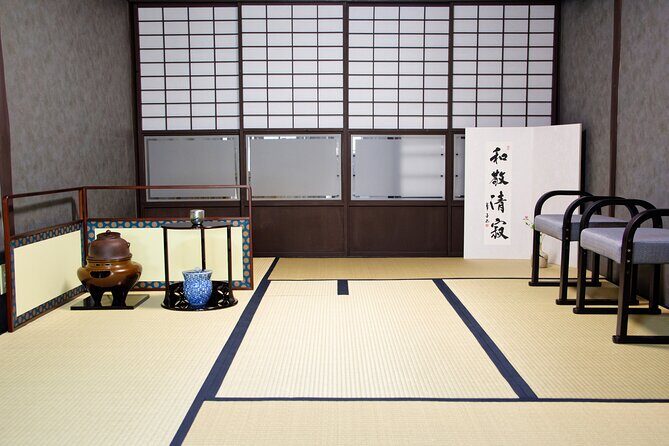
After you choose your kimono, the dressing process includes hair setting and fitting. In the past, I’ve seen kimono rentals that feel like quick business. Here it’s more multi-step. It can involve multiple layers, which is part of why it feels special—there’s a real reason it takes time.
You’ll also get a simple photo shoot once you’re dressed. That matters more than you might think: it gives you a buffer moment to enjoy the look before you enter the quiet focus of the tea ceremony itself.
Considerations that can affect your comfort:
- Kimono sleeves and layers can feel restrictive, so plan for a slower pace.
- You may want to avoid complicated hairstyles before you go, since they do the hair set as part of the experience.
- The tea room is described as a bit old, so it’s worth taking your time walking in and out.
The Tea Room Near Daitoku-ji: Three Generations of Quiet Focus
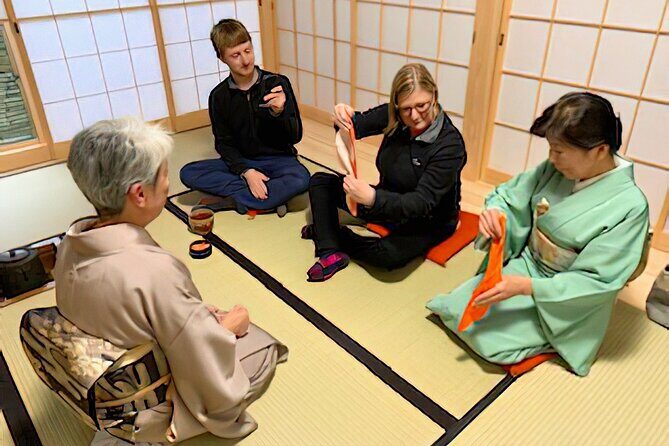
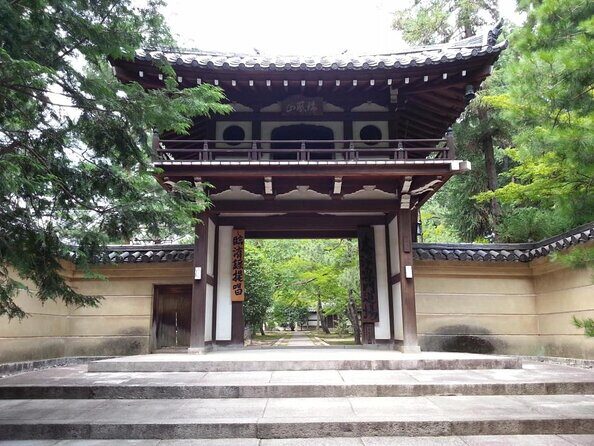
Once you’re ready, you move into the tea room experience. This room has been used for three generations, and it’s located near Daitoku-ji—an area strongly tied to Japan’s tea culture. That location isn’t just a map point. It helps the whole thing feel anchored in the place where tea traditions make sense.
The ceremony pace is gentle. You’re given instructions for manners, and you learn why the steps look the way they do. For many people, the “ritual” part is the highlight: sitting in a setting designed for tea, then being guided through it as something thoughtful rather than a show.
Group size stays small, with a maximum of 12 people. That’s a big deal for comfort and questions. It means the instructor can keep the flow steady while still helping when you’re unsure.



Watching the Tea Master: Steps, History, and Manners
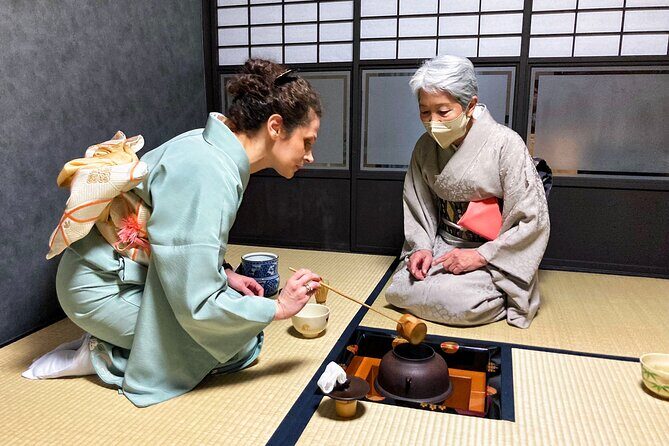
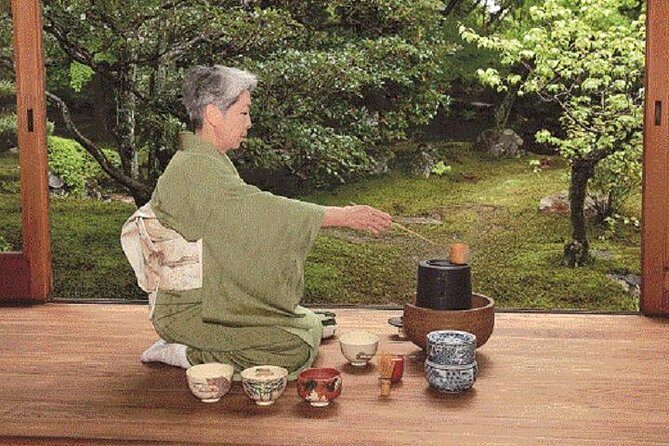
The heart of the experience is the tea master. The program highlights that the tea master has studied tea ceremonies for 30 years, and you’ll watch them prepare tea in the traditional way.
This isn’t just a fast demo. You’ll learn as you watch:
- the structure of the ceremony steps
- commentary on the history of tea ceremonies
- Japanese etiquette and manners used during the ritual
- how seasonal sweets fit into the experience
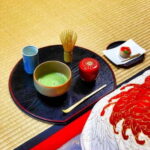
Then you sip your tea with the sweets. If you enjoy matcha (many participants mention matcha as the star), this is the part that turns learning into memory: the taste, the pause, the way the ceremony slows your thinking down.
One detail I appreciated is that the guide doesn’t treat you like you’re there only to be impressed. Instead, they explain meaning. Even a small bit of cultural context—like why something is done in a certain order—makes the whole tea ceremony feel more intentional.
Your Turn to Brew: Learning Without Feeling Put on the Spot
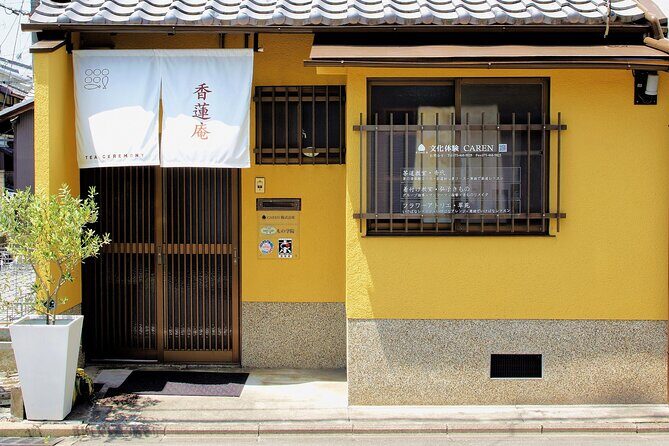
After watching and sipping, you get the chance to prepare your own tea. This is where the experience becomes interactive in a good way.
You’re not thrown into it alone. The staff and instructor guide you through what to do, and they encourage you as you practice. That matters if you’re the type who worries about doing it wrong. The goal isn’t perfection. It’s understanding what the steps are trying to accomplish—focus, respect, and shared moment.
From what I’ve seen in the way the group is run, they keep the atmosphere supportive. People who might not feel confident about traditional activities still end up participating. Even in mixed groups, the tone stays patient.
If you’re wondering what you’ll actually get to do: you’ll learn the brewing process and get to perform it yourself during the session. You’ll then serve or share in the ceremony setting as directed.
Photo Moments Near the Shrine Area: Pretty, But Purposeful
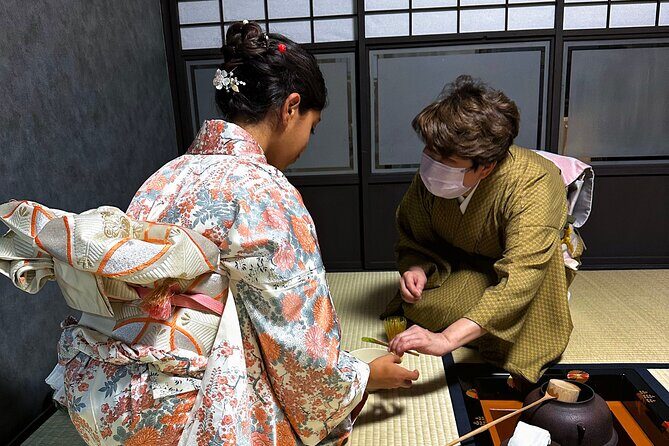
There’s a photo-friendly component, and it’s handled with care. Once you’re dressed, you get a simple photo shoot with help posing. The staff also provides guidance while you’re in kimono—so you’re not standing there guessing how to hold yourself.
Some versions of the experience include walking to a nearby temple area as part of the day flow. The program also connects your tea room to Daitoku-ji’s tea roots, and the experience is described as near Imamiya Jinjya Shrine. Either way, the setting in northern Kyoto tends to feel quieter and more traditional than the busy center.
Practical photo tip: kimono photos look best when you give yourself time to relax your shoulders and breathe. The staff usually helps you with posing, but you’ll get better results if you don’t rush at the last second.
Also, take a quick look at footwear. You’ll want shoes that are easy for stepping around in (and that handle a slow, ceremonial pace).
Price and Value: $99.49 for Kimono, Hair, Tea, and Instruction
At $99.49 per person, this is not a budget activity. But it’s also not just a tea tasting.
You’re paying for a stack of value:
- use of an authentic kimono
- assistance putting it on
- hair setting before the ceremony
- instruction by a professional instructor
- a tea ceremony led by a tea master with long experience
- seasonal sweets and tea to drink
- time to learn etiquette and history, plus hands-on brewing practice
- photo support
If you try to assemble this yourself—kimono rental, a knowledgeable guide, and a structured tea lesson—costs and hassle add up quickly. Here, it’s one organized package that takes care of the tricky parts you’d otherwise struggle with.
The price feels most worth it if you want more than a quick photo moment. If you want the full ritual—manners, meaning, and your own cup at the end—this is the right kind of spend.
Timing, Weather, and Getting the Most Out of Your 1.5 Hours
The duration is about 1 hour 30 minutes. That means the staff can’t waste time, and you’ll move through the steps steadily: kimono choice, hair set, photo moment, then tea ceremony and tea-making practice.
Two timing tips I’d give you:
- Arrive a little early if you can, so dressing doesn’t feel rushed when everyone starts together.
- Keep your schedule flexible nearby, because the experience needs good weather. If conditions are poor, the operator can offer a different date or a full refund.
Also remember: transportation isn’t included (private transportation is not part of the package). The meeting point is listed as near public transportation, but you’ll still want to plan how you’ll get there from your hotel.
Who This Fits Best (And Who Might Feel Restless)
This experience is a strong fit if you want a structured, cultural activity that’s still fun. It works especially well for:
- first-timers who want to understand tea ceremony basics without guesswork
- couples or families who want shared photos and a shared ritual
- people who like craftsmanship, since kimono dressing is treated seriously
- anyone who enjoys learning etiquette, not just tasting tea
It may be less ideal if:
- you strongly dislike formal clothing or anything multi-layered
- you have mobility issues and don’t want to deal with a small walk/transition within the setting
- you’re short on time and want something ultra-flexible
For most people, the best mindset is simple: treat it like a calm class, not a quick attraction.
Helpful Tips Before You Go
These are the practical things that will make the day smoother:
- Decide on a color direction for your kimono beforehand. It helps the staff move quickly and keeps you happy with the final look.
- Wear comfortable clothes underneath. You’ll be changing clothes for the kimono setup.
- Leave room for a slower pace during the ceremony. The whole point is timing and attention.
- Ask questions if anything about the ceremony steps feels unclear. The flow is designed for instruction, not just observation.
Finally, bring the attitude of watch, listen, and try. The best results come from participating, even if you think you might be awkward at first.
Should You Book This Caren Kyoto Tea Ceremony?
If you want Kyoto culture with structure—and you’d like to wear a kimono that actually looks and feels like the real thing—this is a smart pick. The best reason to book is the balance: you get the respectful tea ritual, plus hands-on brewing practice, plus a kimono-and-hair experience that transforms the whole afternoon.
I’d skip it only if you’re uncomfortable in formal layered clothing or you hate anything that requires patience. If you can handle that, this is the kind of activity that gives you a photo and a story, but also teaches you the etiquette and meaning behind what you’re doing.
FAQ
How long is the Kyoto tea ceremony experience?
It’s approximately 1 hour 30 minutes.
What does the ticket include?
It includes coffee and/or tea, plus a professional instructor.
Do I get help putting on the kimono?
Yes. You’ll receive assistance putting on an authentic kimono, and there’s also help with hair set before dressing.
Will I learn anything besides drinking tea?
Yes. You’ll get commentary on the history of tea ceremonies, learn Japanese manners, and learn how to brew your own cup.
Is there an opportunity to brew tea myself?
Yes. After watching and sipping, you’ll have the chance to prepare your own tea.
What’s the group size limit?
The maximum group size is 12 travelers.
Where is the meeting point?
Tea Ceremony – Caren -74-4 Murasakino Daitokujichō, Kita Ward, Kyoto, 603-8231, Japan.
Is transportation included?
No. Private transportation is not included.
Is the experience weather-dependent?
Yes. It requires good weather. If it’s canceled due to poor weather, you’ll be offered a different date or a full refund.
What happens if I cancel last minute?
Free cancellation is available up to 24 hours before the experience start time for a full refund. If you cancel less than 24 hours before, the amount paid won’t be refunded.