REVIEW · OSAKA
Learning Zen of Japanese Calligraphy in kimono near Osaka Castle
Book on Viator →Operated by SAMURAI HONOR · Bookable on Viator
A kimono, a brush, and your name in kanji. That’s the hook, but what makes this class fun is the way you go from posture to real brush movements with a professional shodo teacher, while also getting a personalized souvenir. I especially liked the hands-on shodo coaching and the kimono + photo session that turns practice into something you’ll actually keep. One thing to weigh: it’s about an hour, so you’ll leave with basics and a solid first draft, not deep mastery of every stroke or alphabet.
This is a small-group experience (up to 10 people), and you don’t need Japanese. An English-Japanese translator helps you follow along, plus you can generally count on friendly support as you practice. If you bring your sense of humor and a willingness to copy the instructor’s hands, you’ll be fine.
You’ll start by changing into traditional clothing near Osaka Castle, then sit down to learn how Japanese calligraphy (shodo) thinks, not just how it looks. The class notes also suggest you use the restroom before dressing and avoid fixed tripods or video recording, so plan to keep your phone handy and follow their rhythm.
In This Review
- Key highlights worth planning around
- Shodo near Osaka Castle: why this class feels more “real” than a souvenir stop
- Changing into kimono: the part that turns “calligraphy class” into a memory
- Choosing your kanji: how you get a personal, not generic, souvenir
- The brushwork lesson: tome, hane, and harai in plain, usable terms
- From practice to final draft: what you actually leave with
- Translation help: how the class stays friendly even if your Japanese is zero
- Price and value: what $43.59 buys you for a short, focused hour
- Who should book this shodo-in-kimono class (and who should think twice)
- Simple tips to make your session go smoothly
- Should you book this Japanese calligraphy class near Osaka Castle?
- FAQ
- How long is the Japanese calligraphy class?
- What’s the price per person?
- How many people are in the group?
- Can beginners and kids join?
- Do I get photos from the class?
- Can I choose the kanji I want to practice?
- Will my name be included in the calligraphy?
- What language is available for the class?
- Is there an optional hair accessory add-on?
- Is smartphone photography allowed?
Key highlights worth planning around
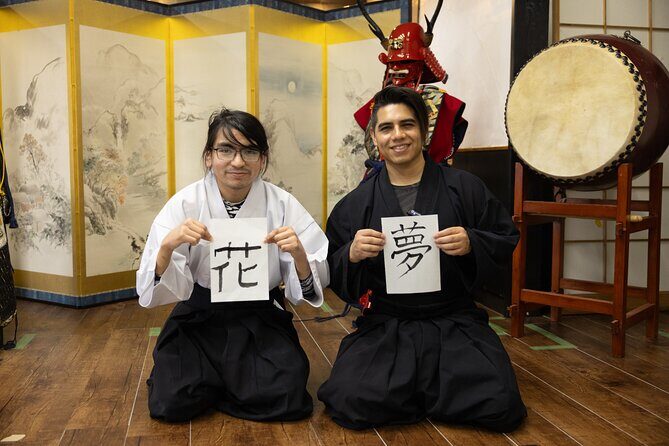
- Kimono dressing before you write so the class feels like culture, not just a worksheet
- Write your chosen kanji with stroke order guidance and real practice time
- Name translated into kanji with a surprise wooden tag using the characters you pick
- Core brush basics taught clearly including tome, hane, and harai
- Photo support that doesn’t feel awkward with kimono + artwork shots captured for you
- Patient small-group pace open to beginners and even kids
Shodo near Osaka Castle: why this class feels more “real” than a souvenir stop
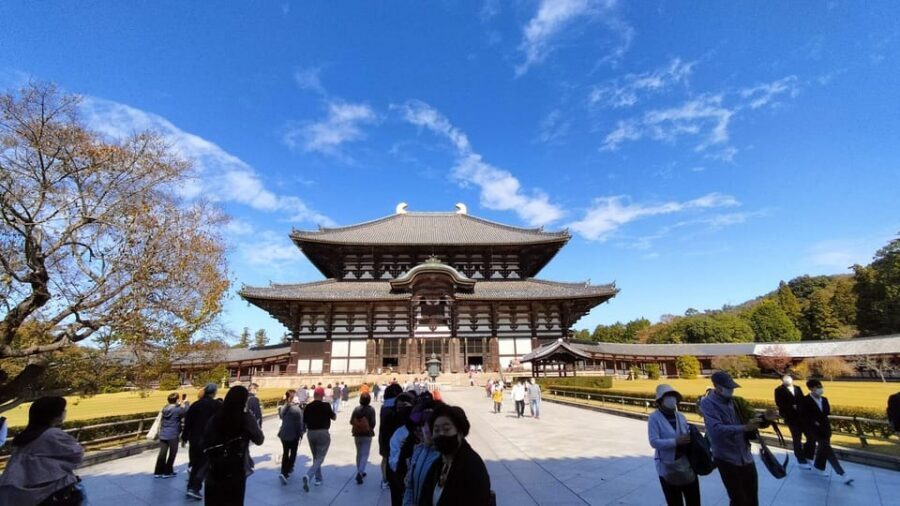
Osaka Castle is the easy anchor for a day plan. After time on the castle grounds, this kind of class gives you a different pace: quiet, focused, and very hands-on. You’re not just looking at Japanese traditions; you’re doing one with your own brush.
What I like about shodo as an experience is that it’s practical in the way it teaches attention. The teacher isn’t pushing you toward perfect art. They’re pushing you toward correct basics: how you sit, how you hold the brush, and how the stroke starts and finishes. When those pieces click, your character starts looking like a real kanji instead of a shaky drawing.
Because the class is capped at 10 people, you get enough individual attention to correct the stuff that matters. If you’ve ever tried a craft class where you’re mostly watching from the back, this feels different. You’ll be able to ask questions (through the translator) and get the kind of adjustments that make your final draft look better.
You can also read our reviews of more tours and experiences in Osaka.



Changing into kimono: the part that turns “calligraphy class” into a memory
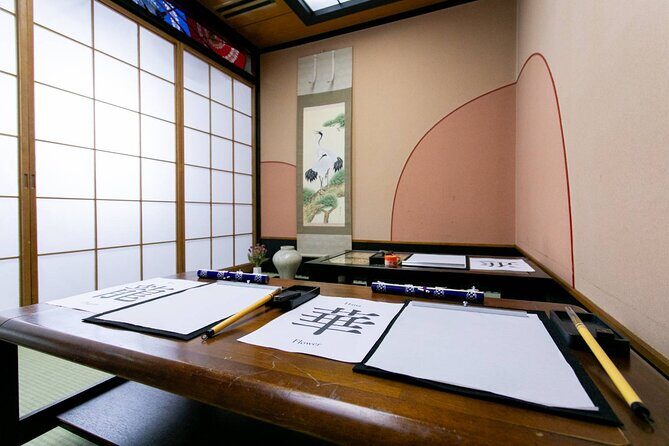
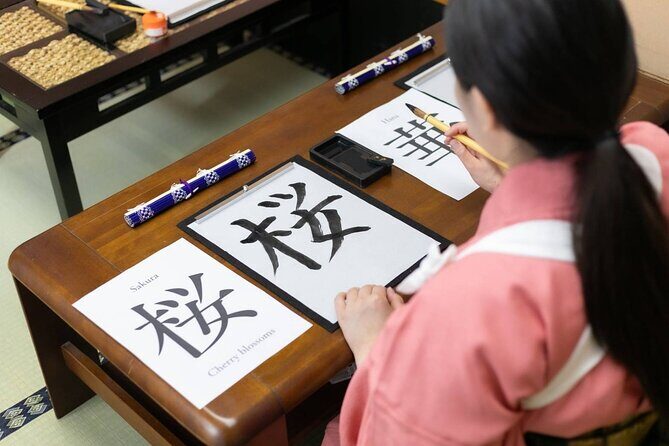
You’ll begin with a clothing change. Based on how the session is described, you’ll dress in traditional attire such as a kimono or hakama, and you’ll be coached through the process before you sit down to write.
A kimono change is more than costume. It nudges your posture into something calmer and more formal. Even if you’ve never worn one, the class structure gives you step-by-step direction so you’re not doing it alone. One helpful reality check: dressing can take a few minutes and involves multiple parts, so arrive with time to spare and don’t show up at the last minute.
Two practical notes from the provided details:
- Use the restroom before dressing.
- You’ll sign a liability waiver before the experience.
If you’re also coming from Osaka Castle on foot, give yourself a little buffer. One of the most common “gotchas” people mention is that the meeting point can be a small storefront, so you may want a couple extra minutes to locate it without stress.
Choosing your kanji: how you get a personal, not generic, souvenir
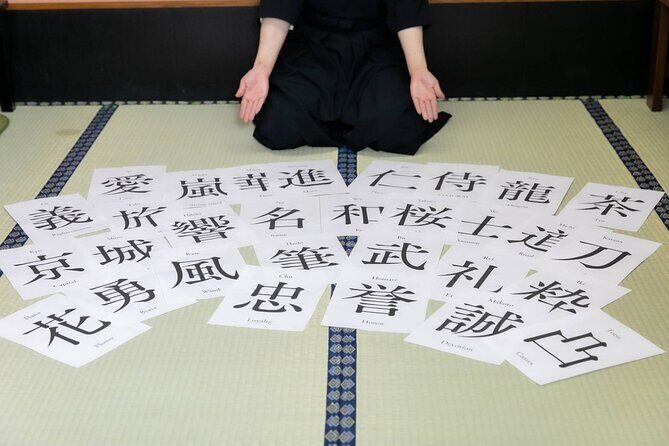
Here’s where the class becomes about you. You pick a favorite Japanese kanji to challenge yourself, and that choice shapes the whole session.
Kanji matters here for two reasons:
- Stroke order changes how the character looks, even when you’re copying the same shapes.
- Each kanji carries meaning, so the teacher can connect the character back to your choice and your name.
You’ll practice the stroke order of your selected character(s). That’s the difference between writing something that looks like art and writing something that looks like real Japanese. Even if your final draft is far from calligraphy-level beauty, you’ll leave understanding the logic behind the strokes.
One standout element is the surprise wooden tag. The teacher writes the foreign name of each participant on a tag using the kanji characters chosen earlier. That turns the experience into a keepsake with a personal link, not just a single sheet of paper.
The brushwork lesson: tome, hane, and harai in plain, usable terms
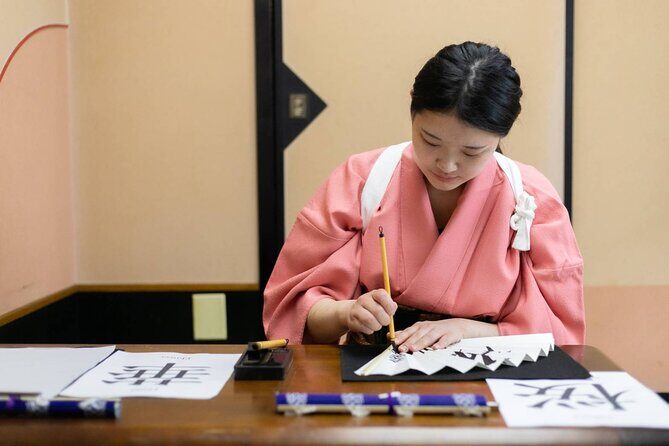
Once you’re dressed and seated, the class shifts to the “how” of shodo. They start with the mindset and tools, including how shodo differs from decorative writing styles you might be used to overseas. That framing matters, because it tells you to think less about drawing and more about controlled marks.
Then you learn core brush movements:
- tome
- hane
- harai
Even if you’ve never held a brush, this kind of structured instruction is the best part of the class. You’ll get guided practice on holding the brush correctly and making the brush move with intention. That includes learning the basic stroke techniques before you jump straight into your final piece.
If you like a class that teaches fundamentals instead of letting you freestyle, this is your lane. It also helps you get unblocked fast. With calligraphy, people often get stuck because they don’t know where to start. This class gives you a starting point, then repeats the patterns until your hand understands them.
From practice to final draft: what you actually leave with
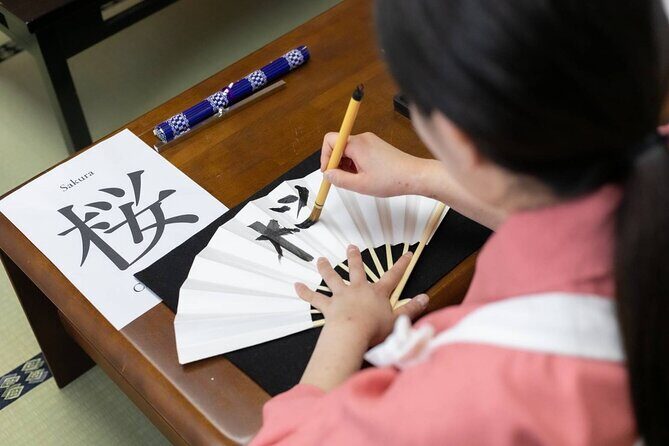
After your initial practice, you’ll write a final draft while keeping what you’ve learned in mind. The goal is not to create a museum piece. The goal is to complete a character (or characters) with correct stroke behavior and a result you can confidently take home.
Depending on the session flow, many people end up creating a finished calligraphy item, with practice pieces you can keep as well. One review mentions writing onto a fan and also making take-home pieces like scrolls, so you might find the final stage includes a more tactile, “this is now mine” format instead of only a flat page.
Right after the final draft, you’ll move into a photo shoot. You’ll capture your kimono outfit and your artwork. Smartphone photography is allowed as long as you follow the rules: no selfies and no photographing other guests. Recording videos on fixed tripods is also discouraged because it can interfere with others.
Then the teacher provides the souvenir photos digitally. The photography data is sent to your designated email address, which is perfect if you don’t want to juggle space on your phone during a kimono session.




Translation help: how the class stays friendly even if your Japanese is zero
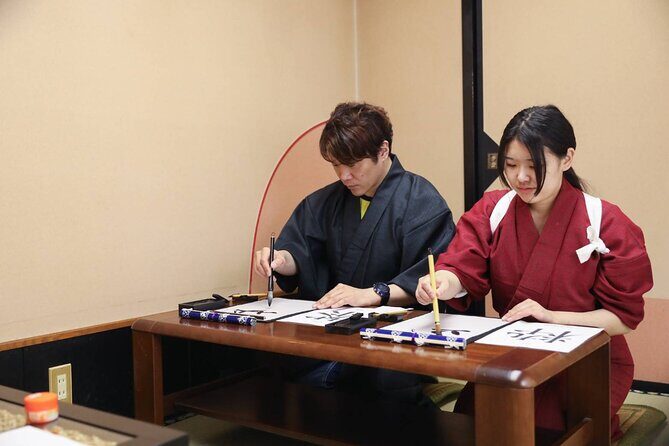
Default language is English. An English-Japanese (or Chinese-Japanese) translator helps you navigate language barriers during the class.
In practical terms, that means you can ask questions without guessing. You’ll still follow the teacher’s demonstrations, but the translator helps you understand what’s being asked of you when it comes to posture, brush technique, and stroke order.
If you want another language besides English, you’ll need to inquire, because staffing for languages other than the default can be limited. Plan for English if you’re booking last-minute.
Price and value: what $43.59 buys you for a short, focused hour
At $43.59 per person for about an hour, the value here comes from the mix of three things that are usually separate:
- A real guided skill lesson (shodo basics and stroke order)
- Traditional attire (kimono/hakama)
- Photos you don’t have to coordinate (captured during the class and delivered by email)
Many “photo only” kimono experiences cost more because the main goal is pictures. Here, you’re getting skill instruction that directly feeds your artwork and souvenir. Even if you’re a first-timer, the class is built for all skill levels, including kids, so you won’t feel behind.
Optional add-ons exist. For example, wagami (hair styling plus kanzashi) is offered as a paid option at ¥3,300 per person. If you want a fuller traditional look in your photos, that’s your route. If you’d rather keep it simple, you can skip it and still get the core experience.
Who should book this shodo-in-kimono class (and who should think twice)
This class is open to all skill levels, and kids can participate. If you’re traveling with a child, it’s rare to find a structured activity that works for both adults and beginners without turning into a “wait your turn” situation.
It’s also a good pick for people who want something calm after Osaka Castle—less walking, more focus, and a relaxed pace. One consistent theme in the feedback is that the atmosphere feels patient and supportive, especially for people who have never written kanji before.
But it’s not for everyone. The provided details say it’s not recommended for:
- back problems
- heart conditions
- stroller access (not stroller accessible)
Also, arrive prepared for a brief time in traditional clothing where you may sweat easily during practice with hakama or other gear. Wear comfortable clothing underneath and keep an eye on how you feel once you’re dressed.
Simple tips to make your session go smoothly
These are the small things that prevent most travel-day stress:
- Arrive early enough to settle in. If you’re more than 30 minutes late, entry may be refused.
- Use the restroom before dressing. It’s an easy line-item, and it saves you from awkward timing later.
- Bring your phone for photos, but skip selfies and avoid photographing other participants.
- Don’t set up a fixed tripod or record videos. It can disturb other guests and slow the flow.
- Plan for a liability waiver before the experience.
If you’re using maps, also build in a few extra minutes to spot the small storefront. Some people say Google Maps directions can be accurate, but the place is easy to walk past at first glance.
Should you book this Japanese calligraphy class near Osaka Castle?
Yes, if you want a short, structured cultural activity that gives you something tangible: a real shodo lesson, a character you practiced with stroke order, a name souvenir in kanji, and photos delivered to your email.
This is especially worth it if:
- you’re in the Osaka Castle area and want a calm change of pace
- you like hands-on classes with coaching
- you want a memorable kimono moment tied to an actual skill, not just pictures
Skip it (or at least consider alternatives) if:
- you need a lot of mobility support, because it’s not stroller accessible and includes dressing and practice positions
- you’re looking for a long, deep course in kanji or multiple alphabets with lots of background lectures
- you have back issues or heart conditions, since the class is not recommended for those needs
If you book, go in with the right expectations: think first drafts, guided technique, and calm concentration. You’ll leave with a souvenir that reflects effort, not just attendance.
FAQ
How long is the Japanese calligraphy class?
The class runs about 1 hour.
What’s the price per person?
It’s listed at $43.59 per person.
How many people are in the group?
The maximum group size is 10 travelers.
Can beginners and kids join?
Yes. The class is open to all skill levels, and kids can participate too.
Do I get photos from the class?
Yes. Photos are taken during the session and the data is sent to your designated email address.
Can I choose the kanji I want to practice?
Yes. You choose your favorite Japanese kanji to challenge yourself, and you practice its stroke order.
Will my name be included in the calligraphy?
You can expect a surprise wooden tag with the foreign name of the participants written in kanji characters chosen during the class.
What language is available for the class?
English is the default language. English-Japanese (or Chinese-Japanese) translation support is used during the session. Other languages can be requested by inquiry, but availability is limited.
Is there an optional hair accessory add-on?
Yes. Wagami (collected hair + kanzashi) is offered as a paid option for ¥3,300 per person.
Is smartphone photography allowed?
Yes. Smartphone photography is permitted as long as you do not take selfies or photograph other guests. Fixed tripods and video recording are discouraged.