REVIEW · TOKYO
Tokyo: Imperial Palace Japanese History Walking Tour
Book on GetYourGuide →Operated by Sunrise Adventure · Bookable on GetYourGuide
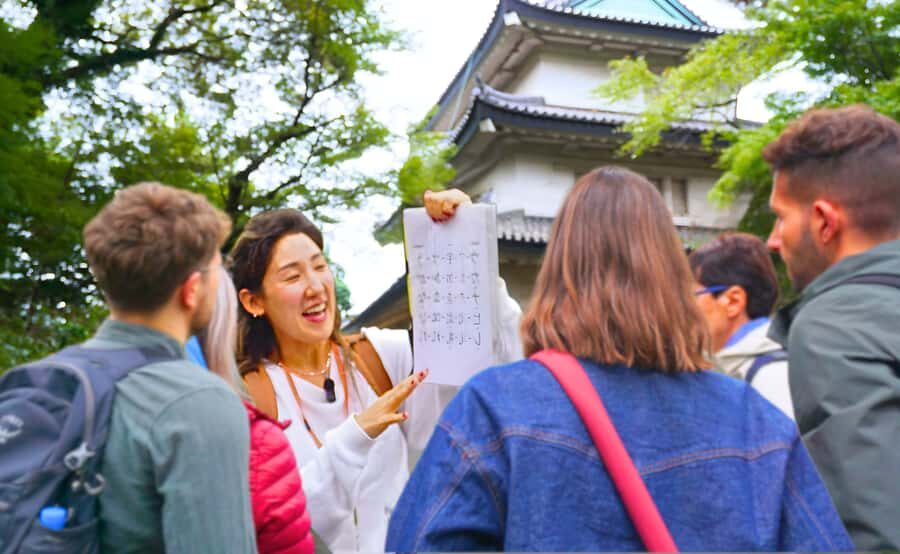
This guided Imperial Palace walk turns the grounds into a timeline you can actually follow, from Edo Castle days to the Emperor’s world. I like the way the tour is run—an interactive English-speaking guide keeps things clear and fun, with room for questions (I especially enjoyed the storytelling style of guides like Mika, Natsumi, and Laki when I read how they lead). You also get a real sense of place, because you’re walking where power used to sit, even if the original castle itself is gone.
I also love the tour’s mix of history and simple, beautiful details: the Eastern Gardens route leads you past samurai-era echoes, gifted trees, and a Japanese garden moment built around koi fish. One thing to think about first: this tour does not include the Inner Palace, and the route is still a walking tour around palace grounds, so it’s not a fit if you have mobility, back, or low-fitness limits.
In This Review
- Key Takeaways Before You Go
- Finding the Sunrise Adventure Guide at Starbucks by Wadakuramon
- Walking In Through Otemon Gate: What You’ll See on the Imperial Palace Grounds
- The Shogun-to-Emperor Story: How the Tour Explains Japan’s Power Shift
- Eastern Gardens Stops You’ll Actually Remember: Samurai Echoes, Bamboo, and Koi
- The grounds with a samurai-house feel
- The bamboo forest moment
- The mini ecosystem of royal koi
- Gift trees from across Japan
- The Four-Class Ranking System: Farmer, Samurai, Daimyo, Shogun
- Is $32 Good Value for an Imperial Palace History Walk?
- Rain or Shine: What to Wear, What to Bring, and Tour Rules
- Languages, Duration Feel, and Group Experience
- Who Should Book This Tour (and Who Might Want Another Option)
- Should You Book This Imperial Palace Japanese History Walking Tour?
- FAQ
- Where do I meet the tour guide?
- Does this tour include the Inner Palace?
- Is the tour a walking tour?
- What languages are available?
- What is included in the tour price?
- What is not allowed during the tour?
- Can I pay later and get a refund if I cancel?
Key Takeaways Before You Go
- English-speaking (and French-speaking) guides that explain what you’re seeing in plain terms
- Otemon Gate and Eastern Gardens on a route that feels calm, not rushed
- Edo Castle history without the castle, using stories and a miniature model to picture what disappeared
- Bamboo forest + photo stops that break up the walk with scenery
- Royal koi fish moment in the garden area, easy to slow down for
- Family-friendly questions and extra travel tips, depending on your guide (some even help with practical details like heat)
Finding the Sunrise Adventure Guide at Starbucks by Wadakuramon
Your tour starts with an easy target: head to Tokyo Station or Otemachi Station, then walk about 5 to 10 minutes to Wadakuramon Fountain Park. In the park, look for the nearby Starbucks and find your guide there, holding a sign for SUNRISE ADVENTURE.
This is one of those smart meeting points that saves time and stress. Tokyo can be confusing when you’re tired, and “meet at a fountain park” is far more workable than trying to decode a big station entrance. It’s also close enough that you can do a quick bite or restroom stop before you begin—helpful on rainy days, when you don’t want to be figuring that out while everyone is gathered.
You can also read our reviews of more walking tours in Tokyo

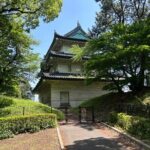

Walking In Through Otemon Gate: What You’ll See on the Imperial Palace Grounds
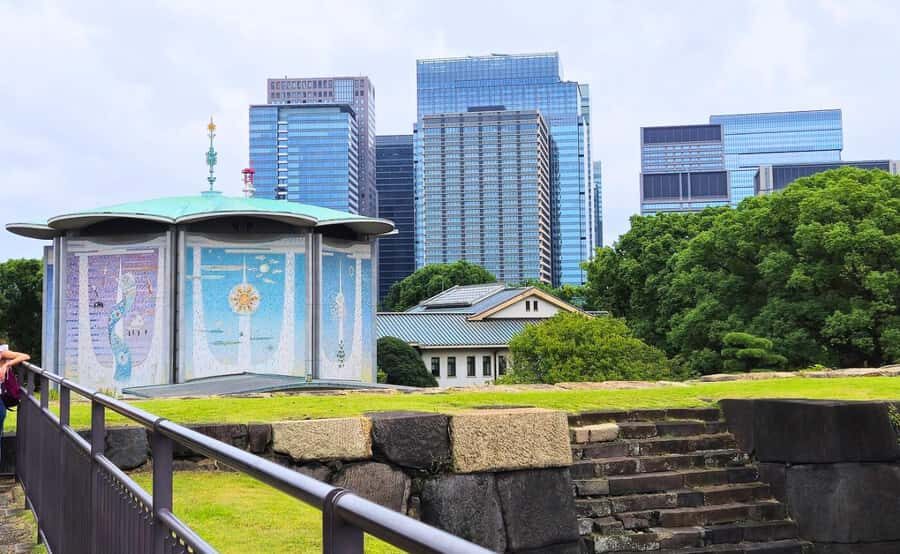
Once you’re matched up with your group, you’ll walk toward the big Otemon Gate area and then move around the palace grounds with your guide. Here’s the key expectation-setting: the original castle from the shogun era isn’t still standing. What you get instead is the story of how it worked and why it mattered—plus visual aids, including a miniature model that helps you picture what used to be there.
You’ll also see several “this is where history happened” moments. One of them is the site where Edo Castle once stood, over 350 years ago. Even if you can’t see Edo Castle walls today, your guide connects the dots—who held power, how the city grew, and how the palace complex became the political heart of a new era.
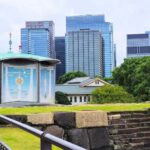
Along the way, you’ll spot interesting garden features and smaller historical cues, like an old samurai house area (as part of the walk) and the calmer feel of the gardens themselves. The palace grounds can be surprisingly peaceful, especially compared to the noise you’ll likely pass on the way in.
The Shogun-to-Emperor Story: How the Tour Explains Japan’s Power Shift
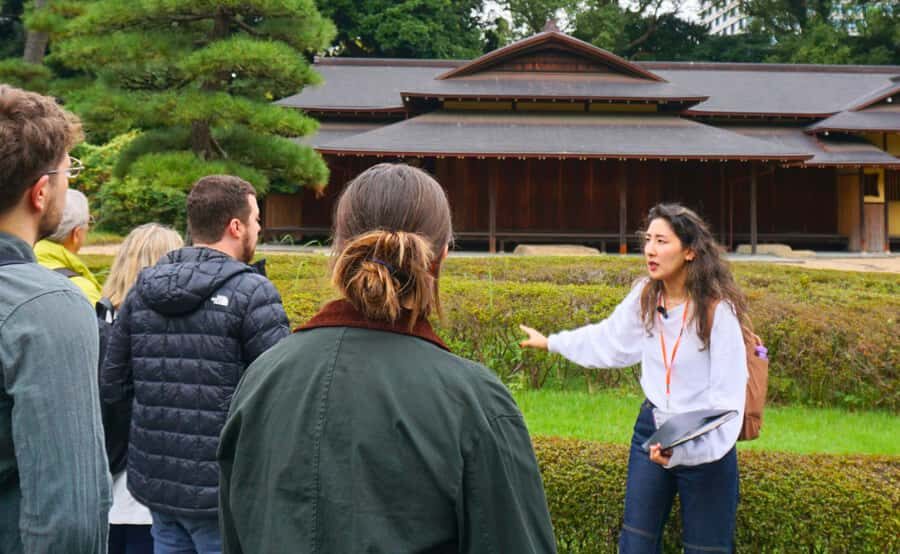
The headline promise of this experience is simple: you step into the shogun’s world and see how ambition shaped the foundations of modern Japan. The tour does that by threading one main change through the whole walk.
Your guide explains how the shogun’s castle world became the Emperor’s palace world. In other words, you’re not just looking at old stones and trees—you’re learning how Japan’s ruling system and identity shifted over time, and how the palace grounds became a symbol of that change.
A lot of the value here is that your guide doesn’t treat history like a list. You’re shown the physical logic of the place. Where things were positioned. Why the layout mattered. And how the same grounds can reflect different eras of rule—first shogun power, later imperial rule.
You can also expect the tour to touch the broader Edo-to-Meiji era change. Some guides lean into these transitions with extra context, so even if you only know a little about Japan’s timeline, you’ll leave with a clearer “before and after.”
Eastern Gardens Stops You’ll Actually Remember: Samurai Echoes, Bamboo, and Koi
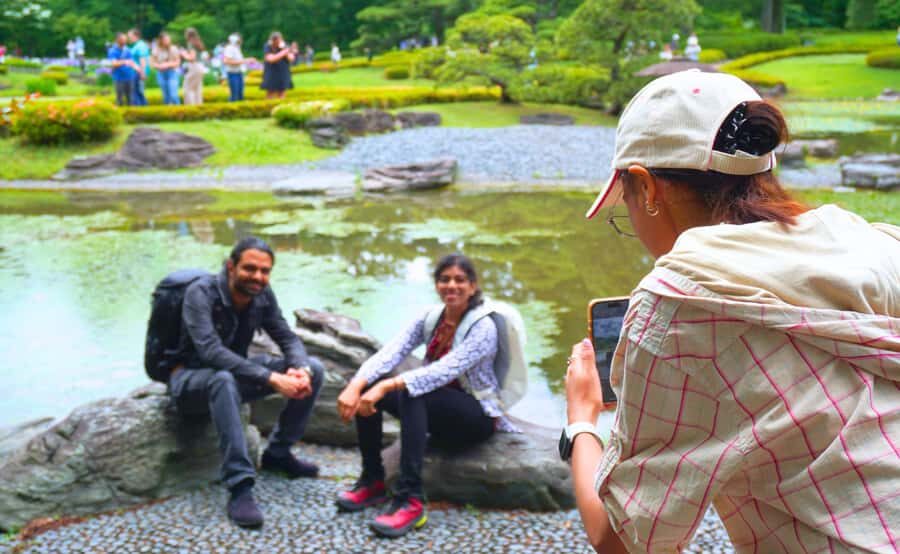
This is the part of the tour that feels like Tokyo at its best: history, but with breathing room. The Eastern Gardens give you that sense of “slow down,” and then your guide sprinkles in the story so the place doesn’t just become scenery.
Here are the stops that stand out in the tour experience:
The grounds with a samurai-house feel
You’ll visit an area that connects to older samurai life. It’s not a museum lecture. You’re seeing the site and learning how that kind of residence fit into a system where rank mattered (more on that soon).
You can also read our reviews of more historical tours in Tokyo

The bamboo forest moment
The tour includes a bamboo forest stop. Even if you’ve seen bamboo before, this works because it breaks up the day with a different texture and atmosphere. It also gives you a natural place to pause and take photos without feeling like you’re doing it at random.
The mini ecosystem of royal koi
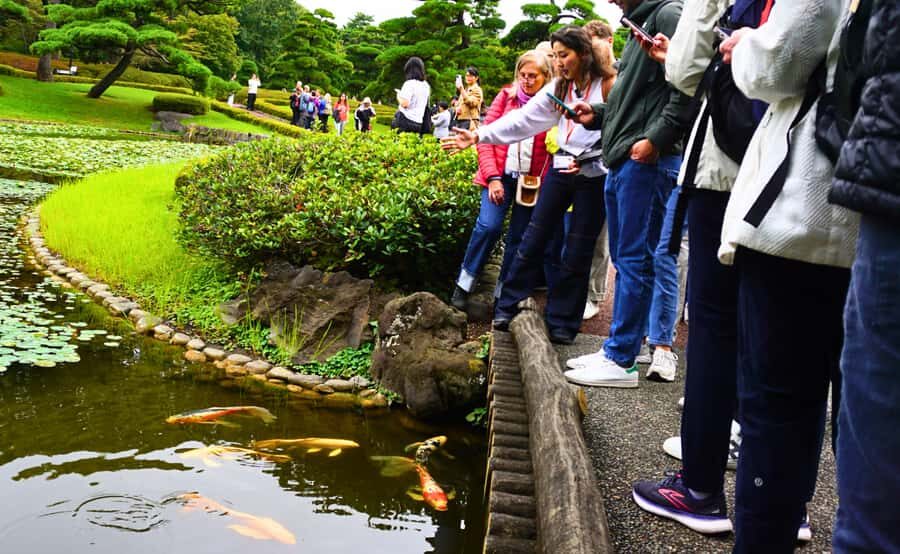
Then comes one of the most memorable visual moments: the royal koi fish in the garden area. It’s one of those stops where the tour turns from “look at this” to “notice how the whole garden is designed.” You’ll be guided to the right spots for photos, and it’s the sort of moment that makes the history feel human—because you’re watching living detail inside a place tied to authority.
Gift trees from across Japan
One of my favorite kinds of garden details is the “Japan as a network” idea, and this tour includes trees gifted to the emperor from different places. Your guide connects that to the politics of the era: the palace wasn’t just a home, it was a national symbol.
This part of the walk works especially well if you’re the type of traveler who likes both: a good story and a good photo. The tour gives you both.
The Four-Class Ranking System: Farmer, Samurai, Daimyo, Shogun

One of the most concrete highlights is learning the old ranking system: Farmer, Samurai, Daimyo, Shogun. The guide uses this framework to make sense of what you’re seeing around you.
That ranking system matters because it explains more than social status. It explains why the shogun’s world looked the way it did and why power was organized the way it was. When you hear the ranking out loud and then see the palace grounds through that lens, it stops being abstract.
This is where a good guide earns their fee. A strong explanation makes you feel like you’re holding a key to the place. And the tour’s interactive style tends to keep the ranking explanation grounded—your guide answers questions and keeps returning to the idea of “what this means” as you move.
Is $32 Good Value for an Imperial Palace History Walk?
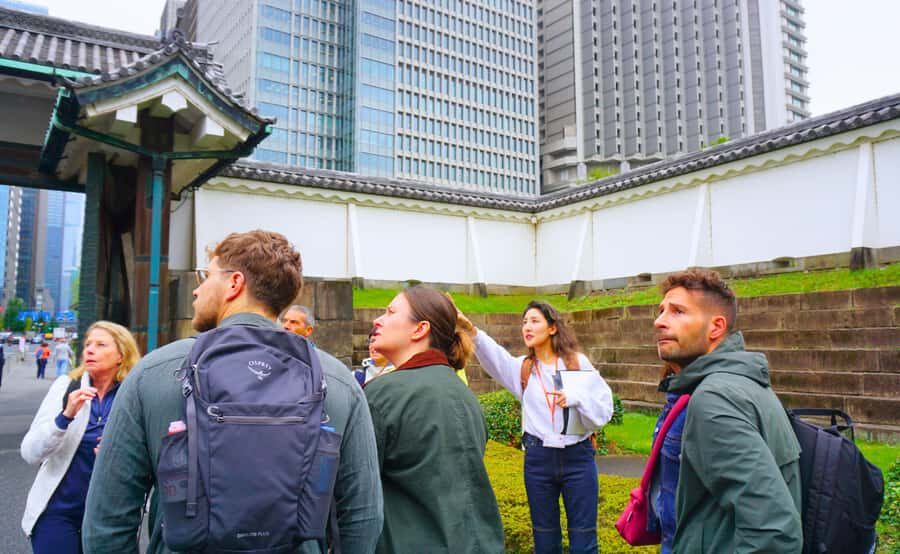
At $32 per person, this tour is priced like a “smart first day activity”—the kind that helps you start Tokyo with context instead of arriving overwhelmed. You’re paying for three things:
1) a guided walk around major palace grounds you might not understand on your own
2) a structured storyline (shogun → emperor, Edo Castle site, class system)
3) practical help and photo-friendly pacing
The guide also helps with other travel tips if you ask. Some guides go the extra mile with small practical touches like standing in shade when possible during hot weather and assisting with photo-taking. On insect-heavy days, you might also find your guide helpful with something like mosquito spray, which shows up in real experiences with guides.
You should also compare what’s not included. The Inner Palace is not open to the public, and this tour doesn’t include it anyway. If your dream is the tight, restricted inner areas, you’ll need a different plan. But if your goal is to understand the place and walk a meaningful route through the gardens, this price-to-content ratio feels fair.
Rain or Shine: What to Wear, What to Bring, and Tour Rules
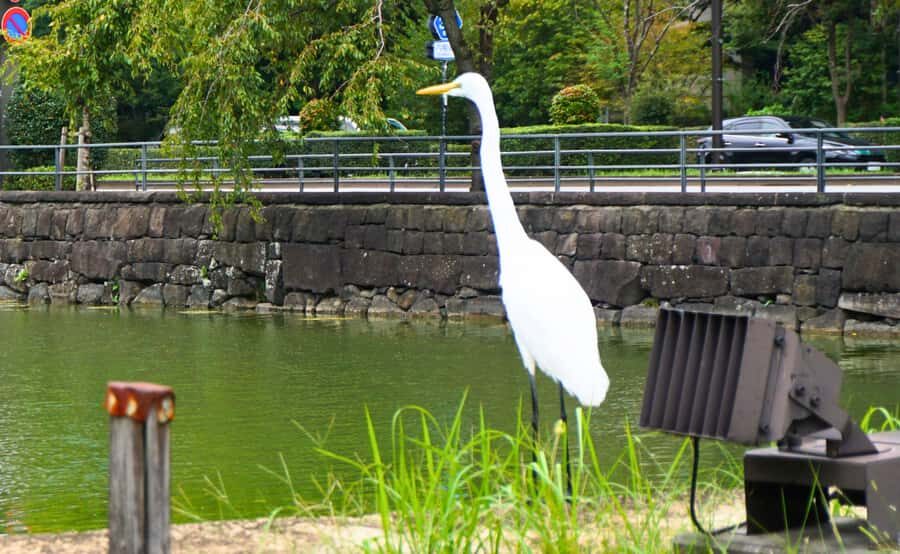
This tour runs rain or shine, so plan like it might drizzle. Wear weather-appropriate clothing and shoes that handle a steady walking pace. You’re on palace grounds, and the tour rules suggest you should be moving steadily, not stopping for long breaks.
There are also clear restrictions:
- no weapons or sharp objects
- no smoking
- no drones
- no alcohol and drugs
- no skateboards
- no making fire
That’s standard for a serious historic site visit, but it’s worth checking before you head out—especially if you’re carrying anything “just in case.”
Also note who should skip it:
- not suitable for pregnant women
- not suitable for people with back problems, heart problems, recent surgeries
- not suitable for mobility impairments or wheelchair users
- not suitable for low fitness
This isn’t a gentle stroll with total flexibility. It’s a walking tour, and the pace is part of how the guide keeps the story coherent.
Languages, Duration Feel, and Group Experience
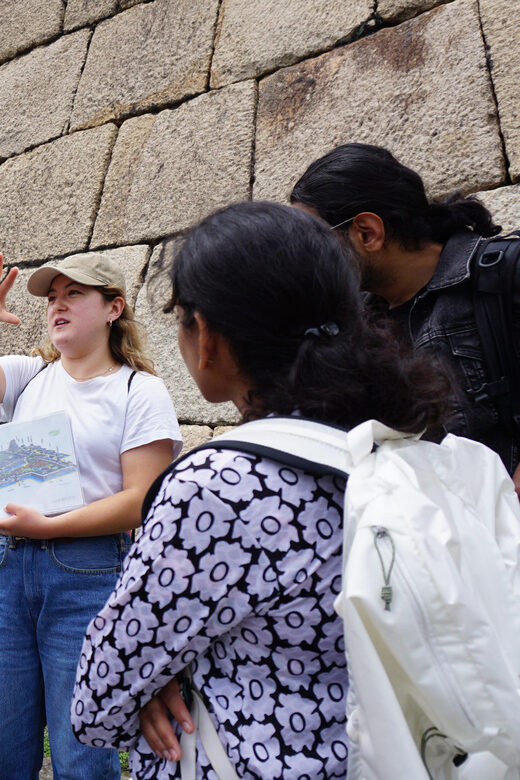
Tours are offered in English and French. In practice, your guide’s ability to explain clearly and keep the group engaged tends to be the difference between “interesting” and “worth it.” The tour’s format is designed for questions, and guides frequently use humor and conversational pacing to keep people with different interests on track.
As for timing, the walk is organized enough to fit a satisfying chunk of the morning or day. One review experience described the ruins and pacing as lasting around two hours, and that’s a useful mental estimate for planning.
Who Should Book This Tour (and Who Might Want Another Option)

Book it if:
- you want a history-first visit but also care about gardens and photo moments
- you like stories that connect power, place, and everyday structure
- you’d rather learn the Edo-era context while walking than read it later
Consider a different option if:
- your top priority is seeing the Inner Palace areas (this tour does not include that)
- you need a more accessible, low-movement experience
If you’re choosing a first Tokyo “culture” activity, this one makes sense. It gives you vocabulary for the imperial setting and the Edo-era past. Then your later self-guided strolls feel easier because you already understand what the grounds represent.
Should You Book This Imperial Palace Japanese History Walking Tour?
Yes, if you’re happy with Imperial Palace Eastern Gardens and the Edo-to-Emperor story as your core goal. The tour’s biggest strength is that it’s not just scenic: it turns the space into a timeline you can follow, guided by an English-speaking host who keeps things understandable and interactive. At $32, it’s a strong value for the mix of gardens, meaningful stops, and context.
Skip it only if your must-see list includes Inner Palace access, or if your body can’t handle a walking tour around palace grounds rain or shine.
If you’re ready to see Tokyo’s power history without getting stuck in a classroom vibe, this is a very solid pick.
FAQ
Where do I meet the tour guide?
Meet at Starbucks near Wadakuramon Fountain Park. From Tokyo Station or Otemachi Station, it’s a short 5 to 10 minute walk to the park, and your guide will be holding a sign with the Sunrise Adventure logo.
Does this tour include the Inner Palace?
No. This tour does not include access to the Inner Palace, and it is noted as not open to the public.
Is the tour a walking tour?
Yes, it is a guided walking tour around the Imperial Palace grounds and Eastern Gardens. It is not suitable for people with low fitness, mobility impairments, or back/heart problems.
What languages are available?
The tour is offered in English and French.
What is included in the tour price?
You’ll get a guided walking tour with an English-speaking guide (plus beautiful garden time and photo stops), including highlights such as the bamboo forest and royal koi fish, and the guide can help with other travel tips.
What is not allowed during the tour?
Weapons or sharp objects, smoking, drones, alcohol and drugs, skateboards, and making fire are not allowed.
Can I pay later and get a refund if I cancel?
Yes. You can reserve and pay later, and you can cancel up to 24 hours in advance for a full refund.