REVIEW · TOKYO
Tokyo: Calligraphy Workshop Craft Your Own Art in Asakusa
Book on GetYourGuide →Operated by Localized Walking & Food Tours · Bookable on GetYourGuide
Brush and ink, in Tokyo, for real. This Asakusa Tokyo calligraphy workshop teaches Japanese shodo with clear guidance from Mei, using both traditional brushes and a modern fude pen for extra control. What I like most is the hands-on focus on stroke order and technique, and the fact you leave with a finished piece you can actually hang at home.
The class runs about 90 minutes in a small group (up to 10). One catch: transportation isn’t included, and the meeting point is on the 5th floor of Tokyo Tourist Lounge Asakusa, so you’ll want to plan how you’ll get there before the start.
In This Review
- Key Highlights You Should Care About
- Asakusa Shodo: Why This Tokyo Calligraphy Class Feels Different
- The 90-Minute Flow: From Stroke Order to Your Finished Piece
- Traditional Brushes and the Fude Pen: Precision Without Losing the Magic
- What You’ll Make and Take Home (So It’s Not Just a Photo Op)
- Mei’s Teaching Style: Clear, Patient, and Practical
- Small Group, Big Attention: Up to 10 People
- Price and Value: Is $38 Worth a Tokyo Workshop?
- Logistics That Matter: Meeting Point and How to Plan Your Arrival
- Who This Workshop Fits Best (And Who Might Skip It)
- Should You Book the Tokyo Calligraphy Workshop in Asakusa?
- FAQ
- Where is the workshop meeting point?
- How long is the calligraphy workshop?
- Is the class suitable for beginners?
- What tools do I use during the workshop?
- What do I take home?
- Is transportation included?
Key Highlights You Should Care About
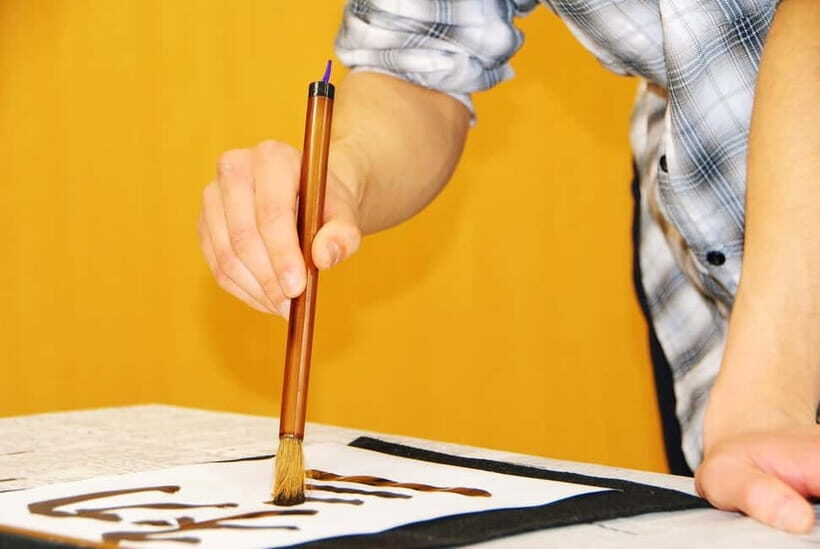
- Up-close instruction in shodo: English-speaking teaching that works for beginners
- Two tools for two effects: classic brushes plus a precise modern fude pen
- Real practice first: brush control and stroke order before your final character
- A take-home artwork: you’ll produce something for the wall or shelf
- Small group vibe: limited to 10 participants, so you get individual attention
Asakusa Shodo: Why This Tokyo Calligraphy Class Feels Different
If you’ve ever watched calligraphy done in Japan, you’ve probably noticed how calm it looks. This workshop keeps that spirit, but makes it practical for you. You’re not just looking at examples. You’re making strokes, correcting them, and building the muscle memory that makes Japanese brush writing look effortless.
Asakusa also helps. It’s one of Tokyo’s most historic areas, so the setting fits the activity. Instead of fitting calligraphy into a crowded day of stops, you get a focused cultural session in one place. That contrast matters. Tokyo can feel fast. A room of people concentrating on ink is a nice reset.
I also like that the instruction is designed for first-timers. The workshop is explicitly beginner-friendly, with no prior experience needed. You’ll learn the basics—brush control, stroke order, and core calligraphy techniques—then apply them to characters of your choice.
And yes, you’ll leave with your own work. A calligraphy class isn’t as satisfying if you don’t get something tangible. Here, you do.
A few more Tokyo tours and experiences worth a look


The 90-Minute Flow: From Stroke Order to Your Finished Piece
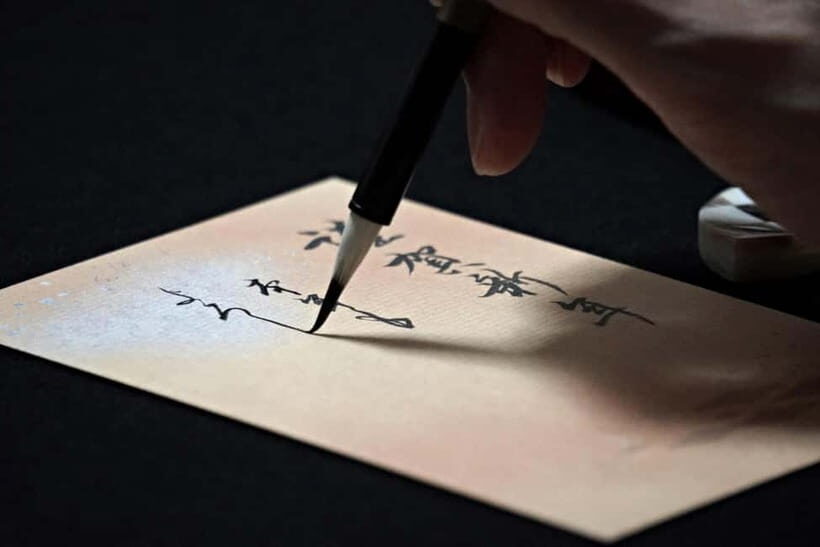
The workshop structure is simple, but it’s built to get you results fast. In the first part, you’ll train the fundamentals. Think of this as building the “rules” your hand needs.
You start with brush control and stroke order. That means learning how to hold the brush, how much pressure to use, and how each stroke is supposed to move through the paper. Even if you’re starting from zero, that step-by-step approach helps you avoid the most common beginner issue: copying shapes without understanding how the stroke is meant to travel.
Next comes basic calligraphy techniques. This is where you learn how to form characters cleanly, how to keep spacing, and how to avoid wobbling when your arm gets tired. Some of the teaching tools mentioned in the workshop experiences—like helpful templates—are especially useful here. Templates give you a framework, so your practice time goes toward accuracy, not guessing.
Then you move into your creative part. You’ll write characters you choose, using the tools provided. By the end, you’re not leaving with sketches or “practice sheets” only. You produce a final calligraphy artwork to take home.
Depending on what format the class offers on the day, your finished piece may be made as a scroll, a fan, or a hard-backed square. The key point: you’ll leave with something you can display.
Traditional Brushes and the Fude Pen: Precision Without Losing the Magic
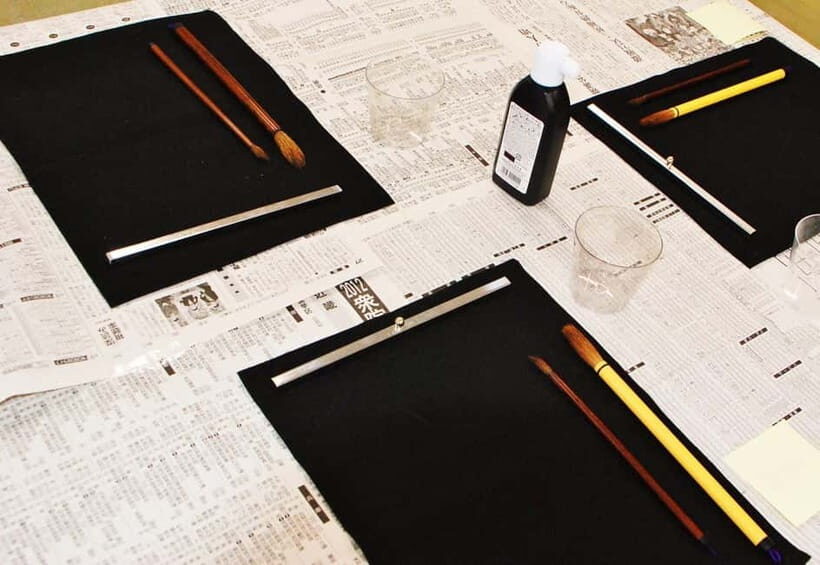
This is one of the smartest parts of the workshop. You’re not forced to choose between tradition and convenience.
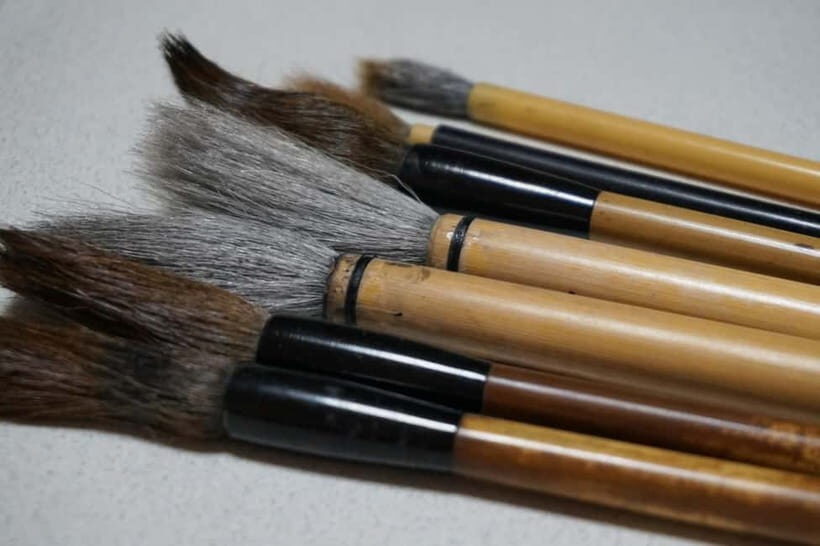
Traditional brushes are great because they teach the real feel of brush writing: pressure changes width, speed affects texture, and stroke direction matters. That’s where shodo becomes more than lettering. It becomes a controlled art of movement.
But beginners also need a safety net. That’s where the modern fude pen can be a big help. It’s still “brush-like,” but it’s more forgiving for fine control, especially when you’re practicing strokes for the first time. With the pen, you can focus on shapes and rhythm without fighting the mechanics of a traditional brush as much.
In practice, this tool combo lets you do both:
- Learn the classic technique (with traditional brushes)
- Refine and clean up (with the fude pen when precision matters)
So you end up with a final piece that looks intentional, not like it came from a hurried first attempt. That balance is exactly what many people hope for in a beginner class.
What You’ll Make and Take Home (So It’s Not Just a Photo Op)
A lot of activities in Tokyo give you photos. This one gives you something you can keep.
You’ll create your own calligraphy artwork during the session, and it’s meant to be taken home. Based on what participants described, the final product can come in a few formats—like a scroll, a fan, or a hard-backed square. Any of those options work well as souvenirs because they’re clearly tied to your own chosen characters and your practice during class.
Here’s why that matters for value. A workshop at this price only feels worth it if it produces a real keepsake. With calligraphy, your hand does the work, so your final piece carries your effort. When the class goes well, it doesn’t feel like craft project homework. It feels like you brought home a small piece of Japanese art and personal practice.
Also, because you’ll have an instructor guiding you, your final output is more likely to look like calligraphy rather than random brush marks. The focus on stroke order and technique helps you reach a clean result.
Mei’s Teaching Style: Clear, Patient, and Practical
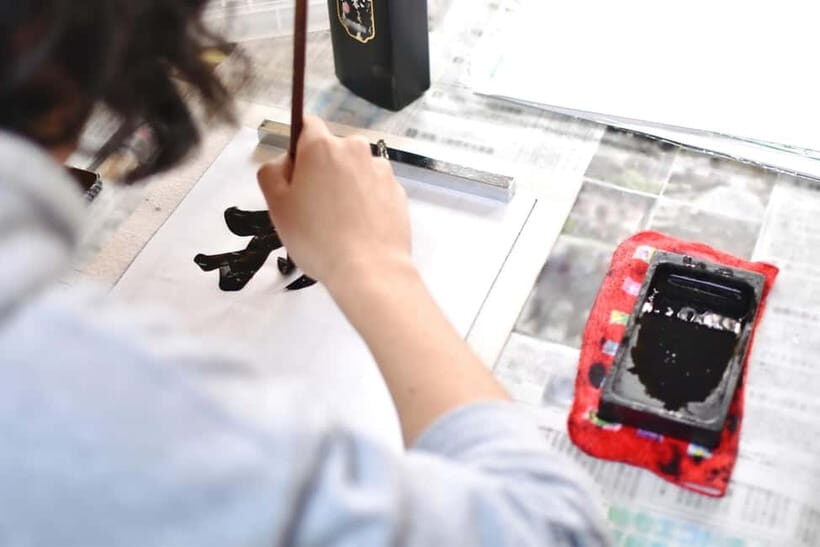
The instructor for this workshop is Mei, and her English instruction is specifically noted. That matters more than people think. When you’re learning brush control, you need corrections that make sense in your language. You can’t rely on body language alone, because one tiny change in grip or pressure can shift the whole character.
What I’d call the strongest theme here is patience. Multiple people described Mei as gentle, kind, and very supportive, with plenty of guidance while they practiced. That’s important for beginners, especially if you’re the type who wants to get it right the first time. Calligraphy punishes impatience. Mei’s approach seems to reduce that pressure and keep you practicing long enough to actually improve your strokes.
Another advantage: Mei doesn’t just teach the mechanics. The workshop includes history and cultural context, so you’re not writing characters with no meaning. You learn why shodo matters, how it fits into Japanese writing, and how strokes connect to tradition. That context turns “learning letters” into learning the craft.
You’ll also notice the studio experience is described as calm and peaceful. Tokyo outside can feel loud. Inside, you get quiet focus, plus time to refine your technique.





Small Group, Big Attention: Up to 10 People
With a small group capped at 10, this class avoids the “mass lesson” feeling. It’s easier to get feedback when fewer hands are moving at once. In calligraphy, tiny adjustments are everything.
A small group also helps you slow down. You’ll practice stroke order and basic techniques before writing your final character, and that pacing works better when you’re not competing with dozens of people.
If you’re traveling solo, you still get structure and support rather than an awkward, do-it-yourself feel. If you’re traveling with friends, you get the shared experience without losing instruction quality.
This is especially good for adults and also for people who want a calm activity that isn’t physically intense. If you want a thoughtful break from sightseeing, this hits that target.
Price and Value: Is $38 Worth a Tokyo Workshop?
At $38 per person for about 90 minutes, this workshop sits in the “serious value” category for Tokyo. Why? Because you’re not paying only for instruction time. You’re paying for materials, tools, an English-speaking instructor, and a take-home artwork.
Here’s what makes that cost feel reasonable:
- You get guided practice (not just observation)
- You use both traditional brushes and a modern fude pen
- You take home the finished piece you create
- The group size stays small (up to 10), so instruction has room to breathe
If you compare it to other paid activities that mostly give you entertainment, this one gives you a skill and a souvenir. The souvenir isn’t generic either, since you can write characters of your choice and work on strokes with instruction.
One thing to consider is time. Ninety minutes isn’t a full-day immersion. It’s a focused introduction. If you want multiple skill-building sessions, this is a great first step, not the final stop.
Logistics That Matter: Meeting Point and How to Plan Your Arrival
The meeting point is Tokyo Tourist Lounge Asakusa, located on the 5th floor. Transportation to and from the workshop isn’t included, so you’ll need to handle your own route.
That doesn’t mean it’s difficult. It just means timing matters. Arrive a few minutes early so you can find the floor and get settled before the session starts. If you’re navigating Tokyo for the first time, give yourself a little buffer. A workshop depends on starting on time.
Also, check the schedule for your specific date since the duration is listed as 90 minutes and the overall length is typically 1 to 1.5 hours depending on the slot. For a day with lots of walking, you’ll want to plan a calmer block around it.
Who This Workshop Fits Best (And Who Might Skip It)
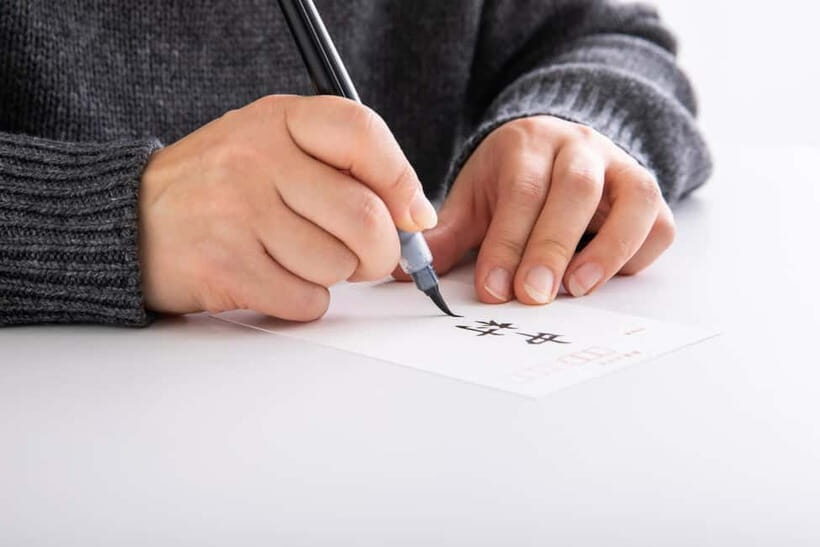
This is a strong fit if:
- You’re a beginner and want structured instruction
- You want a calm, hands-on cultural activity
- You want a take-home artwork that looks like real shodo
- You like the idea of learning with both brush and fude pen tools
- You prefer an English-led class in a small group
You might consider skipping if:
- You’re trying to pack in as many major sights as possible and don’t want to commit time to practice
- You’re looking for a guided city tour rather than a studio-based art session
For most people, though, it lands in the sweet spot: meaningful, practical, and short enough to fit into a Tokyo itinerary without stress.
Should You Book the Tokyo Calligraphy Workshop in Asakusa?
Book it if you want something hands-on, beginner-friendly, and genuinely portable as a souvenir. The combination of English instruction, stroke-order training, and a final artwork you take home makes the $38 price feel fair.
I’d especially recommend it when you want a breather from Tokyo’s pace. A 90-minute focus on ink, guided by Mei, is exactly the kind of experience that makes a trip feel personal instead of just photographed.
If you have time to spare, this can also be the start of a longer interest in Japanese crafts. One class gives you enough technique and cultural context to know whether you want more.
FAQ
Where is the workshop meeting point?
You meet at Tokyo Tourist Lounge Asakusa, located on the 5th floor of the building.
How long is the calligraphy workshop?
The duration is 90 minutes. It’s listed as 1 to 1.5 hours depending on the session time.
Is the class suitable for beginners?
Yes. The workshop is suitable for beginners and requires no prior experience.
What tools do I use during the workshop?
You use traditional brushes and a modern fude pen (brush pen). Both are included in the class.
What do I take home?
You take home your own personal calligraphy artwork created during the workshop.
Is transportation included?
No. Transportation to and from the workshop is not included.