REVIEW · KYOTO
Near Fushimiinari: Kyoto Home Cooking Class & Supermarket tour
Book on Viator →Operated by Japanese cooking class & walking tour · Bookable on Viator
Smelling dashi in a real Kyoto kitchen. This near-Fushimi Inari home cooking class pairs hands-on lunch prep with a short supermarket walk so you can recreate the flavors at home. I like the small group size (up to six) and the way the lesson connects cooking steps to real ingredients you’ll see in-store. One thing to weigh: there’s no hotel pickup, so plan on getting yourself to the meeting point.
You’ll start in a local-style house, learn core Japanese cooking basics like dashi (that everyday soup stock), then cook multiple dishes before eating in a traditional room with a garden view. After lunch, you’ll visit a supermarket together for about 30 minutes, with practical guidance for picking what you actually need.
In This Review
- Key highlights at a glance
- Price and what you truly get for $118.92
- Where to go near Fushimi Inari (and how to make it easy)
- Inside the Kyoto house: a hands-on lesson built around dashi
- The part you’ll remember: cooking together, then eating in a traditional room
- Vegetarian options
- The supermarket tour: shopping like a cook, not a tourist
- English instruction that actually helps you follow the steps
- Timing and pacing: how this fits in a Kyoto day
- Who should book this class (and who might not)
- Should you book Near Fushimiinari: Kyoto Home Cooking Class & Supermarket tour?
- FAQ
- Is the cooking class near Fushimi Inari?
- How long is the experience?
- Do I need to speak Japanese?
- What’s the group size?
- What’s included in the price?
- Can I cancel if my plans change?
Key highlights at a glance
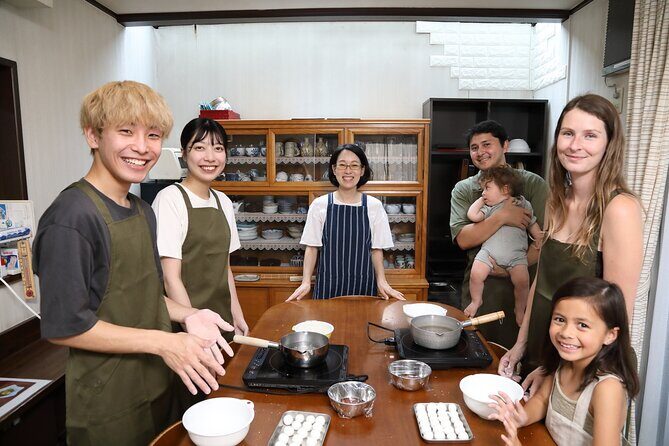
- Hands-on cooking for about five dishes with instructor demos first
- Dashi as the foundation, since it shows up in much of Japanese home cooking
- Traditional tatami-room lunch with garden views before you move to shopping
- English instruction with licensed guide interpreters
- Supermarket ingredient tour (about 30 minutes) so you can shop smarter later
- Small group (max six) for more time to ask questions and get technique feedback
Price and what you truly get for $118.92
At $118.92 per person for about 4 hours, this isn’t a bargain cooking class. But it also isn’t just a ticket to stand and watch. You’re paying for a full, structured experience: a sit-down lunch you help cook, ingredient and seasoning coverage for the lesson, and an instructor who stays with you through both the cooking and the supermarket segment.
Here’s what makes the price feel more fair:
- Lunch is included, and the meal is part of the class experience, not an afterthought.
- All seasonings and cooking ingredients are included, which removes the usual friction of figuring out what to buy for one afternoon.
- A supermarket visit is included (about 30 minutes). That alone turns the class into something you can replay at home, instead of a one-time memory.
- The experience is designed for a maximum of six people, so it doesn’t feel like you’re squeezed into a big crowd.
A small heads-up: drinks aren’t included, so if you like having a beverage with your meal, budget for that separately. Also, while this experience is near public transportation, it doesn’t include hotel pickup or drop-off, so you’ll need to plan your own route.
If you want a simple, no-stress way to get from Kyoto street life into actual kitchen practice, this format is strong.
You can also read our reviews of more cooking classes in Kyoto
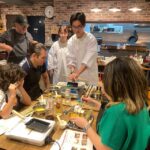
Where to go near Fushimi Inari (and how to make it easy)
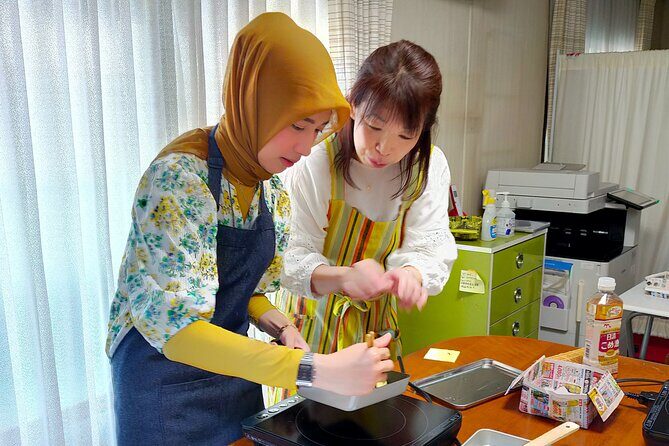
The meeting point is listed at 38-4 Fukakusa Watamorichō, Fushimi Ward, Kyoto (612-0022), and the start time is 9:30 am. The activity ends back at the meeting point.
What matters for you here is logistics:
- It’s described as near public transportation, so you should be able to reach it without a taxi.
- Because there’s no hotel pickup, you’ll want to be comfortable walking a bit or taking local transit with a simple destination.
- The location being near Fushimi Inari shrine is a big advantage. If you’re building your day around that area, this can fit naturally without dragging across town.
One more practical factor: the experience requires good weather. If conditions are poor, you’ll be offered a different date or a full refund. That’s worth considering if you’re booking for the rainy season.
Inside the Kyoto house: a hands-on lesson built around dashi
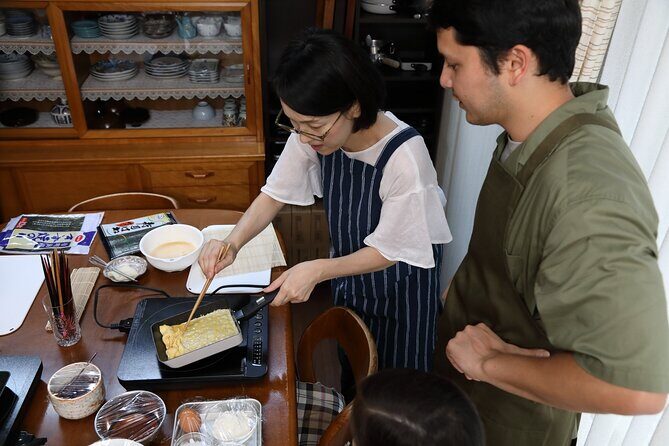
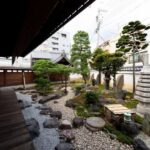
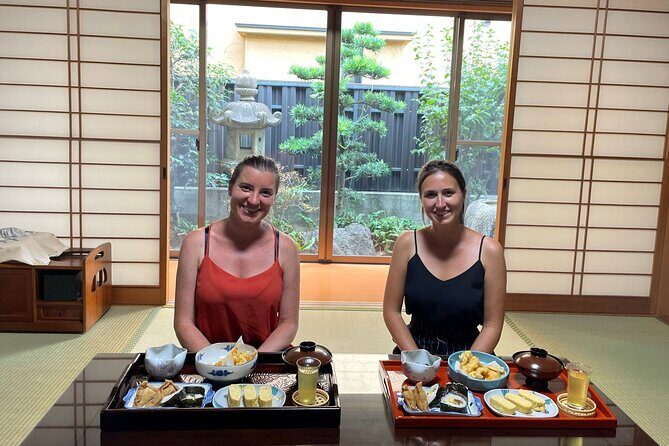
The cooking portion happens in a local Japanese home setting, not a studio kitchen. In past sessions, participants have commented on the classic feel of the venue: tatami mat flooring, a traditional room layout with a tokonoma (display alcove), and a tranquil garden view. That matters more than it sounds. It sets expectations for how you’ll learn—calm pace, simple tools, and a focus on technique.
The lesson usually follows a clear flow:
- Start with dashi
Dashi is a Japanese soup stock that shows up across everyday cooking. Learning it early gives you a foundation, so the rest of the dishes make more sense. Even if you’ve cooked elsewhere, this is where Kyoto home cooking starts to feel distinct.
- Instructor demonstrations before you cook
You’ll see how the instructor builds dishes step by step, then you’ll take over. This is the part that helps you avoid the common mistake of blindly following instructions that never click.
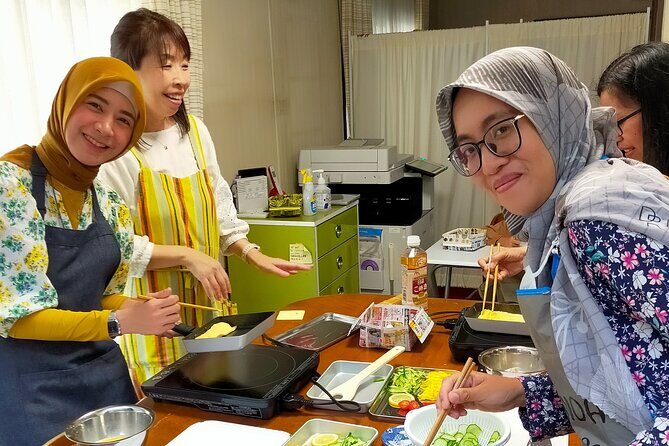
- You prepare about five dishes
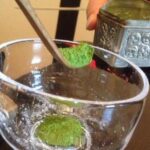
The experience is designed so you cook, not just observe. In one documented session, the class included making miso soup, matcha, sushi, spinach salad, and tempura. Another highlight from the same overall format: many classes end with mochi made by the group.
Because the group is small, you’re more likely to get real feedback on your technique—things like how to manage temperature, seasoning balance, and timing.
The part you’ll remember: cooking together, then eating in a traditional room
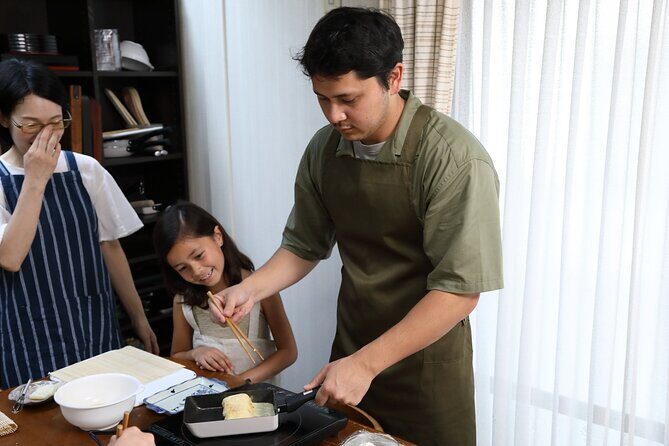
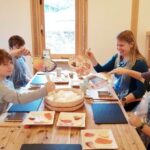
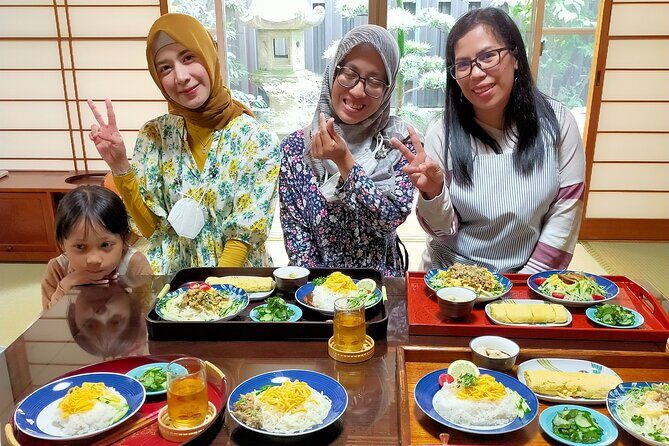
After you cook, you don’t just receive a plate and move on. You sit down together in a traditional Japanese room and enjoy what you made.
This is more than a meal break. It’s a teaching moment.
When you eat the dishes you prepared, you can connect three dots:
- how the dashi base changes the flavor,
- how each dish’s texture and seasoning come together,
- and what your instructor meant by certain step-by-step guidance.
Past participants also praised the cleanliness and comfort of the space. One review noted the group had water and Japanese snacks on arrival, which is a nice touch for a morning start.
If you’re wondering whether the meal feels like a show or a real shared dining moment: the structure points toward the real thing. You cook first, then you eat calmly in the same traditional setting—tatami room, garden view, and a pace that doesn’t feel rushed.
Vegetarian options
One review specifically noted the instructor can cater to vegetarians. If dietary needs matter to you, treat this as a confirmation that you can ask ahead and plan based on your preferences.
A few more Kyoto tours and experiences worth a look


The supermarket tour: shopping like a cook, not a tourist
Here’s what makes this experience unusually practical: after lunch, you go to a local supermarket together for about 30 minutes.
This isn’t a sightseeing detour. The whole point is ingredient literacy—helping you answer questions that puzzle most visitors in Japan:
- which product is the right one for the dish you learned,
- how ingredients are packaged,
- and what you can swap at home when you can’t find an exact match.
Participants have said that understanding what’s in the store isn’t simple on your own. With an English-speaking instructor there, you get guidance while you’re actually in front of the shelves, which is when it clicks.
You may also have the option to buy ingredients to recreate your dishes for family and friends. Even if you don’t shop that day, the experience of seeing everything together makes your later Kyoto food walks less confusing.
English instruction that actually helps you follow the steps
The class is conducted entirely in English, and instructors are described as licensed guide interpreters. That’s important in cooking, because half the battle is understanding timing, texture cues, and why a step matters.
It’s also stated that the experience allows both English and non-English speakers. In practice, a small group and hands-on setup usually helps everyone keep up, especially when you can ask questions during the cooking.
If you’re a solo traveler: this is one of the stronger formats for meeting people without awkward small talk. You work side-by-side, then eat together, and the supermarket walk gives the conversation a natural topic.
Timing and pacing: how this fits in a Kyoto day
You’re looking at about 4 hours total, starting at 9:30 am. With the class set near Fushimi Inari, you can pair it with shrine time either before or after.
A good way to plan:
- arrive with enough time to settle in,
- expect a full morning session (cooking + lunch + supermarket walk),
- and keep your afternoon flexible in case you want to continue shopping for Japanese pantry items.
Because you return to the meeting point at the end, it’s straightforward to transition to other plans in the area.
Who should book this class (and who might not)
You’ll probably love this if you want:
- real home-cooking technique, not just a tasting,
- a class where you cook multiple dishes (about five),
- a small group so you can ask questions,
- and a recipe-friendly outcome that doesn’t end when you leave the kitchen.
This also makes sense for you if you’re visiting Kyoto for a short time and want one experience that covers both food skills and ingredient understanding.
You might hesitate if:
- you prefer a fully guided walking day with lots of sightseeing (this is centered on cooking and a short supermarket segment),
- you don’t want to handle your own transit to the meeting point (no pickup/drop-off),
- or you’re traveling during a period when weather is unpredictable and you’d rather avoid any outdoor-adjacent risk (the experience requires good weather).
Should you book Near Fushimiinari: Kyoto Home Cooking Class & Supermarket tour?
If you want a Kyoto experience that turns into something you can actually cook later, this one is a strong choice. The combination of hands-on cooking, a structured focus on dashi, a calm traditional meal, and the practical supermarket ingredient tour makes it feel like more than entertainment.
Book it if:
- you like learning by doing,
- you want English instruction,
- and you value leaving with a clearer picture of Japanese ingredients.
Skip it (or consider alternatives) if:
- you only want a quick snack stop,
- you hate shopping or labeling challenges,
- or you’re not comfortable getting yourself to the meeting point by transit.
Overall, the format fits nicely with Kyoto travel: one morning, one local kitchen, and a shopping lesson that helps your future meals taste less like guesswork.
FAQ
Is the cooking class near Fushimi Inari?
Yes. The class is held at a convenient location near Fushimi Inari shrine, and the meeting point address is provided at 38-4 Fukakusa Watamorichō, Fushimi Ward, Kyoto.
How long is the experience?
It lasts about 4 hours.
Do I need to speak Japanese?
No. The class is conducted entirely in English, and instructors are licensed guide interpreters.
What’s the group size?
The experience has a maximum of six travelers.
What’s included in the price?
Lunch is included, along with all seasonings and cooking ingredients for the lesson, an English-speaking instructor, and a local supermarket tour for about 30 minutes. Drinks and gratuity are not included.
Can I cancel if my plans change?
Yes. You can cancel for a full refund up to 24 hours before the experience start time. If it’s canceled due to poor weather, you’ll be offered a different date or a full refund.