REVIEW · YOKOHAMA
EVO, WRX, Skyline – JDM Night Run to Daikoku Car Meet
Book on GetYourGuide →Operated by FuryTours · Bookable on GetYourGuide
Tokyo at night, then the car meet scene.
What makes this run special is the mix of JDM legend cars and proper Tokyo sightseeing: you start in Shibuya, cruise the Wangan Expressway style route, and finish with a real hangout stop at Daikoku Parking Area. I especially like the rhythm of the night (driving time plus real photo/free time), and I also like that you get small club perks like JDM accessories such as caps and T-shirts. One drawback to plan for: it’s a shared passenger experience, so you’re not going to get a private, fully flexible route, and Daikoku may close and get swapped to an alternative meet spot.
The good news is that this tour is built for people who want more than a quick drive-by. It’s guide-led, the tour includes highway tolls and gasoline, and the stops are timed so you can actually enjoy each place instead of sprinting through them. Just note it’s not for everyone: motion sickness folks and anyone sensitive to fast highway driving should think twice.
In This Review
- Key things I’d circle before you book
- Daikoku PA after dark is the real reason you come
- WRX/EVO/Skyline-style night driving for $125: does it feel like value?
- Meeting by Firedori Starbucks: go early and confirm your exact spot
- What four hours feels like once the highway starts
- Stop 1: Daikoku Parking Area, the one-hour photo-and-walk moment
- Stop 2: Autobacs Shinonome break and a quick JDM shopping hit
- Rainbow Bridge and Tokyo Tower: short stops that actually matter
- Rainbow Bridge, Tokyo
- Tokyo Tower
- Shared passenger tour reality: what you gain and what you give up
- Guide-led driving: how the names you’ve seen connect to the experience
- Rules that keep things smooth in a moving city
- Should you book the JDM Night Run to Daikoku Car Meet?
Key things I’d circle before you book
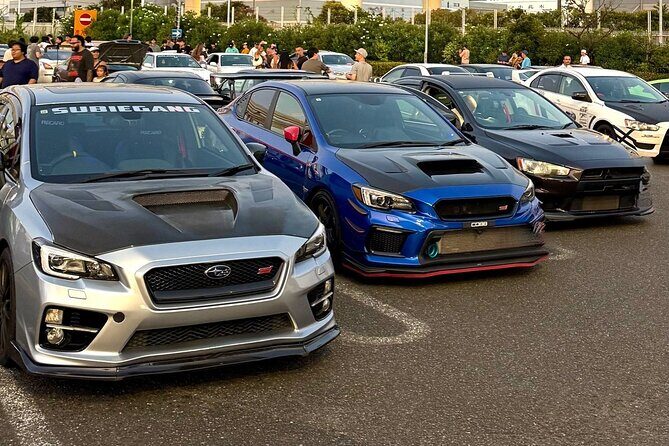
- Daikoku PA gets you close to real car culture: you’ll have about one hour there for photos and walking around.
- Highway night driving is the main event: the ride focuses on the Wangan-style expressway feel, not slow city lanes.
- Tuned Tokyo icons, not random stops: Rainbow Bridge and Tokyo Tower are short, sharp photo windows with night views.
- A-pit style shopping break: you get around 30 minutes at Autobacs Shinonome to browse and grab souvenirs.
- You’ll likely get a guided soundtrack: guides have brought playlists along for the ride, which sets the tone.
- Daikoku can change on the fly: if it closes without notice, you’ll still see car meets at alternate spots.
Daikoku PA after dark is the real reason you come
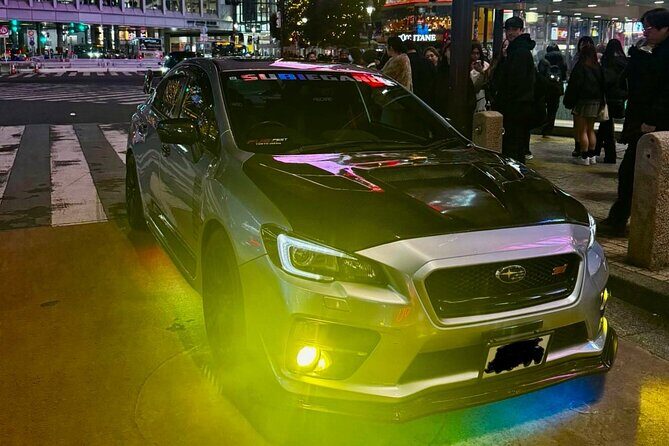
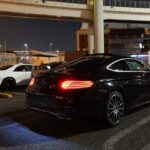
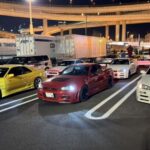
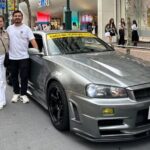
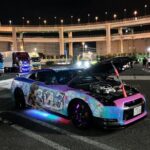
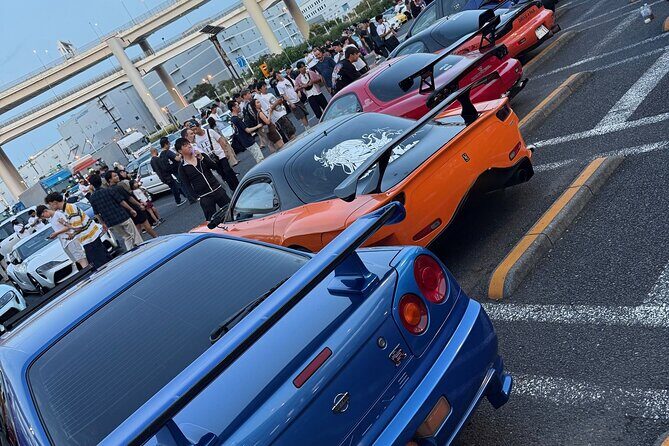
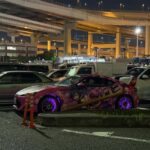
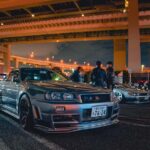
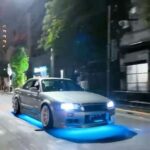
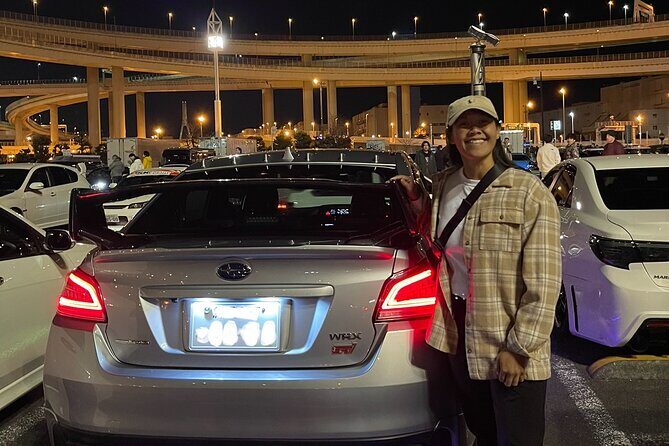
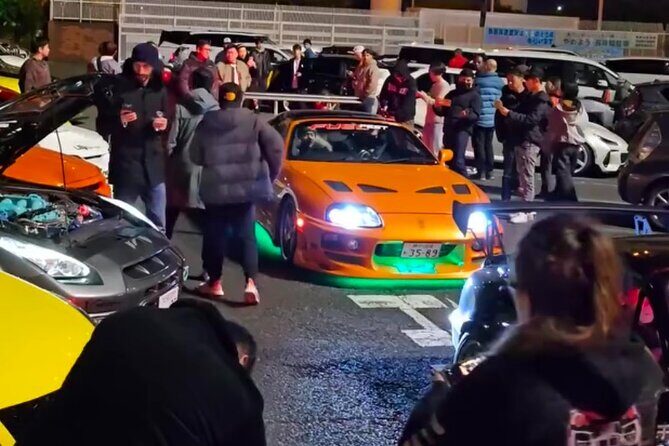
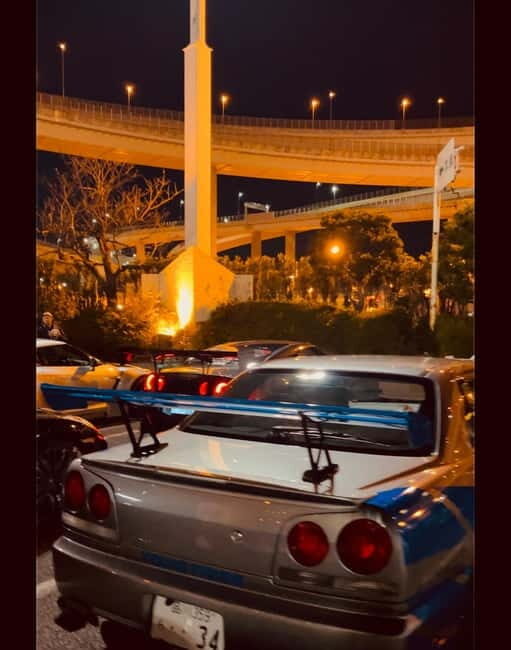
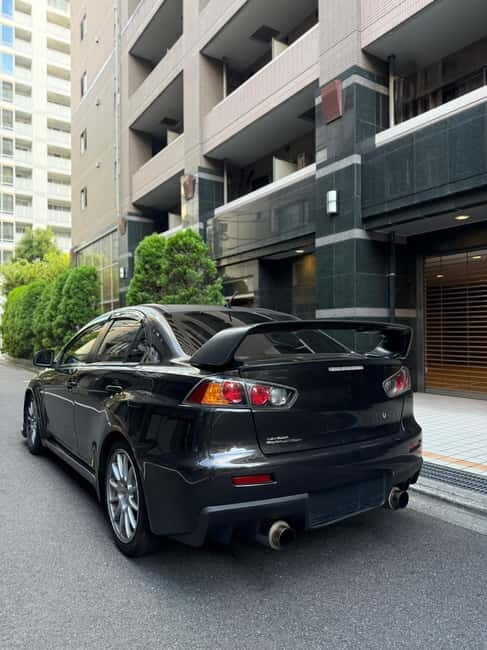
Daikoku Parking Area is one of those places that feels like it has its own gravity. In the daytime, it’s busy and visual. At night, it turns into a rolling showroom where you can see a lot of the machines people only talk about online—especially the JDM staples like performance Subarus and the familiar Skyline/EVO crowd.
This tour is structured to respect that. You don’t just drive past and call it a day. You get to park up, take photos, and get some real breathing room—about one hour at Daikoku—so you can walk, point, and take in the variety of cars that show up in one place.
The other smart part: you’re arriving as the city darkens and the atmosphere changes. That timing matters. Tokyo’s night glow makes the skyline feel cinematic, and the expressway stretches make the ride feel like it has momentum. If you’re the type who gets excited by cars, sound, and city lights, this is the combination that makes the night feel like a story instead of a checklist.
You can also read our reviews of more evening experiences in Yokohama
WRX/EVO/Skyline-style night driving for $125: does it feel like value?
At $125 per person for about four hours, the value comes from what’s included, not from the sticker price alone. Your payment covers:
- the passenger car experience to the Daikoku meet,
- driving through major spots like Rainbow Bridge and Tokyo Tower,
- gasoline and highway tolls,
- and a live guide.
That last point matters more than people think. You’re paying for someone who can manage the route, guide you through the stops, and keep the group coordinated while everyone is trying to film, photograph, and get their bearings.
Now the honest trade-off: this isn’t a private charter. It’s a shared passenger tour, so you’re one of multiple people riding in the same “bucket” for the night. You’re also not choosing every tiny stop. The route is set, and the tour’s goal is to hit a handful of high-impact moments in one evening.
Still, for a first-timer who wants an authentic taste of the JDM scene plus real Tokyo landmarks, this is priced like a concentrated experience. You’re not paying for a full-day city tour, and you’re not paying for a full-day rental. You’re buying a night that’s built around one theme: cars on Japanese roads and a proper car meet at the end.
Meeting by Firedori Starbucks: go early and confirm your exact spot
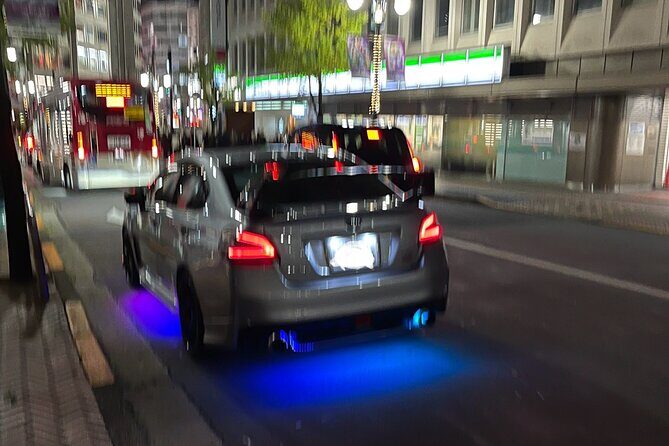
The meeting point is described as a three-minute walk by Shibuya Station, meeting near Firedori Starbucks. One practical note from real-world experience: the meetup point can be near the Starbucks but not directly in front of it, so don’t assume the curb right outside the storefront is the correct place.
Here’s how to make this smooth:
- Plan to arrive a bit early, not right on the minute.
- If you can, message your guide through Instagram or WhatsApp for the best coordination.
- Bring your passport or ID card.
This tour is also strict about the vibe inside the vehicle: no food in the vehicle, and no alcohol and drugs. That’s part of why the ride is kept focused and controlled.
If you’re coming straight from a train station, give yourself a small buffer. Shibuya can be a maze when you’re staring at signs in the dark.
What four hours feels like once the highway starts
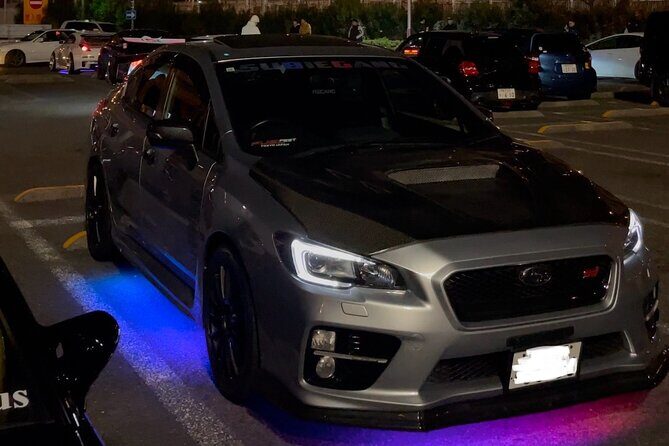
The tour is built around one core experience: night driving in a JDM performance car environment. Even if you’re not obsessed with engines, the Wangan-style stretch of road experience changes how you perceive Tokyo. Streets feel wider. Speed feels different. The city’s lights turn into long streaks instead of quick flashes.
It’s also where the tour earns its hype. You’re not just sitting there looking out a window. You’re riding in a way that matches the culture: lively driving, guided context about what you’re seeing, and a sense that the whole night is intentional.
Guides have varied by date, but a few names show up in the experience history, including Max and Dilee/Dylan, with others like Dacintha, Kalii, and AMA also referenced. The consistent theme is that the guide isn’t just a driver. They’re there to make the ride make sense—what kind of car you’re in, what to notice on the route, and where to look during photo stops.
One more important reality check: people who are sensitive to motion, quick accelerations, or highway motion should take the suitability warnings seriously. The tour isn’t marketed as a calm sightseeing car ride.
Stop 1: Daikoku Parking Area, the one-hour photo-and-walk moment
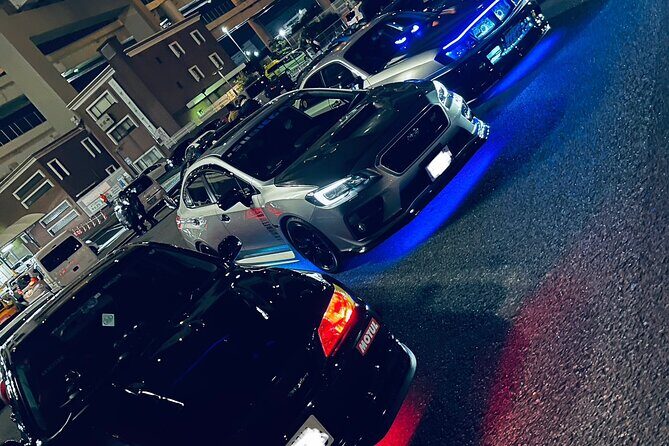
Daikoku is the anchor stop. The tour schedule gives you:
- photo stop
- visit
- free time (about one hour)
That one hour is what makes the difference between watching from afar and actually understanding the place. You’ll be able to slow down, walk the area, and take photos without feeling rushed the moment you step out of the car.
How to play it smart:
- Spend the first few minutes getting a feel for where the densest clusters of cars are.
- Then do your photos. If you wait until you’re halfway through, you’ll lose your best angles.
- Keep an eye on your meeting timing back at the cars. In a busy car meet, you can easily lose track of time if you’re shooting video nonstop.
Daikoku can also be unpredictable. The tour information is clear that Daikoku Parking Area may close without prior notice. If that happens, the guide visits alternative car meeting spots. So don’t plan your whole night around one single assumption. The tour is built to adapt.

Stop 2: Autobacs Shinonome break and a quick JDM shopping hit
After Daikoku, you move toward autobacs Shinonome for a break and shopping time. You’re scheduled for:
- break time
- photo stop
- visit
- shopping (about 30 minutes)
This stop is useful even if you’re not a big shopper. Autobacs is the kind of store that turns your interest into something you can hold: merch, parts, and souvenirs that fit the JDM vibe. It also works as a breather. Your night driving and car-meet walking is intense. A shorter store stop keeps you energized for the return sightseeing.
If you want a tip from the way the experience has been described in practice: lines can be long for tax-free shopping, and staff have shown flexibility with timing when stores are busy. Still, don’t count on it. Treat the 30 minutes as the real window.
Rainbow Bridge and Tokyo Tower: short stops that actually matter
Not every tour includes real landmark time. This one gives you two classic Tokyo night views, with enough minutes to make photos count:
Rainbow Bridge, Tokyo
- sightseeing
- scenic drive
- scenic views on the way (about 5 minutes)
Five minutes sounds short because it is short. But Rainbow Bridge at night is one of those places where the light does half the work. Even a quick window can produce great shots if you’re positioned right and ready.
The key is that this stop is designed as a drive-by with views, not a long walking tour. It’s a good match for a four-hour experience.
Tokyo Tower
- photo stop
- visit
- sightseeing (about 15 minutes)
Tokyo Tower is more than a photo postcard. In the night setting, it’s a strong visual landmark that makes the city feel like Tokyo. Fifteen minutes is enough time to get photos and take in the atmosphere without turning the night into a slow slog.
And because this is the last major sightseeing stop, it gives your night a clean finish: cars first, then Tokyo’s lights.
Shared passenger tour reality: what you gain and what you give up
This is explicitly a shared passenger experience. That changes the vibe.
What you gain:
- You get the full “night run” feeling without the complexity of booking a private ride.
- You’re surrounded by other people who understand the theme, which often makes the atmosphere more fun.
- Your tour time is compact, with a mix of driving and stops designed to work even when the city is crowded.
What you give up:
- You don’t get to customize the route like a private charter.
- The car meet atmosphere can change. Daikoku closure or fewer cars can shift the plan to alternative meet spots.
- Because it’s shared, the pacing at each stop is group-based. You’ll likely be moving in a coordinated way rather than wandering freely at your own speed for hours.
Also pay attention to vehicle expectations. This is not described as a calm, hands-off experience. The car ride can feel exciting, which is part of why people book it in the first place.
If you’re the kind of person who gets anxious with speed, heavy accelerations, or unpredictable traffic flow at night, don’t force it. The tour specifically says it’s not suitable for motion sickness and it’s not meant for people over 70 or pregnant women.
Guide-led driving: how the names you’ve seen connect to the experience
Even with shared tours, the guide personality is a big part of why the experience lands. In the history of this tour, some guides repeatedly show up as standouts, including Max, Dilee/Dylan, Dacintha, Kalii, and AMA. What people connect with most is not only car talk, but also how the night gets paced.
Common themes you can take seriously before booking:
- The guide often brings a playlist vibe into the ride.
- Guides talk about cars and the areas you pass so the route feels explained, not random.
- Communication during the night matters. WhatsApp/Instagram contact is encouraged so you find the right spot and don’t lose your group.
If you do book, message your contact details early. It’s one of the simplest ways to avoid the classic first-15-minutes confusion.
Rules that keep things smooth in a moving city
This is a night ride with cars and stops, so the rules are practical. Here’s what you need to know:
- Bring passport or ID card.
- No food in the vehicle.
- No alcohol and drugs.
- Provide Instagram or WhatsApp for easier coordination.
These rules aren’t there to be annoying. They help keep the vehicle clean, keep attention on safety, and reduce last-minute problems that can eat into your short time at each stop.
Also remember: Daikoku may close. Weather can affect what happens on the road. The tour notes that circumstances like weather, Daikoku PA closures, or the number of cars present can change the exact experience.
So treat the plan as “designed for” a night with big car culture moments, not guaranteed perfection at every second.
Should you book the JDM Night Run to Daikoku Car Meet?
Book it if you:
- want a four-hour Tokyo experience that’s all about cars first and real sights second,
- love the idea of seeing performance JDM cars gathered in one place,
- and can handle exciting highway driving without motion-sickness worries.
Skip it (or think hard) if you:
- get motion sickness easily,
- want a fully calm, sedate sightseeing pace,
- or need a private, flexible itinerary.
If your goal is to experience the JDM night energy plus Tokyo landmarks like Rainbow Bridge and Tokyo Tower, this is one of the more direct ways to do it. The value is in the mix: highway night drive, a real Daikoku meet moment with time to walk, and a structured return that ends in Shibuya instead of leaving you stranded after the fun.