REVIEW · YOKOHAMA
Japanese Tea Ceremony at Private Home in Yokohama, suburban Tokyo
Book on Viator →Operated by Tea Ceremony At Private Home in Yokohama, suburban Tokyo · Bookable on Viator
Tea ceremony in suburban Yokohama feels both traditional and personal. I loved the private home tatami room setup and the chance to actually act as a guest, not just watch. Two things that really landed for me: you get to taste seasonal wagashi made for you, and you also get hands-on with mixing matcha and drinking it twice. One thing to think about first: you’ll want to bring socks, because tatami rules mean you can’t go in wearing bare feet or shoes.
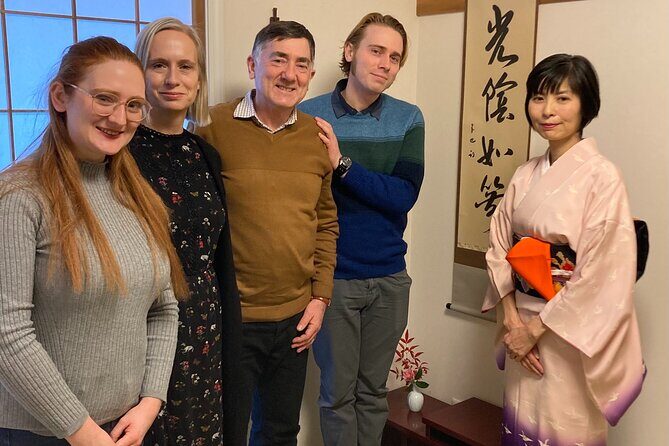
The host is a professional tea master with 40+ years of training and 15+ years teaching, and the experience is run with a calm, welcoming rhythm. I also appreciate the human touch: in one recent visit, guests chatted warmly with the Kono Family, which made the whole workshop feel more like a visit than a performance.
In This Review
- Key Points Worth Planning Around
- Entering The Tatami Room: What the Yokohama Setting Means for You
- Your Tea Master and Host Style: Why It Feels More Like a Visit
- The 90 Minutes: Charcoal Water, Matcha by Hand, and Two Cups
- Step One: Demonstration and how to be a guest
- Step Two: The charcoal procedure (a rare detail)
- Step Three: Making matcha and eating seasonal wagashi
- Step Four: Hands-on matcha mixing and drinking
- Wagashi, Vegan/Gluten-Free Notes, and Why Seasonal Sweets Are Part of the Lesson
- History and Questions: When Tea Ceremony Becomes Conversation
- Getting There: Azamino Area Convenience and a Great Combo Plan
- Price and Value: What $52.71 Buys You in Real Terms
- Who Should Book This Yokohama Tea Ceremony?
- Should You Book It? My Take for First-Time Tea Curious Travelers
- FAQ
- How long does the Japanese tea ceremony workshop take?
- Is this a private tour or shared group?
- Is pickup available?
- Do I need to bring anything?
- What’s included in the experience?
- Do I get to make matcha myself?
- Will I see the charcoal process?
- Where is the meeting point?
- What’s the cancellation policy?
Key Points Worth Planning Around
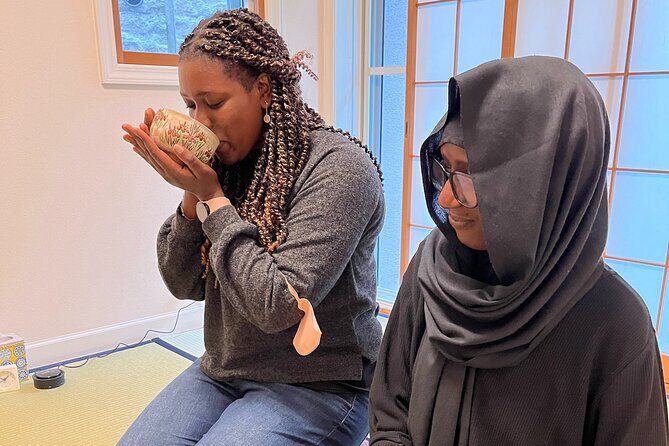
- Tatami-room guest etiquette: you’re guided into how to sit, handle the experience, and enjoy it properly
- Charcoal procedure: you’ll see the water-making process using charcoal, which the host notes as uncommon even for Japanese people
- Hands-on matcha: you mix and drink two cups, not just one sip at the end
- Seasonal wagashi included: sweets change with the time of year, and you’ll get what the tea master selects
- Dietary-friendly wagashi options: the snacks/wagashi are described as good even for vegan and gluten-free needs
- Private, just your group: it’s not a large group show, so questions and conversation are easier
Entering The Tatami Room: What the Yokohama Setting Means for You
This isn’t a museum tea set behind glass. You’re stepping into a private Japanese home in Yokohama, in the Aoba Ward area near Ōbachō, at the meeting point by Doresse Azamino Gardens. That home setting changes the whole tone. Instead of rushing between stations, you settle into a quieter space where the host can teach at your speed.
The workshop takes place in a traditional tatami tea room, which is why socks matter. The instruction is simple: bring socks to enter the tatami room. Even if you think you’re prepared, bring an extra pair if you tend to misplace things. Tatami + house rules are part of the lesson here.
You should also notice the “micro logistics” of doing this in a suburb rather than a tourist zone. There’s less pressure to sprint for the next stop. You can slow down and actually pay attention to the small actions—how the utensils are handled, how the tea master explains the flow, and how wagashi and matcha fit together as one experience.
You can also read our reviews of more private tours in Yokohama


Your Tea Master and Host Style: Why It Feels More Like a Visit
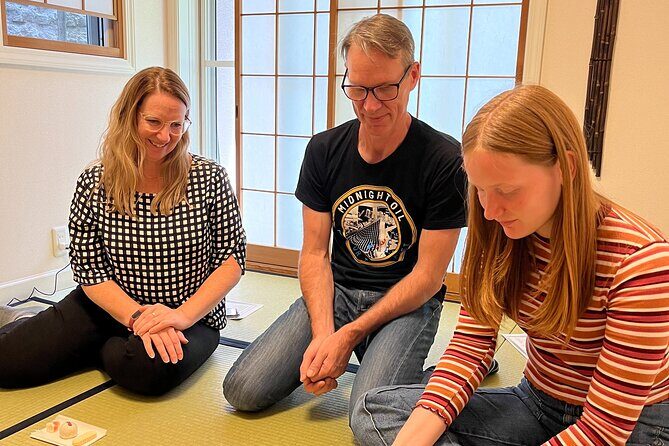
The workshop is led by an experienced tea master who learned traditional Japanese tea ceremony for more than 40 years and has taught for more than 15 years. That matters because it usually separates a hobby demonstration from a real teaching moment.
What you’re paying for isn’t just matcha and sweets. It’s instruction: you’ll see the correct sequence first, then you’ll get coached while you practice. The tea master also shares the history of Japanese tea ceremony and leaves room for questions. In other words, you’re not stuck translating your own way through etiquette.
One more thing I appreciated is the social vibe. In a recent guest experience, people connected with the host family in conversation, not just through scripted explanations. If you enjoy asking questions and talking like a person—not like a spectator—this style fits well.
The 90 Minutes: Charcoal Water, Matcha by Hand, and Two Cups
The workshop runs about 1 hour 30 minutes. It’s a tight timeline, but it doesn’t feel rushed, because the tea ceremony rhythm is built for steady pacing: watch closely, then try it yourself.
Step One: Demonstration and how to be a guest
You start by seeing the tea ceremony demonstrated in the tatami room. The tea master walks you through the flow so you understand what you’re doing next. This is the part where you’ll learn the difference between seeing a ceremony on video and understanding the steps in real time.
Step Two: The charcoal procedure (a rare detail)
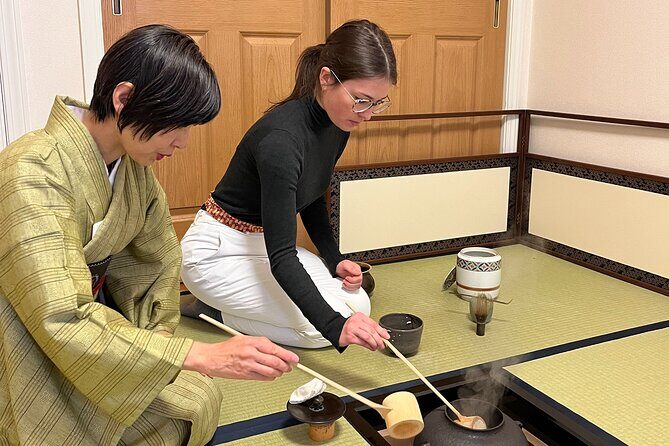
One standout element is the charcoal procedure. The host adds charcoal to boil the water. The workshop description flags this as an unusual experience even for many Japanese people. Whether or not you’ve seen charcoal used in tea before, it’s a visual and sensory moment you can’t fake with a kettle.
For you, this matters because it explains the ceremony’s values: patience, intention, and a close relationship to preparation. You’re not just getting a drink—you’re watching the background work that shapes the final cup.




Step Three: Making matcha and eating seasonal wagashi
During the process, the tea master prepares matcha (green tea) for you. Alongside that, you eat wagashi—Japanese sweets made by the tea master—while learning the flow of the ceremony.
The wagashi you get is chosen based on the season, which is an important detail. Seasonal sweets aren’t random decoration; they’re part of how tea culture ties food to time of year and atmosphere. You’ll sample several types across visits in general, and in this one, you’ll get whatever the tea master selects for the season.
Step Four: Hands-on matcha mixing and drinking
After you observe the procedure, you get to try making matcha by yourself. The description is clear: you can drink 2 cups of matcha. That’s a big deal for value and learning. One cup is a taste; two cups lets you notice differences and improves your confidence with the process.
If you’re new to matcha, focus on the experience rather than aiming for perfect technique. Your job is to follow the tea master’s guidance and learn how the motions change the texture and feel of the tea.
Wagashi, Vegan/Gluten-Free Notes, and Why Seasonal Sweets Are Part of the Lesson
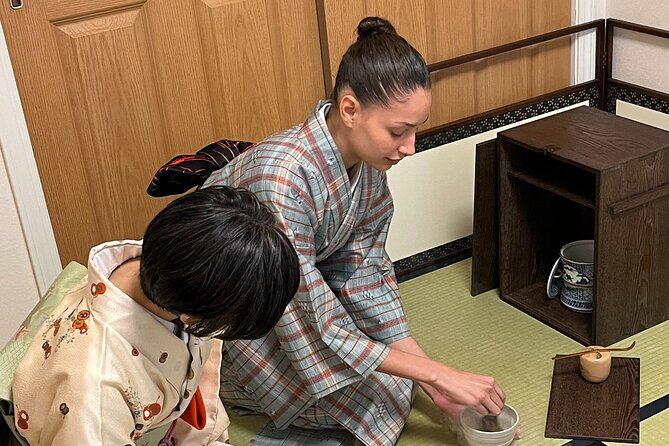
Wagashi is included, and it’s not treated as a side dish. You’ll have snacks matcha (green tea) and wagashi during the ceremony, and the experience notes that the wagashi are good even for vegan and gluten-free needs.
That said, the exact wagashi types mentioned include things like nerikiri, gyuhi (mochi), and manju. In your session, the tea master chooses what fits the season. For you, that means you’re likely to get a blend of texture and flavor designed to balance matcha rather than a generic sweet.
Also, consider how wagashi affects your matcha experience. Sweetness, shape, and texture can change how the matcha tastes in your mouth. When the tea master places the wagashi as part of the ceremony flow, it’s teaching you how Japanese tea culture pairs flavors with timing.
Practical tip: if you have strong allergies beyond vegan/gluten-free needs, you’ll want to communicate that before booking, since the specific ingredients for any wagashi aren’t listed here.
History and Questions: When Tea Ceremony Becomes Conversation
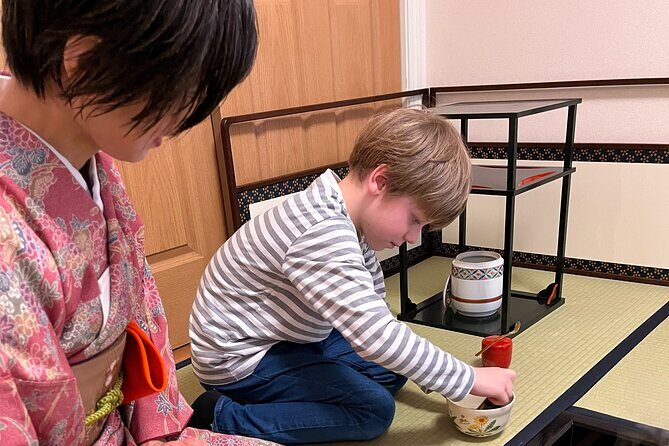
A big part of this workshop is not just doing the motions—it’s understanding why they exist. The tea master shows you the history of Japanese tea ceremony, and you can ask questions freely.
This is where the private-home format shines. In a bigger group setting, questions can get squeezed. Here, you’re more likely to get direct answers that match what you actually want to know: etiquette basics, tea tools, the meaning behind seasonal choices, or how the ceremony is practiced today.
If you like cultural context that isn’t heavy or academic, this is a good match. You’ll leave with a clearer mental picture of what you saw: charcoal water, matcha mixing, wagashi timing, and the guest experience.
Getting There: Azamino Area Convenience and a Great Combo Plan
The meeting point is listed at Ōbachō, Doresse Azamino Gardens in Yokohama (Aoba Ward). The good news: it’s described as near public transportation, and pickup is offered, which can reduce stress if you’re not fully comfortable navigating local transit.
Also, plan your day around the duration. With about 90 minutes total, this fits nicely as an earlier or mid-afternoon activity.
A smart add-on: the workshop suggests visiting the Yokohama Ramen Museum around Azamino. There’s a travel note that Azamino to Shinyokohama takes about 15 minutes by Yokohama subway. So if you’re combining food stops, you can build a simple route without overthinking the day.
If you’re doing ramen later, just don’t schedule it immediately before this. You’ll be focusing on sweets and tea, and giving yourself a little breathing room helps you enjoy both.
Price and Value: What $52.71 Buys You in Real Terms
At $52.71 per person, this workshop isn’t “cheap,” but it also isn’t trying to be an all-day tour price tag. You’re paying for:
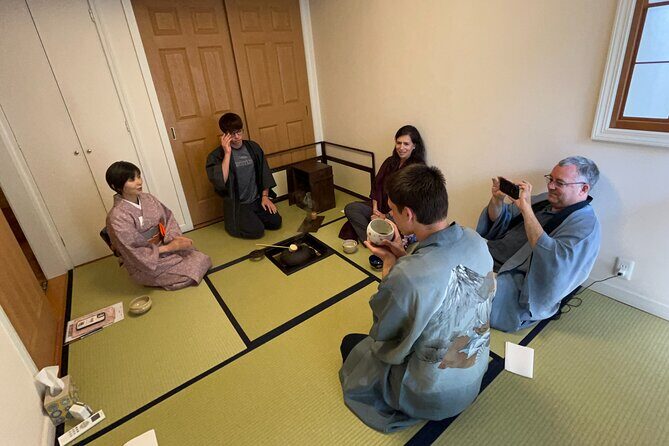
- a private tea ceremony in a tatami room inside a home
- an experienced tea master with decades of practice and teaching
- hands-on matcha mixing and two cups of matcha
- seasonal wagashi included, with notes that it works for vegan and gluten-free
- the charcoal procedure moment plus guided history and Q&A
Where the value really clicks is the combination of watch + practice + explanation. A lot of cultural classes are one of those three. Here, you get all three in 90 minutes.
If you’re traveling with limited time in the Tokyo area, this is also a practical win. It’s not a long commute to a far-off venue; it’s located in Yokohama, and pickup is offered.
If you’re the type who likes photography and quick facts, you might prefer something more hands-on or more flexible. But if you want a calm, structured cultural experience you can actually repeat later at home, the price starts to make sense fast.
Who Should Book This Yokohama Tea Ceremony?
This workshop is a good fit if you:
- want an authentic Japanese cultural experience beyond sightseeing
- like learning etiquette and the reasons behind it
- enjoy food pairings, especially matcha + wagashi
- would rather have a private group than compete for attention
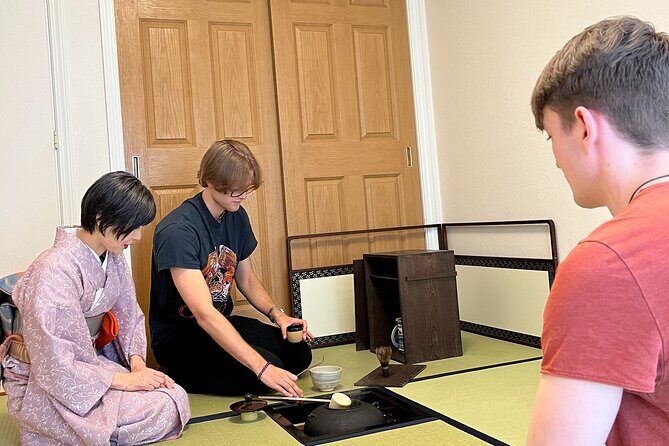
It’s also ideal for first-timers. The ceremony is taught step by step, and you get supervised practice, not just a lecture.
Families can work too, based on the tone of at least one host-styled guest interaction where conversation included a baby context. Still, since the workshop is in a tatami room, you’ll want to use your common sense about comfort and space.
Should You Book It? My Take for First-Time Tea Curious Travelers
If you want a Japanese tea ceremony that feels like you’re being welcomed into a real home, not shepherded through a staged performance, I’d book it. The combination of charcoal procedure, seasonal wagashi, and two cups of matcha you make yourself is the kind of “you did it” experience that sticks.
I’d be cautious only if you hate any rules around socks/tatami seating or you’re looking for a very loud, tourist-style activity. This is calm culture learning, and it asks you to slow down.
One more practical note: bring your socks, plan for about 90 minutes, and come ready with at least a couple questions. The history and Q&A part is where you’ll get the most personal payoff.
FAQ
How long does the Japanese tea ceremony workshop take?
It lasts about 1 hour 30 minutes.
Is this a private tour or shared group?
It’s a private tour/activity, meaning only your group participates.
Is pickup available?
Pickup is offered.
Do I need to bring anything?
Yes. Bring socks to enter the tatami room.
What’s included in the experience?
You’ll receive matcha and wagashi (snacks), and the wagashi are described as good even for vegan and gluten-free.
Do I get to make matcha myself?
Yes. After the demonstration, you can try making matcha and you’ll drink 2 cups of matcha.
Will I see the charcoal process?
Yes. The tea master shows the charcoal procedure, adding charcoal to boil the water.
Where is the meeting point?
The meeting point is at Japan, 〒225-0023 Kanagawa, Yokohama, Aoba Ward, Ōbachō, ドレッセあざみ野ガーデンズ, and the activity ends back at the meeting point.
What’s the cancellation policy?
Free cancellation is available up to 24 hours in advance for a full refund.