REVIEW · YOKOHAMA
Tokyo 8hr Private Tour with Licensed Guide from Yokohama
Book on Viator →Operated by Japan Guide Agency · Bookable on Viator
Tokyo can feel overwhelming fast.
This private 8-hour day trip from Yokohama strings together temples, gardens, and Tokyo neighborhoods with a licensed English-speaking guide—and you can custom-pick a few stops instead of getting a fixed script. I also like that the tour is built around train-and-walk logistics, so you’re not wasting your day stuck in traffic. One drawback: it’s still a walking tour with lots of steps and crowded transfers, so stamina matters.
The value shows up in the details. You start in Yokohama (you can meet by the port too), then your guide handles the train/subway flow and crowd timing so you can focus on what you came for. Many guides in past tours—like Yoshi, Diago, Tatsu, Izumi, Koba, An, Seiji, and Taka—were praised for clear English and route planning that makes Tokyo feel manageable.
A few expectations to set up right: some famous spots are outside-only (the Imperial Palace inside access is not included), and some gardens charge extra (like Shinjuku Gyoen; Koishikawa Korakuen and Rikugien are also ticketed). Also, transport and lunch are on you, even though the guide is included.
In This Review
- Key things I’d circle before booking
- Starting in Yokohama: the smart way to do Tokyo without moving your base
- Choosing your 3–4 (or a few more) stops without getting a cookie-cutter day
- Imperial Palace grounds and the Tokyo garden reset
- Shinjuku Gyoen National Garden (ticketed)
- Koishikawa Korakuen and Rikugien (ticketed)
- Hama Rikyu Gardens (free)
- Yoyogi Park (free)
- Old Tokyo traditions: shrines, temple smoke, and Shitamachi charm
- Asakusa and Senso-ji (free, temple core experience)
- Meiji Jingu Shrine (free, calm near the chaos)
- Shibamata and Nezu (free, old downtown feel)
- Neon Tokyo: crossings, electronics, fashion streets, and city-within-a-city vibes
- The big crossing moment
- Harajuku and Takeshita Street (free)
- Akihabara (free, electronics and fandom)
- Roppongi Hills (free quick stop)
- Shinjuku Golden Gai (free small stop)
- Odaiba (free short stop)
- Tsukiji Fish Market and food that fits your actual day
- How the guide actually improves your Tokyo day: routes, timing, and train sanity
- Price and logistics: what you’re paying for at $201.51
- Who should book this Tokyo-from-Yokohama private tour
- Should you book it? My take
- FAQ
- How long is the Tokyo private tour?
- What’s included in the tour price?
- Is the Imperial Palace fully included?
- Are the gardens free to enter?
- Do I need to pay for transportation and lunch?
- Where do I meet the guide, and do I get picked up by car?
- Can I get a full refund if I cancel?
Key things I’d circle before booking
- Licensed local English guide who coordinates the day and helps with train/subway navigation
- Custom route from a menu of major sights, so you’re not stuck doing everything
- Classic Tokyo contrasts in one day: Imperial-era sites, shrines, old-town streets, and neon districts
- Garden time is built in, not added as an afterthought (Shinjuku Gyoen, Hama Rikyu, Yoyogi Park, more)
- Food stops can be guided, especially around markets and shopping streets (Tsukiji is on the plan)
- Lots of walking and transfers, so plan shoes and a heat/rain buffer
Starting in Yokohama: the smart way to do Tokyo without moving your base
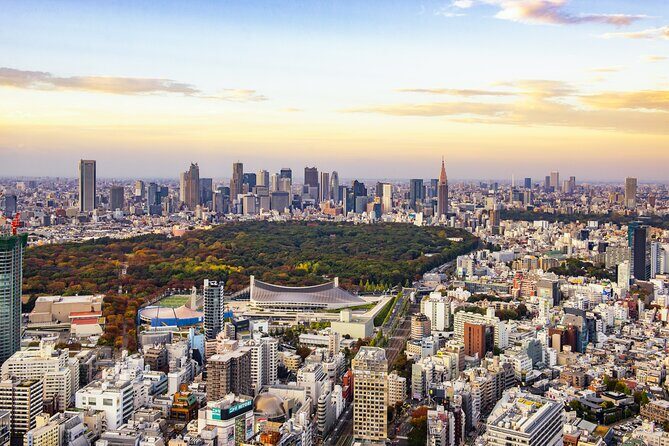
The biggest practical win here is that your day starts in Yokohama and ends back there. That means you’re not packing and checking out, hauling luggage, or paying for another hotel just to see Tokyo highlights.
You can meet your guide in Yokohama on foot, with an option to meet near the port as well. In real-life planning terms, that helps a lot if you’re arriving by cruise or you want less chaos in the morning. Once you’re in Tokyo, the tour leans on public transit, which is usually faster than driving in the city and far more predictable than trying to “wing it.”
You can also read our reviews of more guided tours in Yokohama

Choosing your 3–4 (or a few more) stops without getting a cookie-cutter day
The tour is private and designed to be customizable. Instead of being locked into one exact order, you pick from a set list of temples, shrines, parks, gardens, and major neighborhoods. Depending on how your day is built, the tour is described as a customizable walking route of about 3–4 sites from the options, with other descriptions suggesting you might choose 4–6 attractions—so your guide will confirm what fits your timing and interests.
Here’s how I’d choose if you want the best “Tokyo feel” in one day:
- If it’s your first time: pick one shrine/temple, one garden, and one major neighborhood (shopping or nightlife).
- If you love photography and variety: add two districts that feel very different (ex: Asakusa vs. Akihabara, or Meiji Jingu vs. Shibuya).
- If you care about calm: prioritize gardens and parks and treat neon shopping streets as shorter stops.
Your guide also sets the pacing. Multiple guide write-ups in the provided info mention adjusting smoothly to requests and keeping the day moving even when plans changed. That matters because Tokyo’s transit is efficient—but it can be confusing if you don’t read signs comfortably.
Imperial Palace grounds and the Tokyo garden reset
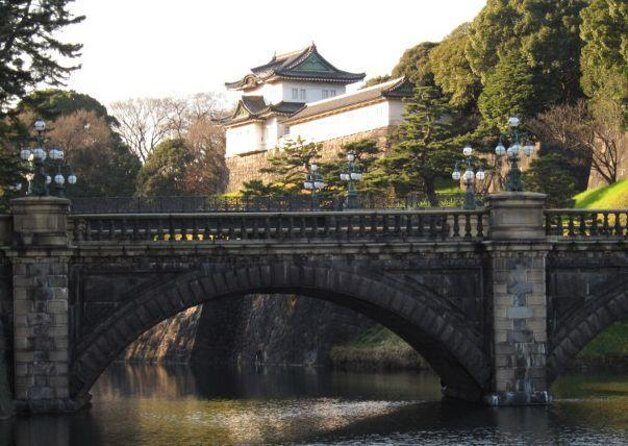
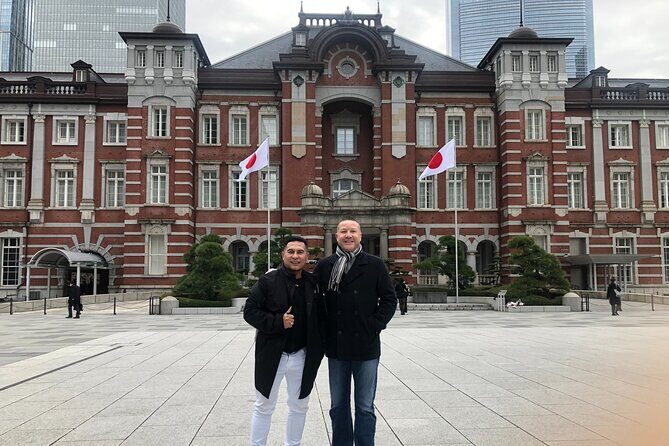
Some of the stops are short by design, which is useful when you’re managing an 8-hour day. The Imperial Palace stop is a good example: you can see the gardens area and outer walls, but you do not get inside access. That’s still worth it for the scale, the calm, and the contrast with the city’s density.
If you want more nature time, the plan includes several “choose-your-garden” options:
Shinjuku Gyoen National Garden (ticketed)
This is the cherry blossom-famous garden option on the list. It has an admission fee, and the pricing details provided include adult pricing and group discounts, plus a separate rate for seniors (with ID). The trade-off is simple: you’ll pay extra, but you’re buying a big, structured garden experience.
Koishikawa Korakuen and Rikugien (ticketed)
These are older Japanese gardens that can be a great choice if you want classic design and a quieter mood than the busiest districts. The info clearly flags that admission is not included for both, so you should budget for tickets if you choose them.
You can also read our reviews of more private tours in Yokohama


Hama Rikyu Gardens (free)
This is a garden option with a coastal twist along Tokyo Bay. The standout detail here is the seawater ponds that change with the tides and the presence of a teahouse. It’s a nice pick if you want scenery without committing to a ticketed garden.
Yoyogi Park (free)
Yoyogi Park is a large city park option—good for a breather between neighborhoods. It also gives you that Tokyo “people-watching with space” feeling.
Practical drawback: garden tickets can add cost, and garden time can expand or shrink depending on the season and crowds. If you’re on a tight budget, stick with the free garden options (like Imperial Palace grounds and Hama Rikyu) and save the paid ones for a second trip.
Old Tokyo traditions: shrines, temple smoke, and Shitamachi charm
Tokyo’s old-town vibe shows up in a few key stops, and I like that you don’t have to choose just one style.
Asakusa and Senso-ji (free, temple core experience)
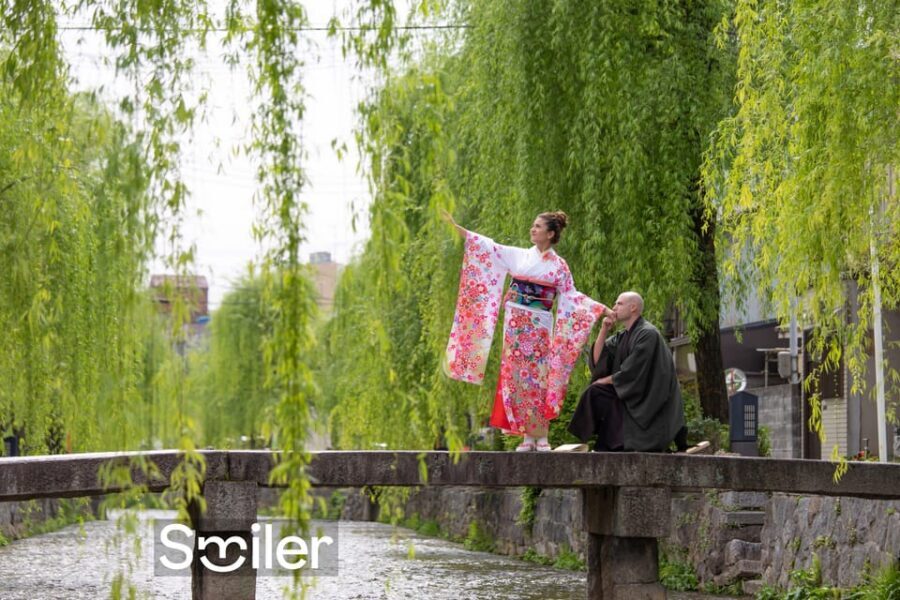
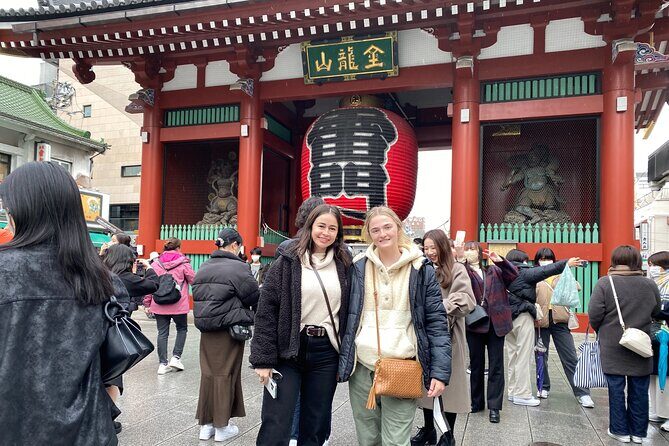
Senso-ji is one of the best “you are in Tokyo” cultural stops, with the shopping street feel that wraps around the temple area. Even if you only spend the short listed time here, it’s long enough to get the atmosphere: temple grounds, people in traditional dress, snacks, and gift shopping.
Meiji Jingu Shrine (free, calm near the chaos)
Meiji Jingu is right by Harajuku’s rail area, so you get an interesting effect: you can step out of a busy station zone and into a shrine environment that feels quieter and more grounded. The stop is short on the template, so if you love shrines, ask your guide if you can linger a little.
Shibamata and Nezu (free, old downtown feel)
These two neighborhoods are included as “keeps its old-school charm” type areas. The provided info groups them under old downtown flavor (Shitamachi). This is where a guide’s cultural explanations really help, because you get more than just streets—you get context for why these areas still feel distinct.
Practical tip: these stops are short on paper, so if you’re shopping or snack-hunting, make sure you prioritize what matters most (souvenirs vs. walking vs. photo stops).
Neon Tokyo: crossings, electronics, fashion streets, and city-within-a-city vibes
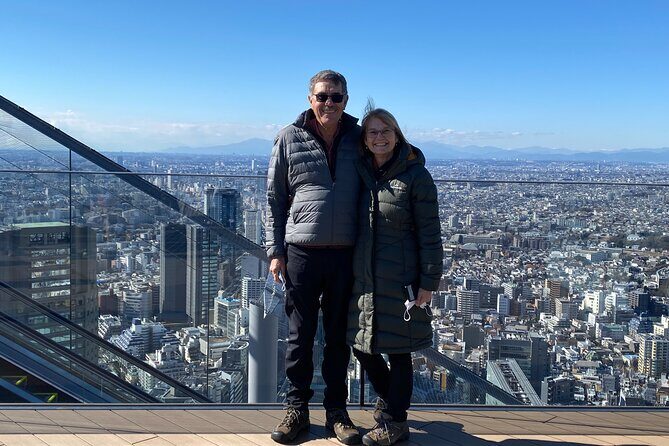
Tokyo’s modern areas are here too—just not in a way that forces you to sprint between far-flung points.
The big crossing moment
The itinerary includes a stop for one of the world’s busiest crossings. In past real-day guidance described in the provided info, this matches the Shibuya Scramble Crossing-style experience: you get that thick crowd energy, but your guide helps you time the crossing and choose viewing angles.
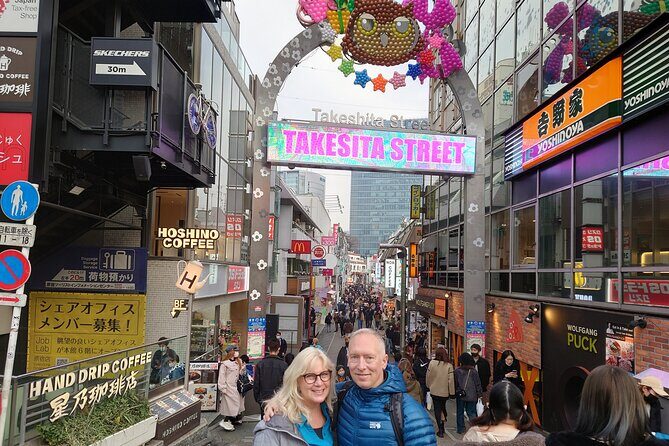
Harajuku and Takeshita Street (free)
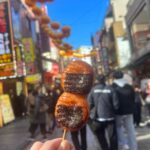
Takeshita Street is the teenage fashion and street-styles stop, and it’s ideal if you want that bright, youthful Tokyo look. It’s also a good contrast against Asakusa’s temple-shopping pace.
Akihabara (free, electronics and fandom)
Akihabara is on the list for electronics shops and the broader pop-culture center reputation. Even if you’re not an electronics shopper, it’s still fun as a place to see how specific subcultures organize their storefronts.
Roppongi Hills (free quick stop)
Roppongi Hills is described as a city-within-a-city complex. It’s included as a short stop—more about the feel of the area than a long sightseeing block.
Shinjuku Golden Gai (free small stop)
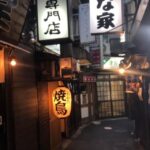
Golden Gai is included as a micro-neighborhood with many small bars and narrow alley mood. If your group likes atmosphere over checklist attractions, this can be a strong final-phase stop.
Odaiba (free short stop)
Odaiba is a man-made island district by Tokyo Bay, described as shopping and entertainment space. It can be a nice change of scenery if your day has been heavy on inner-city neighborhoods.
Time reality check: these modern areas can be visually intense. If you want photos and browsing, set expectations that your time will be brief at each stop. That’s why the customization matters.
Tsukiji Fish Market and food that fits your actual day
Tsukiji Fish Market is on the plan as a dedicated stop to explore the old market area. Admission is listed as free for this stop, with a short time block.
The practical value isn’t just seafood. Markets in Tokyo teach you how the city moves—tight lanes, quick decisions, and a strong rhythm. Also, many guides in the provided info are praised for finding good lunch options tied to the day, especially around fish-market timing and nearby areas.
A few examples of the kinds of meals mentioned with guides in the provided info include:
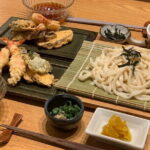
- Shabu shabu around Ginza (authentic restaurant references were shared)
- Sushi tied to the Tsukiji/market area timing
- Ramen near Asakusa areas (one guide mentioned Asakusa Kanon Street ramen by name)
- Conveyor-belt sushi as a lunch style (mentioned with one guide)
Just know this clearly: lunch is not included in the tour price, so you’ll pay for what you choose. Use your guide to help you make it easy and not overpay for something touristy.
How the guide actually improves your Tokyo day: routes, timing, and train sanity

This is where the private format shines. Tokyo transit is excellent, but it’s not always intuitive when you’re new. The info makes it clear the tour uses public transportation and that guide support includes navigating trains/subway connections.
In multiple guide write-ups included in the provided info, guests praised help like:
- finding correct connections and shortcuts
- smooth navigation for groups with different needs
- clear, helpful English
- pre-planned itineraries based on interests (often shared before the tour with messaging)
- reading material and cultural explanations during the day
If you’re the type who likes learning as you go, you’ll probably enjoy the flow. If you’re the type who wants a quiet day, you can still benefit—your guide handles the stress so you don’t have to.
Consideration: with so many walking segments and transit transfers packed into one day, you might feel rushed if you choose too many “same-y” stops (three shopping districts back to back, for example).
Price and logistics: what you’re paying for at $201.51
At $201.51 per person, this isn’t a bargain-basement deal. But you are buying three things that can cost time and confidence if you try to DIY:
- A licensed English-speaking guide for a full 8 hours
- A customized, stop-selected day built around your interests
- Transit navigation and on-the-ground guidance so you waste less time figuring things out
What’s not included matters for real value math:
- Transportation fees are not included
- Lunch is not included
- Some entrance fees are not included (notably paid gardens like Shinjuku Gyoen, plus admission-not-included garden options such as Koishikawa Korakuen and Rikugien)
So the equation becomes: you’re paying to remove planning stress and to get a guided sampler that feels coherent, not chaotic.
If you’re traveling as a couple or small family, private guides often feel more worth it because you’re not waiting for a larger group or playing guesswork in a city where trains can swallow your time if you’re lost.
Who should book this Tokyo-from-Yokohama private tour
This tour is a strong fit if:
- You have limited time in the Tokyo area but want a full-spectrum day (shrines, gardens, and modern neighborhoods)
- You like learning while walking, not just taking photos from a distance
- You want the city to feel manageable via trains rather than car traffic
- You appreciate flexibility, since the day is customized based on what you want to see
It may be a weaker fit if:
- Your group has mobility limitations or you’re worried about lots of walking and stairs
- You hate crowds (Tokyo can be crowded even when timed well)
- Your group wants long, unbroken time at just one site (this is built for multiple stops)
Should you book it? My take
If you’re arriving from Yokohama and you want Tokyo highlights without moving hotels, I think this is an easy decision. The private licensed guide and the transit know-how can save you a lot of mental effort, and the mix of old Tokyo + gardens + modern neighborhoods is exactly the kind of sampler day that helps you understand the city.
Book it if:
- you’re ready for a walk-heavy day
- you’ll spend the time choosing the right 3–4 stops from the list
- you don’t mind paying for tickets like Shinjuku Gyoen if you pick them
Skip or reconsider if:
- you want a mostly seated day
- you’re trying to keep total costs ultra-low after adding transit, garden admissions, and lunch
FAQ
How long is the Tokyo private tour?
It runs about 8 hours.
What’s included in the tour price?
A licensed local English-speaking guide is included, along with the time on a customizable walking route. Entrance tickets are not universally included, and transportation fees and lunch are not included.
Is the Imperial Palace fully included?
No. The tour does not include access to the inside of the Imperial Palace. You can visit the outer garden area and walls.
Are the gardens free to enter?
Some are free (like Shinjuku Gyoen is listed as ticketed, while places such as Asakusa and Meiji Jingu are listed as free). Koishikawa Korakuen and Rikugien are also listed as not included for admission.
Do I need to pay for transportation and lunch?
Yes. Transportation fees and lunch are not included.
Where do I meet the guide, and do I get picked up by car?
You meet the guide on foot within the designated Yokohama area. Pickup is also described as on foot, and the tour includes walking meet-up and drop-off as part of the time.
Can I get a full refund if I cancel?
Yes. You can cancel up to 24 hours in advance for a full refund.