REVIEW · SAITAMA PREFECTURE
Chichibu’s Weaving Story: A Journey of Tradition and Festival
Book on Viator →Operated by 秩父地域おもてなし観光公社 · Bookable on Viator
Silk, festivals, and old stone streets—Chichibu has the combo. This tour ties together the region’s Meisen weaving past with the festival that put it on the map, then ends at Chichibu Shrine, one of the area’s spiritual anchors.
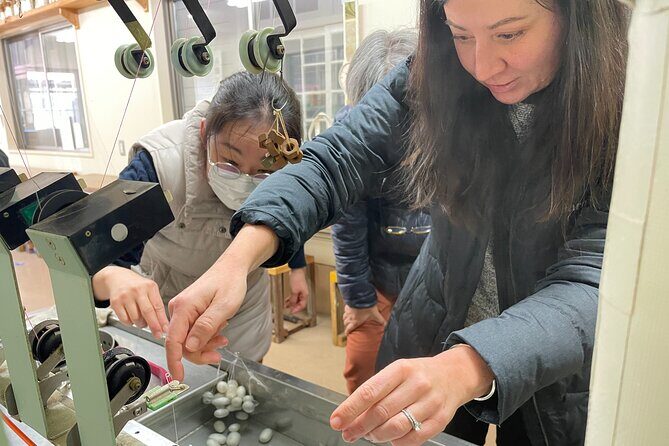
What I like most is the hands-on pace. You get live silk-spinning style demonstrations at the Chichibu Meisen Silk Center and a coaster-making workshop so you don’t just watch—your hands do the work.
One consideration: this is a morning program (about three hours), so you’re seeing festival connections through museums, displays, and key viewing spots, not the full night parade experience.
In This Review
- Quick hits before you go
- Chichibu’s silk-and-festival story isn’t stuck in a museum
- Morning logistics: 9:30 start, small group, and a shrine ending
- Chichibu Meisen Silk Center: live spinning and your own woven coaster
- Festival storytelling at the float museum: yatai, kasaboko, and festival “memory”
- Banba Street to Chichibu Shrine: stone steps, old-town architecture, and a walking timeline
- Chichibu Furusato-kan: a brief look at Meisen wholesaler storehouses
- Chichibu Shrine: 2,100 years of atmosphere and the festival’s focal point
- Price and value: what $100.99 buys you in a 3-hour slot
- Who should book this (and who might want a different plan)
- Should you book this Chichibu silk and shrine morning?
- FAQ
- How long is the tour?
- What time does the experience start?
- Where do I meet, and where does the tour end?
- What’s included in the price?
- Is anything not included?
- How large is the group?
- Can I cancel for a full refund?
Quick hits before you go
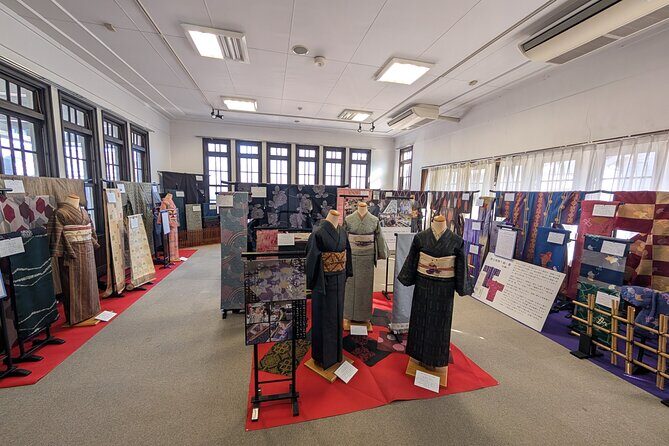
- Coaster-making hands-on: try weaving on a loom-style workshop at the Silk Center
- Live silk-spinning demonstrations: learn how threads become something wearable
- Float context without the crowds: year-round yatai and kasaboko displays plus a float pull-up viewpoint
- A shrine finish with age and carvings: Chichibu Shrine is said to date back over 2,100 years
- Small group size (max 5): easier questions and a calmer pace than big tour buses
Chichibu’s silk-and-festival story isn’t stuck in a museum
Chichibu sits in Saitama Prefecture, about 90 minutes from central Tokyo by Seibu Railway’s Limited Express Laview. But it doesn’t feel like a simple escape from the city. It feels like a place where the past still explains the present—especially when you connect silk weaving to the Chichibu Night Festival.
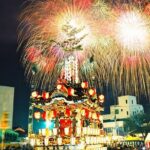
Historically, Chichibu was a center of sericulture and silk weaving. During the Night Festival, grand yatai float parades helped attract silk merchants, which is why people sometimes call it the Silkworm Festival. When you understand that link, the displays in the museums don’t feel like random artifacts. They feel like proof of how local work shaped local pride.
If you enjoy crafts and cultural storytelling—things you can touch, see up close, and connect to real community traditions—this tour fits that mood well.
You can also read our reviews of more tours and experiences in Saitama Prefecture.


Morning logistics: 9:30 start, small group, and a shrine ending
You start at 9:30 am at 1-chōme-16-15 Nosakamachi, Chichibu (a very straightforward meeting point near public transport). The tour runs about three hours and caps at five participants, so you’re less likely to be rushed.
Your tour ends at Chichibu Shrine (1-3 Banbamachi). After you break off, you’re free to wander the town on your own—handy if you want to pair this with lunch in Chichibu or keep exploring streets tied to the weaving trade.
It’s also designed for most travelers. That matters here because the core value is interpretation: you’re guided through the story while you move through short walks and short museum time blocks.
Chichibu Meisen Silk Center: live spinning and your own woven coaster
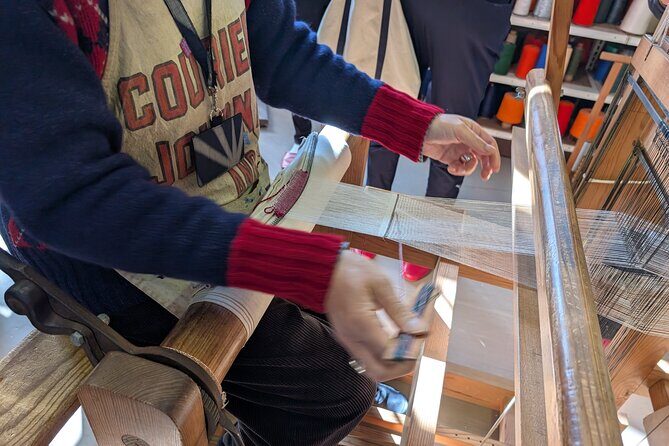
This is the heart of the experience if you want more than photos. At the Chichibu Meisen Silk Center, you’ll see examples of kimono styles that became popular about 100 to 130 years ago as casual, stylish clothing. That time window is important because it places Meisen textiles in the era when they became part of everyday life, not only ceremonial use.
One of the best parts is the live silk-spinning demonstration. Instead of treating silk as a finished product, you get a sense of how a thread becomes something structured and meaningful. It’s the kind of viewing that makes the later exhibits more understandable.
Then comes the workshop: making your own coaster. You’ll be guided through a coaster-making activity that uses a loom-style approach (you’ll feel the mechanics of weaving rather than just assemble a souvenir). This is also where the tour tends to click for people who learn best by doing—because you can compare what you see in the museum to what you’re producing in your hands.
A small tip for this stop: be ready to slow down. The workshop isn’t long, but it asks you to focus. If you love crafts and have decent patience for careful steps, you’ll enjoy this part most. If you prefer purely passive sightseeing, you might find it a bit hands-on for your taste.
Festival storytelling at the float museum: yatai, kasaboko, and festival “memory”
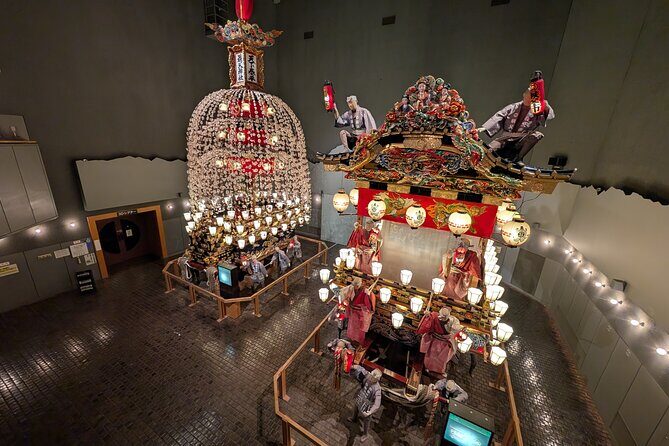
Next you shift from silk threads to festival culture. Chichibu’s Night Festival is known as one of Japan’s three great float festivals, alongside Gion in Kyoto and Takayama in Hida. The point here isn’t trivia; it’s why Chichibu still treats these floats as a living identity.
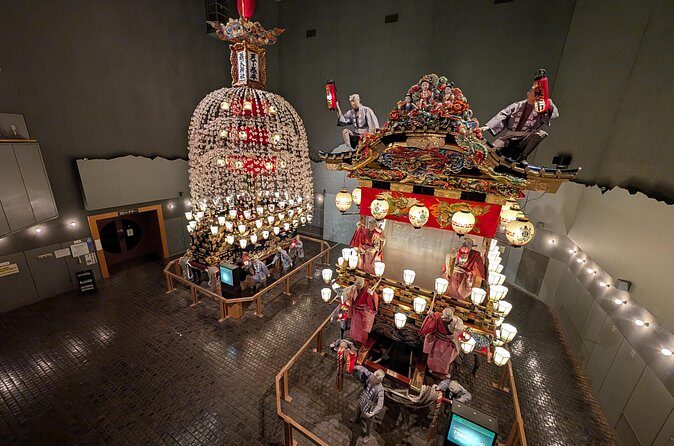
At the Chichibu Matsuri Kaikan / Chichibu Festival Museum area, you’ll see lavish yatai floats and kasaboko displayed year-round. Seeing them outside festival days is a real benefit. You can study shape, construction, and design details without needing a perfect viewing spot at night. You also get the sense of why these floats were so powerful for attracting people—including the silk merchants whose presence mattered to the local economy.
Then you’ll get a guided walk through streets tied to the old Meisen wholesale world. You’ll be guided along Banba Street, and you’ll also pass areas where wholesalers once operated, including sections connected to Kaitsuisho Street. The vibe you’re looking for is the early commercial district feel: the story of textiles moving from hands to markets.
A key practical detail: one of the guides’ focuses is the festival geography. You’ll be taken to a slope where floats are pulled up during the climax of the Night Festival. Even though you’re not necessarily watching the full nighttime parade here, being shown the physical place where the festival drama happens makes the history stick.
Banba Street to Chichibu Shrine: stone steps, old-town architecture, and a walking timeline
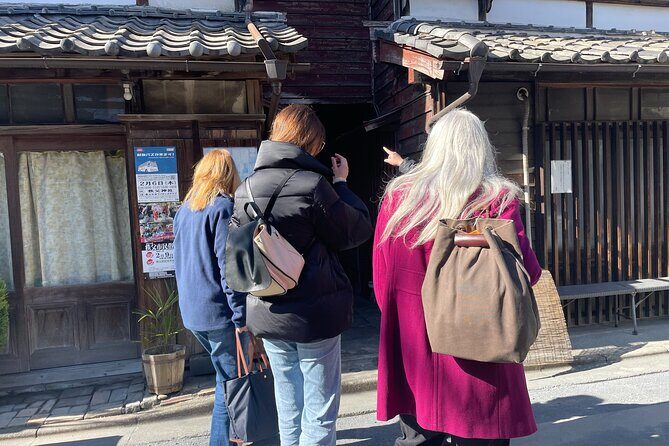
Between the weaving museums and the shrine, you get a short but meaningful walking segment. Banba Street is the stone-paved approach to Chichibu Shrine, and it’s lined with modern buildings built during the late Taisho to early Showa period—about 100 years old.
That might sound like a throwaway detail, but it’s a big part of why the tour feels coherent. You’re not bouncing between unrelated stops. You’re moving along a route that mirrors how people would experience the shrine area: step by step toward the focal point of the festival and the community.
The walk also sets the tempo for the ending. After learning how silk became clothing and how festival floats energized the local economy, the shrine approach brings it back to something timeless—ritual, carving, and community symbolism.
If you dislike walking on stone-paved streets, plan for it. The route is short, but it’s real ground underfoot.
Chichibu Furusato-kan: a brief look at Meisen wholesaler storehouses
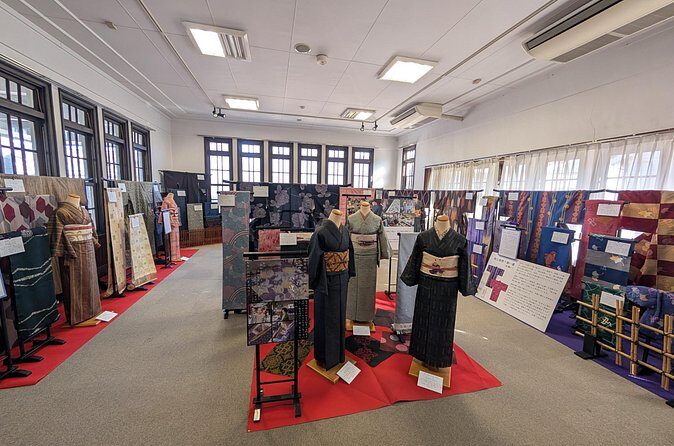
You’ll also stop at Chichibu Furusato-kan for about 10 minutes. Admission is free here, and the focus is on buildings and storehouses of Meisen wholesalers from roughly 100 to 120 years ago.
This stop functions like a quick pause button. It’s not meant to be the whole story; it’s meant to give you context. When you see old wholesale structures, the earlier museum content about silk production and Meisen popularity starts to feel like a complete chain—fiber, textile style, and the business networks that helped it thrive.
If you like historical atmosphere, you’ll enjoy the time here. If you want maximum time in hands-on parts only, this one is short by design, but it still adds important texture.
Chichibu Shrine: 2,100 years of atmosphere and the festival’s focal point
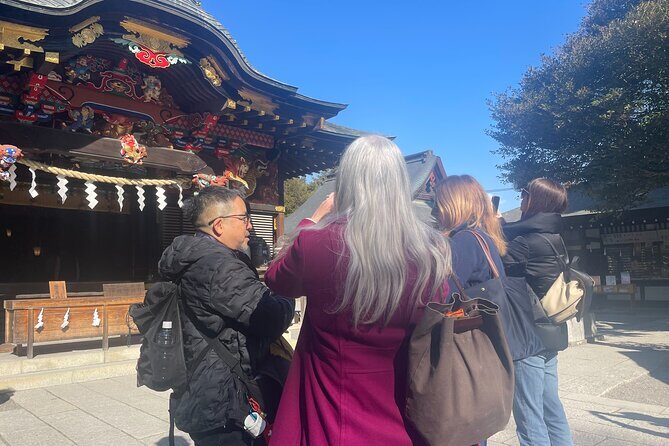
The final stop is Chichibu Shrine, believed to have been founded over 2,100 years ago. It’s known for a sacred atmosphere and exquisite carvings, and it serves as the focal point of the Chichibu Night Festival.
What makes this ending work is that the shrine isn’t treated like a generic temple stop. It connects back to the festival story you’ve been building all morning. When you understand the shrine’s role as the festival center, the carved details and architecture take on added meaning.
Admission here is free, which helps if you’re managing your budget while still wanting a real cultural finish.
Practical note: because the tour ends here, you’ll likely want time after the tour to look around at your pace. This is especially useful if you want to explore carved areas more slowly or take photos without having to keep up with the group.
Price and value: what $100.99 buys you in a 3-hour slot
At $100.99 per person, this tour sits in the mid-range for a short guided experience in Japan. The price makes more sense once you see what’s included:
- Guide fee
- Chichibu Meisen Museum admission
- Coaster-making workshop fee
- Chichibu Festival Hall admission
- The shrine stop (free admission)
In other words, you’re not paying mostly for narration. You’re paying for guided access plus timed entry and a practical craft experience. The small group size (up to five) also matters for value because it usually means more attention from staff and a better chance to ask questions while you’re weaving.
Also, you’ll save time. Chichibu is a day-trip friendly destination from Tokyo, but moving efficiently between the right textile sites and the shrine is exactly the kind of coordination that helps a guided format.
If you love crafts, you’ll likely feel you got your money’s worth most strongly from the coaster-making component. If you mainly want scenic photo stops, you might feel the value rests more on museum displays and the walking route.
Who should book this (and who might want a different plan)
This tour is a strong fit if:
- you want a morning activity that mixes history + something practical
- you like textile stories that connect to real local life, not only artifacts
- you’re interested in how craft communities and festivals reinforce each other
- you appreciate guided explanations while walking short distances
I’d think twice if:
- you’re chasing the full Chichibu Night Festival night parade atmosphere
- you dislike workshop activities or have limited patience for careful, hands-on steps
- you want long museum time without a craft component
The good news is that the tour’s structure is built for balance. You get silk context, then festival context, then a shrine ending that ties it all together.
Should you book this Chichibu silk and shrine morning?
If you want a day trip that feels authentic, not generic, I’d book it—especially if you’re curious about Meisen and like learning by doing. The live silk-spinning demonstration, the hands-on coaster workshop, and the year-round float displays create a full story arc in about three hours.
My best advice: treat this as your “Chichibu foundation” trip. If you’re able to visit around December 2-3 for the Night Festival, you’ll be better prepared to appreciate what you’re seeing, because you’ll already understand why silk and floats became intertwined.
FAQ
How long is the tour?
The tour is about 3 hours.
What time does the experience start?
It starts at 9:30 am.
Where do I meet, and where does the tour end?
You meet at 1-chōme-16-15 Nosakamachi, Chichibu, Saitama 368-0033, Japan, and the tour ends at Chichibu Shrine, 1-3 Banbamachi, Chichibu, Saitama 368-0041, Japan.
What’s included in the price?
Included are the guide fee, Chichibu Meisen Museum admission, the coaster-making experience fee, and Chichibu Festival Hall admission.
Is anything not included?
The fortune slip fee is not included.
How large is the group?
The tour has a maximum of 5 travelers.
Can I cancel for a full refund?
Yes. Free cancellation is available up to 24 hours in advance for a full refund.