REVIEW · KYOTO
Kyoto Making Wagyu Sushi experience
Book on Viator →Operated by 演出 鉄板ステーキ&BAR ココットアルファ 河原町本店 · Bookable on Viator
A Kyoto wagyu sushi class beats guesswork. You’ll learn the exact flow from rice to rolls, plus a chef’s handy tips.
What makes it fun is the mix of technique and food: wagyu in a sushi format, and a traditional 法被 to make it feel like an event, not a lecture. You’ll also build your own pieces step by step—clean hands, perfect shari, then toppings.
I especially like two things: you get real structure (wash hands, make shari, top it, finish it), and you don’t just watch. The class takes you into both 握り and 巻き so you leave knowing more than one sushi style.
One small consideration: the meeting spot is in a building that can be a little confusing to navigate, especially the elevators—plan a few extra minutes.
In This Review
- Key highlights you’ll actually care about
- Kyoto wagyu sushi, done hands-on at Cocotte Alpha Pontocho
- Your menu: shari, wagyu toppings, optional wasabi, then rolls and gunkanmaki
- The 1 hour 15 minute flow: what happens from start to finish
- What the wagyu twist adds (and what to watch for)
- Lunch you’ll look forward to: sushi plus tempura, red dashi, pickles, soft drink
- Price and value: $70 for technique plus a full lunch
- Finding the meeting point on Pontocho side streets (and the elevator problem)
- Who should book: families, couples, and first-timers who want structure
- Weather and booking flexibility: plan for the rare bad-day swap
- Should you book Kyoto making wagyu sushi?
- FAQ
- What is the duration of the Kyoto wagyu sushi making experience?
- What time does it start?
- Is lunch included?
- Can children participate?
- Are there any allergy notes I should know?
- How many people is the group limited to?
- What happens if the experience is canceled due to poor weather?
Key highlights you’ll actually care about
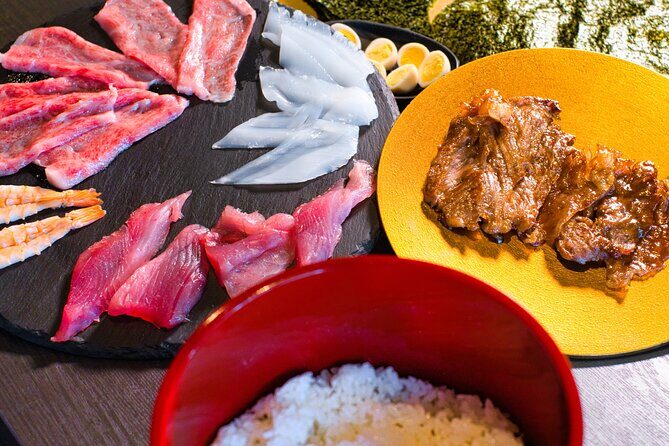
- Chef Yoshi picks fresh ingredients in the morning, so your lunch isn’t built from generic supplies
- You’ll make both nigiri and rolled sushi, then the chef slices the makizushi for you
- Gunkanmaki is part of the lesson, so you learn how seaweed sizing changes the final bite
- Hands-on pace fits a 1 hour 15 minute block, which works well for a Kyoto lunch
- Lunch includes sushi plus tempura, red dashi soup, pickles, and a soft drink
- Tell the team about egg or shrimp allergies ahead of time to keep things safe
Kyoto wagyu sushi, done hands-on at Cocotte Alpha Pontocho
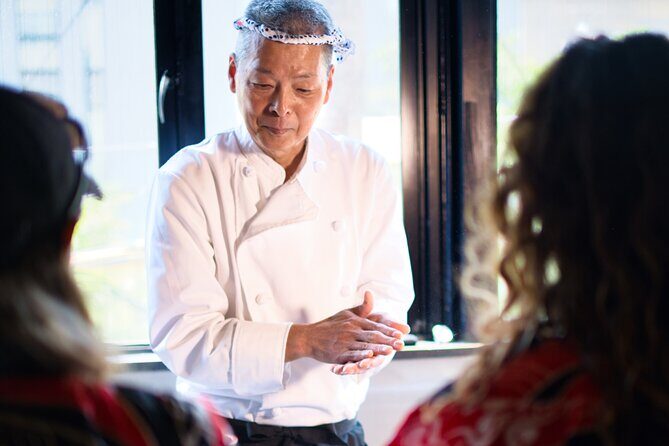
This experience is a small-group sushi-making lunch in Kyoto, centered on a wagyu twist. The vibe is practical: you’ll learn processes you can repeat later, not just a one-off photo moment.
The class takes place at Cocotte Alpha Premium Wagyu Teppanyaki Kyoto Pontocho in the Golden Building (meeting point is on the 3F). It’s close to public transportation, and the activity ends back at the meeting spot, so you don’t have to plan any complicated transfers after lunch.
You’ll also get a special traditional 法被, which sounds like a detail until you put it on. It signals that this is meant to feel like a craft experience. Even if you’re a first-timer, the setting nudges you to slow down and follow the steps carefully.
You can also read our reviews of more tours and experiences in Kyoto.



Your menu: shari, wagyu toppings, optional wasabi, then rolls and gunkanmaki
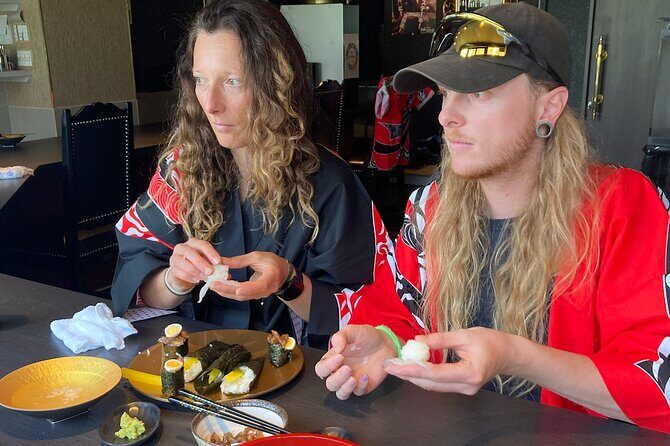
The biggest value here is the range of sushi styles you work through. The sequence is clear from the start, and each step has a purpose.
You start with the basics:
- Wash your hands as part of the routine
- Make 握り寿司のシャリ (sushi rice)
- Add the topping (ネタ)
- Finish each piece and optionally add わさび based on your preference
Then the class shifts into rolling:
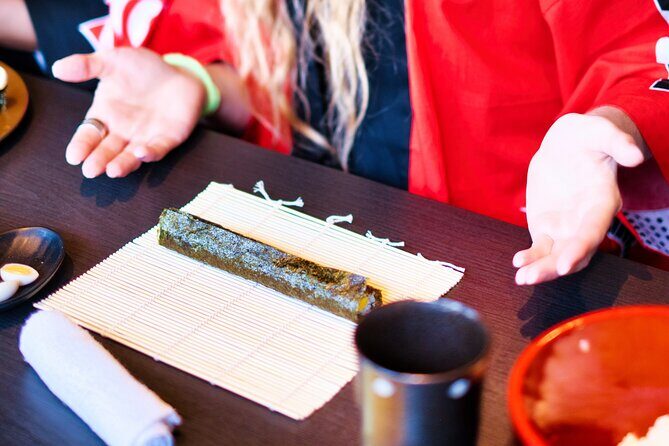
- You make 巻き寿司 (rolled sushi)
- The head chef slices the roll into bite-size pieces
Finally, you get to 軍艦巻き (gunkanmaki). This part teaches you something easy to miss when people only eat it: the seaweed size matters. When the nor is cut or sized differently, the structure changes how the topping sits and how the bite feels.
If you’re traveling with kids, this variety is a real advantage. Different steps keep attention from drifting. And if you’re an adult who wants technique, you’ll get more than one skill set.
The 1 hour 15 minute flow: what happens from start to finish
This is designed for a tight lunch window, about 1 hour 15 minutes total. That means the schedule is structured and you won’t wander around waiting for your turn.
Here’s the rhythm you can expect:
- Arrive at the 3F meeting point a bit early and get settled
- Hands-on setup: the team walks you through the cleaning and rice prep steps
- Shari time: you learn how to shape and handle the sushi rice
- Top it: you add your chosen topping and finish one piece at a time
- Move to rolling: you make your own makizushi
- Chef slicing: the chef cuts the roll into neat pieces
- Gunkanmaki: seaweed sizing and topping placement come into play
- Arrange and eat: you line up what you made, then say いただきます
One practical upside of this timeline: you can fit it into a day that already has Kiyomizu-dera, Fushimi Inari, or a riverside walk without feeling like you lost your whole afternoon.
What the wagyu twist adds (and what to watch for)
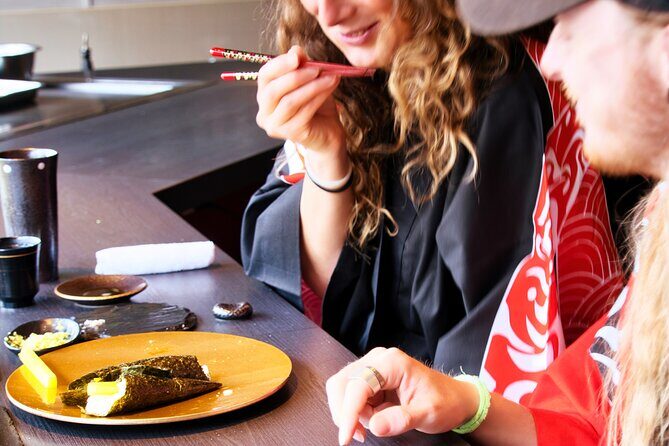
This class is built around wagyu used in a sushi-making context, not wagyu steak at a grill. That matters because sushi technique is about form, moisture balance, and bite size. The workshop forces you to think about how ingredients behave when they become part of a small, structured piece.
You’ll practice the parts that control the outcome:
- shaping rice so it holds together without going mushy
- coordinating rice and topping so the piece stays balanced
- using optional wasabi so you can decide how spicy you want it
Two things to keep in mind:
- Allergy planning matters. The experience specifically asks that you notify them about egg or shrimp allergies in advance. If that applies to you, message the operator before you arrive.
- Seaweed size changes gunkanmaki structure. That’s actually a good thing. If you’ve only eaten gunkanmaki without thinking about it, you’ll leave with a clear mental model for how it should look and feel.
Lunch you’ll look forward to: sushi plus tempura, red dashi, pickles, soft drink
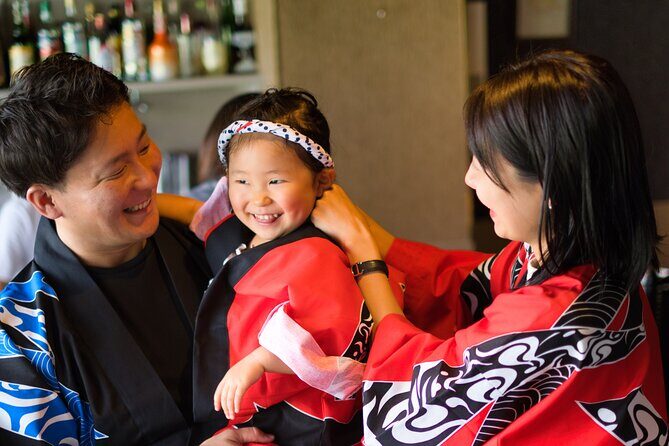
After the making portion, you get lunch with the items you’re told to expect. This is one of the better parts of the deal because you’re not just making food and leaving hungry.
Your lunch includes:
- the sushi you prepared
- tempura
- 赤だし (red dashi soup)
- お漬物 (pickles)
- a soft drink
It’s also helpful that Chef Yoshi is involved in the process in a meaningful way. One standout detail from the experience is that he selects fresh ingredients earlier in the day. That gives the meal an added sense of intention, and it makes the lunch feel like it belongs to the class—not an afterthought.
If you’re thinking about value, this is where it lands. You’re paying for the instruction plus a full lunch component, not just a short demo.




Price and value: $70 for technique plus a full lunch
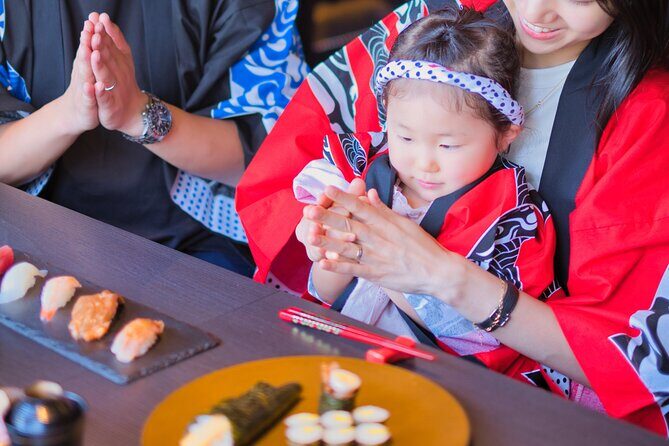
At $70 per person, the question isn’t just what you eat. It’s what you learn and how much meal is included.
For me, the best value signals are:
- You’re actively making multiple sushi styles (not only one)
- You get a chef-led structure that runs about 1 hour 15 minutes
- You’re served lunch afterward with several components (sushi, tempura, soup, pickles, soft drink)
If you compare this to paying for a meal plus booking a separate class somewhere else, this format bundles the two. Even if you only want to learn one technique, you still get the full lesson sequence.
Also, this is usually booked ahead—on average around 40 days in advance. If your Kyoto dates are set, don’t wait until the last week.
Finding the meeting point on Pontocho side streets (and the elevator problem)
The experience starts in a specific building: Cocotte Alpha Premium Wagyu Teppanyaki Kyoto Pontocho, Golden Building, 3F. Reviews flagged a recurring issue: it can be hard to tell which elevator to use when you arrive.
Here’s my practical advice so you don’t lose time:
- Plan to arrive 10 to 15 minutes early
- Use the full address and the 3F detail as your anchor, not just the neighborhood name
- When you get inside the building, follow any signage for the floor or activity check-in—don’t guess based on the first elevator you see
Once you’re on the right floor, the process is straightforward. But that early navigation step is the kind of friction that can make an otherwise great class feel stressful.
Who should book: families, couples, and first-timers who want structure
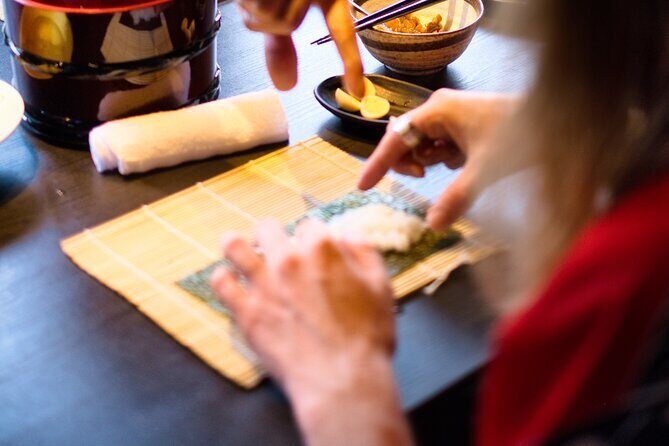
This is a smart fit if you want a guided sushi experience without needing prior knowledge. The steps are explained as you go, starting with basic prep and ending with sushi you can actually eat.
It’s especially appealing for:
- Families with kids: the pace and variety keep kids engaged, and the workshop format is designed to be doable for children
- Couples: this can work well as a date lunch because you do the steps together and then eat what you made
- First-time sushi makers: you get to practice sushi rice handling and toppings, plus rolling and gunkanmaki
Also note the group size: it has a maximum of 10 travelers. That usually means the instructor attention feels more personal than you’d get in a big classroom setting.
Weather and booking flexibility: plan for the rare bad-day swap
One thing to know before you commit: the operator says it requires good weather. If it’s canceled due to poor weather, you’ll be offered a different date or a full refund.
That’s helpful, but you should also understand that the experience is non-refundable and cannot be changed for any other reason. So book it when you’re comfortable with your Kyoto schedule, especially if you’re traveling during peak season and juggling multiple plans.
Should you book Kyoto making wagyu sushi?
Book it if you want:
- a hands-on sushi workshop (not just watching)
- a lunch that’s included with multiple dishes, not an add-on
- a small group experience with a chef who picks fresh ingredients
- a structured 1 hour 15 minute activity that fits into a busy Kyoto day
Skip it if:
- you hate one more thing to find in a multi-elevator building and you don’t like arriving early
- you have allergies and you haven’t already confirmed the kitchen can accommodate them (they ask you to notify them about egg or shrimp)
- your schedule is extremely fragile, since it’s non-refundable and changes aren’t allowed except in the weather-cancel scenario
If you like learning by doing, this is the kind of Kyoto food experience that leaves you with a story and a skill—not just a quick meal photo.
FAQ
What is the duration of the Kyoto wagyu sushi making experience?
It runs for about 1 hour 15 minutes.
What time does it start?
The start time listed is 12:00 pm.
Is lunch included?
Yes. Lunch includes the sushi you make, plus tempura, red dashi soup, pickles, and a soft drink.
Can children participate?
Yes. The experience says it can be done starting from children, so it works for families.
Are there any allergy notes I should know?
The experience asks you to notify them in advance about egg or shrimp allergies.
How many people is the group limited to?
The maximum group size is 10 travelers.
What happens if the experience is canceled due to poor weather?
If it’s canceled because of poor weather, you’ll be offered a different date or a full refund.