REVIEW · TOKYO
Tokyo: Mt Fuji 3 Lakes Day Trip | 9-Guest Small Group
Book on GetYourGuide →Operated by Leda Japan · Bookable on GetYourGuide
Fuji views hit differently when you skip the crowds. This small-group 3 Lakes day trip focuses on quieter angles—Lake Shoji, Oishi Park area, and Hirano Beach—so you spend more time looking and less time fighting for a spot.
I especially like the seasonal planning (floral colors shift by month) and the fact you’re not boxed into the same two stops everyone posts online. One thing to consider: optional add-ons (cruise/ropeway/museum) are not always identical to the plan in every season, so build in flexibility if you’re chasing a specific photo or ticketed ride.
In This Review
- Key Tour Takeaways (The Stuff That Matters)
- Why This 3-Lakes Fuji Route Feels Different From the Usual
- Pickup and Timing: The Fastest Way to Enjoy the Day
- Lake Shoji: Quiet Fuji and Sengen Shrine Energy
- Oishi Park and the Seasonal Swap System (Your Main “Why”)
- Your One Choice at Lake Kawaguchi: Cruise, Ropeway, or Music Forest
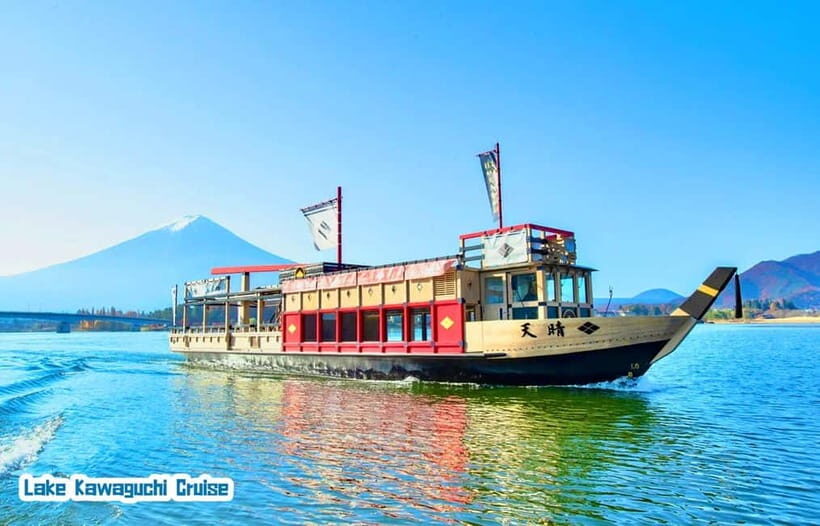
- Option 1: Lake Kawaguchi Cruise (Tenkyo boat + upside-down Fuji)
- Option 2: Mt. Kachikachi Ropeway to Tenjozan Park
- Option 3: Lake Kawaguchi Music Forest Museum (with hands-on fun)
- The Viral Lawson Stop: Why This One Works
- Hikawa Clock Shop: Fuji Through a Retro Alley
- Hirano Beach at Lake Yamanaka: Floating Fuji at Golden Hour
- Getting the Best Value for the Money ($20 Doesn’t Mean It’s Cheap)
- Comfort and Practical Tips for a Long Day Out of Tokyo
- Who This Tour Is For (And Who Should Skip It)
- Should You Book This 3-Lakes Fuji Day Trip?
- FAQ
- What time does the tour depart Tokyo and when do you return?
- What is included in the tour price?
- Where is the pickup meeting point?
- Are the cruise/ropeway/museum tickets included?
- What languages are supported?
- Is the lake cruise wheelchair accessible?
Key Tour Takeaways (The Stuff That Matters)
- Crowd-light viewpoints: Fuji angles at three lakes, designed to be easier than the typical day trips.
- Seasonal swaps, not copy-paste scenery: your itinerary adjusts with the season—flowers, festivals, and winter snow art.
- Choose one adventure: pick among a lake cruise, ropeway/park, or Music Forest Museum (entry tickets not included).
- Real photo stops on the way back: the Lawson Fuji frame and a clock shop alley with Fuji vibes (weather-dependent).
- Small-group logistics: a van ride with a set 10-hour route, plus driver/guide English–Chinese support.
Why This 3-Lakes Fuji Route Feels Different From the Usual
Most Tokyo-to-Fuji day trips aim for the same hits: one lake, one bus crowd, one big photo spot. This one works because it spreads you across three separate lake moods, each with its own rhythm and light. Lake Shoji tends to feel hushed. Oishi Park area is more “garden day.” Hirano Beach leans toward quiet, slower golden hour.
I also like the way the day is built around what changes with time. In spring you’re chasing cherry blossoms. In summer you’re looking for festival energy and deeper green. In autumn it shifts toward fiery foliage. Winter becomes “snow serenity” mode. That seasonal swap idea means you’re not just buying transportation—you’re buying timing.
Still, there’s a practical consideration: ticketed options and exact stops can vary by season and conditions. If you’re the type who packs every minute like a train schedule, keep a little buffer for changes in what’s available.
A few more Tokyo tours and experiences worth a look



Pickup and Timing: The Fastest Way to Enjoy the Day
The tour starts with a 8:00 AM departure from Tokyo, and you’ll get pickup in the morning. If you booked a meet-up package, your starting point is JR Tokyo Station (Marunouchi North Exit). If you selected hotel pickup, it runs roughly 7:30–8:30 AM in select central wards, including Shinjuku, Chiyoda, Chuo, Shinbashi, Akasaka, Tamachi, Shiodome, Hamamatsuchō, Roppongi, and Taito.
Order and exact timing are set by the driver-guide, and late arrivals aren’t accommodated—no surprise wait time. If you want the day to feel relaxed, do the boring things right: be ready a few minutes early, and keep your phone handy for contact with the driver.
Also note the vehicle rules: no smoking, no alcohol in the vehicle, and no food/drinks in the van. It’s a long ride with a set rhythm, so plan to snack once you’re out.
Lake Shoji: Quiet Fuji and Sengen Shrine Energy
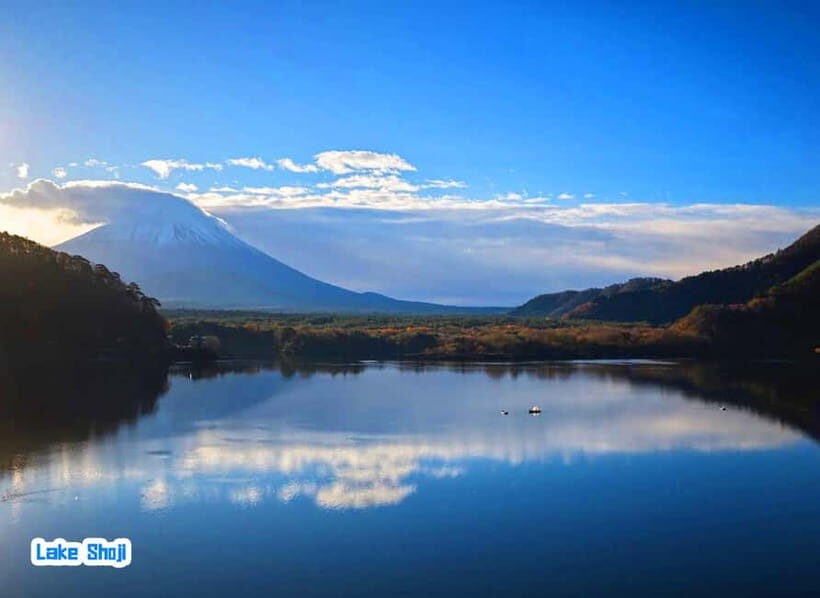
Lake Shoji is where this tour earns its “best-kept secrets” pitch. It’s described as the quietest Fuji lake, and the day’s seasonal theme shows up here first. Depending on when you go, you’ll see cherry blossoms, emerald forest tones, autumn color, or snow-dusted stillness.
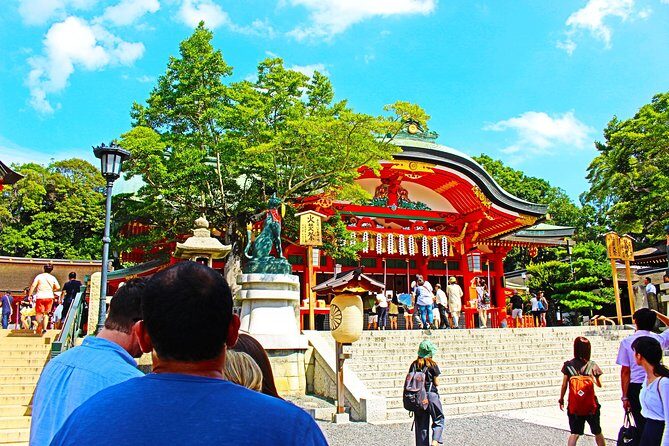
There’s also a spiritual stop: Sengen Shrine, tied to Fuji heritage. Even if you’re not a temple person, I like this break because it slows the day down before the photo-and-walk loop starts. It’s not just scenery; it’s a pause with context.
If you’re traveling in August, the itinerary specifically mentions the Suzumi-no-Matsuri with taiko drums plus local street food. That’s a rare add-on on a day trip, and it can turn a standard Fuji lake stop into something more local-feeling.
Oishi Park and the Seasonal Swap System (Your Main “Why”)
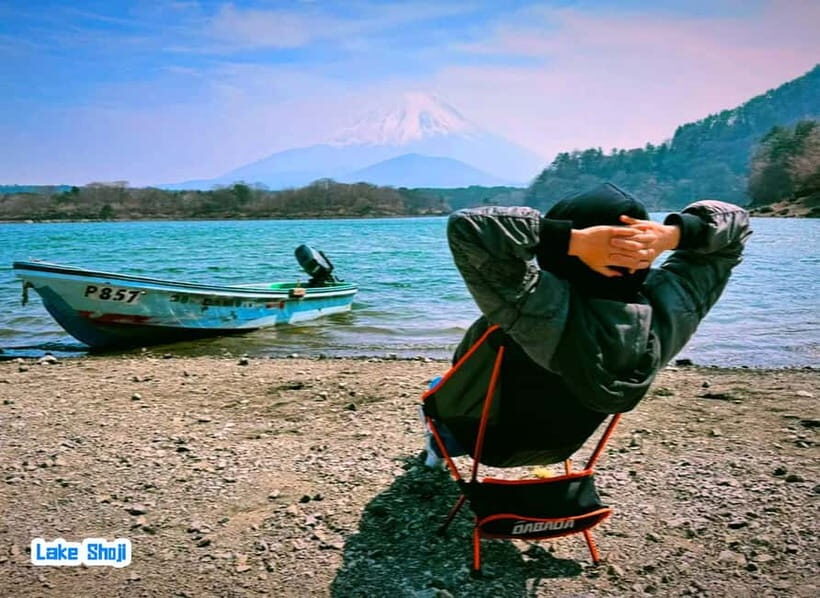
After Shoji, the tour shifts to Oishi Park or seasonal alternatives, with about 150 minutes plus lunch time in that block. This is the heart of the “seasonal swaps” idea. The itinerary spells out what you’re chasing by month:
- Lavender season (Jun–Jul)
- Cosmos season (Sep–Oct)
- Snow art season (Dec–Feb)
If you’re there during late March through mid-April (Mar 25–Apr 15), the schedule includes the Lake Kawaguchi Cherry Blossom Festival, where you can stroll under pink canopies and pick up festival treats.
What I like about this approach is simple: it gives you a reason to go in a specific season, beyond hoping for good luck. Fuji photos are always weather-dependent, but flower timing isn’t random. You can show up with a better chance of getting the look you want.
Your One Choice at Lake Kawaguchi: Cruise, Ropeway, or Music Forest
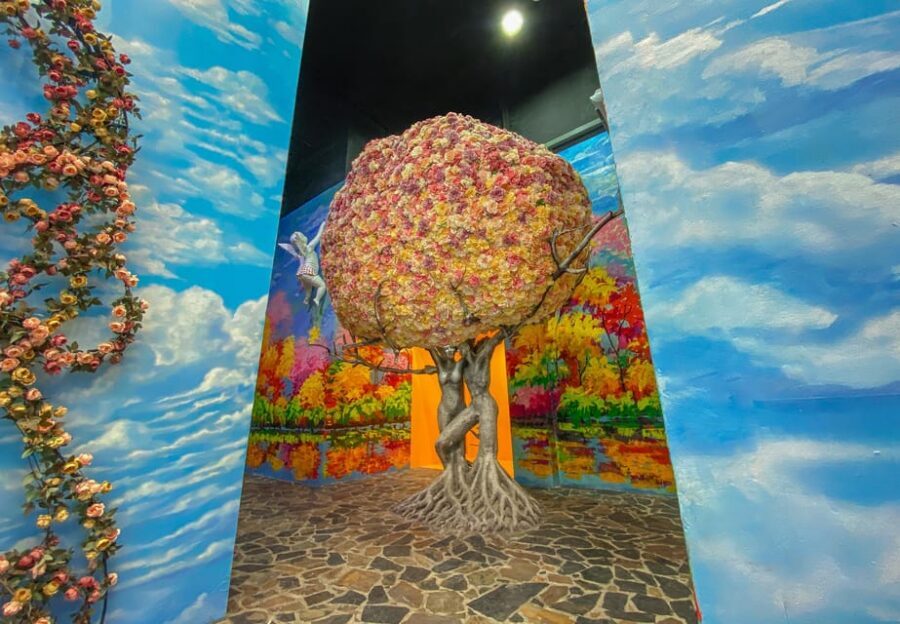
Here’s one of the best parts of the day: you get to choose one adventure. That means you don’t have to do everything, and you can match the option to your energy level and your kind of fun.






Option 1: Lake Kawaguchi Cruise (Tenkyo boat + upside-down Fuji)
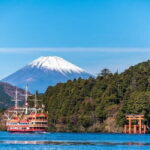
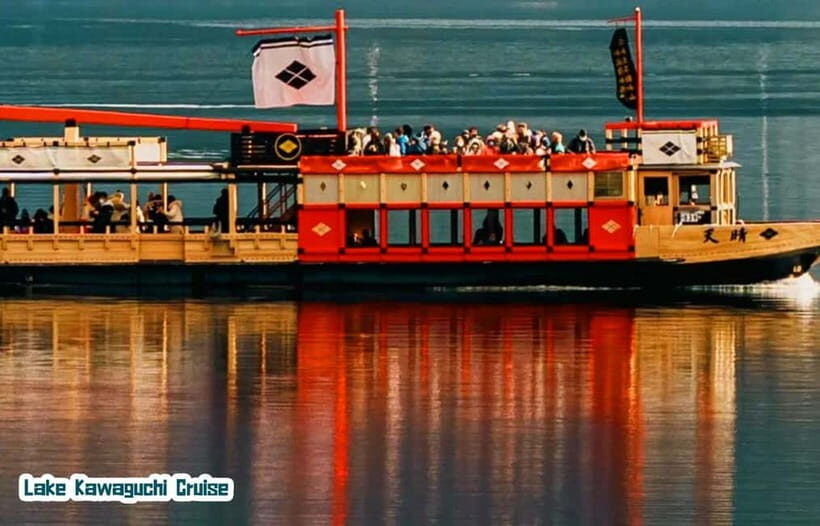
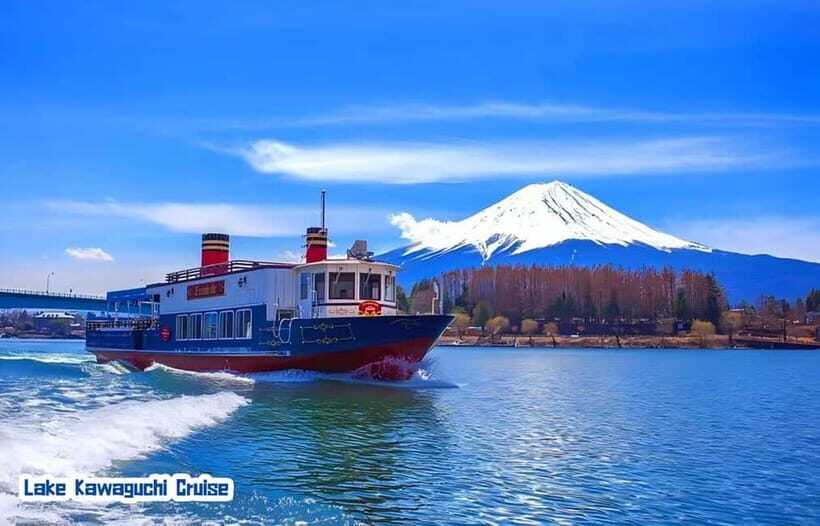
This cruise is on a sightseeing boat modeled after a 16th-century warship. The pitch here is classic Fuji magic: you may see Upside-Down Fuji reflections on the water. There are also samurai-style elements for photos, and the cruise is specifically noted as wheelchair-accessible.
Option 2: Mt. Kachikachi Ropeway to Tenjozan Park
If you want a short ride plus lots of small attractions, this is the pick. The ropeway ride is described as about 3 minutes, reaching Tenjozan Park for panoramic views.
The park theme is folklore and playful shortcuts: rabbit and raccoon statues/shrines, kachi-kachi grilled dango, clay disc throwing for luck, and a Bell of Heaven for couples to ring. It’s not a “serious sightseeing” stop. It’s more like a themed viewpoint day.
Option 3: Lake Kawaguchi Music Forest Museum (with hands-on fun)
This is for people who like gardens plus quirky collections. The museum is described as having a European-style garden and includes antique music boxes and organs, with one noted example: a Titanic replica. Weekend concerts may happen, and there are lakeside dining/souvenir options.
You can also find a music box-making workshop mentioned in the itinerary. If you enjoy taking home something small that feels connected to the day, this option makes sense.
A practical note from real-world expectations: entry tickets for these activities aren’t included, so factor that into your budget. Also, a prior planning mismatch has been reported in the real world—so if one option is critical for you, stay flexible on the day and ask for confirmation early with the guide.
The Viral Lawson Stop: Why This One Works
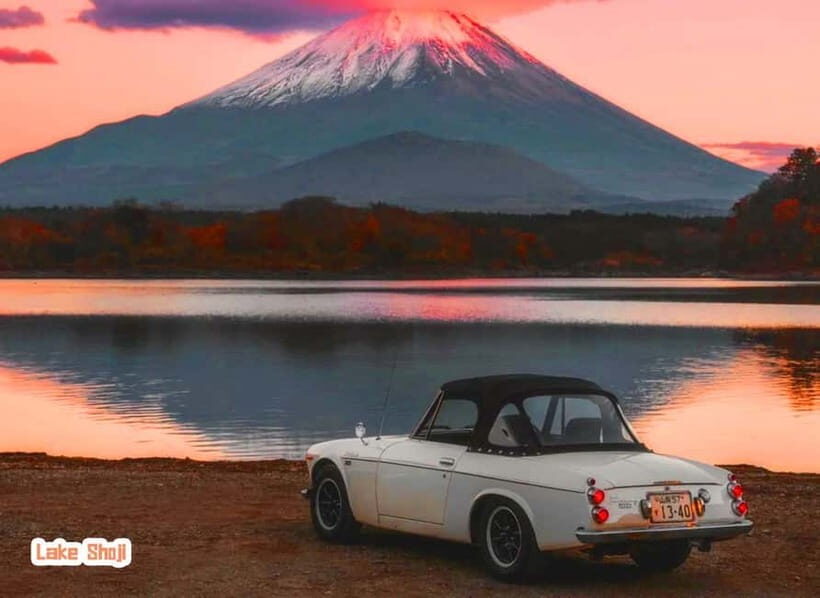
Between the lakes, you’ll hit a photo stop designed for instant satisfaction: a Lawson convenience store framing Fuji. The description is blunt: it’s the iconic shot where Fuji appears perfectly framed behind Japan’s famous convenience-store branding.
This is a good break in a long day. You get a quick win, you can reset your phone batteries, and you don’t have to choose between “photos” and “time outside.” Just be mindful that weather and cloud cover can change how clean the framing looks.
If you love simple photo goals like this, you’ll enjoy the stop. If you hate staged photo moments, treat it like a quick hallway stop and keep moving.
Hikawa Clock Shop: Fuji Through a Retro Alley
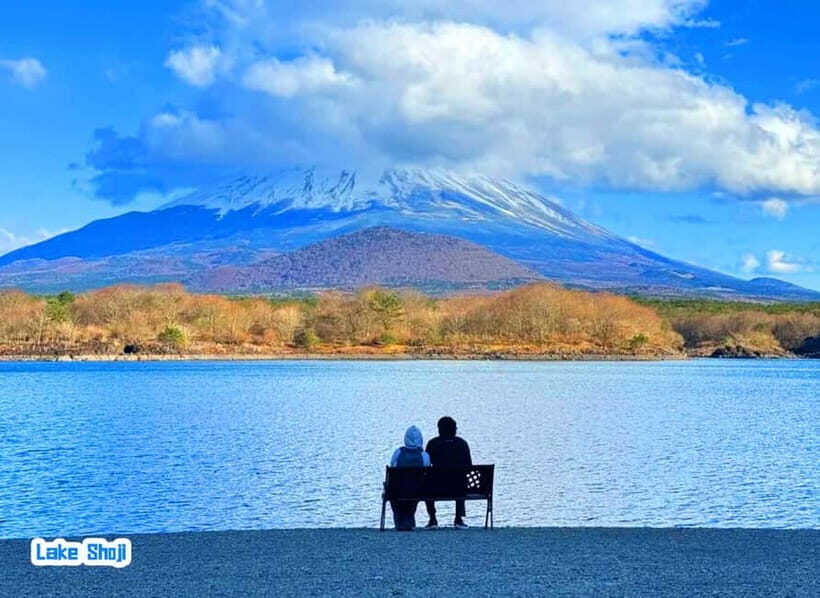
Next up is the Hikawa Clock Shop, described as a retro alley with 1,000+ handcrafted clocks. The key detail is that Fuji visibility is weather-dependent, which is very honest for a viewpoint-adjacent stop.
Even if Fuji isn’t visible in the exact way you hoped, the clock shop area is still a fun detour. It gives you something different from scenery: the vibe becomes crafts, old-town texture, and close-up details.
This kind of stop also helps balance the day. After long outdoor stretches, a shaded street with lots of small things to look at feels like a breather.
Hirano Beach at Lake Yamanaka: Floating Fuji at Golden Hour
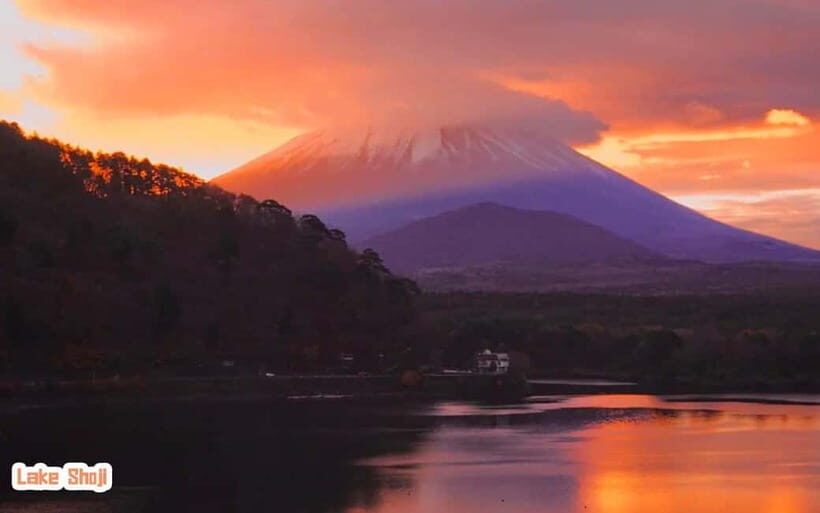
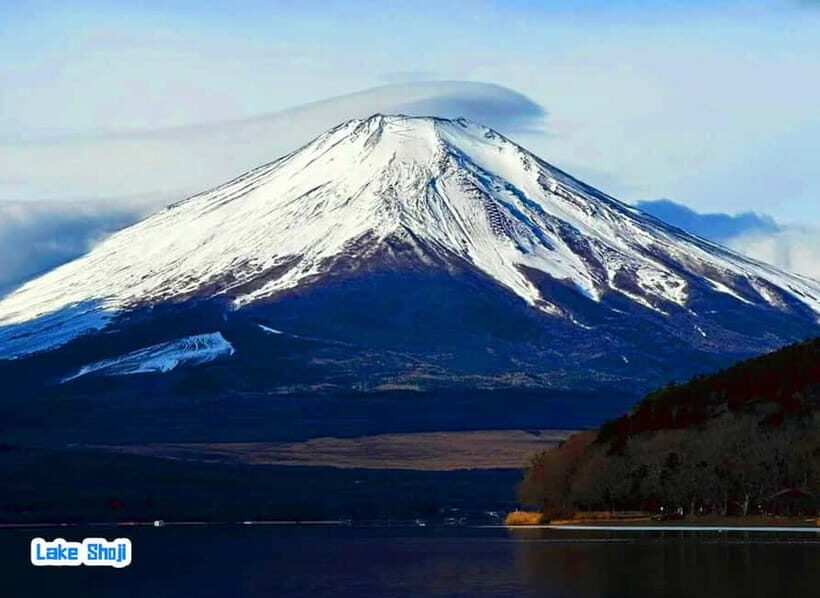
The final lake stop is Hirano Beach at Lake Yamanaka, described as Fuji’s highest-altitude lake. It’s also where the day turns calmer. You get time to unwind on the quiet shoreline and chase the “floating Fuji” illusion.
That effect is most likely around golden hour, so timing matters. If you’re the type who takes photos for real, this is where you’ll slow down rather than rush. Even if you don’t nail the exact illusion shot, the lakeside still feels like a payoff after earlier viewpoints.
Getting the Best Value for the Money ($20 Doesn’t Mean It’s Cheap)
The headline price is $20 per person, and for a Tokyo-to-Fuji day trip that includes transportation, a driver service, and about 10 hours on the road, it’s strong value. The tour price covers:
- Van transportation
- Fuel, tolls, and parking
- A driver service
- A structured full-day route
What’s not included is also clearly stated: meals and entry tickets for things like the ropeway/cruise/museum. So your final day cost depends on what option you choose and whether you buy lunch there.
To keep this economical, I recommend two strategies. First, decide your one adventure early based on what you actually want. Second, plan for food on your own during the lunch break since meals aren’t included.
Comfort and Practical Tips for a Long Day Out of Tokyo
This trip is built for a full day, so comfort matters. Bring comfortable shoes and water, and wear clothes that can handle changing temperatures—Fuji-area weather can feel different fast.
You’ll be moving between several locations, and each stop has walking time even when it’s short. Also, the tour is not a good fit for everyone. It’s explicitly noted as not suitable for pregnant women, people with heart problems, and people over 70.
If you’re unsure, treat that as a heads-up to check with your doctor before committing.
Who This Tour Is For (And Who Should Skip It)
This is a great fit if you want a Fuji day that feels less like a checklist and more like a seasonal story. It’s also ideal for people who like small-group energy and don’t want the usual “only the most famous lake” day.
It’s less ideal if:
- You need a very rigid schedule with zero variation in ticketed activities.
- You hate convenience-store-style photo stops.
- You’re planning another event right after pickup. The timing is long, and you’ll likely be tired by the time you get back to Tokyo.
The best match is someone who enjoys planning around seasons and who likes a mix of viewpoints plus one fun ticketed adventure.
Should You Book This 3-Lakes Fuji Day Trip?
Yes, if your goal is a Fuji day that feels quieter and more seasonal than the standard “same two viewpoints” circuit. The route’s structure—Lake Shoji for calm, Oishi Park area for seasonal flowers, and Hirano Beach for golden-hour payoff—gives you variety without overcomplicating the day.
Book it if you like having a choice at Lake Kawaguchi (cruise, ropeway/park, or Music Forest Museum) so you can pick what matches your mood. With the price covering transportation and a full-day plan, it’s a solid way to spend a day outside Tokyo without renting a car.
Skip or reconsider if you’re strict about one specific ticketed option or if your schedule won’t tolerate small changes. This day trip is most enjoyable when you let the season guide you.
FAQ
What time does the tour depart Tokyo and when do you return?
The tour departs around 8:00 AM and returns to JR Tokyo Station (or to the original pickup area) by 6:00 PM.
What is included in the tour price?
The price includes van transportation, driver service, and fuel, tolls, and parking fees. Meals and entry tickets are not included.
Where is the pickup meeting point?
For meet-up package travelers, the start point is JR Tokyo Station (Marunouchi North Exit). Hotel pickup is available in select wards, with pickup typically 7:30–8:30 AM.
Are the cruise/ropeway/museum tickets included?
No. Entry tickets for the Ropeway/Cruise/Museum are not included.
What languages are supported?
The tour provides Chinese, English, Japanese, and Traditional Chinese support, and EN/CHI guides are provided.
Is the lake cruise wheelchair accessible?
Yes. The Lake Kawaguchi Cruise is specifically noted as wheelchair-accessible.
If you want, tell me your travel month and whether you prefer calm viewpoints or more “activity stops,” and I’ll help you choose between the cruise, ropeway/park, or the Music Forest Museum.