REVIEW · TOKYO
Private Tokyo’s Famed Tsukiji Fish Market Tour
Book on Viator →Operated by GuruGuruTour Tokyo · Bookable on Viator
Tsukiji can overwhelm you fast. This private tour turns the market area into something you can actually understand, with a guide-led shortcut to the best moments, clear etiquette guidance, and food stops that keep your energy up. I especially like that snacks are included and the visit is designed to help you avoid awkward missteps when language and local customs get in the way.
I also like how the route goes beyond fish—starting at Tsukiji Hongwanji Temple, then moving into the market area, and finishing at Namiyoke Inari Shrine. It’s a short, focused window (about 2 to 3 hours), so one possible drawback is that you will still need to plan for food beyond the included snacks since lunch isn’t included.
In This Review
- Key points before you go
- Why a private Tsukiji tour makes sense (and what it solves)
- Meeting at Eni Kaita Mochi and the morning rhythm
- Stop 1: Tsukiji Hongwanji Temple for calm photos and history
- Stop 2: Tsukiji Jogai Market for etiquette and street snacks
- Stop 3: Namiyoke Inari Shrine and how to visit properly
- What you’ll actually eat, and how to pace your morning
- Price and logistics: does $84.54 feel fair?
- The guide factor: Mr. Guru-San and a culture-first vibe
- Who should book this Tsukiji private tour
- Should you book Private Tokyo’s Famed Tsukiji Fish Market Tour?
- FAQ
- How long is the Tsukiji Fish Market tour?
- What does it cost per person?
- Where do I meet the guide?
- Is lunch included?
- Are snacks included?
- Which stops are part of the itinerary?
- Do I need to pay admission fees for the stops?
- Is this a private tour?
- When does the tour run?
Key points before you go
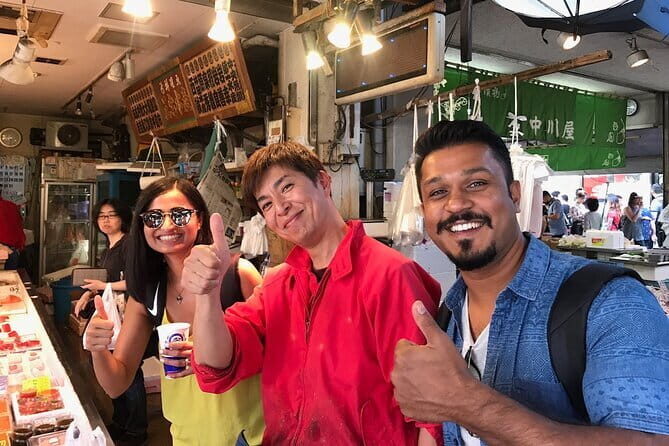
- A true private group: only your group participates, so you can ask questions without waiting
- Morning-friendly route: a short 2 to 3 hour plan that fits into a first-Tokyo morning
- Temple + shrine stops: Tsukiji Hongwanji Temple and Namiyoke Inari Shrine make the area feel grounded in culture
- Japanese etiquette lessons: you get guidance on how to behave around food and vendors
- Included snack energy: snacks are part of the experience so you are not walking on empty
- Mobile ticket: easy to access day-of
Why a private Tsukiji tour makes sense (and what it solves)
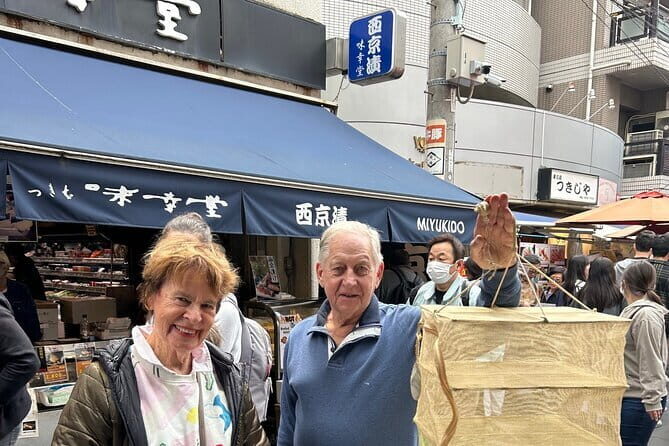
Tsukiji is famous, but fame doesn’t help when you’re standing in a maze of stalls, signs, and fast-moving people. If you don’t read Japanese well, it’s easy to end up at the wrong place at the wrong time, or miss the small details that make the whole experience work.
A private setup fixes the main headaches fast. You get a guide’s pacing, plus explanations that turn what you’re seeing into something you understand: how people behave, why certain foods and buying habits exist, and what to do when you’re unsure. The experience is also designed around comfort, with snacks included and a restroom on board, which matters in a place where you might otherwise feel stuck.
This is the kind of tour that helps you get value out of the time you spend in the market area. You’re not just moving forward on instinct. You’re moving with a plan.
You can also read our reviews of more private tours in Tokyo



Meeting at Eni Kaita Mochi and the morning rhythm
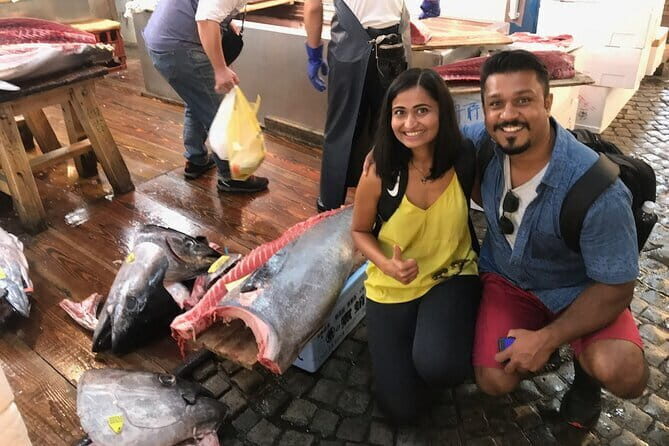
You start at Eni Kaita Mochi Tsukiji Store (Japan, 104-0045 Tokyo, Chuo City, Tsukiji, 4-chōme75 築地ビル 1F). The tour ends back at the same meeting point, so you don’t have to worry about finishing navigation on your own.
The timing is also pretty important. The listed operating window includes morning hours, Monday through Saturday from 8:00 AM to 12:00 PM during the date ranges shown (for example, 04/26/2026–05/18/2026 and 08/31/2026–09/30/2026). That morning scheduling helps because Tsukiji is at its most engaging earlier in the day.
You’ll also have a mobile ticket, which keeps things simple. If you like the feeling of starting the day with clarity rather than logistics anxiety, you’ll appreciate that.
And if you’re traveling with family, it’s worth knowing the experience notes a nursing room. That doesn’t mean every stop is perfect for every situation, but it does signal thoughtful planning for real-world needs.
Stop 1: Tsukiji Hongwanji Temple for calm photos and history
The first stop is Tsukiji Hongwanji Temple, a place that gives you a breather from the market energy. This isn’t a long detour either—plan on about 20 minutes here, and admission is free.
What makes this stop useful is what it does for your mindset. Before you hit the market, you start with a setting that feels more intentional and quieter. You can take photos, and you’ll also have time for gifts, learning history, and a simple change of pace. There’s even an option to chill at a café in the temple if you want a moment to reset.
Why I think this is a smart start: it gives you cultural context early. When you later see food culture in the surrounding area, it lands more clearly. You’re not just watching activity. You’re seeing how the market sits alongside religious and community life.
The only real consideration is how you like to travel. If you came only for fish and nothing else, a temple stop might feel like warm-up time. For most people, though, it makes the market portion more enjoyable.
Stop 2: Tsukiji Jogai Market for etiquette and street snacks
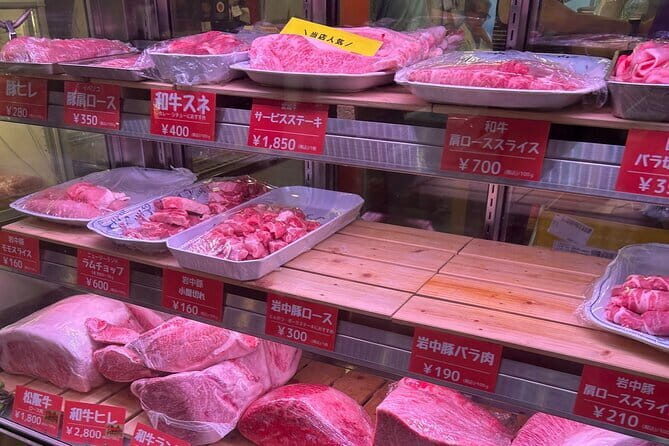
After the temple, you head into Tsukiji Jogai Market for about 2 hours. This is where the tour becomes practical: you’re guided through the market area with a focus on how visitors should behave and what they should look for.
This stop is all about Japanese etiquette and understanding the food and culture behind what you’re seeing. The goal is not just to point at stalls. Your guide helps you read the situation—how to move through the space, how to handle food-related interactions more appropriately, and what common tourist traps look like when you don’t know the local rhythms.
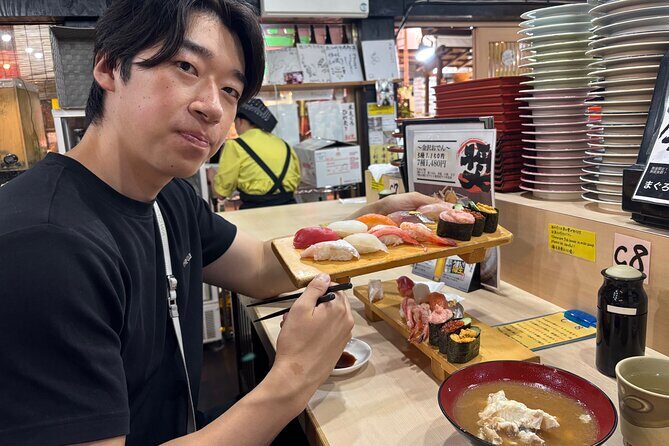
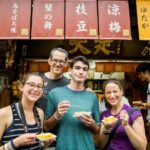
You also get to snack. Snacks include Japanese street food and sweets that you likely wouldn’t find on your own. That matters because Tsukiji can make you feel like you’re always either rushing or unsure. With planned snack breaks, you get a steady sense of progress, and your stomach isn’t fighting your curiosity.
One detail to keep in mind: the information notes admission ticket not included for this stop. That doesn’t mean you’ll pay a large amount during the tour, but it does mean you should not assume everything is free for the market portion.
This stop also pairs well with different travel styles. If you love food, you get a taste-focused walk. If you love culture, you get behavior and context. If you don’t love crowds, the private guide structure helps you keep moving without losing your bearings.
Stop 3: Namiyoke Inari Shrine and how to visit properly
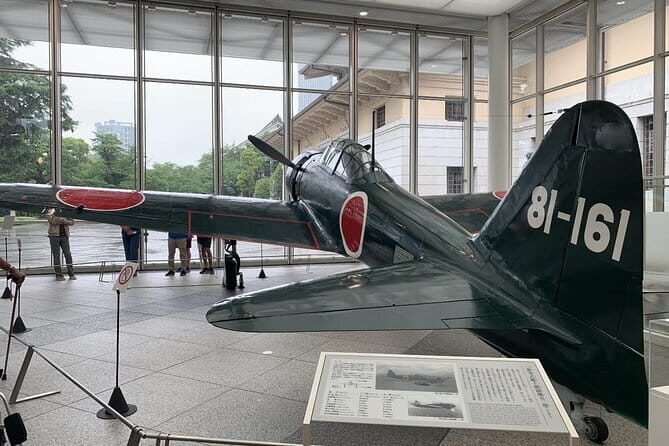
To wrap up, you visit Namiyoke Inari Shrine, with a short 10-minute stop. Admission is listed as free.
This is an important contrast to the market. Instead of buying and eating, you’re learning how to visit a shrine the right way. The tour includes lessons on how to visit the shrine plus a bit of the history behind it. You also get a photo moment, including time for taking a picture with the big lion.
Even in a quick stop, this kind of shrine orientation is valuable. It’s easy to walk past religious spaces in Japan without fully understanding the etiquette. A guided moment helps you avoid awkwardness and gives you a sense of what you’re actually doing.
Because it’s only 10 minutes, you won’t feel dragged into a long ceremony. It’s more like a cultural punctuation mark at the end—clean, respectful, and quick.
You can also read our reviews of more shopping tours in Tokyo


What you’ll actually eat, and how to pace your morning
This tour includes snacks, and that’s one of the strongest practical advantages. When you’re walking through a food-heavy area, hunger can turn into a distraction. Snacks keep energy up so you can actually pay attention to the market sights and the guide’s explanations.
The snack list is described broadly as Japanese street food and sweets. That’s good news if you like variety rather than one single meal. It also means the tour works even if you’re not sure what you want to eat yet—you get to try a few things as you go.
Just note the clear boundary: lunch isn’t included. If you’re the type who likes a full sit-down meal right after your morning activity, plan accordingly. You may finish with a decent snack-fueled buffer, but your next meal will still be on you.
If you have dietary restrictions, the only truly safe move is to check with the provider before you go, because the tour data here doesn’t spell out allergy-friendly substitutions. Better to confirm early than to guess day-of.
Price and logistics: does $84.54 feel fair?
At $84.54 per person for a private experience running about 2 to 3 hours, the value comes from what you’re buying besides movement. You’re paying for:
- a guide who can handle the language barrier and local customs in real time
- insider tips that help you avoid tourist missteps
- snacks included to keep the experience smooth
- a private setup where your group gets undivided attention
If you tried to do Tsukiji on your own, the costs can sneak up in time. Time is money in Tokyo. You might spend extra effort finding the right routes, figuring out etiquette, and doubling back. A private guide helps you use your limited morning window more effectively.
Also, Tsukiji is famous for being confusing, not just famous. A guide does more than translate words. They help you interpret what you’re seeing so you feel confident walking away.
Is it inexpensive? No. But it is focused. For food-focused first-timers, or for anyone who wants a shortcut that avoids friction, it often feels like the smart way to do Tsukiji without turning your morning into a scavenger hunt.
The guide factor: Mr. Guru-San and a culture-first vibe
The experience is run by GuruGuruTour Tokyo, and the guide is described in detail in the feedback you’ll see for this tour. A name that comes up often is Mr. Guru-San, described as kind, attentive, and passionate about food and culture.
That style matters more than people think. Tsukiji can turn into a camera-and-sprint visit. A guide who explains the history, food logic, and etiquette turns your visit into something more useful. You’re not just collecting images. You’re learning what those images mean.
One theme you can expect from this tour approach is that it is not only about fish. The structure includes temple and shrine time, plus culture explanations, so the market feels connected to everyday Japanese life rather than a one-off attraction.
Who should book this Tsukiji private tour
This tour is a great fit if you:
- want a smoother Tsukiji visit because you’re concerned about language or customs
- like food, but also want context (why things are done a certain way)
- prefer a private group experience where questions are easy
- want a short morning activity that includes more than one type of stop
- appreciate included snacks to keep the pace comfortable
It may be less ideal if you’re a hardcore fish-market-only person who hates any detour. The temple and shrine stops are part of the experience design, and they do take time.
Most people can participate, and the tour is private for your group only, which makes it easier to tailor your pace to what you care about.
Should you book Private Tokyo’s Famed Tsukiji Fish Market Tour?
Book it if you want Tsukiji to feel understandable and well-paced, not stressful. The best reason is the combination of private attention, etiquette guidance, and snacks included inside a compact 2 to 3 hour plan. You’ll walk away feeling like you saw Tsukiji in a way that makes sense, not just a place you passed through.
Skip it (or consider another option) if you only care about one narrow thing: fish purchasing or a full meal experience. This tour is about guided highlights plus culture and snack stops. Lunch is not part of it, and the overall plan is intentionally short.
If your goal is a morning in Tsukiji that feels clean, guided, and culturally grounded, this is one of the more practical ways to do it.
FAQ
How long is the Tsukiji Fish Market tour?
It runs about 2 to 3 hours.
What does it cost per person?
The price is listed as $84.54 per person.
Where do I meet the guide?
You start at Eni Kaita Mochi Tsukiji Store, Japan, 104-0045 Tokyo, Chuo City, Tsukiji, 4-chōme75 築地ビル 1F.
Is lunch included?
No. Lunch is not included.
Are snacks included?
Yes. Snacks are included during the tour.
Which stops are part of the itinerary?
The tour includes Tsukiji Hongwanji Temple, Tsukiji Jogai Market, and Namiyoke Inari Shrine.
Do I need to pay admission fees for the stops?
Tsukiji Hongwanji Temple and Namiyoke Inari Shrine are listed as free admission. Tsukiji Jogai Market notes that admission ticket is not included.
Is this a private tour?
Yes. It is private, and only your group participates.
When does the tour run?
The schedule shown is Monday to Saturday, 8:00 AM to 12:00 PM during the listed date ranges: 04/26/2026–05/18/2026 and 08/31/2026–09/30/2026.