REVIEW · NAGOYA
From Nagoya: Eihoji, Enakyo, Magomejuku & Tsumagojuku Day Tour
Book on Viator →Operated by VIP Japan Tours · Bookable on Viator
Post towns plus temple gardens in one day. This Nagoya-area tour strings together Magome-juku and Eihoji Temple with Enakyo gorge viewpoints, all by air-conditioned coach.
I especially like two things about how this trip is built. First, entrance fees and taxes are included, so you’re not scrambling for tickets during the day. Second, the time at each stop feels balanced: about 2 hours in Magome, a shorter taste in Tsumago, then enough time for temple grounds and the viewpoints.
The one possible drawback is language. The tour provides an English- or Chinese-speaking guide, and in low-participant situations the bus may run English and Chinese commentary. If you need one language only, plan for a bit of uncertainty.
In This Review
- Key highlights you’ll actually feel
- A 9-10 hour coach day to the Nakasendo corridor
- Magome-juku: cobblestone streets and the Waki-honjin story
- Tsumago-juku: the shorter stop that still hits the Edo tone
- Kokeizan Eihoji Temple: quiet grounds and garden views
- Enakyo Observatory and the Oi Dam lake: views plus walking trails
- Price and value: what you’re really paying for
- Guide quality, English/Chinese commentary, and what to watch for
- Pacing tips that make the day feel easier
- Should you book this Nagoya day trip?
- FAQ
- What is the duration of the Eihoji, Enakyo, Magomejuku & Tsumagojuku day tour?
- How much does the tour cost?
- Is lunch included in the price?
- Are entrance fees included?
- Where do I meet the tour, and when does it start?
- What language is provided during the tour?
- What are the luggage rules?
Key highlights you’ll actually feel
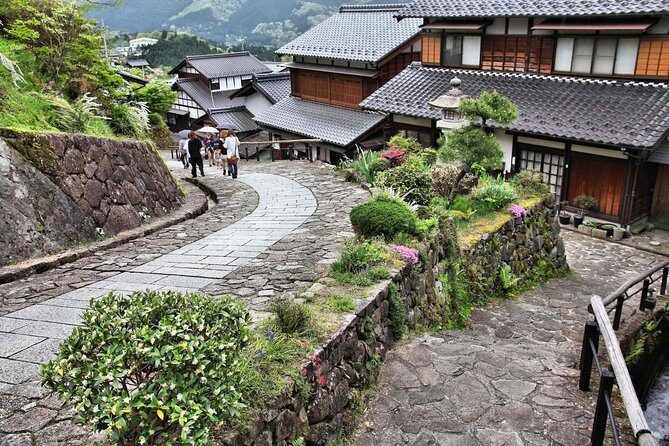
- Nakasendo post-town walk through Magome-juku’s cobblestone lanes and preserved Edo-era streets
- Eihoji Temple garden time with a calm start, plus a slower pace than the post towns
- Enakyo Observatory viewpoints over the Ena Gorge area, with big-sky photo time
- Oi Dam lake strolls and boat sightseeing for a change from temples and old streets
- Waki-honjin museum stop showing how officials and feudal figures were hosted in Edo-period Japan
A 9-10 hour coach day to the Nakasendo corridor
This is a classic “outskirts of Nagoya” day trip: you start early at 8:30 am from the VIPLINER Nagoya bus stop, ride out into the Kiso Valley region, and come back to the same meeting point. Expect around 9 to 10 hours total, depending on road conditions.
What you’re really buying here is transportation plus structure. The post towns and temple area are not something you’d just pop over to in a half-hour gap between other plans. With an air-conditioned coach, you’re freed up to focus on walking, photos, and learning.
The pace also matters. Magome-juku gets the longest stretch, and that makes sense: it’s the best place to wander without feeling rushed. Tsumago follows more quickly, which works if you like the Edo vibe but don’t want your whole day consumed by walking.
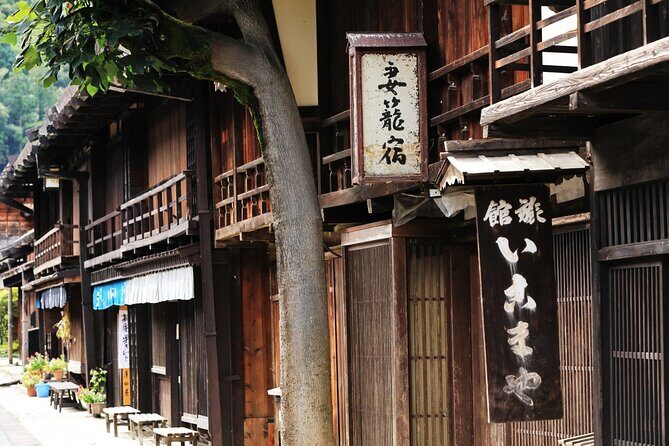
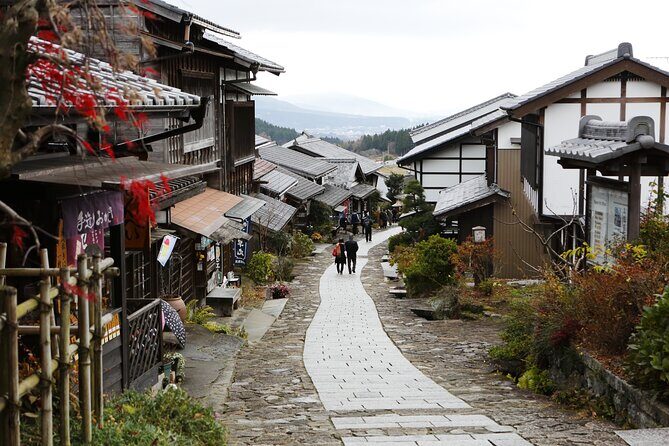
And yes, it’s postcard-beautiful. Cobblestones, wooden storefronts, and that “time-stopped” feeling you get on the Nakasendo. If you like your sightseeing with some atmosphere—not just another viewpoint—this day fits.
You can also read our reviews of more tours and experiences in Nagoya.
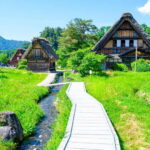


Magome-juku: cobblestone streets and the Waki-honjin story
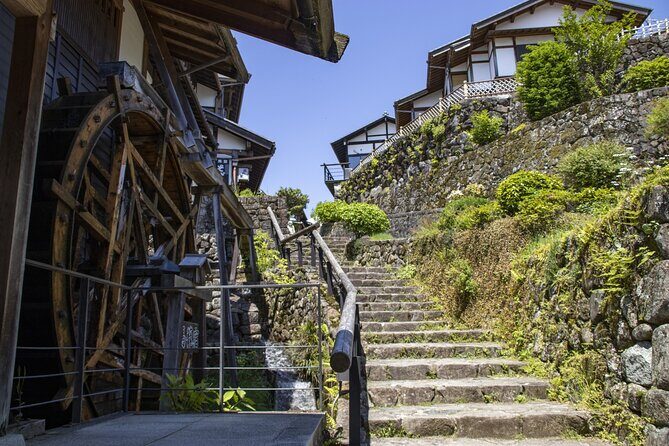
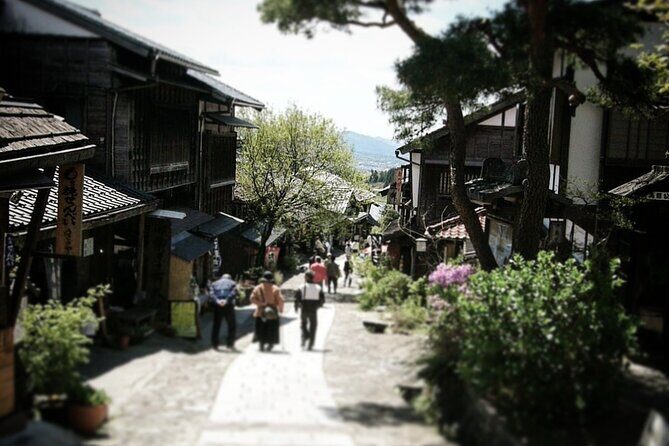
Magome-juku is where the day’s old-highway mood really kicks in. You’ll have about 2 hours here, and admission is free. This is a former post town in the Kiso Valley that served travelers on the Nakasendo, the major route that linked Tokyo and Kyoto in feudal times.
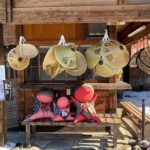
Start by walking slowly. The charm is in small details: narrow lanes, wooden buildings, and the sense that the town layout is built for strolling. If you’re the type who likes to compare street scenes across Japan (Tokyo-by-way-of-history vs Kyoto traditions, etc.), Magome gives you plenty to look at in a short time.
Then add the cultural layer: the Magome Waki-honjin History Museum. This place reconstructs part of the former Waki-honjin—an official lodging for feudal lords and shogunate officials in the Edo period. You’re not just looking at buildings; you’re seeing household furnishings and goods from that era, which makes the town feel more real.
Two practical notes. First, you’ll likely see people lining up for snacks and photos right after arriving—so give it 10 minutes, let the crowd flow, then settle into your walk. Second, there’s a pond in Magome-juku with a view of Mt. Ena. It’s one of those stops that’s easy to miss if you’re only chasing the busiest streets, so I’d put it on your mental checklist.
If you’re hungry, the Magomekan souvenir shop is a convenient way to eat without leaving the flow. They offer light meals such as gohei-mochi, skewered rice cakes coated with sweet miso and walnut sauce. It’s a good mid-walk option when lunch is not included.
Tsumago-juku: the shorter stop that still hits the Edo tone
After Magome, you’ll head to Tsumagoi-mura (Tsumago-juku). The stop runs about 1 hour 10 minutes, and admission is listed as free. Tsumago is also a post town on the Nakasendo, one of the two old routes that connected Kyoto with Edo.
This is a “dose,” not a full meal. One hour-plus is about right if your goal is to capture the Edo-period streetscape—especially the well-preserved look of the town—and then move on to the next scenic segment.
How to get the most out of Tsumago in less time:
- Focus on the main lanes first, where the preservation is most obvious.
- Pause for photos in the spots where street geometry frames the buildings.
- Don’t wait too long for a perfect moment—this is the kind of place where the light changes fast as you keep walking.
The advantage of Tsumago being shorter is energy management. You’ll have temples and viewpoints later, and a long second post-town stop can make the second half of the day feel like you’re walking on empty. This timing keeps the day feeling varied.
Kokeizan Eihoji Temple: quiet grounds and garden views
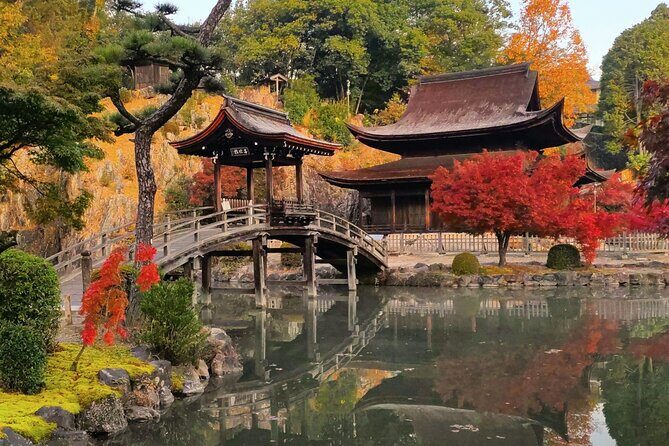
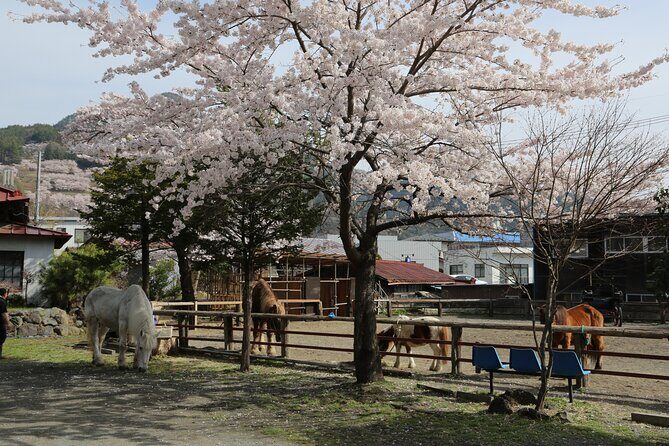
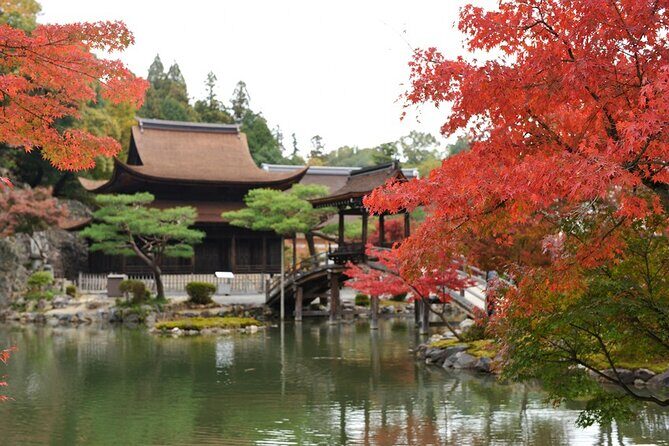
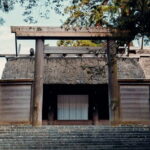
Kokeizan Eihoji is a Rinzai Zen Buddhist temple in the Tajimi area of Gifu Prefecture, and it’s part of the day with about 1 hour allotted. Admission is included.
This stop is valuable because it breaks the rhythm of streets and views. After post towns, the temple grounds slow your pace—less hurry, more listening to your surroundings. Even if you don’t read Japanese, you’ll still feel the order of the space: gardens, paths, and the simple satisfaction of wandering somewhere that’s meant for stillness.
The Eihoji Temple Garden is also a key highlight. It’s described as serene and solemn, and there are some steep slopes where you’ll want solid footing. If you have any knee sensitivity or you’re in tough shoes, take it carefully and look for the easier routes.
This is one of those places where I recommend going with the intention to look, not to “check off.” A temple garden works best when you take breaks—stand, watch the angle of the scenery, then walk again when you’re ready.
Also, it’s a good moment for photos, but don’t let your camera steal your calm. When you pause, you tend to notice details like stonework, garden arrangement, and how the pathways guide your eyes.
Enakyo Observatory and the Oi Dam lake: views plus walking trails
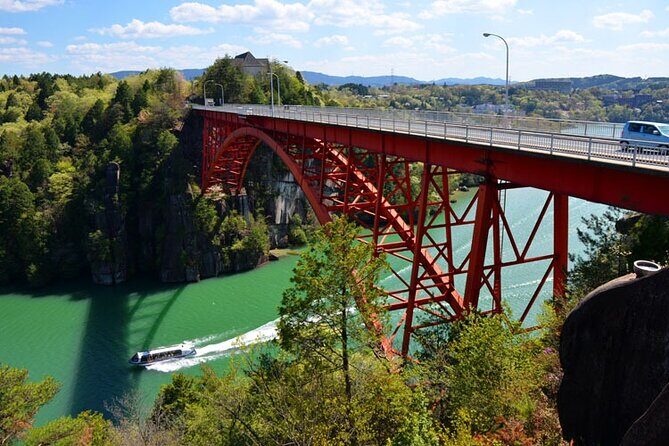
The day doesn’t end with old towns and temples. You also get panoramas of the Ena Gorge area through Enakyo Observatory. This is framed as a spot for wide views over the winding river and the surrounding mountains.
This kind of stop is more than a photo break. It helps you reset your brain. Post towns compress history into streets and buildings. Viewpoints stretch the story out into geography—how towns connect through valleys, why routes mattered, and why the environment shaped daily life.
In the same general segment, you’ll also encounter an artificial lake created by the Oi Dam. Sightseeing boats operate on the lake, and you’ll see uniquely shaped rocks along both shores. There’s also a park and walking trails where you can change your angles—different positions give different views of the water and rock formations.
A few tips to make this part more enjoyable:
- If boats are operating, you might enjoy the option for water-based sightseeing, but don’t assume timing will line up perfectly. Treat it as an add-on if you have the chance.
- Plan for walking on mixed surfaces around the lake area. Comfortable shoes are worth it.
- Bring a layer. Water areas can feel cooler even on a mild day.
Even when the weather is less than perfect, lake-and-view stops still work because you’re getting motion and distance. The day stays visually interesting.



Price and value: what you’re really paying for
At $63.04 per person, this is a straightforward value proposition for a day trip that would be hard to piece together smoothly on your own. The big reasons:
- You get an English- or Chinese-speaking guide.
- You get an air-conditioned coach for the long Nagoya-to-Kiso Valley run.
- All entrance fees and taxes are included (at least for the listed admissions, and the itinerary is built around that).
Lunch is the main missing piece. It’s not included, and personal expenses are on you. Practically, that means you should either plan a lunch stop around Magome-juku (for example, a light meal like gohei-mochi at Magomekan) or be ready to purchase lunch when the schedule allows.
Is it expensive for Japan? Not really, especially compared with the cost of getting between multiple remote sites plus the value of a guide translating context. But it’s also not a bargain if you’re only interested in one or two of the places. For best value, you should like the idea of post towns + a temple + big views in one day.
Guide quality, English/Chinese commentary, and what to watch for
The overall tone around guide service is strongly positive. Names that show up in guide feedback include Liu and Janet, described as kind, informative, and friendly. You may also see references to guides such as 小刘 and 神原先生, also praised for extra care.
That said, language is where you need to be practical. The tour states it includes an English- or Chinese-speaking guide, and it also notes that English and Chinese commentary might be given on the same bus if participant numbers are low.
If you’re comfortable with either English or Chinese commentary, you’re probably fine. If you need only English to understand the stories of the post towns and temples, consider sending a message before booking to confirm what language you’ll hear on your exact departure.
Also, group size can affect the feel. The tour has a maximum of 99 travelers. In a big group, you’ll want to stay near the guide during transitions, especially when everyone tries to photograph the same bend in the road.
Finally, use the guide’s knowledge for small wins. On a day like this, learning why the Nakasendo route shaped these towns turns your walk from scenery into understanding.
Pacing tips that make the day feel easier
This tour runs close to 10 hours, so small choices add up. Here’s how I’d set yourself up to have an easier day:
1) Wear shoes you can trust
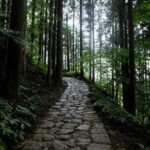
Cobblestones in post towns and steep slopes in the temple garden can feel tougher than they look. Also plan for walking on lake trails.
2) Have a meal plan
Lunch isn’t included. If you want something easy, Magomekan offers light meals like gohei-mochi. Otherwise, be ready to buy food during the stop windows.
3) Keep your valuables on you
You’re allowed one piece of luggage per person during the excursion, and items stored in the trunk won’t be accessible between stops. Keep anything valuable with you—phone, wallet, and any meds.
4) Arrive early enough to avoid stress
The bus won’t wait for late arrivals. Build in extra buffer so you can find your participant list and confirm your name.
5) Pack for changeable weather
The schedule includes viewpoints and a lake. Even when Nagoya is warm, the gorge and water areas can feel cooler.
Should you book this Nagoya day trip?
Book it if you want one day that covers multiple sides of central Japan: Edo-period post towns (Magome and Tsumago), a temple garden moment at Eihoji, and Enakyo + the Oi Dam lake for wide scenery. It’s a good fit for first-timers who don’t want to spend half their time planning trains and transfers.
Skip it or ask extra questions before booking if language clarity is your top priority. The tour can run English or Chinese commentary, and in low-participant situations you may hear both. Also, if you dislike long coach rides, this might feel like too much time in transit for your style.
If you do book, make your strategy simple: slow down in Magome-juku, take your time at Eihoji’s garden, and treat the lake-and-observatory segment as your reset. That balance is the real reason the day works.
FAQ
What is the duration of the Eihoji, Enakyo, Magomejuku & Tsumagojuku day tour?
It runs about 9 to 10 hours total.
How much does the tour cost?
The price is $63.04 per person.
Is lunch included in the price?
No. Lunch is not included, and personal expenses are also not included.
Are entrance fees included?
Yes. Entrance fees and taxes are included in the tour price.
Where do I meet the tour, and when does it start?
You meet at the VIPLINER Nagoya bus stop at 8:30 am, and the tour ends back at the same meeting point.
What language is provided during the tour?
The tour includes an English- or Chinese-speaking guide. In low-participant situations, English and Chinese commentary might be given on the same bus.
What are the luggage rules?
You can bring one piece of luggage per person. Items are stored in the trunk, and any items stored there will not be accessible between stops. The maximum trunk size listed is 155cm combined height, width, and depth.