REVIEW · FUJIYOSHIDA
Yabusame Adventure with Mt. Fuji Views
Book on Viator →Operated by BARIKIYA · Bookable on Viator
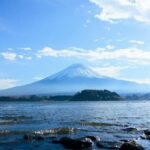
Mt. Fuji makes the archery feel cinematic. You get a beginner-friendly Yabusame lesson close to the iconic mountain, with traditional Shinto grounds as your practice space. It’s the kind of activity where learning to shoot while riding also comes with context for why this horse-and-archery tradition matters in Japan.
I especially like two things: first, you start with guidance and safety coaching so you’re not thrown into chaos on day one; second, the experience pairs horse time with a real cultural setting at Omurosengenjinja (Jinmesha), not just a photo stop. A useful consideration: there’s a rider weight guideline for the native Kiso horses (up to 90 kg for safety), so you’ll want to check that before booking.
In This Review
- Key Highlights You’ll Actually Feel
- Mt. Fuji Makes Yabusame Feel Like More Than a Skill Lesson
- Getting on a Native Kiso Horse: Safety Comes First
- Traditional Yabusame Clothes and a Shrine Start You Can Feel
- Omurosengenjinja (Jinmesha): Where the Practice Becomes a Challenge
- What Makes This Tour Worth $130.31 Per Person
- Where Logistics Matter: Mobile Ticket, Public Transit, and How You’ll Finish
- Who Should Book (And Who Might Choose the Carriage Instead)
- Should You Book This Yabusame With Mt. Fuji Views?
- FAQ
- How long is the Yabusame Adventure with Mt. Fuji Views?
- Is this tour beginner-friendly?
- What’s included in the price?
- What is not included?
- Is it a private tour?
- What are the weight requirements for riding?
- What happens if the weather is bad?
- Where does the tour start?
Key Highlights You’ll Actually Feel
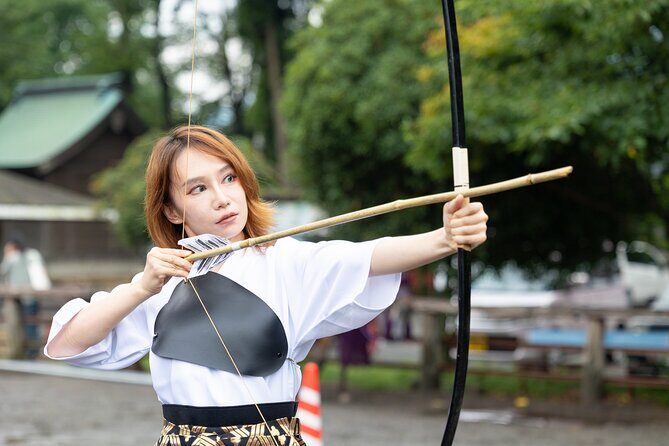
- Beginner-friendly instruction so first-timers can join the horseback archery challenge
- Traditional clothes and equipment rental included, so you look the part without shopping first
- Omurosengenjinja (Jinmesha) setting gives your practice meaning, not just spectacle
- Kiso horses are smaller than Western breeds, with clear safety limits for riders
- Private group experience with only your group participating
- Animal welfare mission: retired horses get a second career in tourism
Mt. Fuji Makes Yabusame Feel Like More Than a Skill Lesson
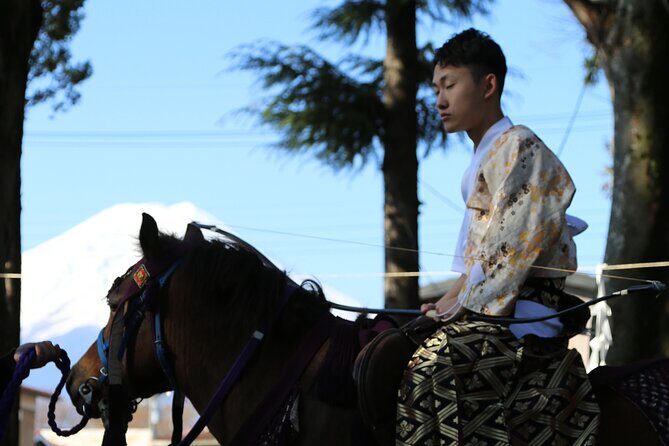
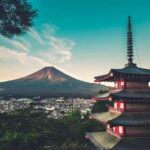
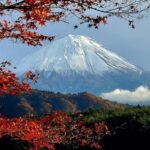
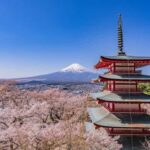
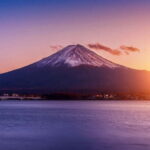
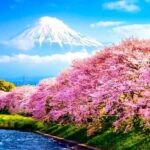
Yabusame is already a rare mix of focus, motion, and tradition. Add Mt. Fuji in the background and the whole thing changes tone. You’re not just learning a technique; you’re stepping into an atmosphere where horses, archery, and Shinto culture overlap.
The Fujiyoshida area is a strong choice for this kind of activity. You get that classic “foot of the mountain” feeling without needing a huge travel day. And the tour is designed around a short, clear flow—about 2 hours—so you can still fit in other Mt. Fuji plans after.
One smart detail here is how the experience is framed for beginners. Horseback riding and archery each have their own learning curve. Doing both at once can sound intimidating, but the structure is meant to keep you comfortable and moving forward step by step.
You can also read our reviews of more tours and experiences in Fujiyoshida.

Getting on a Native Kiso Horse: Safety Comes First
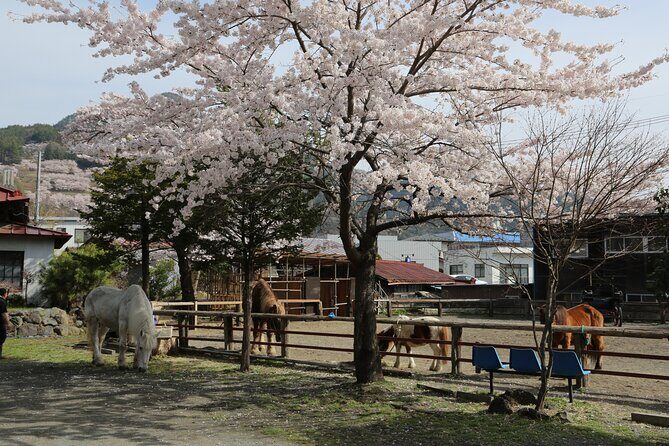
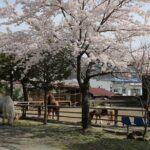
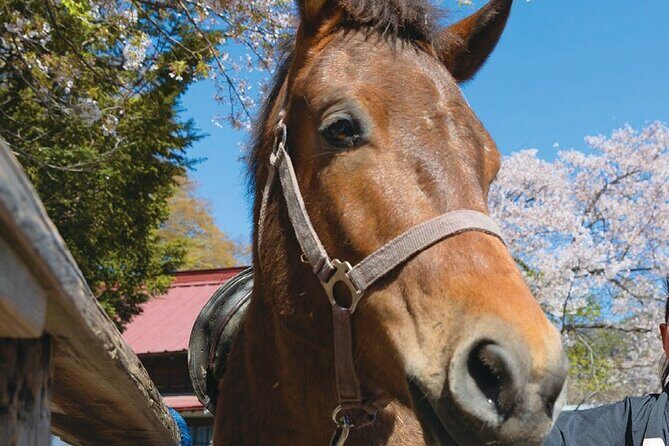
This isn’t a grab-your-horse-and-figure-it-out situation. You’ll meet the horses first and then get taught the fundamentals of riding and arrow shooting by instructors. They’re there to help you understand the basics in a way that works for people who don’t have experience.
A key practical point: you’ll be riding native Japanese Kiso horses, which are smaller than many Western breeds. That matters for balance and comfort. That’s why the tour clearly mentions weight guidance (a recommended rider range of 85–90 kg), and a 90 kg safety limit. If you’re above that, the tour notes that other guests can choose horse-drawn carriage rides in Fujiyoshida or horse interaction instead.
Even if you’re an active traveler, I’d treat this as a “listen, breathe, and focus” activity. Your best results will come from being calm and following directions rather than trying to force your arm or legs to match what you think should happen.
Also, you should expect good weather to matter. This experience requires suitable conditions, and if it’s canceled for poor weather you’ll be offered a different date or a full refund.
Traditional Yabusame Clothes and a Shrine Start You Can Feel
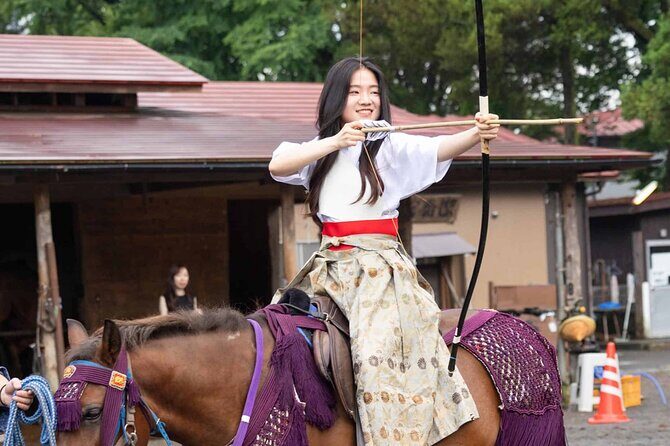
Before any arrows fly, you start with the cultural setup. You’ll get dressed in traditional Yabusame clothing and equipment rental. It’s not just a costume moment. It helps you understand that this is a living tradition, not a stunt.
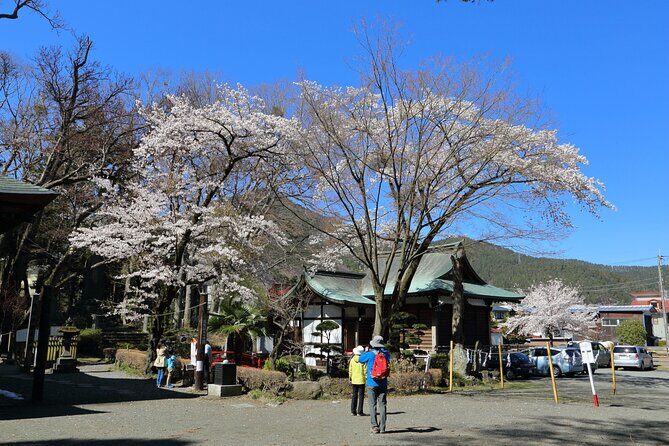
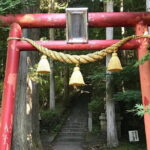
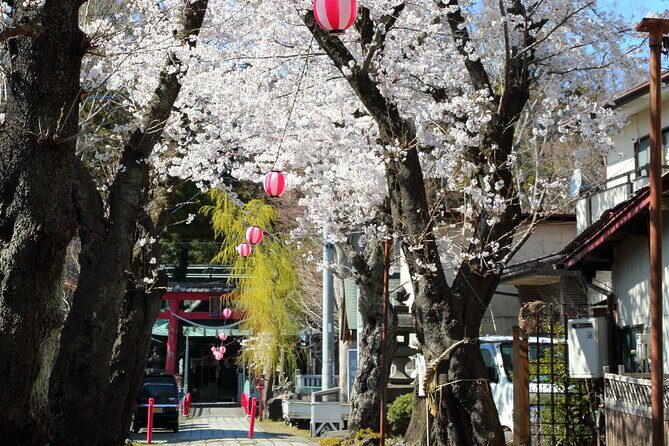
Then you head to the nearby shrine area. The experience includes a shrine visit as part of the lead-in, which is where the day’s tone firms up. You’re practicing on grounds tied to Shinto tradition, and that changes how the whole event feels. It’s quieter, more respectful, and more grounded than a typical “activity attraction.”
The specific location you’ll start from is FujisanSimomiya OmuroSengen Jinja (3-chōme-32-18 Shimoyoshida, Fujiyoshida, Yamanashi 403-0004). From there, you’ll be guided through the on-site flow around the shrine area, including Omurosengenjinja – Jinmesha.
If you like travel days that mix your senses—seeing Mt. Fuji, feeling the rhythm of a shrine setting, then getting hands-on with a heritage craft—this part delivers.
Omurosengenjinja (Jinmesha): Where the Practice Becomes a Challenge
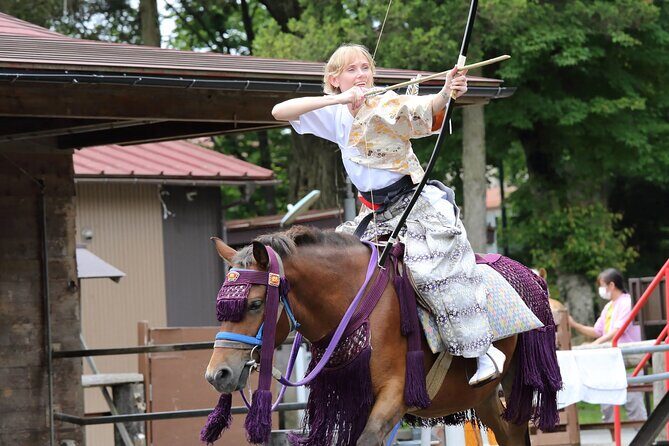
The heart of your experience is the horseback archery challenge held on the sacred grounds of the shrine area. That’s where the “yabusame” idea stops being a description and starts becoming a lived action.
Here’s what to expect in the sequence, in plain terms:
- You’re taught the basics of horseback riding and arrow shooting.
- You practice until you feel ready.
- Then you participate in the challenge: shooting arrows while riding in the shrine setting.
Because this is a beginner-friendly version, you’re not expected to walk in already knowing how to aim or control pace. The goal is safe, enjoyable participation and a sense of progress.
You’ll also be dealing with a tricky coordination problem: your body has to manage horse movement while your arms control aiming. That’s why the practice time matters. When you’re guided well, the challenge starts feeling like a new skill you can actually build rather than a one-off test.
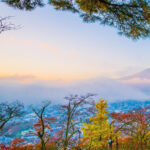
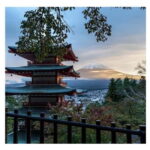
And yes, the Mt. Fuji view is part of the package. Even without turning it into a “photo tour,” the background adds a strong sense of place as you learn.
What Makes This Tour Worth $130.31 Per Person
At $130.31 per person for about 2 hours, you’re paying for more than horse time. You’re paying for:
- Private instruction in horseback riding and archery basics
- Traditional attire and equipment rental
- A guided cultural setting tied to Omurosengenjinja (Jinmesha)
- A specific safety-driven experience on native Kiso horses
A lot of Mt. Fuji-area activities are either purely scenic or purely hands-on. This one mixes both. You’re not just buying a ride; you’re buying a structured lesson with a heritage framework. That’s usually where the “value” comes from—when the time feels purposeful.
The private format is also a plus. Since it’s only your group, you don’t have to worry about sharing the instructor’s attention in a mixed-skill crowd. You’ll likely spend more time understanding what you should do next.
One more value angle that’s easy to miss: the operator’s animal welfare mission. They use retired horses and give them a second career in tourism. In Japan, horse retirement can mean limited options, so using retired horses in an environment where they can thrive is part of the reason this experience has a warmer, more thoughtful feel than typical “activity-only” tours.
Where Logistics Matter: Mobile Ticket, Public Transit, and How You’ll Finish
This tour uses a mobile ticket and runs as a private tour/activity (only your group participates). The meeting point is near public transportation, and service animals are allowed.
One practical note that affects your day planning: transportation to your hotel isn’t included after the activity ends. The tour finishes back at the meeting point area, so you’ll want to plan how you’ll get to dinner or back to your base.
Also, the duration is described as about 2 hours for two participants, and it may shift slightly depending on group size. If you’re building a tight schedule, I’d leave a buffer around it.
Who Should Book (And Who Might Choose the Carriage Instead)
This is a great fit if you:
- Want a beginner-friendly introduction to Yabusame-style horseback archery
- Like cultural experiences that include a Shinto shrine setting
- Prefer a short, guided activity that doesn’t swallow your entire day
- Are curious about horses and appreciate an operator with a clear second-career approach for retired animals
You might reconsider if:
- You’re over the 90 kg safety limit for riders (the tour is explicit about this)
- You want a purely scenic Mt. Fuji activity with no riding or aiming involved
If riding isn’t right for you, the tour notes alternatives: you can enjoy a horse-drawn carriage ride through Fujiyoshida city or a horse interaction experience instead. That’s a big deal for traveling as a pair or small group with mixed comfort levels.
Should You Book This Yabusame With Mt. Fuji Views?
I’d book it if you want something rare, hands-on, and genuinely connected to place. The combination of traditional dress, a beginner-friendly lesson, and the Omurosengenjinja (Jinmesha) grounds is exactly how you get beyond the usual tourist snapshot.
Also, the tone of the instruction seems to hit the right notes. The experience is repeatedly described as fun, unique, and guided with real kindness and know-how, which matters when you’re doing something physically unfamiliar. If you show up ready to learn, you’ll likely leave feeling like you gained a real skill—not just a quick thrill.
If the weight limit fits you and you can plan around weather, this is one of those Mt. Fuji-area activities that feels worth the money.
FAQ
How long is the Yabusame Adventure with Mt. Fuji Views?
The experience is about 2 hours for two participants, and it may vary slightly depending on group size.
Is this tour beginner-friendly?
Yes. It’s described as a beginner-friendly version of traditional horseback archery.
What’s included in the price?
Traditional clothes and equipment rental are included.
What is not included?
Transportation to your hotel after the activity is not included. The activity ends back at the meeting point.
Is it a private tour?
Yes. It’s private, and only your group will participate.
What are the weight requirements for riding?
The tour notes safety guidance for the rider’s weight, recommending a range of 85–90 kg, with a safety limit of 90 kg.
What happens if the weather is bad?
The experience requires good weather. If it’s canceled due to poor weather, you’ll be offered a different date or a full refund.
Where does the tour start?
The meeting point is FujisanSimomiya OmuroSengen Jinja (3-chōme-32-18 Shimoyoshida, Fujiyoshida, Yamanashi 403-0004, Japan). The activity ends back at the meeting point.