REVIEW · FUJIYOSHIDA
Mount Fuji Trip with English speaking guide ( customizable)
Book on GetYourGuide →Operated by Travel on smile · Bookable on GetYourGuide
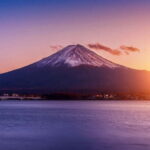
Fuji days run on luck and timing. This private 12-hour trip gives you a flexible schedule and a private chartered car, but you’ll need to plan around traffic and weather for the best mountain views.
You’ll get an English-speaking guide, air-conditioned comfort, and classic stops like Chureito Pagoda and the Fuji Five Lakes area. One real consideration: visibility isn’t guaranteed, and the day can run longer in peak seasons.
In This Review
- Key highlights at a glance
- A Fuji day built for your pace, not a fixed script
- Leaving Tokyo: what “12 hours” feels like in real life
- Oshino Hakkai: Fuji snowmelt ponds you can actually see
- Kitaguchi Hongu Fuji Sengen Shrine: the quiet side of Fuji
- Mt. Fuji 5th Station: the big moment, with one big condition
- Lake Kawaguchiko and Oishi Park: the Fuji mirror stops
- Chureito Pagoda: the classic Fuji frame
- Hakone add-ons: Ropeway and Lake Ashi when conditions are right
- Hakone Ropeway
- Lake Ashi
- Owakudani Valley and Hakone Shrine: steam, shopping, and calm
- Hakone Open-Air Museum: a free-time buffer that keeps the day human
- Price and value: $407 per group up to 6
- Guide quality and language: what to expect
- Practical tips so you don’t waste your Fuji window
- Should you book this Mount Fuji trip?
- FAQ
- Where does pickup happen?
- How much time do I have on each main stop?
- Is Hakone included, or is it optional?
- Are tickets included for Mt. Fuji 5th Station and cable car/boat rides?
- What should I bring for the day?
- What is the cancellation policy?
Key highlights at a glance
- Flexible plan: you decide what to see and how long you stay at each stop
- Private, chartered car from Tokyo: no train transfers, less stress, better timing
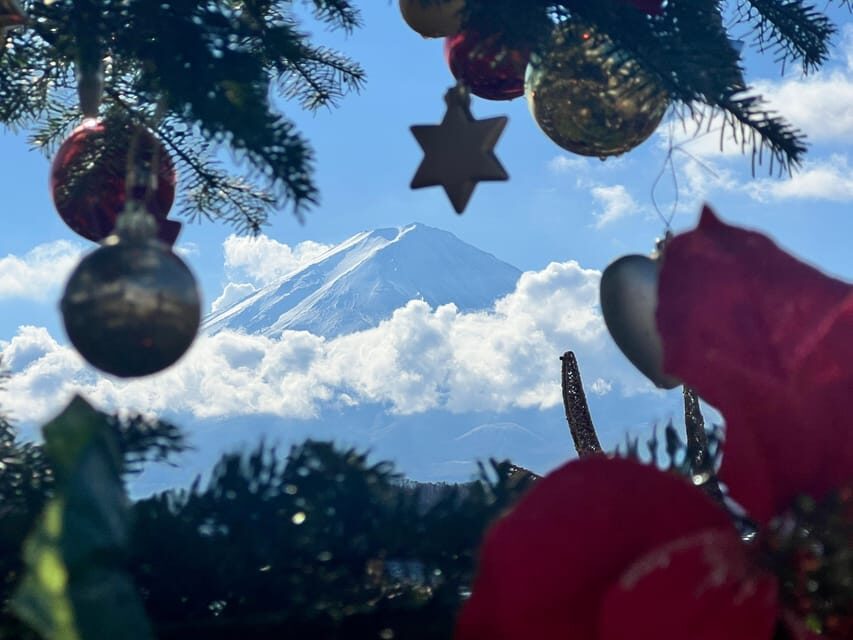
- Chureito Pagoda viewpoint: a postcard-style Fuji frame with seasonal flair
- Oshino Hakkai ponds: clear water fed by Mount Fuji snowmelt
- Hakone add-ons on clear days: Ropeway and Lake Ashi options if you want extra variety
- English-speaking guide: practical help plus cultural context on the places you visit
A Fuji day built for your pace, not a fixed script
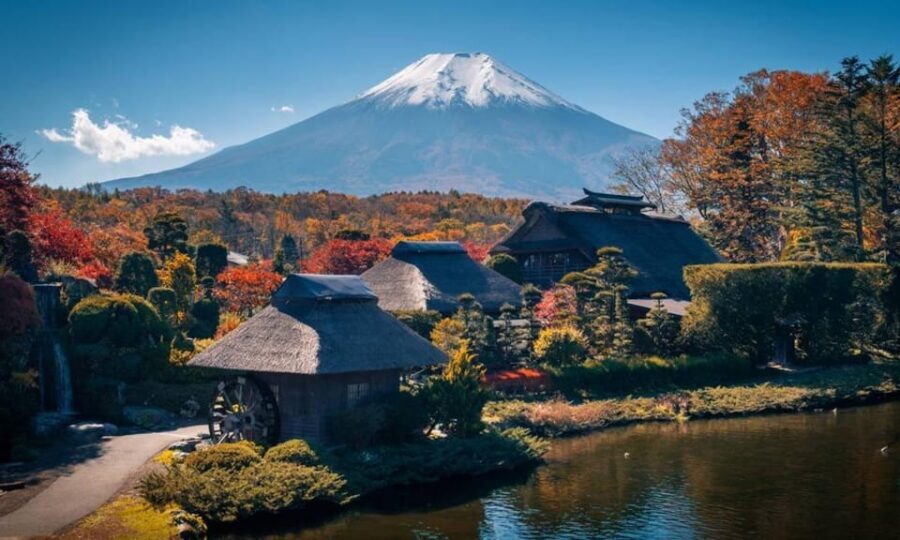
If you’re dreaming of Mount Fuji but hate the idea of being rushed from one stop to the next, this style of trip is made for you. The big win is the customizable timing. Instead of watching the itinerary carry you, you get to slow down for photos, linger near a viewpoint, or spend more time where the day feels calm.
The second reason this works so well is the private chartered car. You’re not juggling transfers or crowds with luggage and snacks. For a day like this, that matters. The roads out of Tokyo can be slow on busy weekends, around flowering season, and during events like Golden Week. A private vehicle keeps you in control even when conditions get messy.
And yes, you still need realism. Fuji views depend on the sky. On clear days, the mountain can look unreal. On gray days, you may get glimpses, clouds, and the “right place, wrong weather” feeling. That said, this route is designed with multiple chances to see Fuji, plus cultural stops that still feel worth it even when the mountain hides.
You can also read our reviews of more guided tours in Fujiyoshida
Leaving Tokyo: what “12 hours” feels like in real life
On paper, it’s a 12-hour day from Tokyo. In practice, expect a lot of “moving time,” especially at the start. You’ll depart Tokyo by van, and the ride toward Fuji/Hakone areas is a solid chunk of your morning.
Here’s what helps you mentally prepare:
- Traffic can be intense in peak times, and arrival back to Tokyo can be delayed by 2–3 hours depending on road conditions.
- Drivers could be late up to about 30 minutes at the start due to highway traffic.
- On weekends and flower season, start early if you can. It’s the simplest way to protect your best view time later.
This is also where your guide’s job turns practical. Your guide and driver know the timing rhythm—when to stop for photos, where to wait, and how to keep the day running when crowds thicken.
So if you’re the type who hates being behind schedule, build in some patience. Fuji days reward people who stay flexible.
Oshino Hakkai: Fuji snowmelt ponds you can actually see
Your first major stop after leaving Tokyo is Oshino Hakkai, a traditional area known for ponds fed by Mount Fuji’s snowmelt. The payoff here is simple and visual: the water is clear enough that you feel the source, not just see a pretty reflection.
What you’ll do at Oshino Hakkai is a mix of:
- a photo stop
- time to explore
- and a guided visit
This is one of those places where you’ll understand why locals and visitors keep returning. The ponds aren’t just a scenic pause. They connect the mountain to everyday life around it—water, tradition, and the quiet rhythm of a village setting.
Practical tip: comfortable shoes matter. You’ll be walking and moving around viewpoints and paths.
Kitaguchi Hongu Fuji Sengen Shrine: the quiet side of Fuji
Next up is Kitaguchi-hongu Fuji Sengen Shrine, a sacred spot tied to pilgrimage traditions around Mount Fuji. You’ll have time for a photo stop, plus a guided visit through the atmosphere of cedar trees and shrine grounds.
Why this stop is valuable—even if your goal is mostly photos—comes down to context. Fuji isn’t just scenery here. It’s spiritual. The shrine setting helps you understand why people view this mountain as something more than a background for selfies.
This part of the day is also a nice pacing break. You go from “drive and snap photos” into calmer, slower time. That matters because later you’ll want your energy for viewpoints and potentially Hakone.
Mt. Fuji 5th Station: the big moment, with one big condition
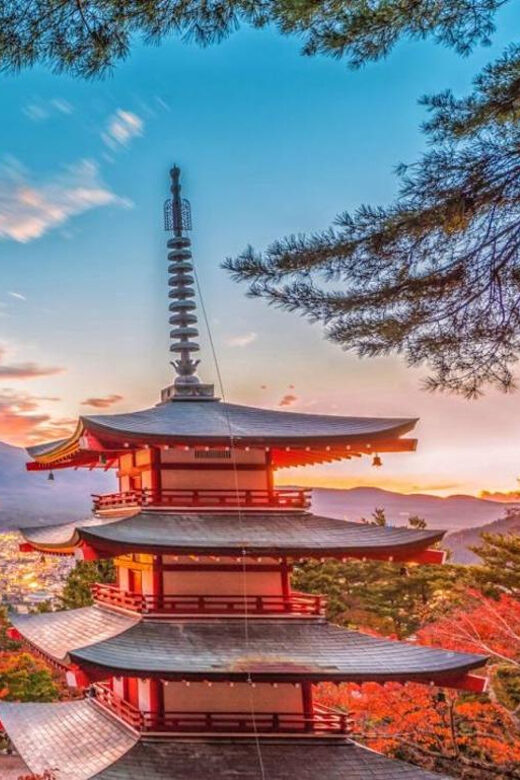
Reaching Mt. Fuji 5th Station is usually the “wow” highlight of the day. You get photo time, guided info, and time to visit.
But here’s the reality you should plan around: access depends on weather. If conditions are bad—rain or other unfavorable conditions—5th Station might be closed. Even when it’s open, clouds can steal the iconic view.
Still, even if you don’t get the perfect summit scene, being at that elevation feels different. You’ll get a strong sense of scale and the mountain’s presence in a way that flat viewpoints can’t always deliver.
Also note: the 5th Station entry ticket isn’t included, so budget for that separately. (Your guide can help point you to what you need, but don’t assume it’s bundled.)
Lake Kawaguchiko and Oishi Park: the Fuji mirror stops
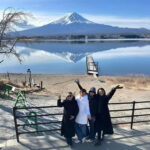
After the higher-altitude stop, the itinerary shifts back toward calm water views. You’ll reach Lake Kawaguchiko, one of the Fuji Five Lakes. This is where the day can feel like a breath of fresh air.
You’ll have:
- break time
- a photo stop
- and lunch time (about an hour)
Lake Kawaguchiko is known for the idea of Fuji’s reflection—when the air is clear, the mountain can look like it’s doubled in the water. Even if reflection is imperfect, the lake setting is a strong backdrop for photos and for simply watching the light change.
Then you move to Oishi Park, another viewpoint zone with guided time. This stop usually works well if you like scenic walks and framing shots from a specific viewpoint area.
The balanced way to enjoy this part of the day is to treat it like a mini-reset:
- eat without rushing
- take a slow walk
- then save your most focused photo time for when the sky looks promising
Chureito Pagoda: the classic Fuji frame
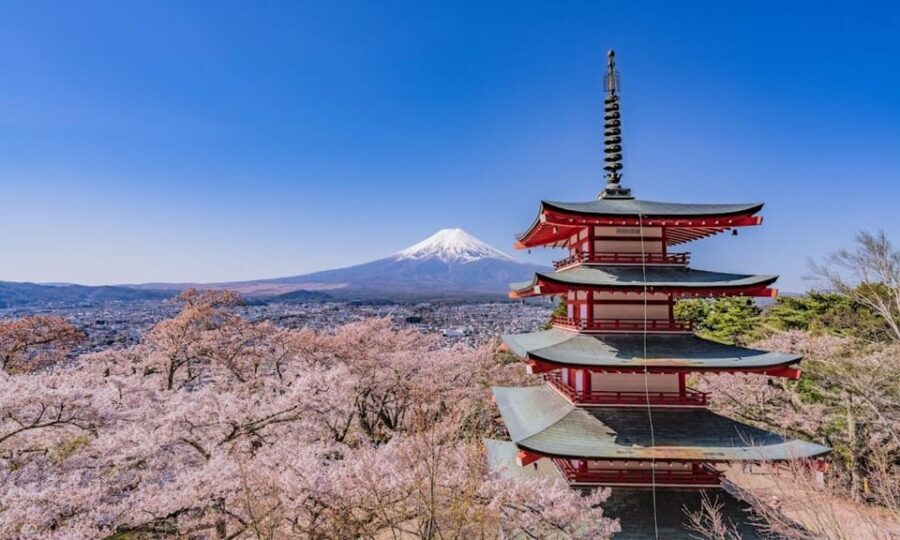
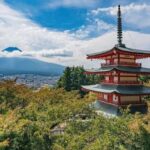
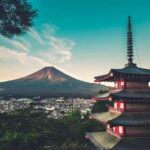
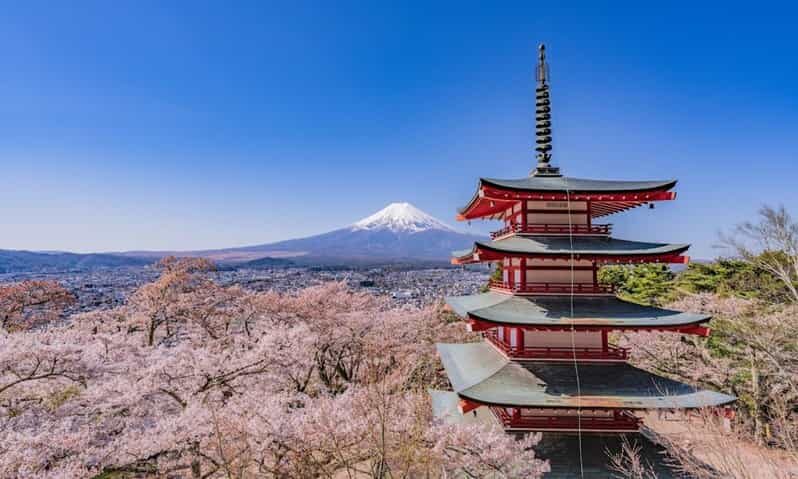
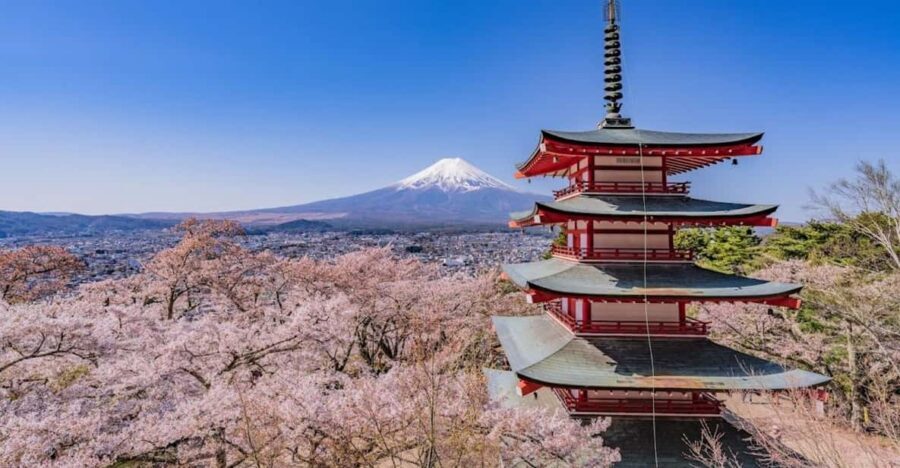
If you’ve seen the famous Mount Fuji-and-pagoda image floating around on postcards, you’ll recognize Chureito Pagoda immediately. You’ll spend time for photo stops, and you’ll also have guided sightseeing.
Why this stop is so high value: it gives you a clear, human-made foreground for Fuji. Without the pagoda, Mount Fuji photos can feel like “mountain, distant mountain, more mountain.” With the pagoda, you get a layered composition that feels distinctly Japanese.
The seasonal angle is a big deal too. Depending on when you go:
- spring can bring cherry blossoms
- autumn can bring autumn leaves
So even if Fuji isn’t perfectly clear, the pagoda area can still deliver an attractive visual story.
Hakone add-ons: Ropeway and Lake Ashi when conditions are right
This trip can include an optional-feeling escalation into Hakone, and the structure of the day makes it easy to choose how intense you want it to be. If you want that volcanic-and-lake contrast, this is where the extra variety shows up.
Hakone Ropeway
At Hakone Ropeway, you’ll have a photo stop, plus guided time. The Ropeway ticket isn’t included, and that matters for planning. You’ll also want to be prepared for the weather up higher—fog can swallow views fast.
That’s where the win comes in: when visibility is good, the cable car offers panoramic perspectives over the volcanic region.
Lake Ashi
Then you reach Lake Ashi, where you’ll get photo time, guided context, sightseeing, and a walk. The lake is especially appealing because it can hold a reflection of Fuji—again, weather matters, but the scenery is still satisfying even without a perfect mirror.
If you’re a “one more boat moment” person, the trip info suggests cruise options (and clarifies that the motorboat ticket is separate). This is also a good area to slow down, breathe, and let your brain switch from “tour mode” to “holiday mode.”
Owakudani Valley and Hakone Shrine: steam, shopping, and calm
Your Hakone route includes Owakudani Valley, a volcanic area known for steaming activity and dramatic views. You’ll stop for photos, get guided time, and have a shopping component.
There’s also a mention of sunrise in the plan. Even if you don’t land on true early-light conditions, the vibe here tends to feel more intense at the right time of day. In any case, this is the place where volcanic scenery makes Fuji feel like part of a larger story rather than a one-off destination.
After Owakudani, you’ll visit Hakone Shrine, with break time and guided sightseeing plus photo opportunities.
Why this pairing works:
- Owakudani gives you the “raw nature” moment
- Hakone Shrine gives you a softer, slower cultural reset
It’s a nice balance so you don’t feel like the whole day is just scenic stops back-to-back.
Hakone Open-Air Museum: a free-time buffer that keeps the day human
Next comes the Hakone Open-Air Museum, with break time, photo opportunities, guided time, plus free time and shopping.
This museum stop can be a good pressure-release. After walking viewpoints and moving through crowds, free time is where you can breathe, grab a snack, and pick your own rhythm.
A practical note: you’ll want comfortable shoes here too. Even when it’s open-air, it’s still an outing where you’ll move around more than you expect.
Price and value: $407 per group up to 6
Let’s do the math honestly. The price is $407 per group up to 6 for about 12 hours. That means the per-person cost drops fast if you travel as a full group.
- If you have 6 people: about $68 per person
- If you have 4 people: about $102 per person
- If you have 2 people: about $204 per person
So the best value is when you can fill the group size. If you’re traveling solo or as a couple, you’re paying more for the private charter experience.
What you do get for that price:
- English-speaking guide and driver
- hotel pickup and drop-off within Tokyo’s 23 wards
- an air-conditioned vehicle with WiFi when needed
- water bottles
- and the plan includes ticket-line help for relevant stops (skip-the-line is listed)
What you don’t get:
- Mount Fuji 5th Station entry ticket
- Ropeway ticket (and motorboat ticket, if you do the cruise)
- Saiko Iyashi no Nemba Village entry ticket (if that option appears on your day)
For me, this is good value when you want the comfort of a private car plus a guide who helps you move efficiently through multiple stops. It’s less of a bargain if you’re a small group that can’t split the cost.
Guide quality and language: what to expect
The tour provides an English-speaking guide (and also lists Arabic and Hindi). In practice, the guide’s style can make or break a day like this.
Some guides on this route have been praised for:
- clear English
- patience with timing and traffic
- tailoring the day around what the group wants
- and even extra photo stops
For example, guides like Mirza, Naeem, Malik, and Zahid have been specifically mentioned in feedback for friendliness, communication, and getting people to the right viewpoints.
Still, if you care a lot about deep history explanations, ask questions early in the day. If the level isn’t what you want, you’ll know fast and you can steer the conversation toward what matters to you—Fuji, culture, shrine meanings, or just where to stand for the best shot.
Practical tips so you don’t waste your Fuji window
Fuji is fickle. Your job is to be ready.
Bring:
- comfortable shoes
- camera (or a charged smartphone)
- drinks and comfortable clothes
Plan around:
- possible long traffic delays in busy seasons
- the fact that visibility is weather-dependent
- the possibility that 5th Station may close in bad weather
One smart move before you go: if Hakone add-ons are a must for you, confirm which portions are truly part of your day’s plan. The tour structure suggests Hakone is part of the route, but tickets for Ropeway and the cruise are separate, and timing can shift.
Should you book this Mount Fuji trip?
I’d book this if you want a private, English-supported day from Tokyo that hits multiple Fuji-related icons without making you deal with transfers. It’s especially strong if:
- you’re traveling with family or a mix of ages
- you care about both scenery and context
- you want flexibility to linger at the best spots
I might pass (or consider another option) if:
- you’re extremely time-sensitive and can’t handle delays
- you’re going on a peak weekend/flower season and you’re prone to frustration when the sky goes cloudy
- you don’t want to pay extra for optional tickets like Ropeway/cruise/5th Station entry
If your goal is to maximize your odds of a great Fuji moment while staying comfortable and guided all day, this is a solid choice.
FAQ
Where does pickup happen?
Pickup is possible from your hotel in Tokyo (inside Tokyo’s 23 wards) and also from other addresses like hostels and apartments. Pickup is not available from airports, ports, and stations.
How much time do I have on each main stop?
The plan includes time for photo stops, guided tours, and sightseeing at major points. For example, Oshino Hakkai is about 45 minutes, Kitaguchi-hongu Fuji Sengen Shrine about 40 minutes, and Lake Kawaguchiko includes about 1 hour with lunch time.
Is Hakone included, or is it optional?
The route includes Hakone stops such as Hakone Ropeway and Lake Ashi. However, Ropeway and motorboat tickets are not included, so you should be prepared to pay separately if you do those segments.
Are tickets included for Mt. Fuji 5th Station and cable car/boat rides?
No. Mt. Fuji 5th Station entry ticket is not included. Ropeway and motorboat (cruise) tickets are also not included.
What should I bring for the day?
Bring comfortable shoes, a camera (or a charged smartphone), drinks, and comfortable clothes.
What is the cancellation policy?
Free cancellation is available up to 24 hours in advance for a full refund.